The therapeutic-industrial complex has found its most enthusiastic ambassadors: celebrities who live-document their healing journeys with the fervor of influencers unboxing PR packages. What began as destigmatization has curdled into something more complicated—a performance of vulnerability so meticulously curated it raises questions about who benefits when inner work becomes outer content.
Boundary-setting, once a private practice, now arrives with production value and sponsored segments. The language of therapy has been extracted from the consulting room and repackaged for maximum engagement, creating a peculiar paradox where the most intimate revelations feel increasingly transactional.

The Diagnosis Drop as Flex
Celebrities now casually namecheck their diagnoses—ADHD, complex PTSD, anxious attachment—with the same energy they used to reserve for designer handbags. What started as advocacy has morphed into social capital, where the specificity of your therapeutic vocabulary signals not just self-awareness but cultural literacy. The intimacy is immediate, the resonance real, but the performance unmistakable.
Setting Boundaries in 4K
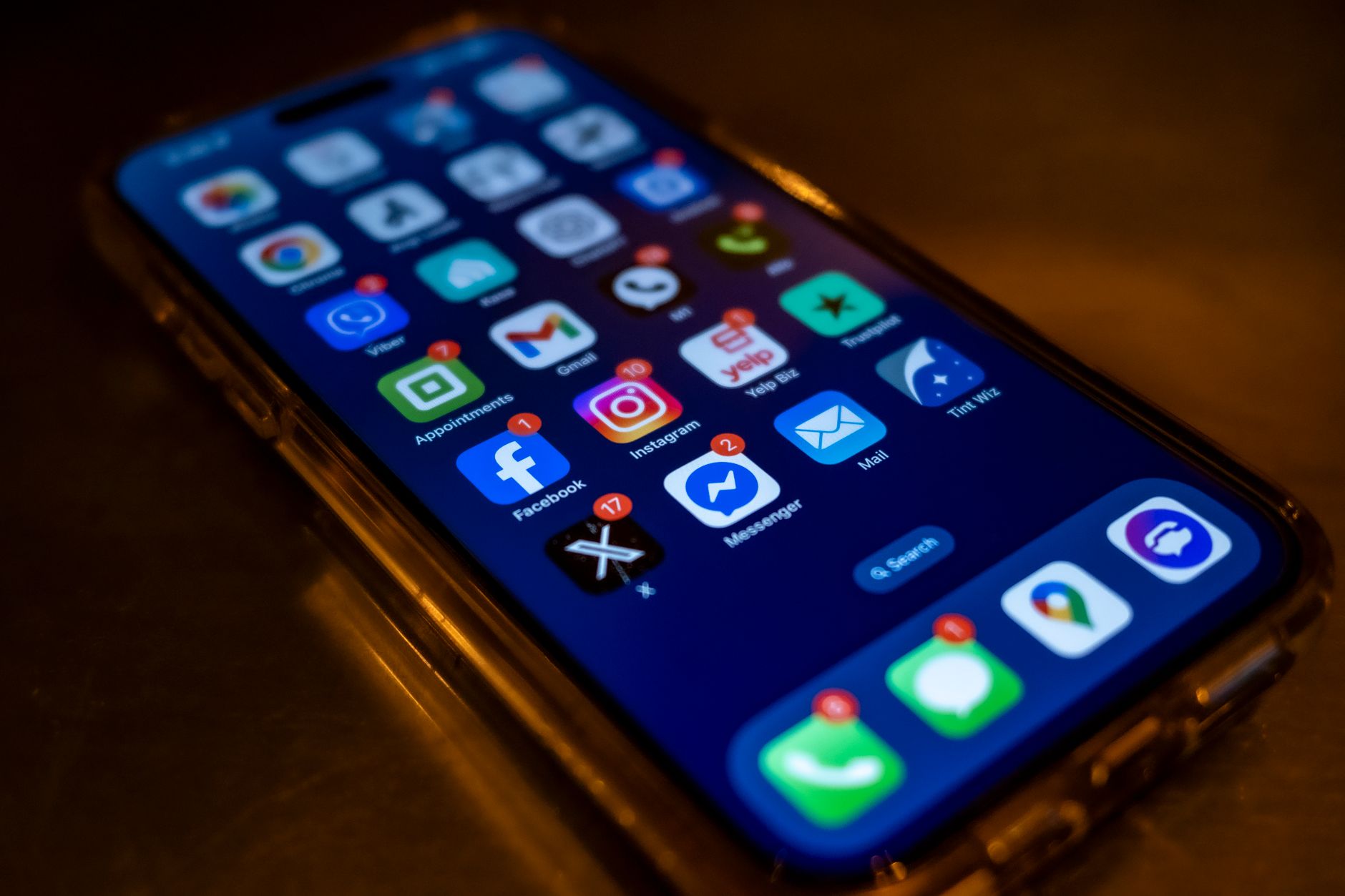
The irony is acute: influencers post Instagram carousels about protecting their energy while inviting millions into their most private reckonings. Boundary-setting has become paradoxically public, a content category with its own aesthetic codes—muted tones, sans-serif affirmations, screenshots of texts to therapists. The boundaries themselves become porous the moment they're broadcast.
Therapy Speak as Brand Voice
Podcasts now feature celebrities workshopping their inner-child wounds in real time, complete with mid-roll ads for meditation apps. The language of therapeutic frameworks—narcissism, gaslighting, trauma responses—has been flattened into buzzwords, deployed for relatability rather than precision. When everyone's healing journey has a monetization strategy, the original purpose blurs.

The Vulnerability Arms Race
Authenticity demands have escalated to the point where merely sharing struggles isn't enough—audiences expect real-time breakdowns, unfiltered therapy revelations, evidence of active emotional labor. This creates a bizarre competition where the most exposed become the most celebrated, and privacy reads as suspicious. The bar for what counts as 'keeping it real' keeps rising, and with it, the cost.
Parasocial Healing as One-Way Street
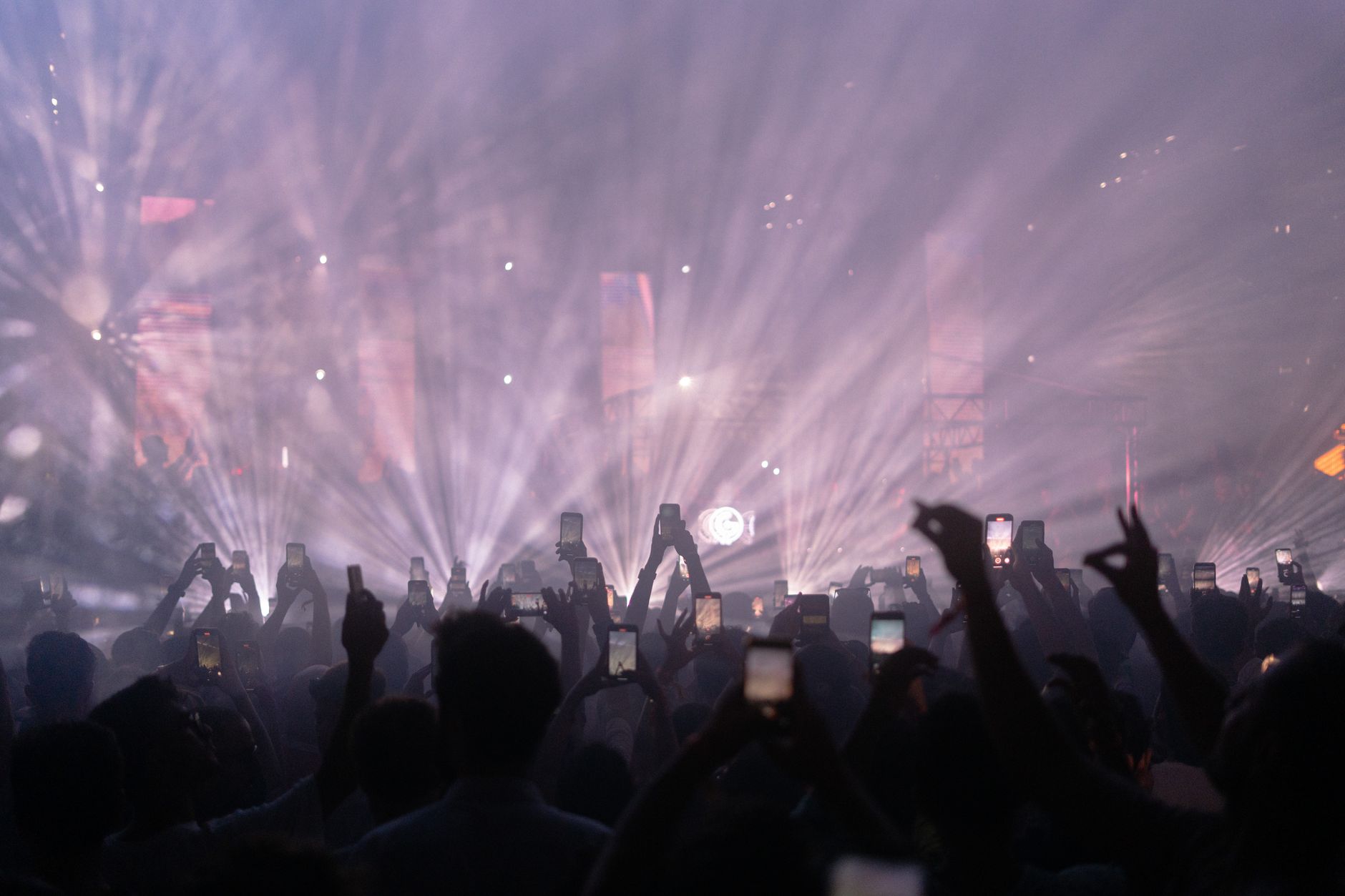
Fans consume celebrity therapy narratives and feel seen, validated, less alone—a genuine emotional benefit that keeps them returning. But the exchange is fundamentally asymmetrical: the celebrity gains engagement metrics and brand deals while the audience mistakes access for intimacy. The therapeutic relationship, which requires reciprocity and privacy to function, becomes a spectator sport where only one person profits.