The average American hotel room has lost nearly half its square footage in two decades—from a generous 400 square feet to a cramped 200—while nightly rates have doubled. This isn't just inflation or post-pandemic greed. It's a fundamental restructuring of urban real estate economics that's forcing travelers to pay more for less, literally.
The shrinking room is a symptom of something larger: a hospitality industry betting that Instagram-worthy lobbies and rooftop bars matter more than space to unpack a suitcase. They're probably right. Here's what the new geography of American hotels reveals about where travel is actually going.

The death of the sprawl-era room
Those spacious suburban hotel rooms with king beds, armchairs, and actual floor space? Relics of cheap land and car culture. Urban hotels now occupy the most expensive real estate in America, where every square foot is optimized for revenue per key. The math is brutal: a 200-square-foot room on a premium lot generates better returns than a 400-square-foot one, especially when guests spend their time everywhere except inside it. Developers aren't stupid—they're responding to how people actually use hotels now.
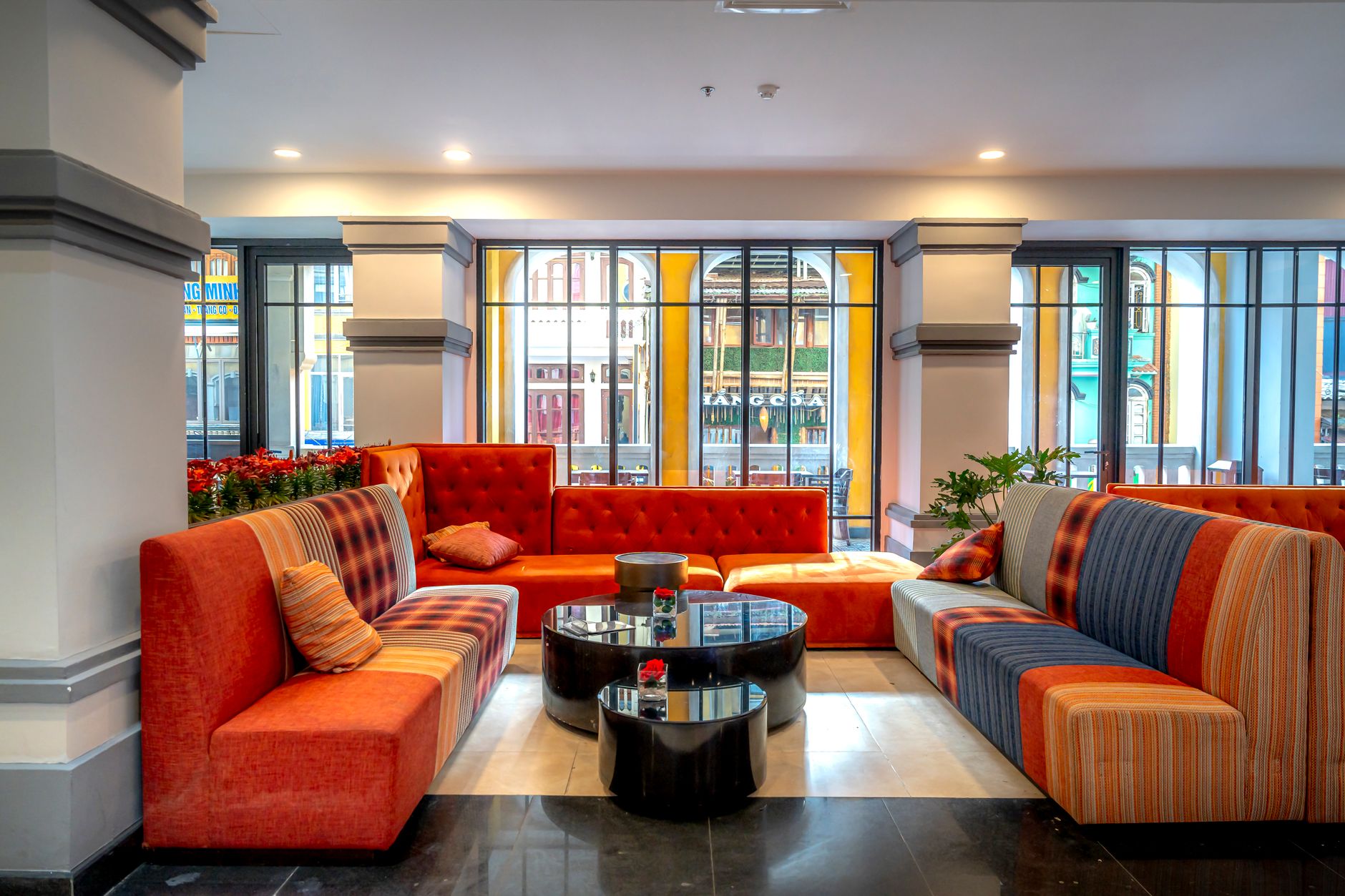
You're paying for the lobby you'll never sit in
While rooms shrink, ground-floor square footage explodes into co-working lounges, craft cocktail bars, and Instagrammable atriums designed to attract locals who'll never book a room. Hotels realized they can charge $400 for a shoebox upstairs when the real money is in $18 cocktails and membership programs. The room is just the alibi. The actual business model is selling aspirational third spaces to neighborhood clientele while monetizing scarcity to sleep-deprived travelers.
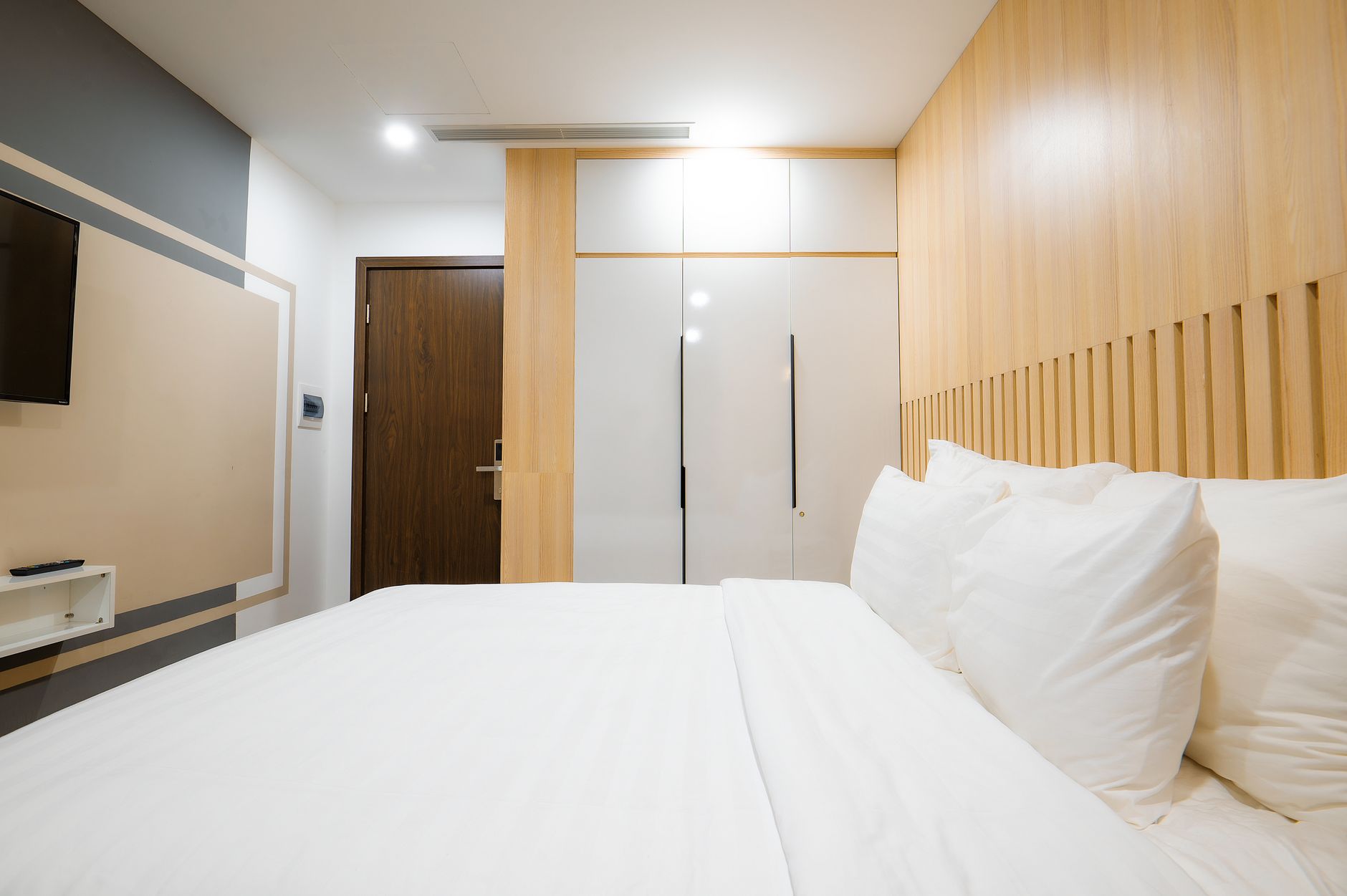
The efficiency apartment aesthetic goes mainstream
Tiny hotel rooms are now being marketed as "thoughtfully designed" and "intelligently laid out"—borrowed language from the micro-apartment industrial complex. Floating shelves replace dressers, murphy beds fold into walls, bathrooms shrink to airplane dimensions. It's Silicon Valley optimization logic applied to hospitality: minimize the bedroom, maximize everything else. The subtext is clear: if you're spending time in your room beyond sleeping, you're traveling wrong.

Business travelers already accepted defeat
Corporate travel managers negotiated away square footage years ago in exchange for free WiFi and loyalty points. The business segment—once hospitality's bread and butter—proved you could condition people to accept less through frequent flyer programs and the illusion of upgrades. Leisure travelers are now inheriting this diminished standard without the corporate negotiating power. The industry learned that if road warriors would tolerate 180 square feet in Midtown, tourists eventually would too.

The rental market rewired traveler expectations
Airbnb didn't kill the hotel room's square footage—it revealed how little space actually matters when the amenities and location deliver. Travelers who'd rent a 150-square-foot studio in Lisbon or a converted garage in Joshua Tree demonstrated they'll trade size for experience, access, and authenticity. Hotels watched and learned. Why compete with rentals on space when you can win on design, service, and that thing apartments can't offer: the optionality to simply leave when something breaks.