For fifteen years, the ankle boot occupied valuable real estate in women's wardrobes as the supposed solution to seasonal dressing limbo. Brands positioned it as essential—the sensible bridge between summer sandals and winter boots. But spring 2024 revealed something retailers hoped we wouldn't notice: women simply stopped buying them.
The decline wasn't gradual. Search interest dropped 43% year-over-year, return rates climbed, and fashion editors quietly removed them from seasonal must-have lists. What died wasn't just a silhouette. It was the entire concept that women needed permission footwear to navigate temperature changes, and the industry's assumption that aesthetic compromise equals practicality.
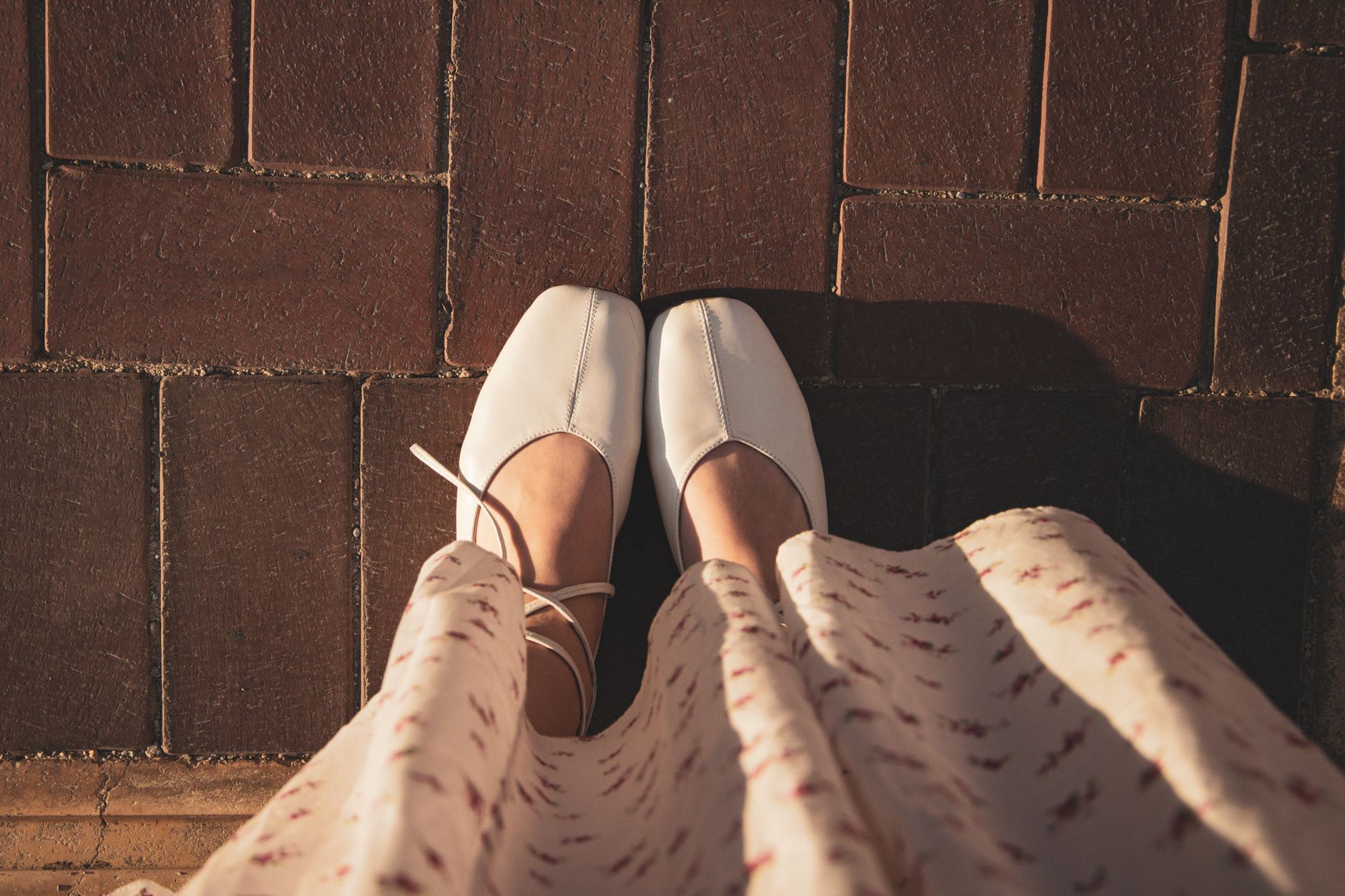
Ballet Flats Reclaimed Transitional Territory Without Trying
The ballet flat's resurgence wasn't about nostalgia—it was about women choosing an actual point of view. Where ankle boots hedged, ballet flats commit to a silhouette that requires nothing else to feel complete. They work in April rain and September heat not because they're practical, but because they're decisive. The ankle boot promised versatility and delivered visual confusion.

Bare Ankles Became the Default, Not a Risk
Somewhere between 2019 and now, visible ankles stopped registering as seasonally inappropriate. Women started wearing loafers in March, mules in October, and treating ankle coverage as optional rather than mandatory. The shift made ankle boots—designed specifically to cover that newly irrelevant zone—feel dated. When the problem your product solves disappears, so does your product.
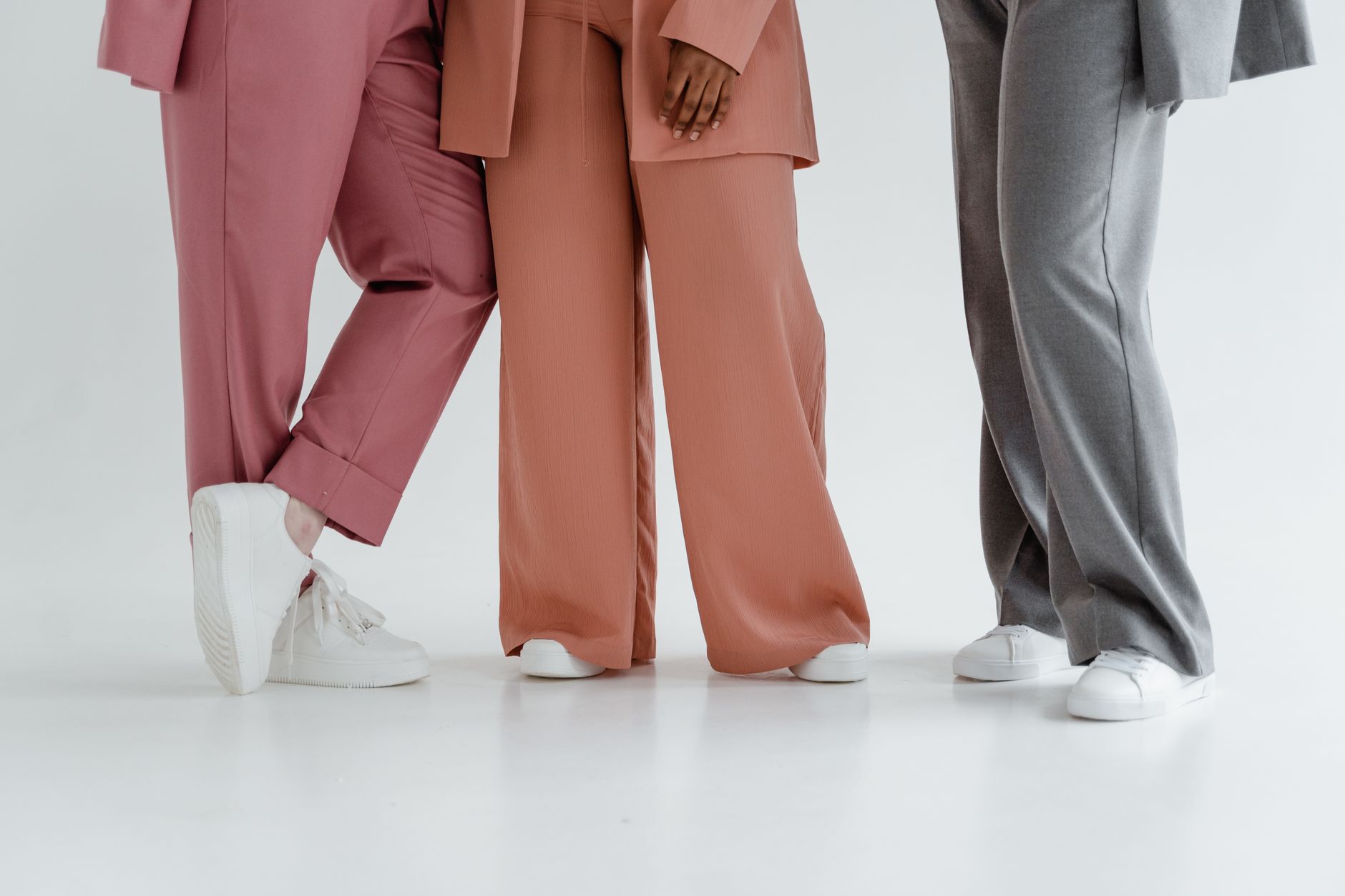
The Proportions Wars Made Ankle Boots Impossible to Style
Wide trousers and midi skirts dominated, and ankle boots created a dead zone where hemline met shaft. The silhouette that once worked with skinny jeans looked truncated with everything else, chopping legs at the worst possible point. Fashion moved toward elongation; ankle boots insisted on interruption. When your shoes fight every other piece in the wardrobe, they lose.
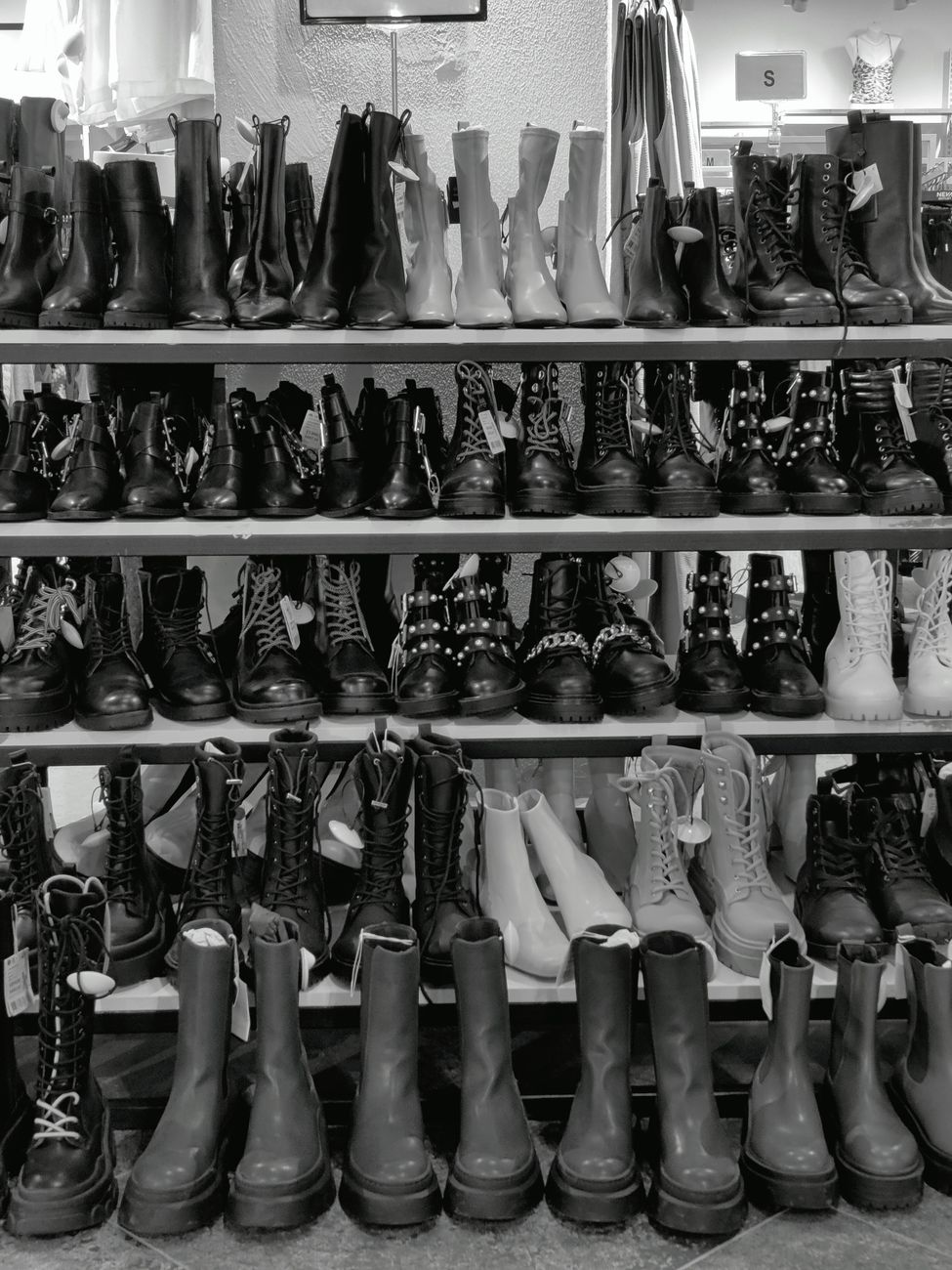
Retailers Overproduced the Trend Into Obsolescence
By 2023, every brand from Zara to Khaite offered seventeen versions of the same taupe ankle boot. Market saturation turned a wardrobe staple into visual wallpaper—so ubiquitous it became invisible, then irrelevant. When a trend reaches terminal velocity in fast fashion, it doesn't fade gradually. It collapses. Women didn't reject ankle boots; they simply couldn't see them anymore.
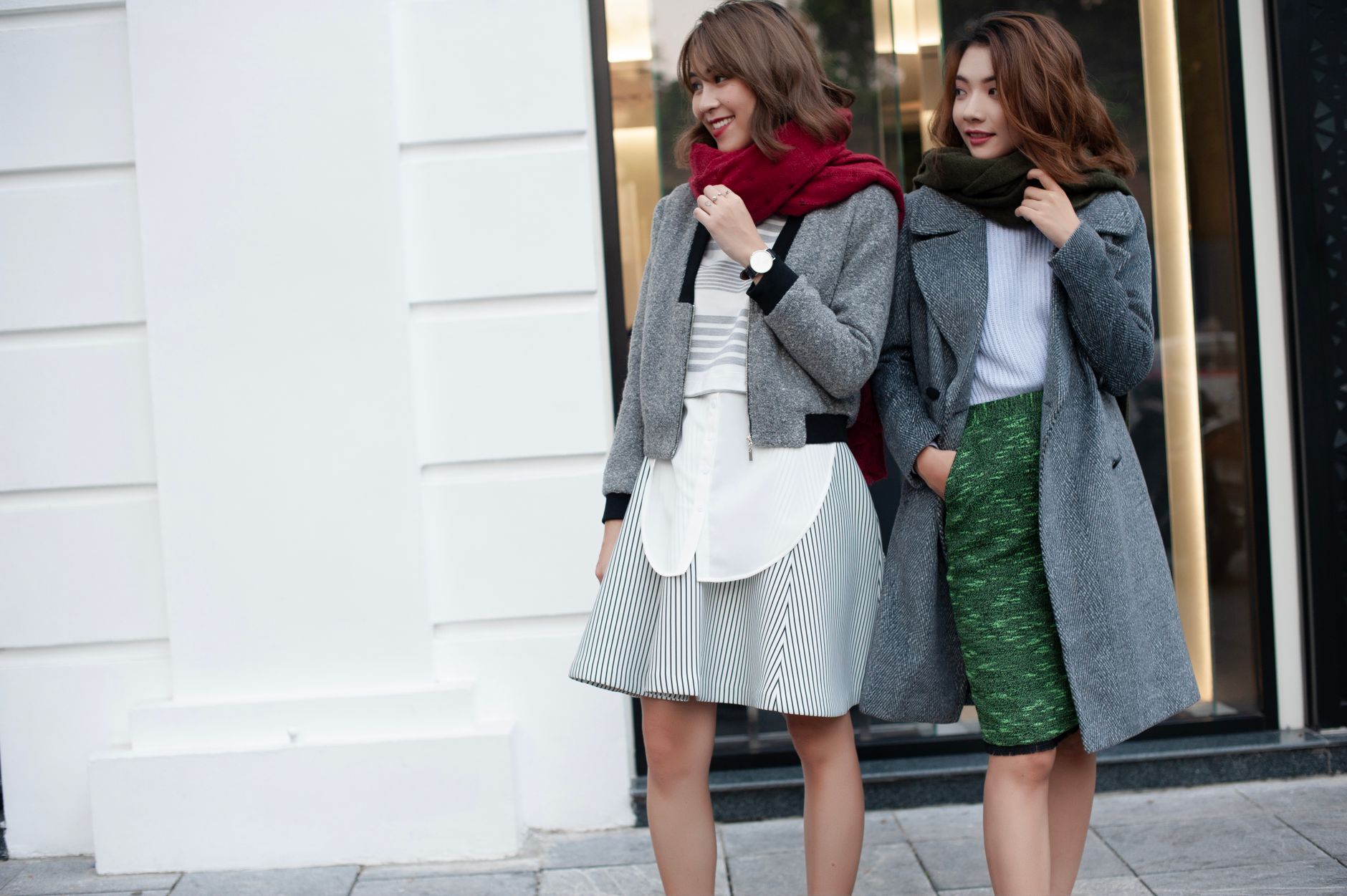
Transitional Dressing Itself Became Unfashionable
The real shift was ideological. Younger consumers stopped believing in gradual seasonal transitions and started dressing for aesthetic impact regardless of temperature logic. Wearing tall boots in May or sandals in November became signals of conviction, not poor planning. Ankle boots represented the old guard—cautious, appropriate, worried about making sense. Fashion stopped rewarding sense.