Somewhere between cargo pants and Carhartt's cultural takeover, pockets stopped apologizing for existing. What was once tucked discreetly into linings now protrudes unapologetically from blazers, dresses, and even evening wear. The shift isn't just aesthetic—it's ideological.
External pockets announce that fashion has finally made peace with the fact that people carry things. They signal a rejection of the ornamental in favor of the operational, a visual vocabulary borrowed from workwear, military surplus, and outdoor gear that now speaks fluently in luxury contexts. Function isn't hidden anymore. It's architecture.

Workwear crossed class lines and brought its hardware
Prada's nylon backpacks started it, but the floodgates truly opened when labels like Jacquemus and Bottega Veneta began treating carpenter pockets like couture details. The working-class signifiers that once marked you as blue-collar now mark you as culturally literate. External pockets became the ultimate code-switch: practical enough to hold your phone, expensive enough to communicate you don't actually need to work with your hands.
Gorpcore made visible storage aspirational
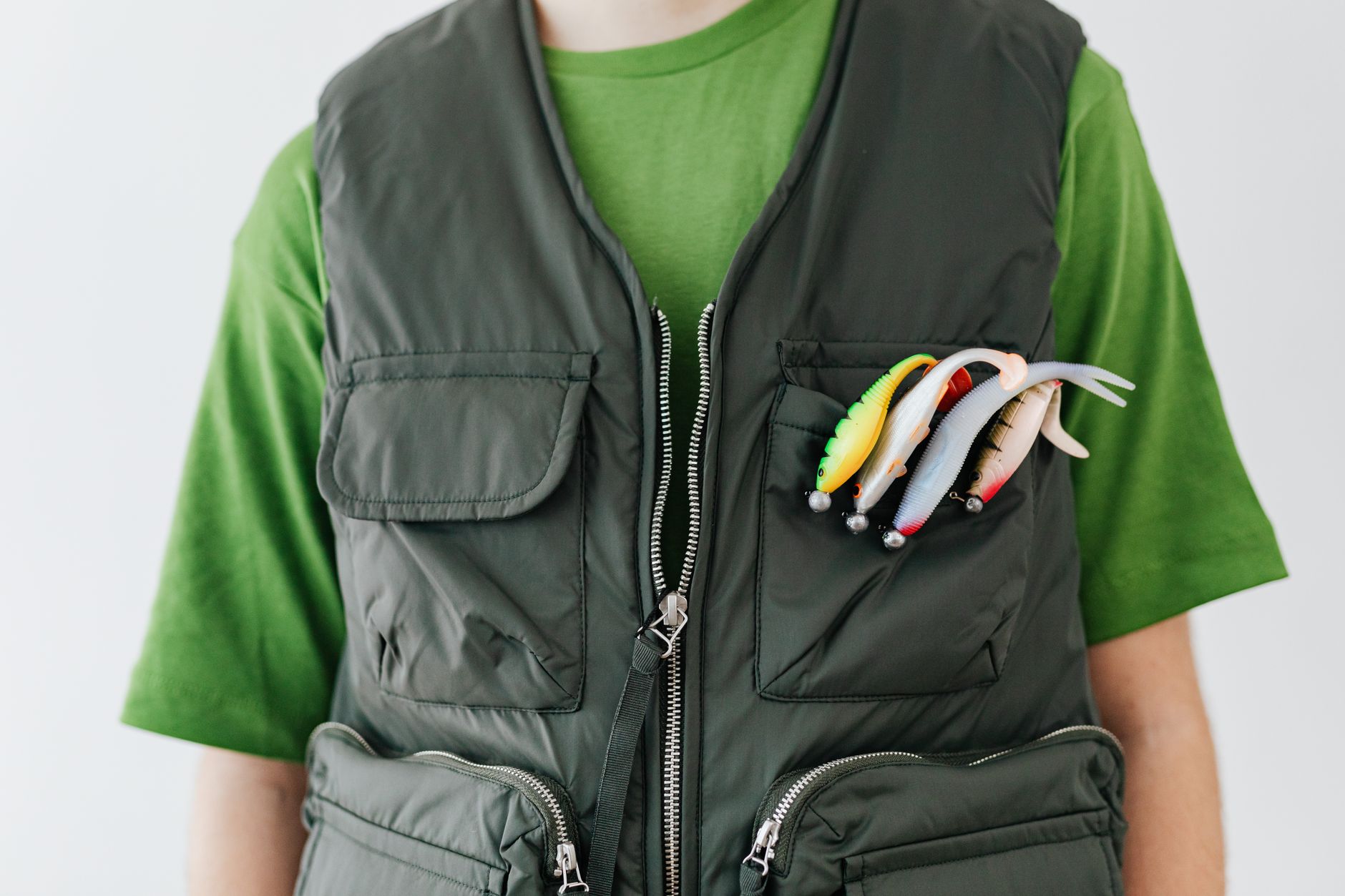
When Arc'teryx became a status symbol, it carried with it an entire philosophy about visibility and access. Technical outerwear doesn't hide its pockets because those pockets serve purposes—map storage, climbing gear, energy bars. As gorpcore infiltrated urban fashion, those bulging cargo compartments became signifiers of preparedness and capability, even if the only thing you're preparing for is brunch. The aesthetic of readiness trumped the reality of need.

Phones got too big to pretend they don't exist
Let's be direct: fashion had to accommodate the rectangle. Women's clothing, historically designed to eliminate bulk at all costs, simply couldn't ignore the iPhone 15 Pro Max anymore. External pockets solved a genuine design crisis while allowing brands to maintain silhouette integrity. The choice became either build visible storage or watch your customer ruin the line of your $800 trousers with a phone-shaped bulge. Utility won by default.

Deconstruction made exposure the point
Margiela taught fashion to show its seams; now designers show their storage. The deconstruction movement of the '90s normalized making the interior exterior, turning linings into statements and construction into conversation. External pockets fit perfectly into this visual language—they're functional, yes, but they're also a kind of anatomical diagram of the garment. They say: look at how this works, look at what it can do. Form follows function follows form again.

Minimalism needed an antagonist
After a decade of clean lines and hidden hardware, fashion craved texture and dimension. External pockets delivered both while maintaining credibility—they're not frivolous embellishment, they're purposeful addition. This matters in an era suspicious of pure decoration. The maximalism of multiple cargo pockets, flap closures, and zip compartments feels earned rather than applied, a way to add visual weight without accusations of excess. It's ornamentation with an alibi.