For years, asymmetry felt like the only way to signal you understood fashion. The higher-on-one-side skirt, the handkerchief hem, the deliberately unfinished edge—these were the visual markers of someone who'd moved past basics. But walk into any showroom right now and you'll notice something: hems are level again. Clean, precise, unapologetic in their evenness.
This isn't regression. It's recalibration. When chaos becomes the norm, order becomes the disruption. Symmetrical hems aren't about playing it safe—they're about refusing to perform complexity when simplicity does more.
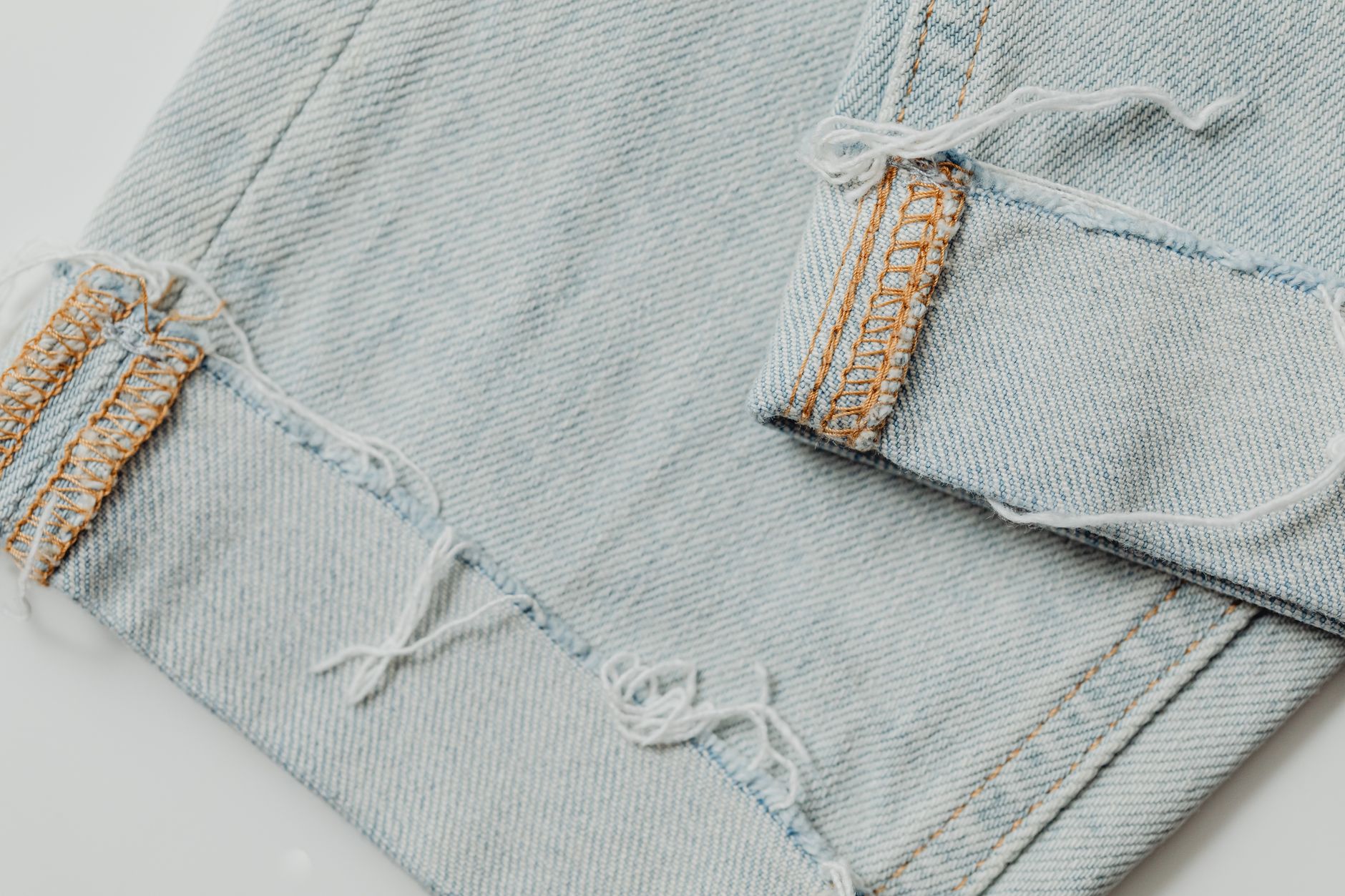
Precision replaced playfulness as the ultimate flex
Asymmetry was once the shorthand for 'conceptual,' but it's been overplayed into predictability. Designers are now showing restraint as the real skill—nothing to hide behind, no tricks to distract from cut or fabrication. A perfectly level hem requires better tailoring, better fabric, better everything. It's a flex that doesn't announce itself.
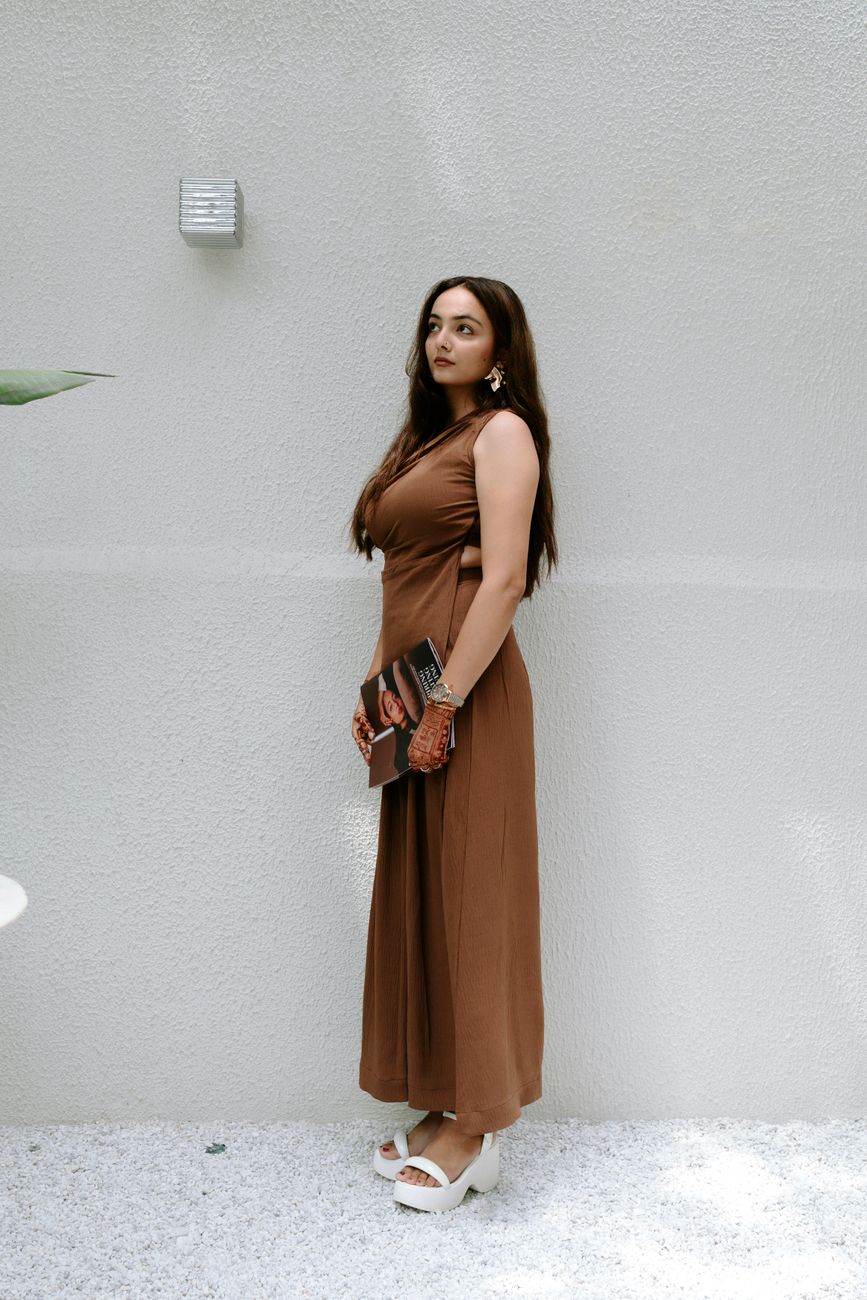
The anti-Instagram effect is changing what reads as interesting
Algorithmic fashion favors the visually chaotic—something that stops the scroll. But there's a growing fatigue with clothes designed to photograph rather than wear. Even hems don't generate engagement metrics, which is exactly why they're appealing to people tired of dressing for content. The shift reflects a broader move away from performance dressing toward clothes that exist in three dimensions first.

Formality is being redefined through structure, not occasion
Symmetrical hemlines carry an inherent formality that feels relevant again—not in a return-to-office way, but as a counterpoint to years of amorphous silhouettes. Clean hems create boundaries and definition without requiring traditional dress codes. They signal intentionality in an era when 'effortless' has become its own kind of uniform. Structure is the new rebellion against shapelessness.
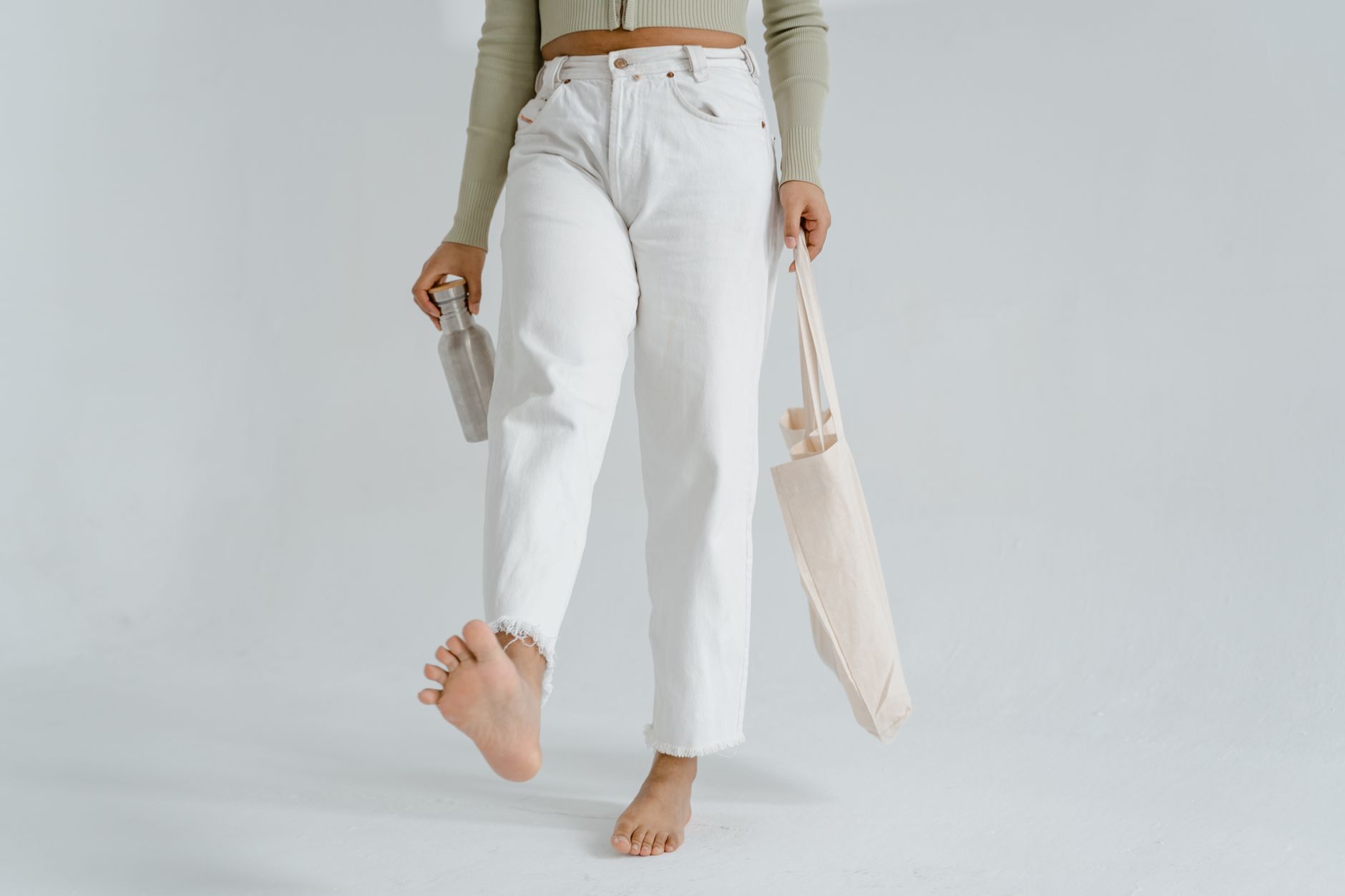
Sustainability economics favor simpler construction
Asymmetrical cuts generate more fabric waste and require more labor to execute properly. As production costs rise and waste reduction becomes non-negotiable, even hems make practical sense. This isn't about compromise—it's about intelligence. The best designers are proving that constraint breeds better ideas, and that environmental responsibility doesn't mean sacrificing point of view.
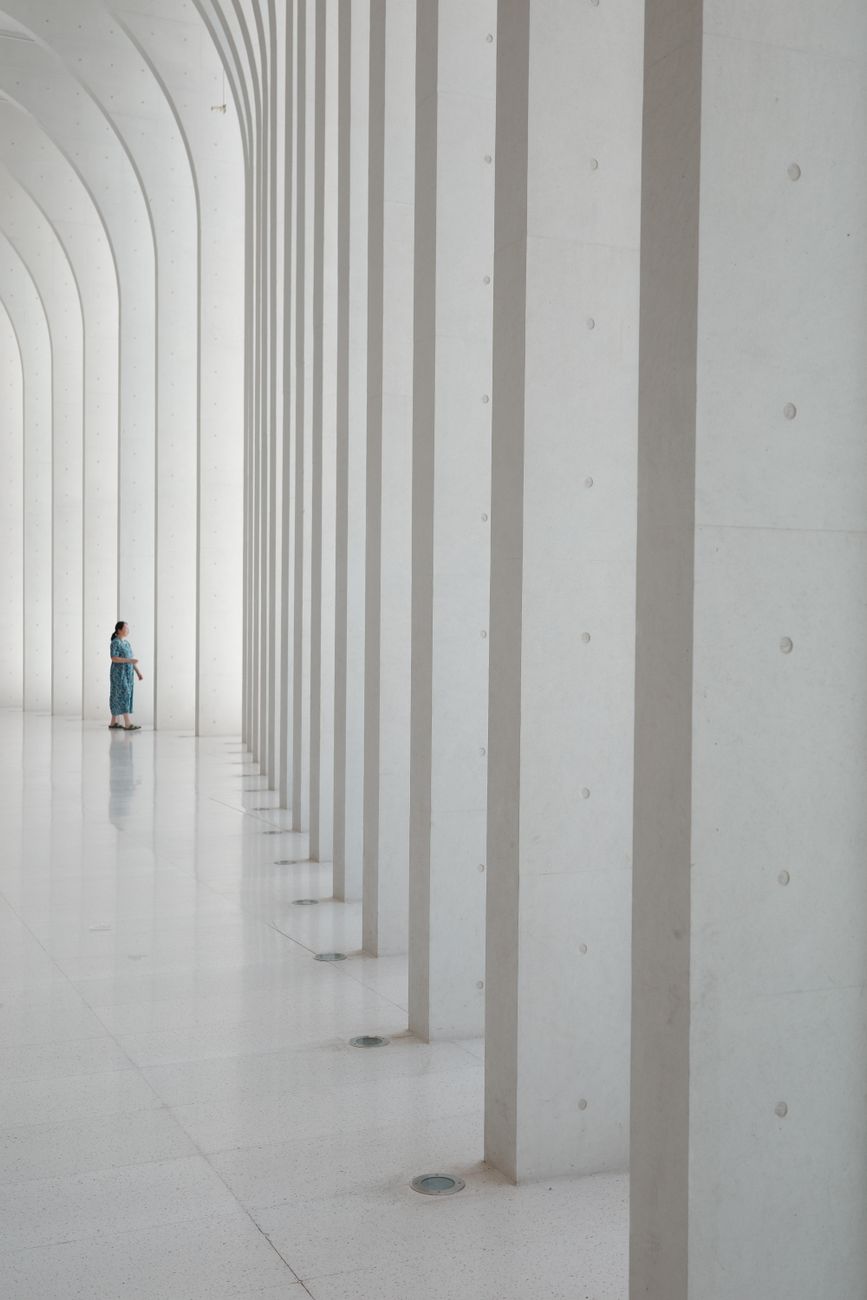
Evenness communicates stability when nothing else does
There's a psychological component to why symmetry feels radical right now. In a moment defined by instability—economic, political, environmental—visual balance offers something increasingly scarce: a sense of control. Wearing something perfectly level is a small act of imposing order. It's not escapism; it's assertion. The hem that doesn't waver says you're not interested in looking uncertain.