The Bermuda short spent decades in style purgatory—too long to be cool, too casual to be serious, forever tethered to golf courses and dad wardrobes. Then something shifted. Designers stopped apologizing for the knee-length proportion and started weaponizing it.
What emerged isn't your father's country club staple. The new Bermuda comes rigid, structured, often oppressively formal. It demands high heels where sneakers once sufficed. It refuses to be comfortable. And suddenly, that awkward length that fashion spent years mocking has become the silhouette that separates those who understand proportion from those who don't.

Suiting Fabric Replaced Cotton Twill
The material shift matters more than the cut. Where Bermudas once appeared in relaxed chinos and breathable cotton, they now emerge in the same unforgiving wool and gabardine reserved for power suits. The weight of the fabric alone changes everything—these shorts don't move with you, they hold their line. Designers like The Row and Prada built entire collections around this premise: the Bermuda as boardroom armor, not beachwear. Softness became the enemy.

The Knee Became a Hard Stop, Not a Suggestion
Precision replaced approximation. The new Bermuda doesn't hover near the knee or fall just above it—it ends exactly at the knee cap, creating a severe horizontal line that chops the leg at its least flattering point. This isn't accidental. The awkwardness is the appeal, a deliberate rejection of the endlessly flattering, the safe mid-thigh length that dominated for years. Fashion finally stopped trying to make everyone comfortable with their legs.

Heels Became Non-Negotiable
The tailored Bermuda refuses flat shoes. Where the casual version lived with loafers or slides, this iteration demands height—stilettos, architectural sandals, anything that creates tension between formal and exposed leg. Without heels, the proportion collapses into frump. With them, it becomes almost confrontational. Stylists know this: the Bermuda short now functions as a test of commitment, separating those willing to endure discomfort for proportion from those who just want to look current.

Pleats and Structure Replaced Elasticated Waists
Construction methods borrowed from menswear replaced any hint of stretch or give. Sharp front pleats, rigid waistbands with hook-and-bar closures, sometimes even belt loops that expect actual leather belts. The new Bermuda short sits on the body like a duty, not a relief from trousers. Brands like Toteme and Khaite built their versions with the same pattern-making rigor as their trousers, ensuring the shorts never relax into casualwear. Comfort no longer enters the conversation.
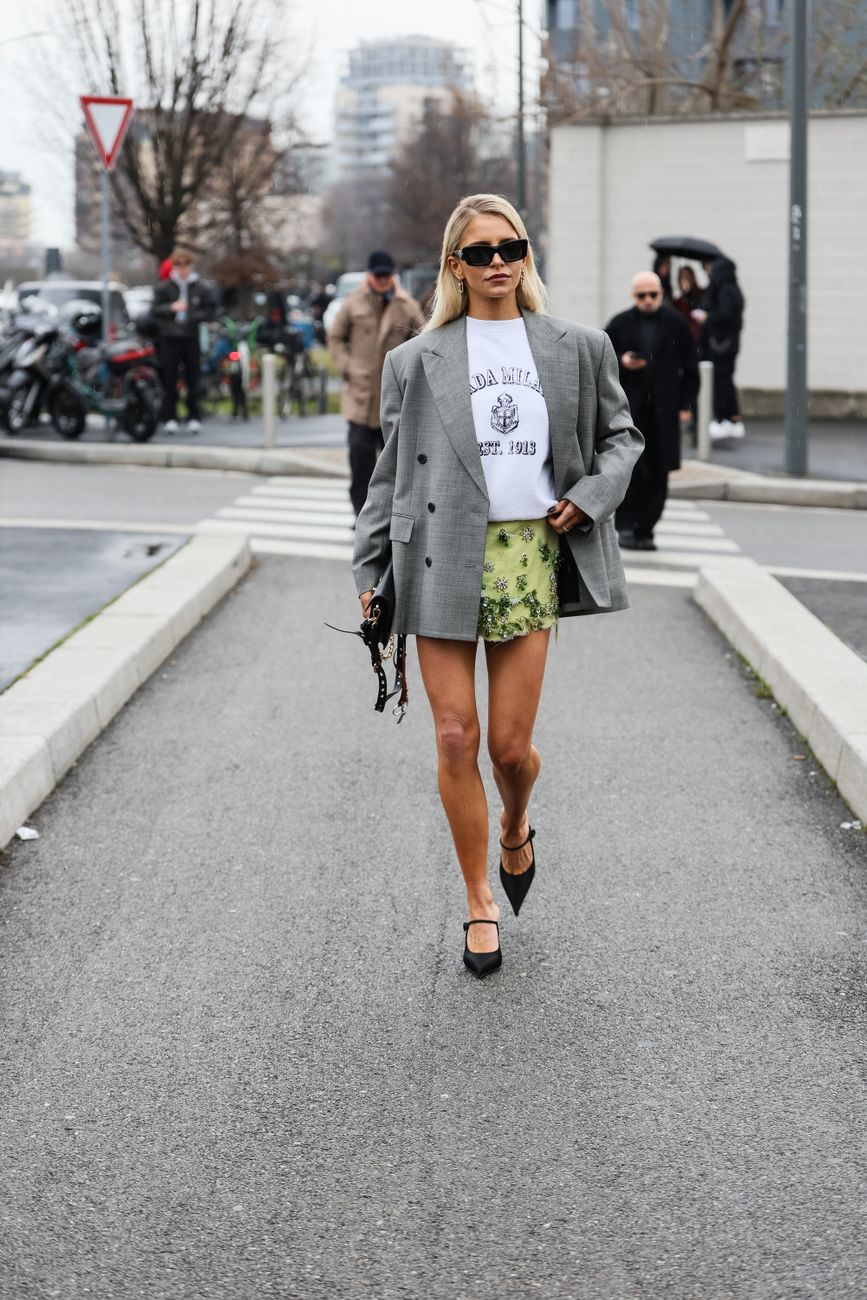
Street Style Adopted Them as Power Plays, Not Alternatives
Outside shows in Copenhagen and Milan, the tailored Bermuda appeared not as a warm-weather substitute but as a deliberate choice—paired with oversized blazers, structured shirts, and the kind of accessories that signal intention. The wearers weren't dressing down; they were asserting that this awkward, unforgiving length deserved the same respect as any trouser. That shift in context matters. The Bermuda stopped being an apology for showing leg and became a declaration that you understand what fashion actually values: conviction over comfort, always.