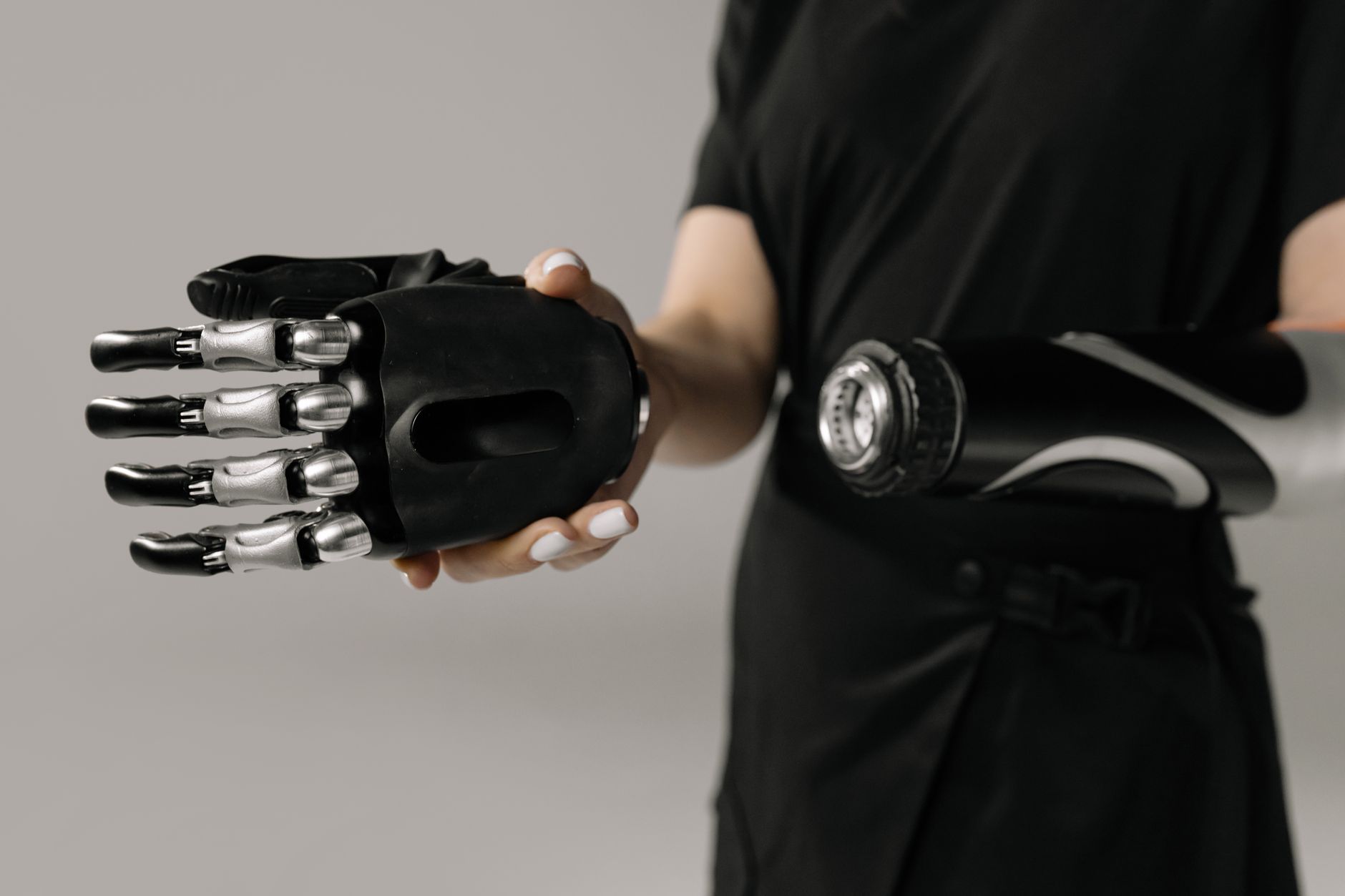
The belt spent decades lounging at hip level, a casual afterthought that occasionally held up trousers. Then it climbed. First to the natural waist, then higher still, settling somewhere between the bottom of the ribcage and the diaphragm—a location previously reserved for medieval torture devices and Mugler's архивы.
This migration isn't about proportion or flattery. It's about compression as aesthetic, about making the quiet part loud. Fashion stopped pretending accessories complete an outfit and admitted what they actually do: contain, restrict, architect the flesh into submission. The higher the belt, the more honest the transaction.
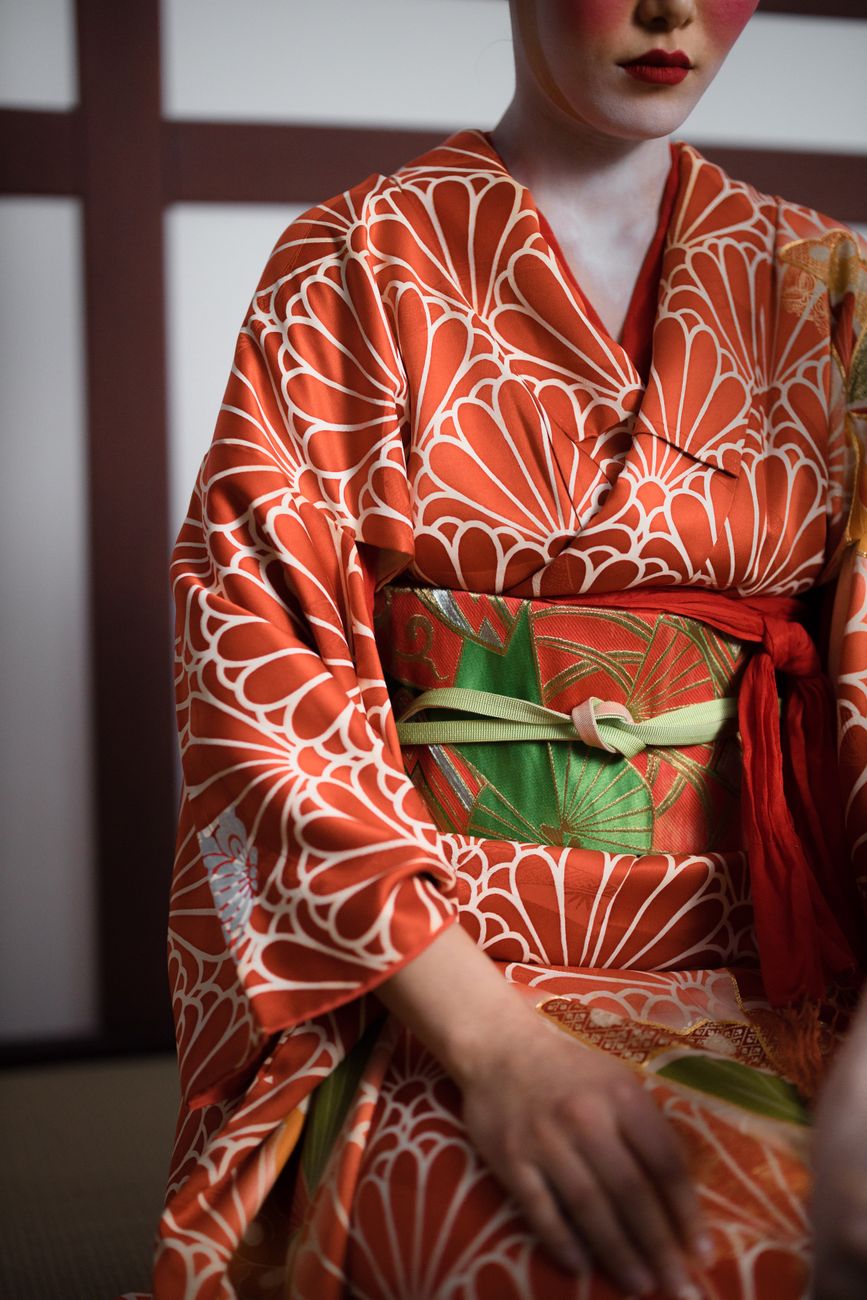
The Obi Belt Complex
Designers appropriated the obi's architectural wrapping without its cultural logic, turning a garment of ceremony into corsetry cosplay. The result wraps the ribcage in leather or fabric panels that don't so much cinch as suffocate, transforming breathing into a fashion statement. What the runway calls "structure," the body experiences as negotiation—sit differently, eat less, exist smaller within your clothes.
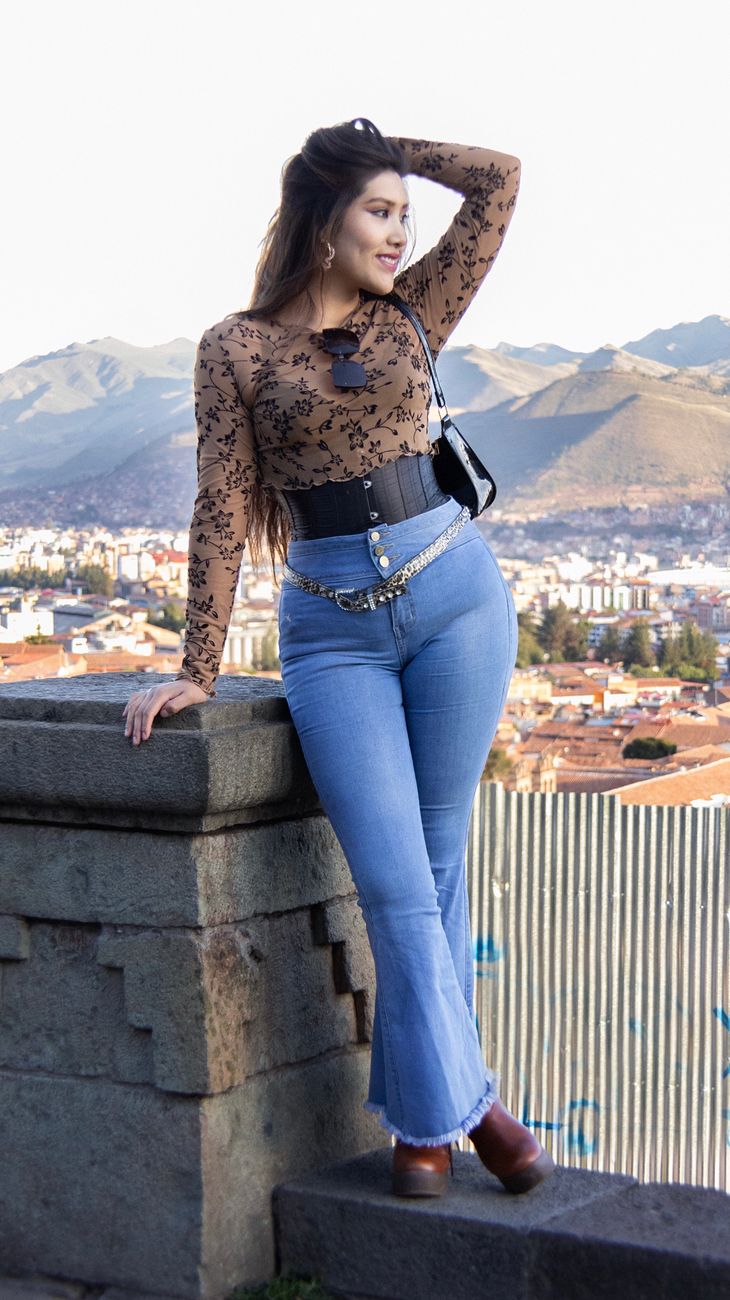
Proportional Panic
The higher the belt, the more desperately it tries to manufacture proportion where bodies already exist in perfect self-contained ratios. This isn't about creating the illusion of longer legs—it's about overriding the body's actual architecture with an imposed geometry. Every styling guide that screams "elongate!" reveals the same anxiety: that bodies, left to their natural proportions, somehow fail at being bodies.
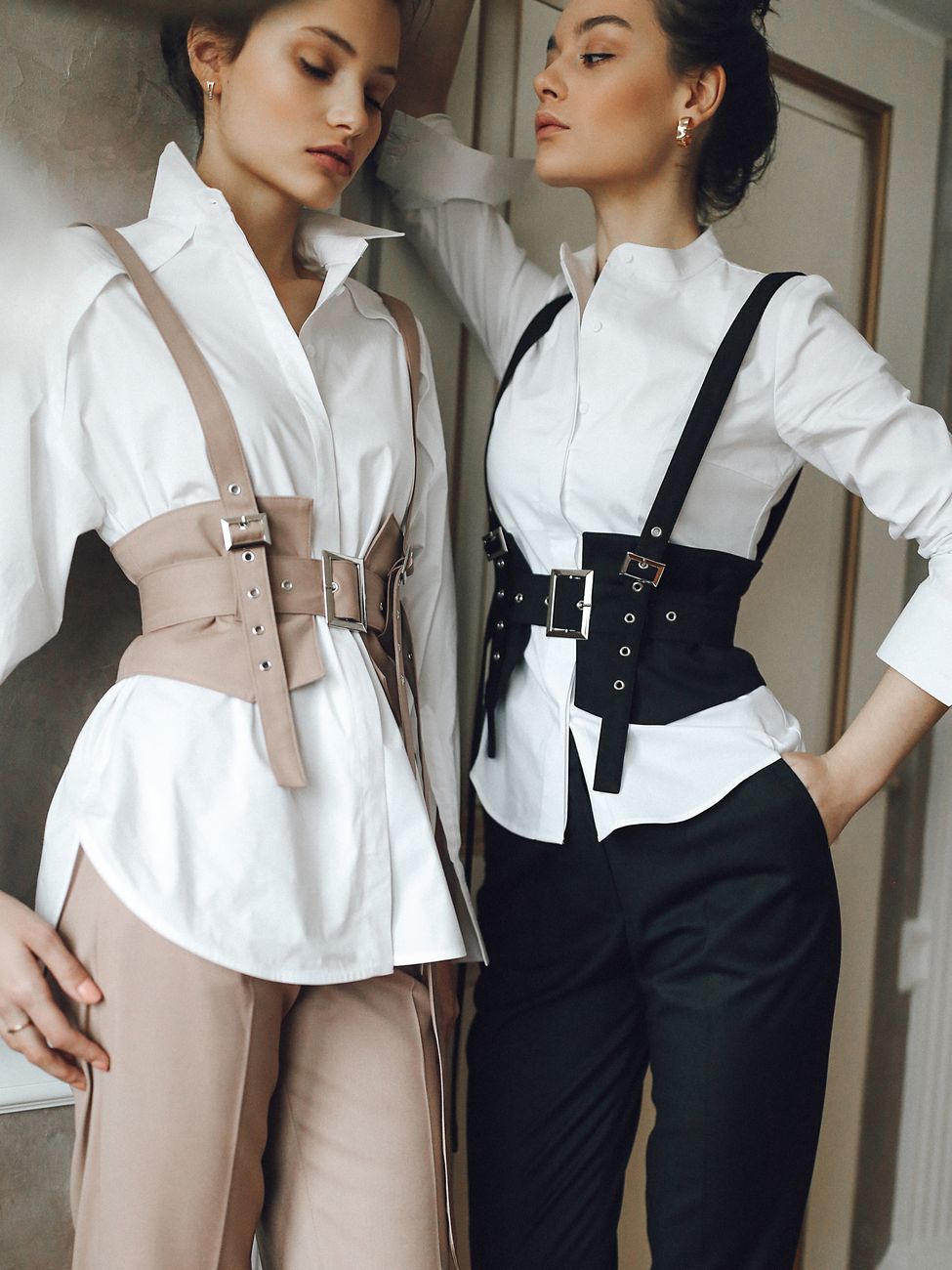
Control Dressing, Literally
When Alaïa engineered his bondage belts in the eighties, the dominance dynamic was subtext. Now it's text. Contemporary belt placement openly performs restraint—wide leather bands that strap across the solar plexus, chain links that wrap the torso, hardware that clicks and locks. The body isn't being accessorized; it's being managed, governed, kept in line by an accessory that stopped being decorative and became disciplinary.

The Visible Labor of Looking Compressed
Nobody wearing a belt at sternum height looks comfortable, which is precisely the point. The aesthetic value lies in visible constraint, in demonstrating you're willing to compromise lung capacity for silhouette. It's the same logic as heels that bleed or jeans that require lying down to zip—fashion's perverse celebration of suffering as proof of commitment. The tighter the belt, the more serious you are about style.

When Shape-Making Becomes Shape-Taking
The language around these belts—"defines," "sculpts," "creates"—obscures what's actually happening: subtraction disguised as construction. These accessories don't add shape; they remove body, compress mass, physically reduce the space a torso occupies in the world. Every inch a belt climbs above the natural waist is an inch further from accepting that bodies already have shapes, and those shapes don't require editorial intervention.