Pointed toes promised elegance. They elongated the leg, suggested refinement, whispered good taste. Then came the square toe—blunt, unapologetic, architecturally confrontational. What began as a quiet rebellion in luxury ateliers has metastasized into the dominant silhouette across price points and demographics.
This isn't nostalgia for early-aughts minimalism. The current square toe is harder, more deliberate, less interested in flattering and more invested in making a statement. The geometry of footwear has become a language of power, and the sharp edge has replaced the tapered point as the season's definitive punctuation mark.

The Bottega Effect Proved Geometry Sells Status
When Bottega Veneta's square-toed boots and mules became the most screenshotted footwear of the past three years, the industry took notes. The brand's rigorous, almost brutalist approach to the toe box—neither softened nor apologetic—established angular footwear as the visual shorthand for quiet luxury. Now everyone from The Row to Toteme has adopted the grammar, and the point has been effectively retired from serious consideration.
Boardroom Aggression Migrated to Evening Wear
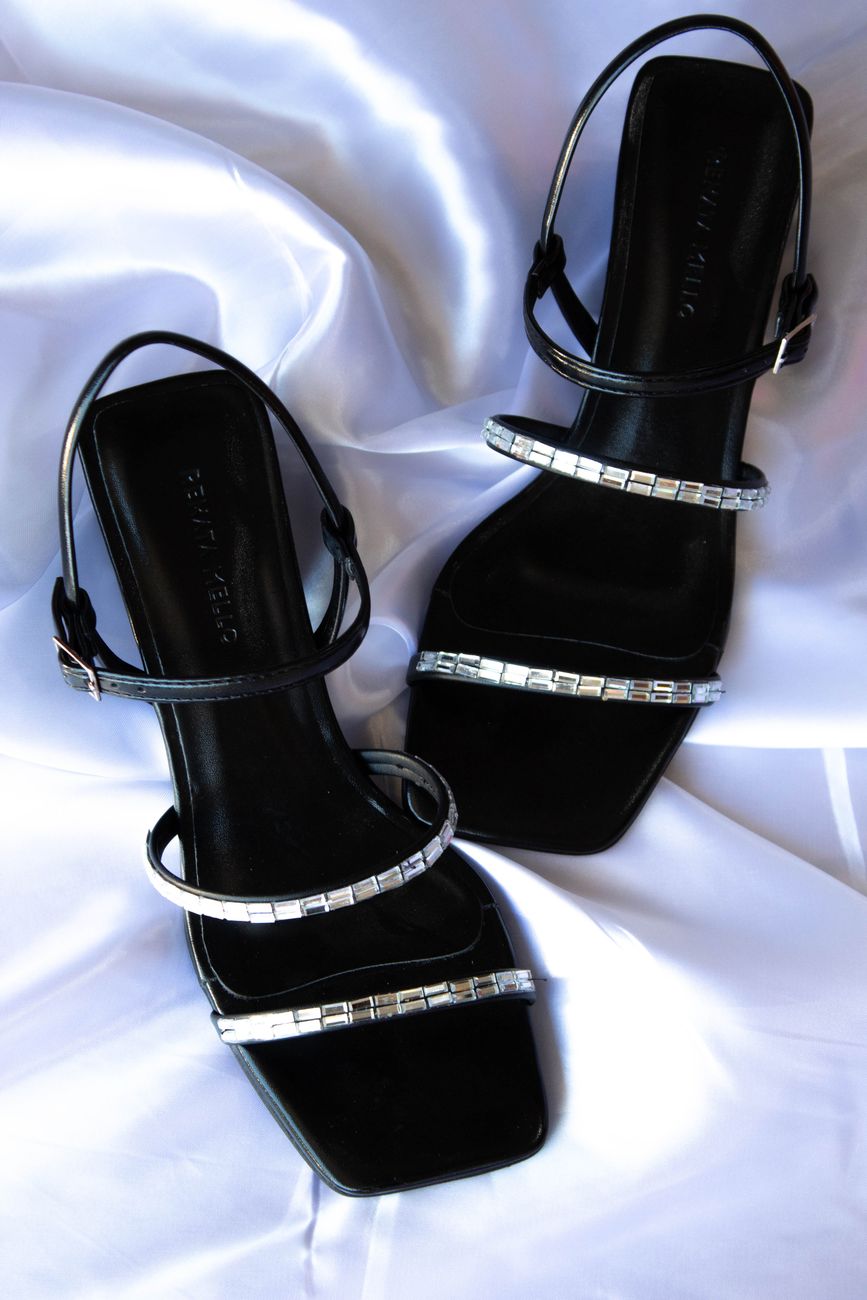
The square toe spent decades coded as corporate, practical, professional. This season, it infiltrated cocktail territory with a vengeance. Satin square-toed mules and angular-front pumps now dominate evening dressing, bringing a sharp-edged confidence that pointed stilettos can no longer access. The message is clear: femininity doesn't require softness, and power dressing has left the office.
Gen Z Rejected the Male Gaze Entirely
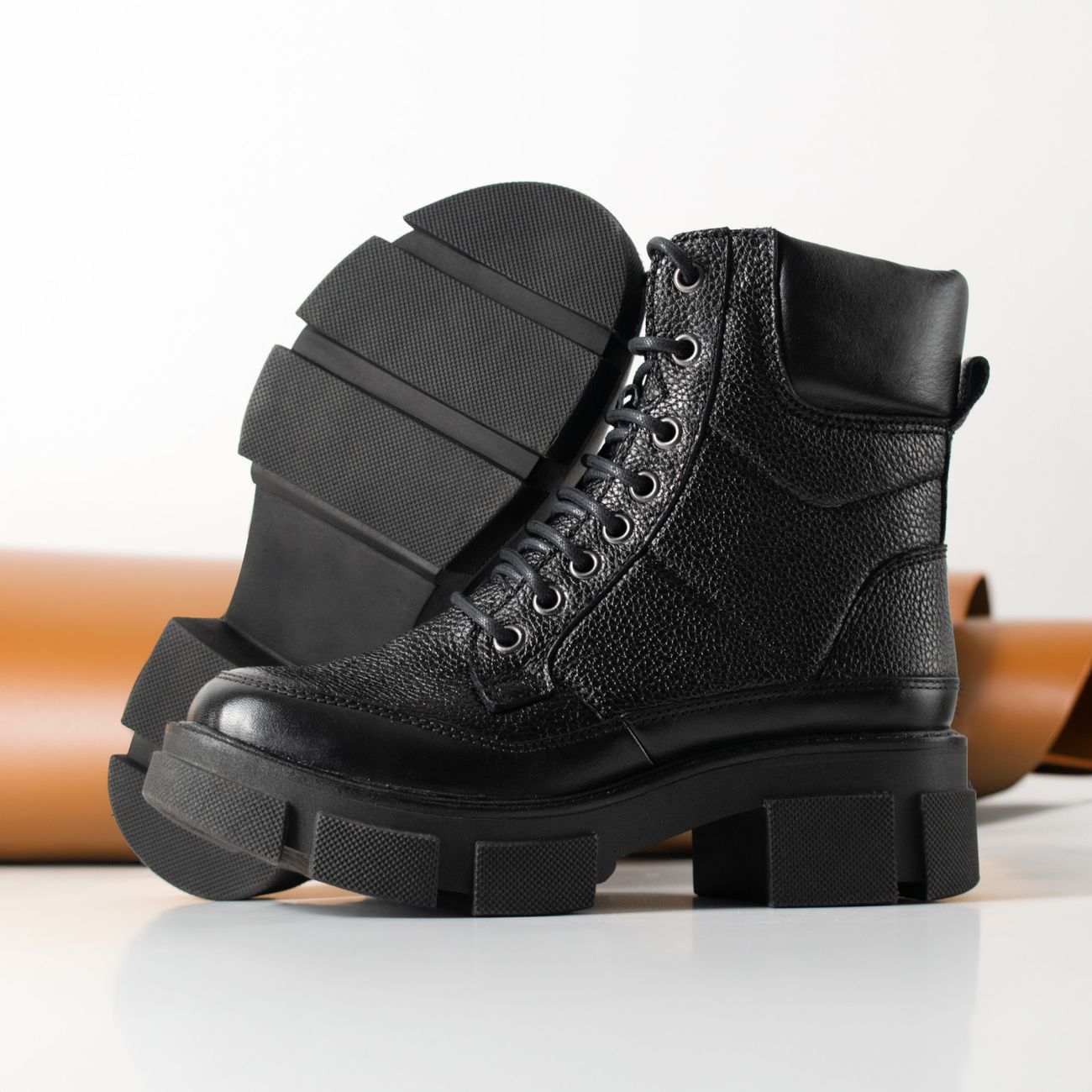
Younger consumers never developed loyalty to the pointed toe's leg-lengthening promises because they weren't interested in the premise. The square toe's refusal to flatter—its almost aggressive practicality—aligns with a generation that treats traditional beauty standards as optional. Platform square-toed boots and chunky angular loafers don't ask permission, and that's precisely the appeal.
Comfort Became the Ultimate Flex
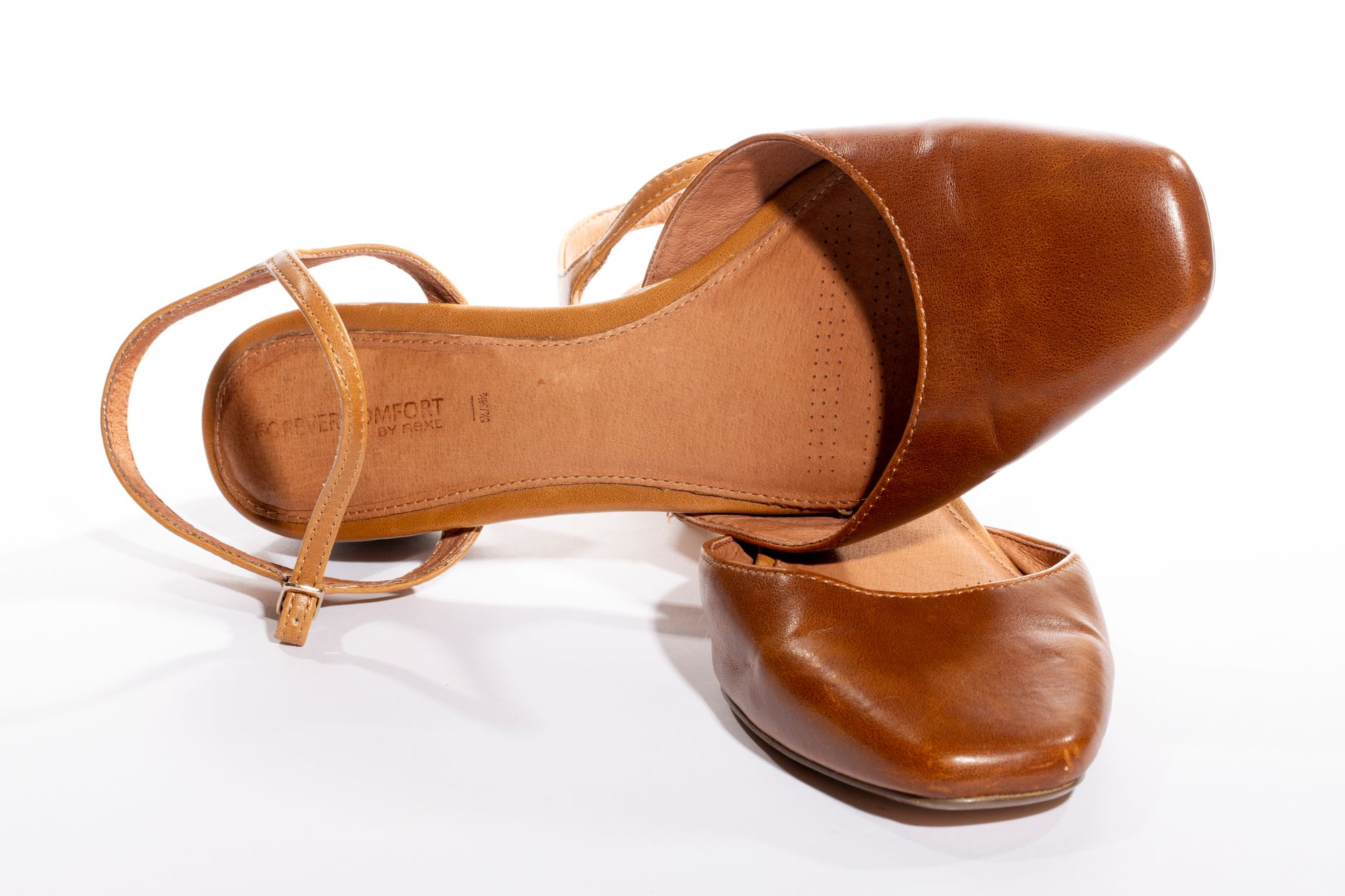
The pointed toe required sacrifice: cramped toes, pinched nerves, the physical toll of aesthetic aspiration. The square toe's roomier construction allows actual human feet to exist inside shoes, and that comfort has been reframed as sophistication rather than compromise. In a post-athleisure world, suffering for style reads as outdated, while the square toe suggests you're important enough to prioritize function.

Resale Data Confirmed the Pointed Toe's Collapse
Luxury resale platforms report pointed-toe inventory moving at 40% slower rates than square-toed equivalents, with deeper discounts required to clear stock. Even archival Manolo Blahniks and Jimmy Choos—once resale gold—sit longer when the toe tapers. The market has rendered its verdict: angular is ascendant, and the point has lost its edge in every sense that matters.