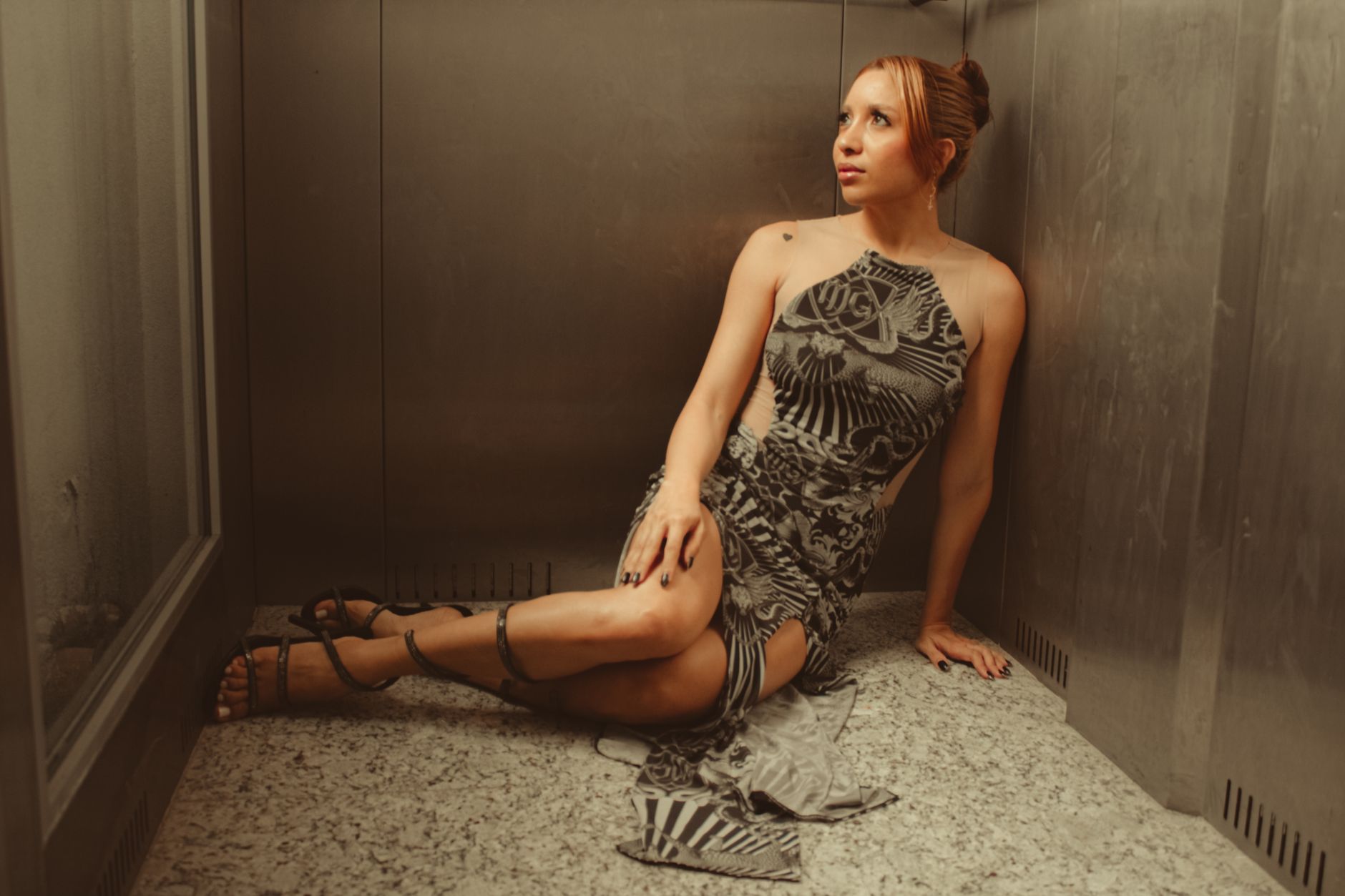
Three years ago, skirts over pants signaled that you understood the references—Prada Spring 2005, Margiela's deconstruction years, the entire Céline-era vocabulary of sophisticated wrongness. It was a flex that required confidence and a working knowledge of fashion's academic period. Now it's in Zara's weekly drop, styled with the same thoughtlessness as a denim jacket over a hoodie.
The collapse happened quietly, without an obituary or a trend cycle autopsy. What once felt like a deliberate disruption of silhouette—a gesture that questioned where one garment ends and another begins—has been domesticated into an outfit formula. When the confrontation disappears, so does the point. Here's how fashion's most intellectual layering move became just another thing people wear.
Fast Fashion Translated It Into Formula
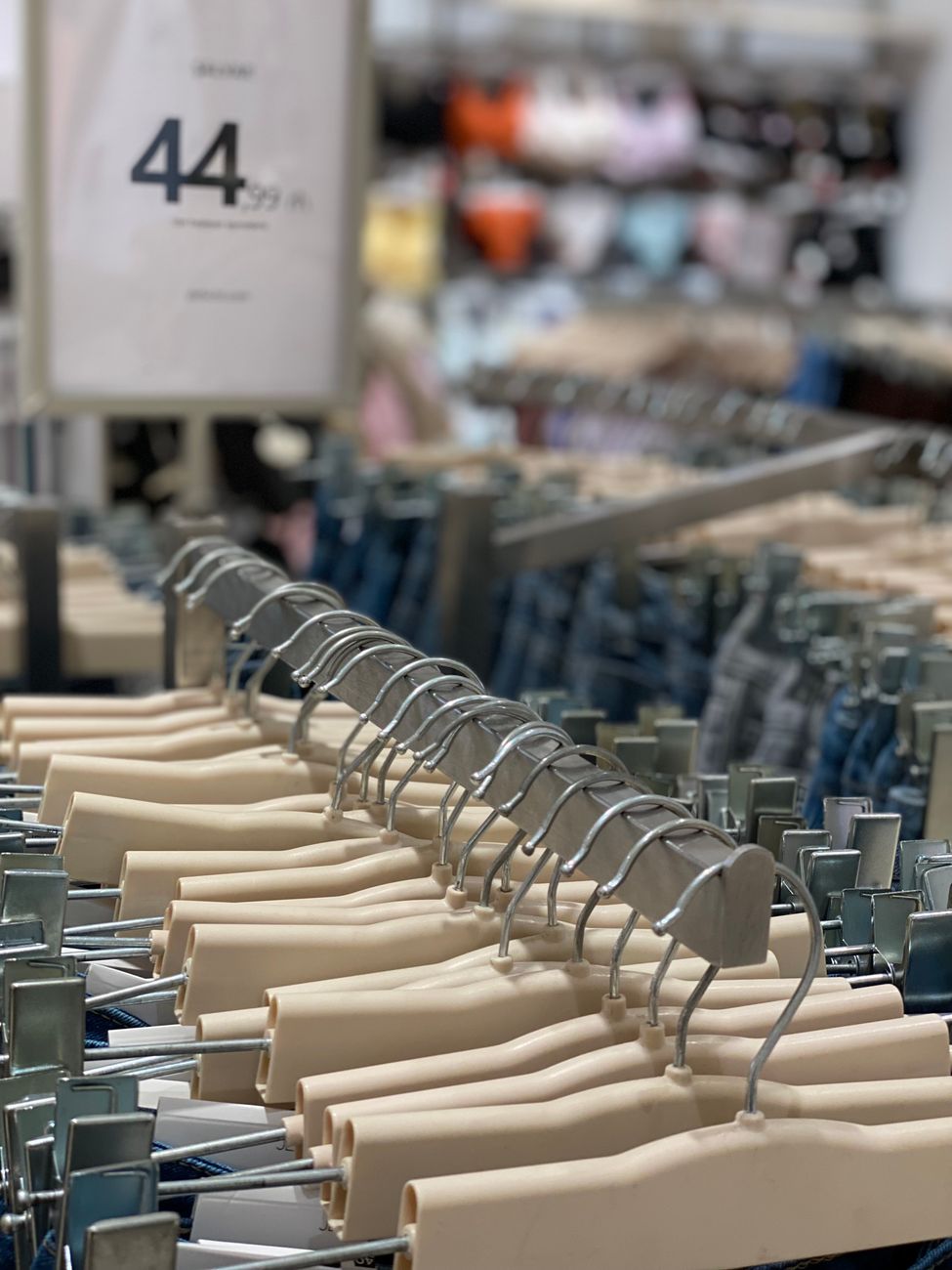
When H&M started selling pre-coordinated skirt-pant sets in August 2023, the conversation ended. What Miuccia Prada proposed as a question about garment hierarchy became an answer you could buy for $49.99, complete with styling suggestions on the product page. The intellectual provocation disappeared the moment it required zero effort, zero interpretation, zero risk. Now it's just volume—a way to add visual interest without adding thought.

Instagram Turned Disruption Into Decoration
The look photographed well, which killed it. Every mid-tier influencer discovered that skirts over pants delivered algorithmic gold—visually distinct enough to stop the scroll, accessible enough not to alienate followers who shop at Target. When a styling trick becomes a content strategy, it stops being a statement. It becomes a backdrop for engagement metrics, repeated until it's invisible.
The Proportions Got Predictable
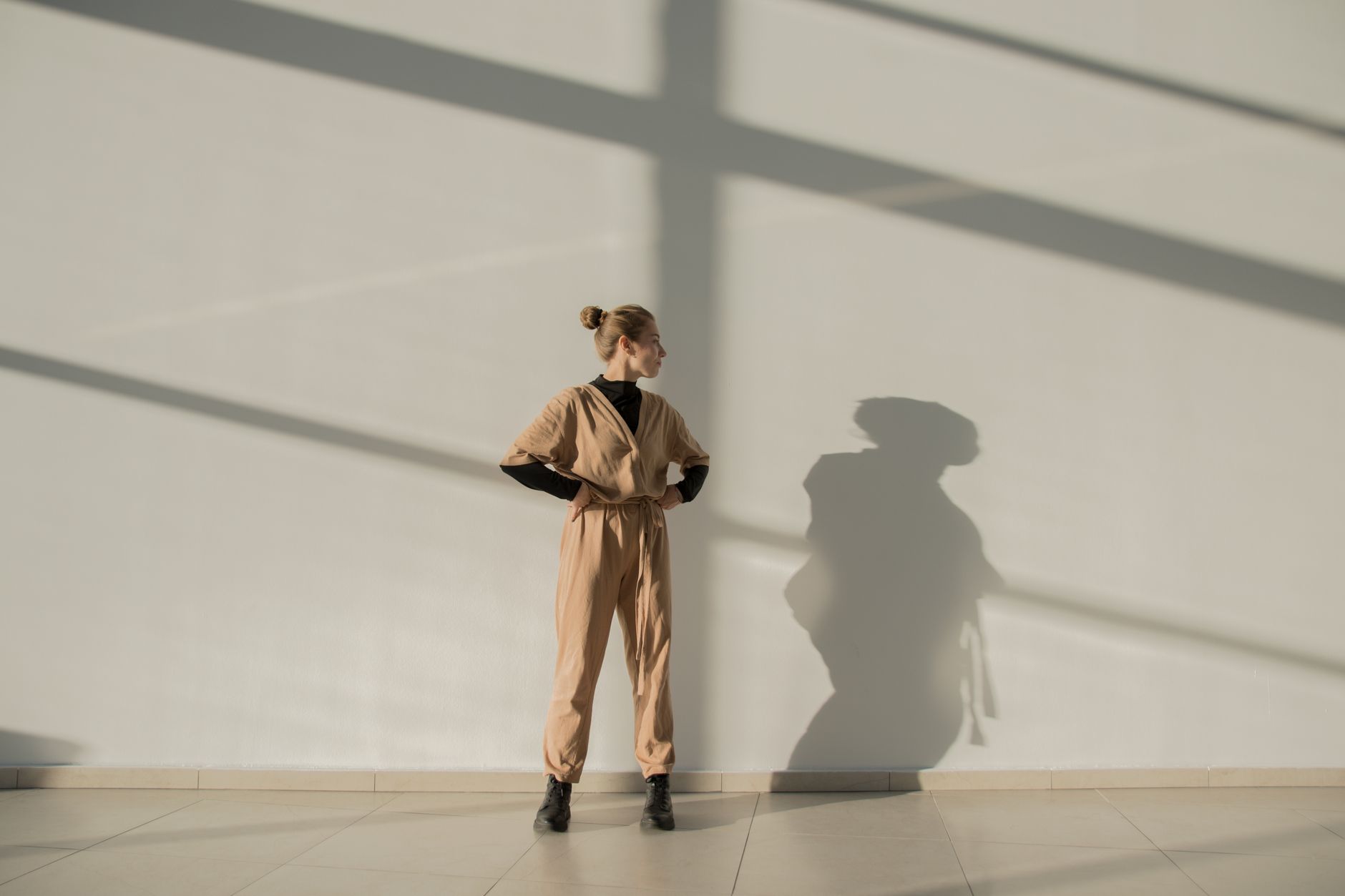
Early iterations played with discord—long over short, structured over fluid, evening over casual. Now everyone defaults to the same safe ratio: midi slip skirt over straight-leg trousers, always in tonal neutrals. The uniformity is the problem. When a technique designed to destabilize proportion becomes a recipe, it's no longer doing conceptual work. It's just modest dressing with extra steps.

Corporate Adopted It As Office-Appropriate
The final indignity: HR approved it. Fashion's experimental layering found its way into «business casual» territory, recommended by workplace style guides as a way to "add personality" without breaking dress codes. When your most subversive styling move gets a thumbs-up from middle management, it's over. Disruption can't survive bureaucratic acceptance.
The Discourse Moved to Stranger Hybrids
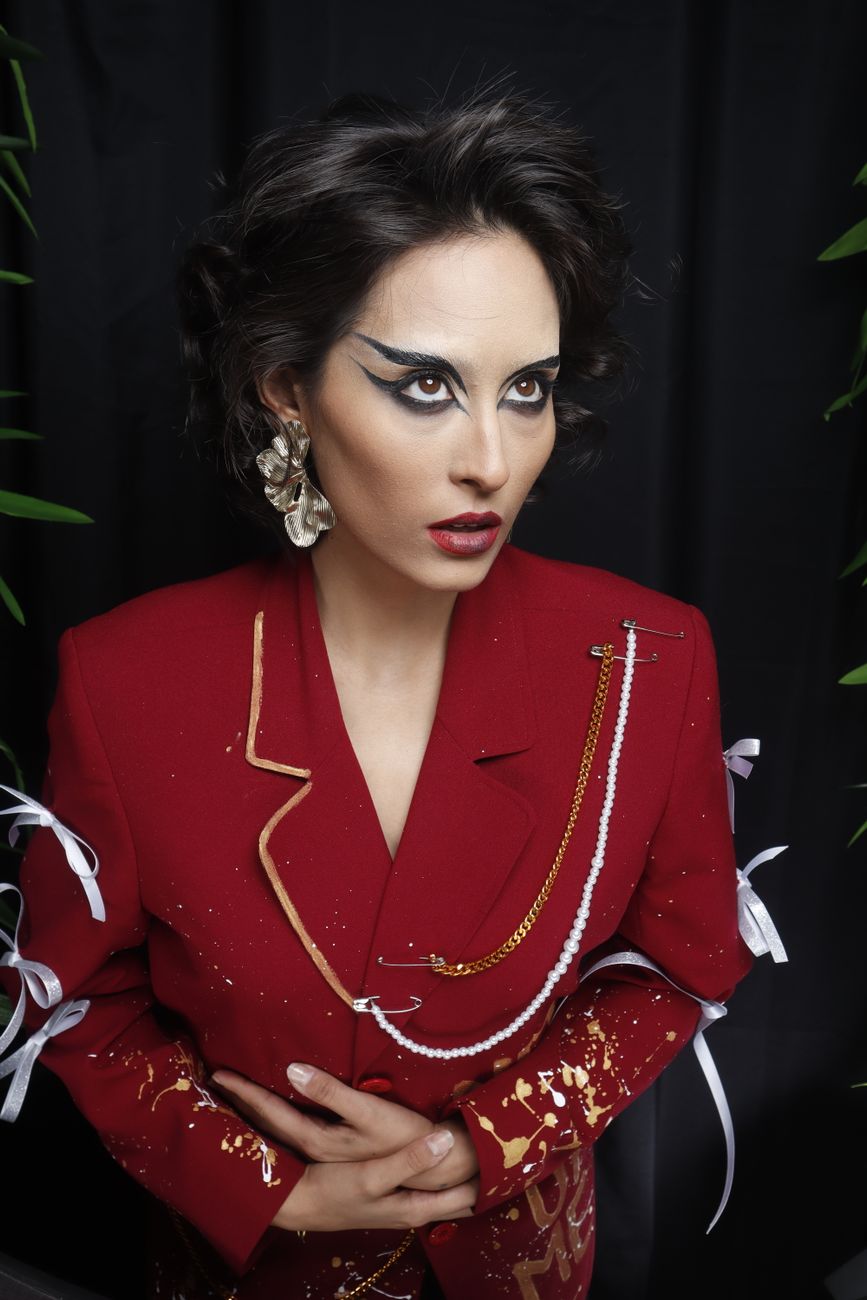
Fashion's vanguard has already moved on to more confrontational territory—dresses worn as coats, trousers split and reconstructed as skirts, intentionally visible shapewear as outerwear. These feel genuinely uncomfortable, both physically and conceptually, which is the point. Skirts over pants no longer provoke because they no longer confuse. And confusion, not polish, is where fashion's intellectual work actually happens.