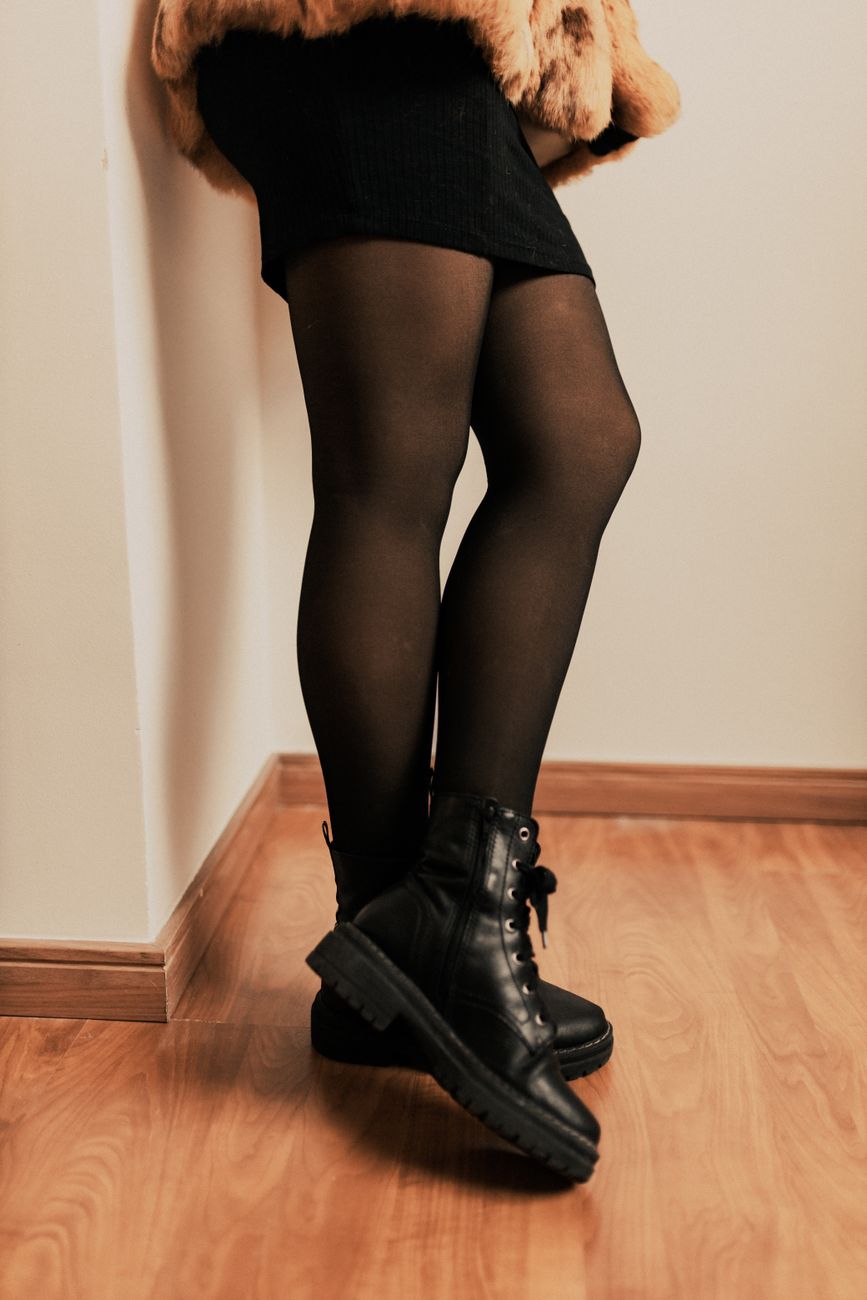
Walk into any department store and the hosiery section tells a story of silent elimination. Where there were once walls of beige, taupe, and "suntan" shades graduated by undertone, now there's black. Maybe one lonely package of "nude" that works for exactly nobody. The variety has been edited down to a single choice, and it happened so gradually that most women didn't notice until they needed something other than opaque black and discovered the cupboard was bare.
This isn't about preference. It's about inventory decisions made upstream that fundamentally changed what women can buy. The hosiery collapse mirrors a larger story about how the middle market disappeared, how fast fashion killed variety, and how one aesthetic preference became the only option on the shelf.

Department Stores Cut SKUs, Black Survived
Retail consolidation killed selection first. As department stores shrank their footprints and physical locations, hosiery—a low-margin category—got sacrificed. Buyers cut SKUs ruthlessly, and black had the numbers. It sold consistently across demographics, didn't require shade-matching, and didn't yellow in inventory. Colored and nude tights, which required more SKUs to serve diverse skin tones and seasonal trends, became mathematically indefensible. The invisible hand of retail optimization made one choice for everyone.

Fast Fashion Flattened the Spectrum
When Zara and H&M became wardrobe staples, they brought a European aesthetic that favored stark black tights over American-style nude hosiery. Their model required global inventory that moved fast—black worked everywhere, required no localization, and matched their monochrome minimalism. As these retailers trained a generation to dress a certain way, they also trained them what to expect in stores. The nude tight, once a professional staple, became a relic of a previous aesthetic era that simply stopped being stocked.
The Athleisure Swap Made Hosiery Irrelevant
Leggings didn't just replace dress pants—they replaced the entire concept of wearing something under your clothes. Why buy tights when you can wear technical fabric that does triple duty as pants, warmth layer, and athleisure statement? The sports brands offered endless colors, prints, and deniers while hosiery brands stood still. Women who once bought seasonal tights now buy seasonal leggings, and the hosiery industry watched its customer base migrate to a category that innovated while they consolidated.
Inclusivity Exposed the Nude Lie
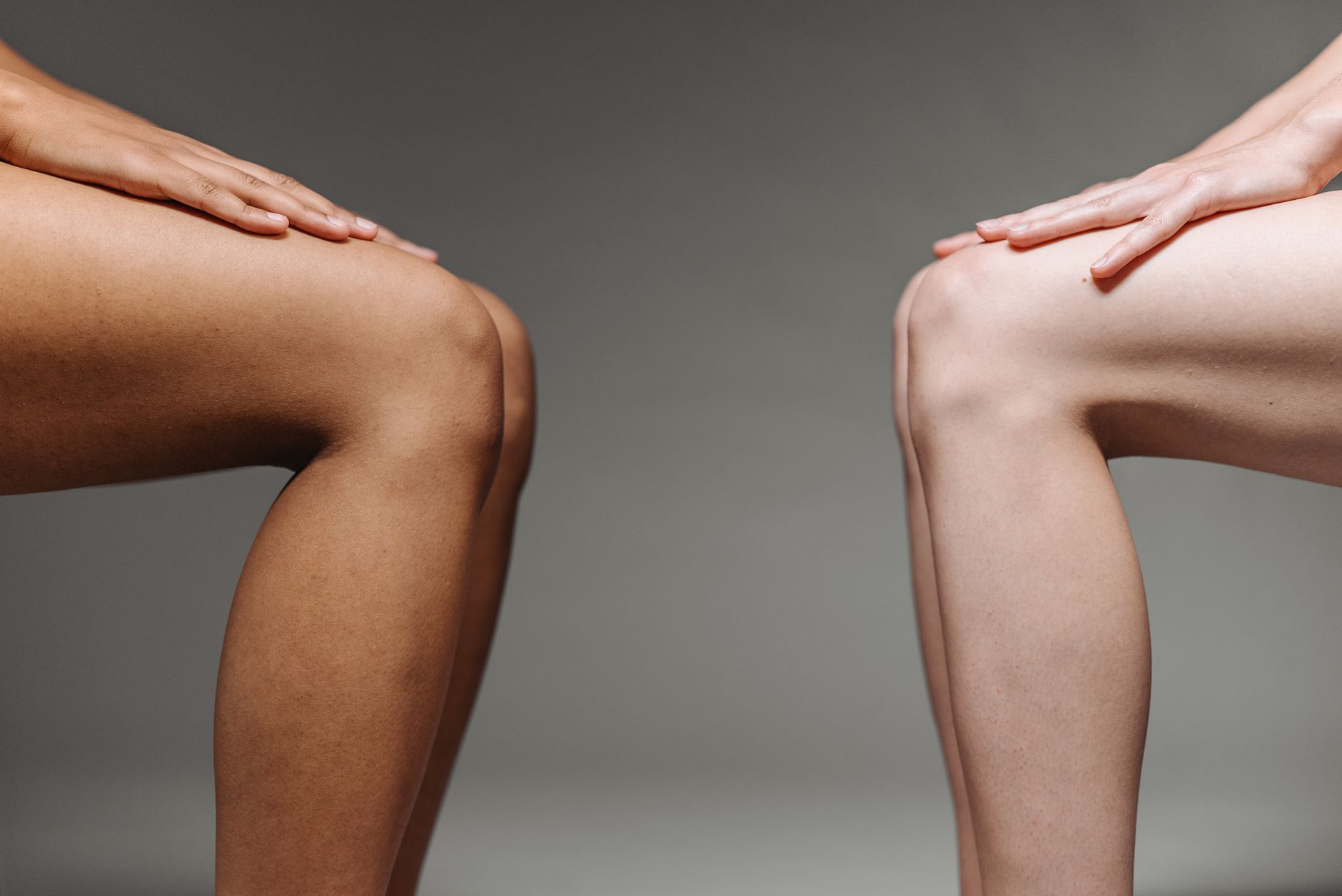
The reckoning around "nude" shades revealed that hosiery brands had been serving a narrow definition of normal for decades. When called out, most legacy brands couldn't scale an inclusive shade range—the margins didn't support it, and their supply chains couldn't adapt. Rather than invest in true diversity, retailers quietly reduced the category entirely. Black became the inadvertent equalizer, not because it serves everyone, but because it requires no one to admit who they'd been excluding. It's easier to stock one color than to stock twelve properly.

Bare Legs Became the Professional Default
Dress codes relaxed, and somewhere between 2015 and 2020, bare legs in professional settings stopped registering as inappropriate. What began as a tech-industry casual drift became mainstream corporate policy during pandemic flexibility. When everyone returned to offices, the expectation to wear hosiery simply didn't return with them. The social contract that required covered legs dissolved, and with it, the everyday demand that kept the hosiery category viable. Black tights remain because they're fashion, not obligation—everything else was just compliance.