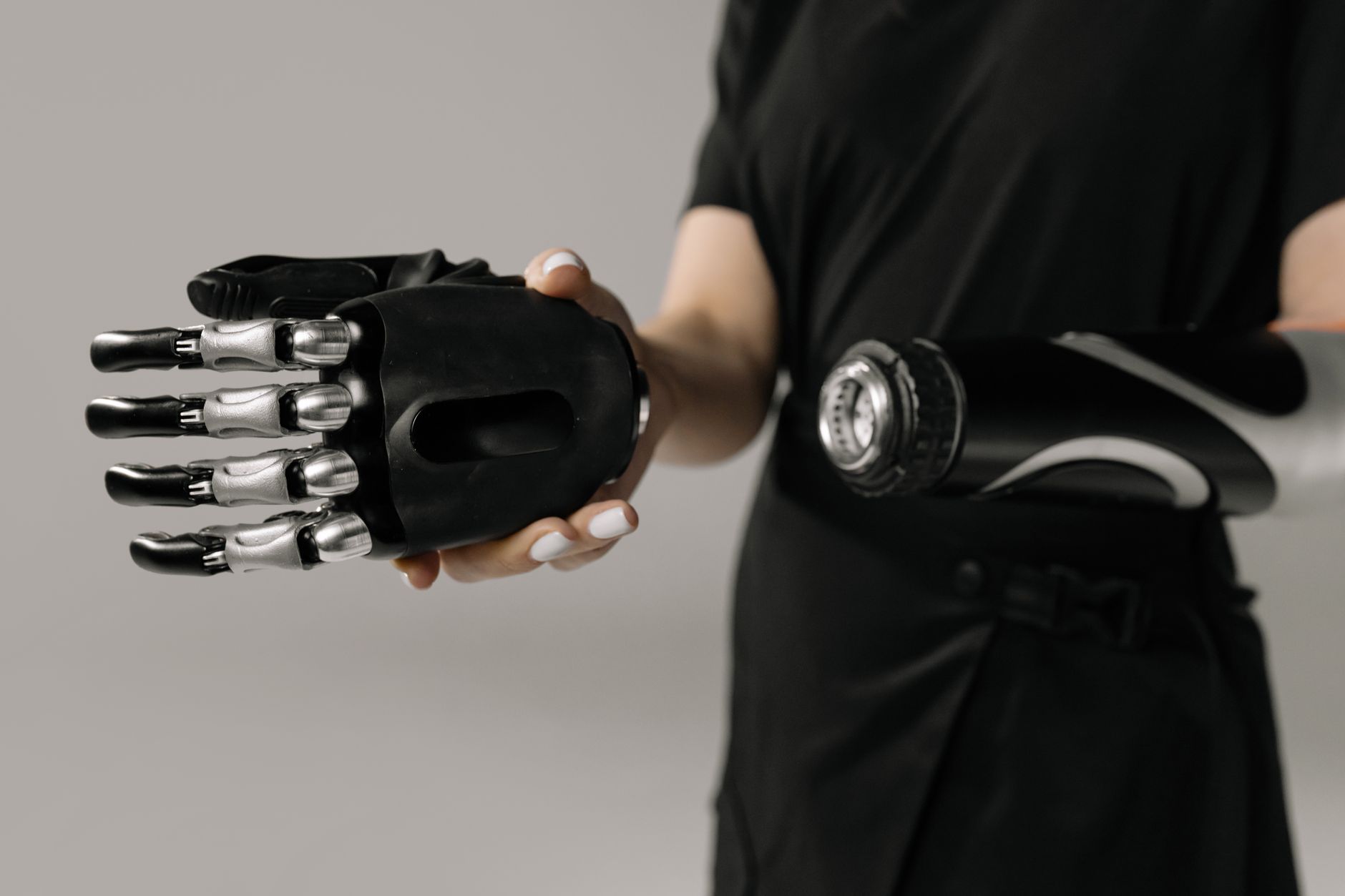
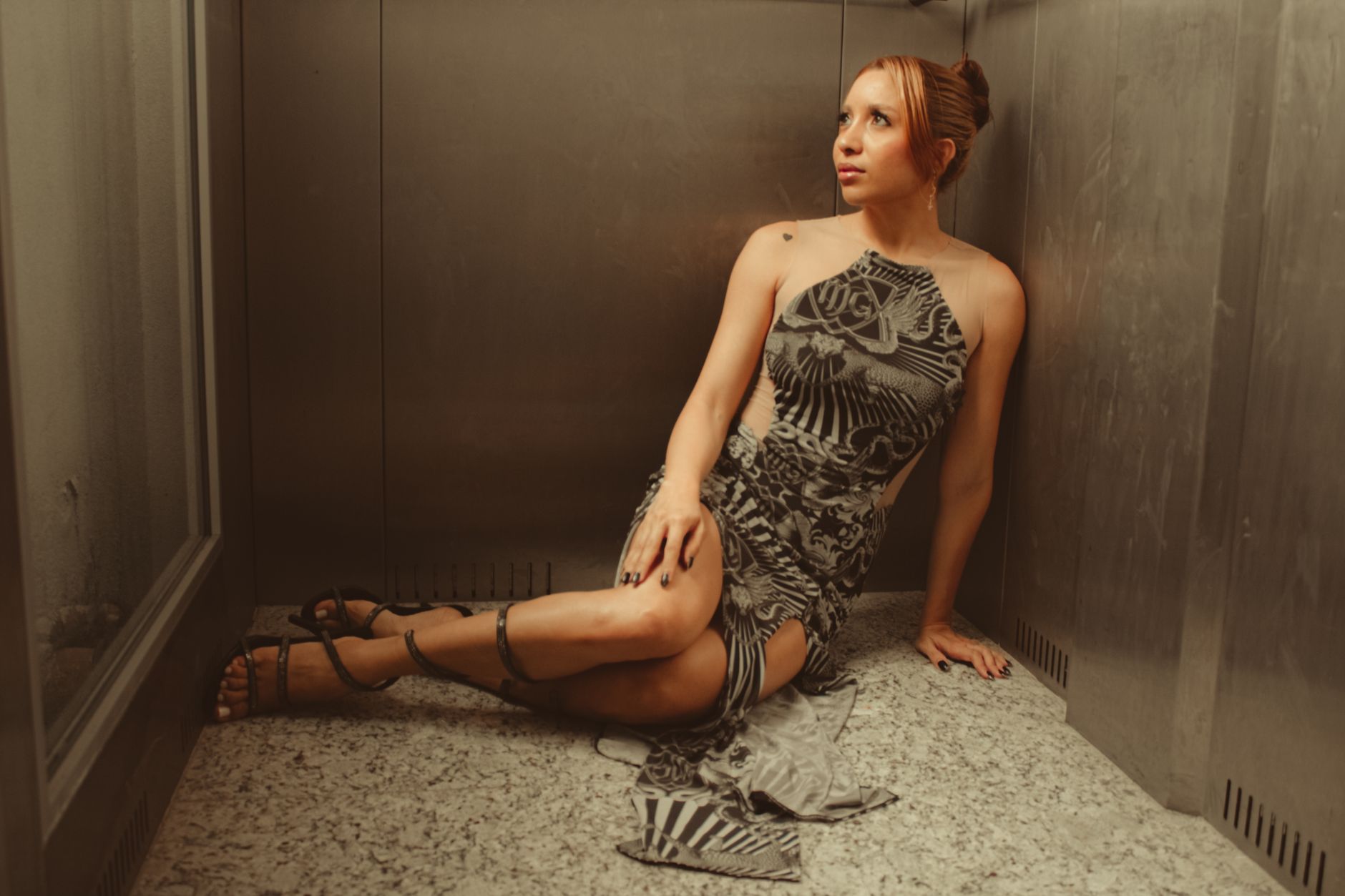
The graphic tee used to scream. Band logos, ironic slogans, vintage bootlegs—your chest was a billboard for your entire personality. Now? The most covetable tees in circulation say absolutely nothing. Blank fronts, erased logos, ghosted graphics that barely register. What used to feel lazy now reads as luxury.
This isn't minimalism's tired comeback. It's exhaustion with performing your identity through text, a rejection of algorithmic obviousness, and—perhaps most critically—a shift in how we signal taste. When everyone can print anything, the refusal to print becomes the flex. Here's how silence got louder than any slogan ever could.

The Logo Went Ghost Mode
Embossed, tonal, nearly invisible—logos are still there, just barely. The Row pioneered this whisper-branding years ago, but now it's everywhere from Entireworld to Sunspel. You have to be close enough to touch the garment to confirm what you're looking at, which is exactly the point. Legibility is for people who need validation from strangers.
Vintage Blanks Beat Vintage Graphics
The Depop economy has flipped. Sellers are now listing '90s blanks—plain Hanes, Fruit of the Loom three-packs, unprinted deadstock—for more than their graphic counterparts. The appeal isn't nostalgia for a specific moment; it's the openness of a shirt that never tried to tell you who to be. Pre-faded, pre-softened, but never pre-programmed.
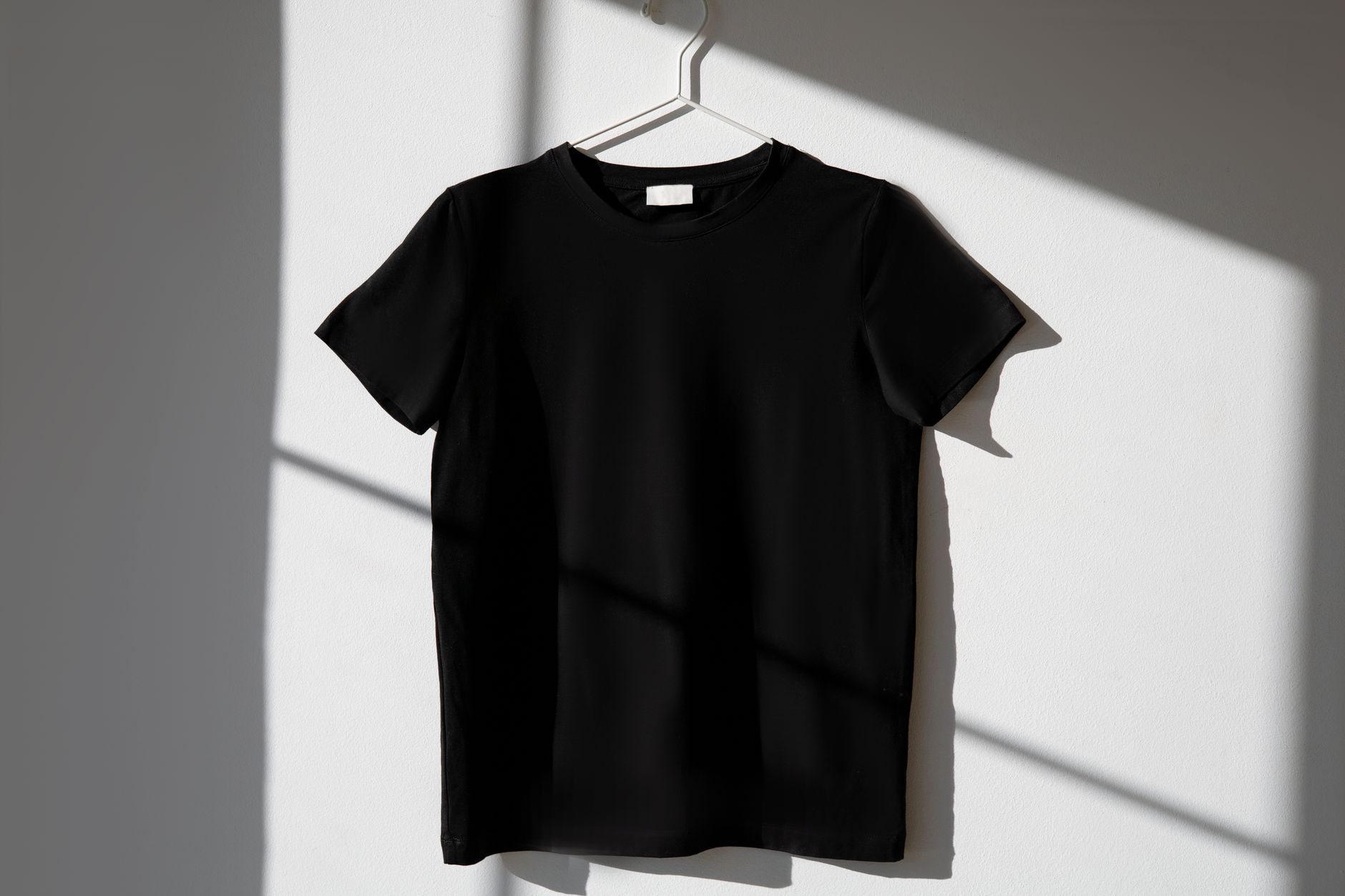
Anti-Merch Merch Is Selling Out
Musicians and artists are releasing tour merch with no tour dates, album covers with no album art, brand collaborations with no branding. When Phoebe Bridgers dropped a collection of blank-front tees in her signature colors, they moved faster than any lyric print ever did. The message: if you know, you know. If you don't, that's fine too.
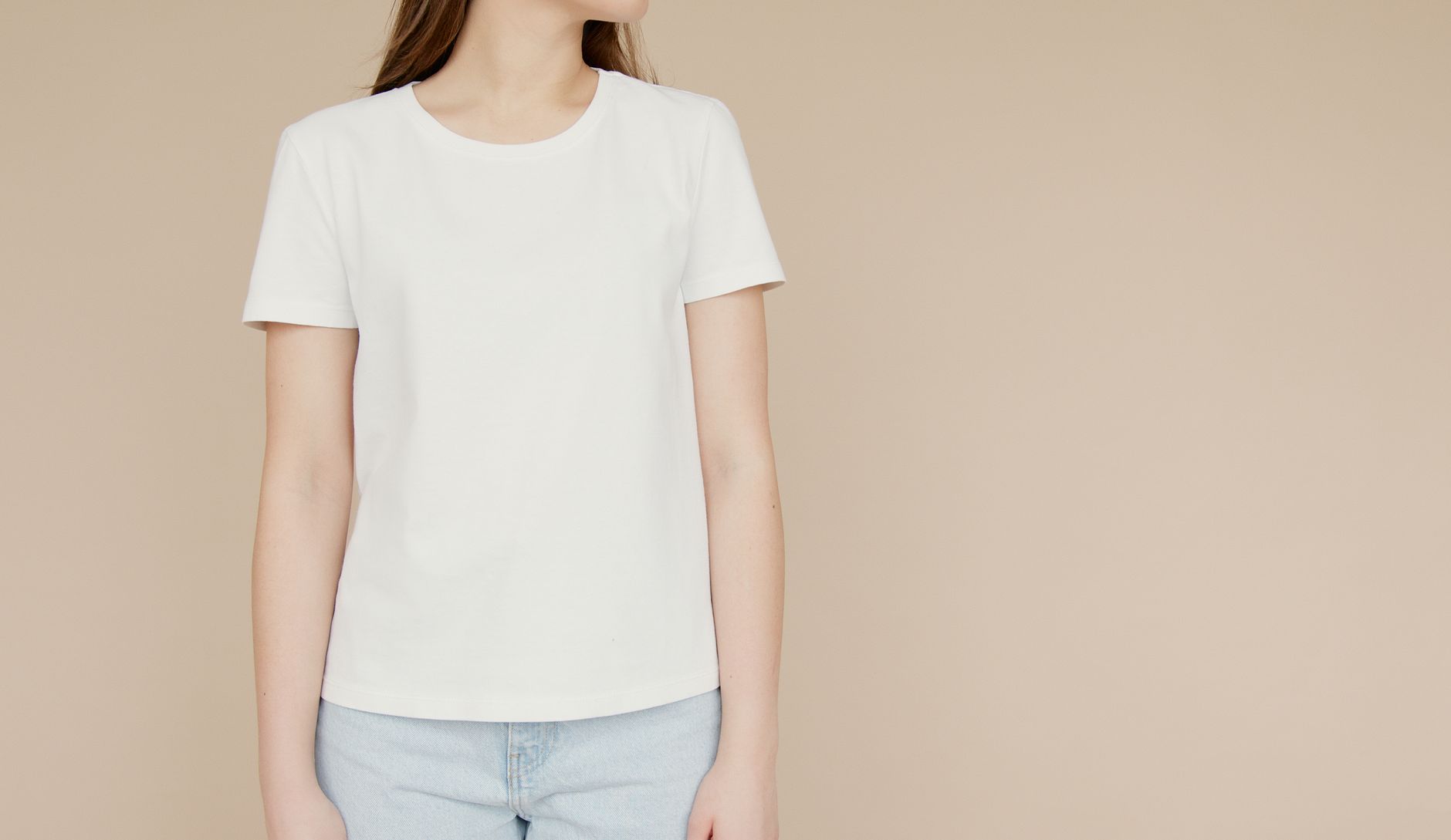
The Irony T-Shirt Died of Cringe
Remember when a tee with a funny slogan felt subversive? Now it feels like content farming IRL. The cultural moment has turned against trying too hard to be clever on your torso. A blank tee doesn't beg for engagement, doesn't ask to be photographed, doesn't need you to get the reference. It just exists, which in 2025, feels like the most radical position available.
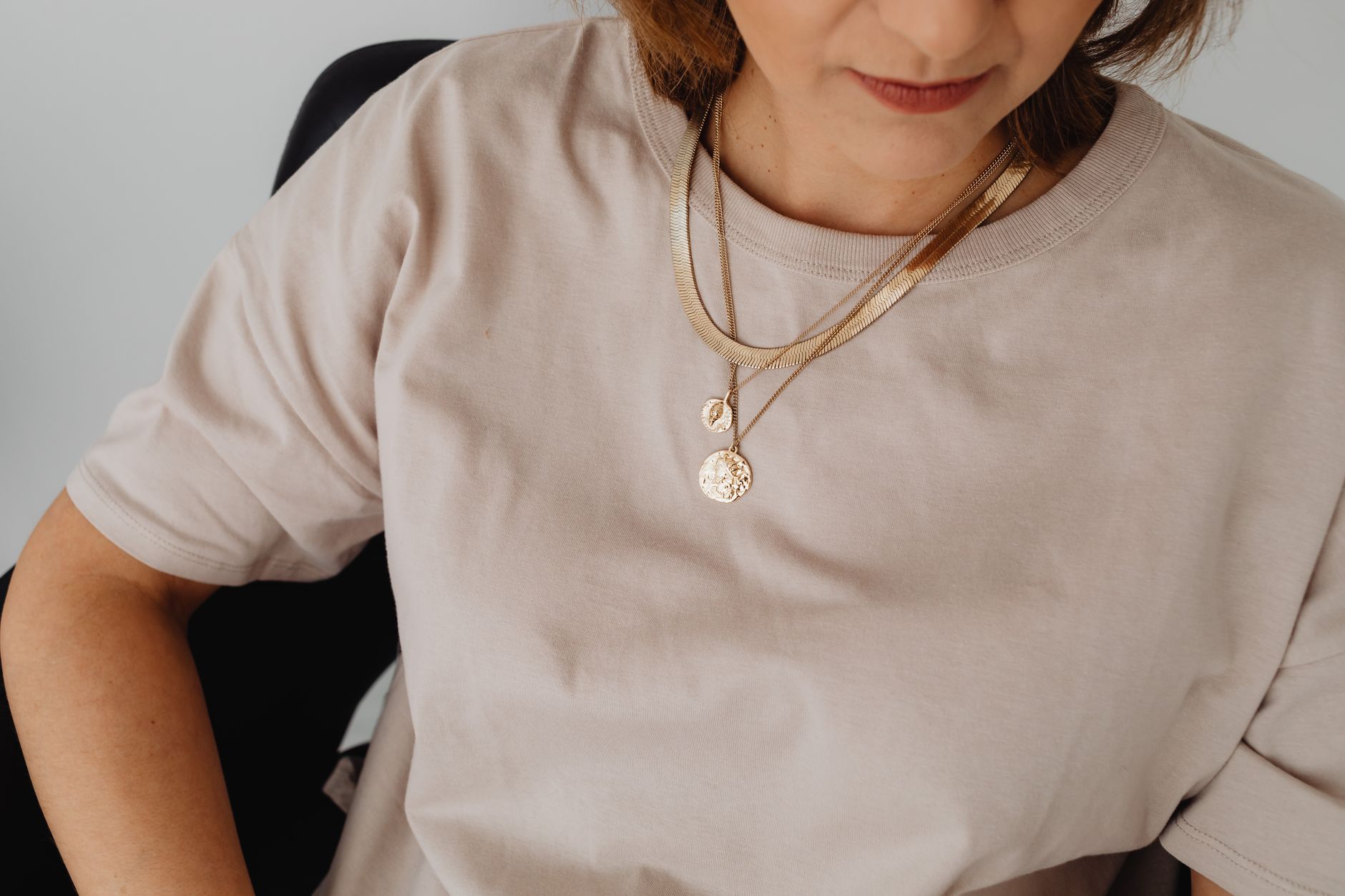
Blank Is the New Busy
In a landscape where everyone's feeds look identical and every brand voice sounds the same, blankness registers as visual relief. It's not about having nothing to say—it's about refusing to compete in a volume war you can't win. The people wearing blank tees aren't quiet. They're just done shouting into the void and expecting an echo.