Somewhere between the Bermuda short's country club origins and the bike short's athleisure imprisonment, the blazer-and-shorts pairing evolved from ironic street style bait into something far more consequential: a legitimate uniform. Not a trend piece. Not a beach-to-boardroom fantasy. An actual way of dressing that communicates both capability and refusal to perform outdated ideas about what seriousness looks like.
The shift happened quietly, without manifestos or runway moments demanding attention. Tailored shorts paired with structured blazers simply started appearing on people whose taste you trust—the ones who abandoned skinny jeans before you did, who understood Birkenstock's appeal before the resurgence. This is dressing for a world where formality still matters but performative suffering doesn't, where showing your legs doesn't compromise your standing in the room.
The Tailored Short Finally Found Its Context
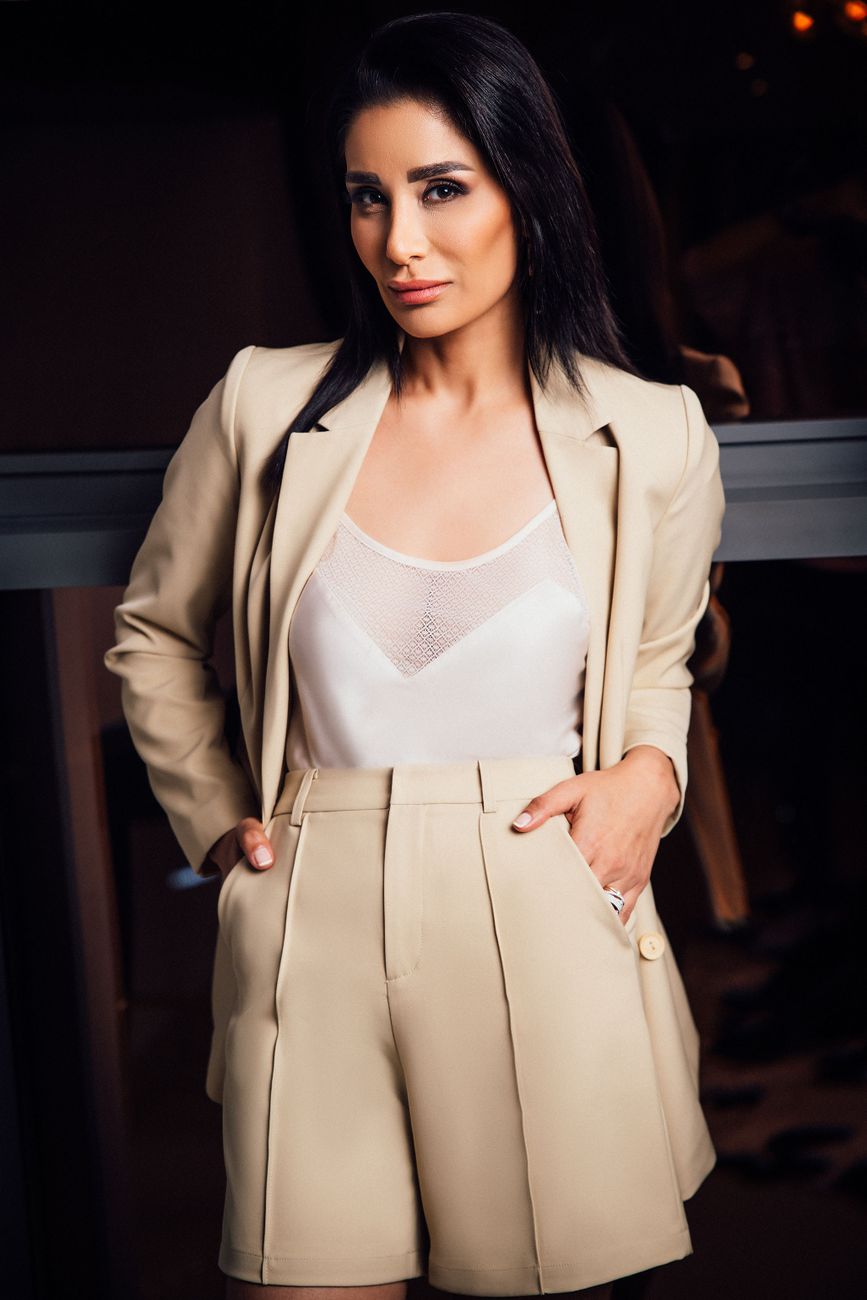
For years, the tailored short existed in a style vacuum—too formal for casual contexts, too casual for formal ones. The blazer solved that problem by providing the visual anchor the piece always needed. When you pair structure on top with structure on bottom, proportion becomes architecture rather than guesswork, and suddenly the outfit reads as intentional rather than confused.

Bare Legs Became a Power Move, Not a Compromise
The cultural recalibration happened when exposed legs stopped signaling informality and started signaling something closer to liberation from needless rules. There's authority in choosing comfort without sacrificing polish, in rejecting the notion that credibility requires physical discomfort. The bare leg isn't a concession to heat or trend—it's a deliberate aesthetic choice that happens to align with how people actually want to move through the world.
The Proportions Work Because They Contradict
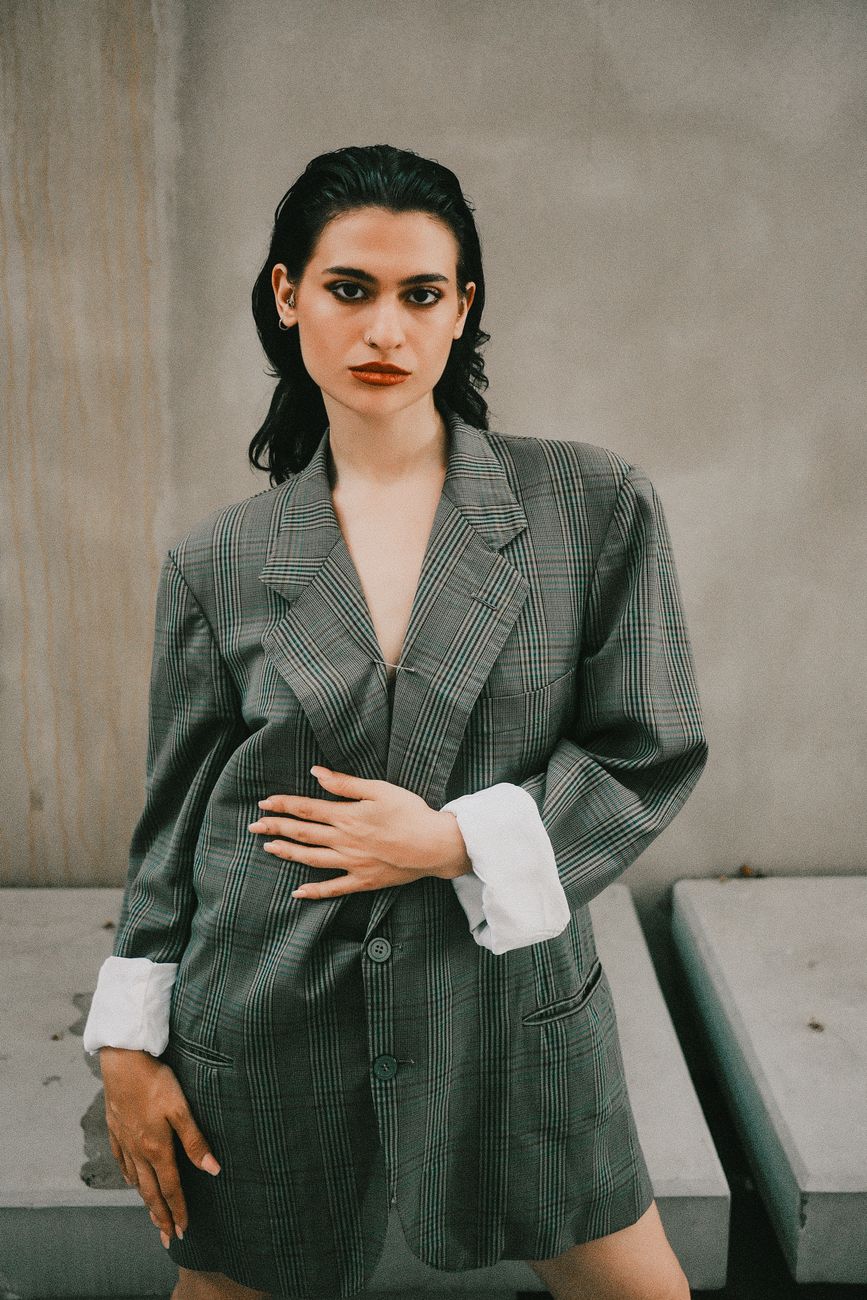
The silhouette succeeds on tension: volume on top, brevity on bottom, or vice versa. An oversized blazer gains purpose when it's counterbalanced by the clean line of a tailored short hitting just above the knee. The proportion game that makes this uniform compelling is the same mathematics that made the boyfriend jean and structured top combination work—contrast creates visual interest where matching fabrications would flatten into monotony.
It Killed the Dress as Default Warm-Weather Formal
The dress held its position as the obvious solution to warm-weather dressing for decades largely because nothing challenged it. The blazer-and-shorts combination offers equivalent formality with different geometry, and for many people, that geometry simply works better. It's not about rejecting dresses—it's about expanding the vocabulary of what sophisticated warm-weather dressing can look like beyond a single, unchallenged silhouette.
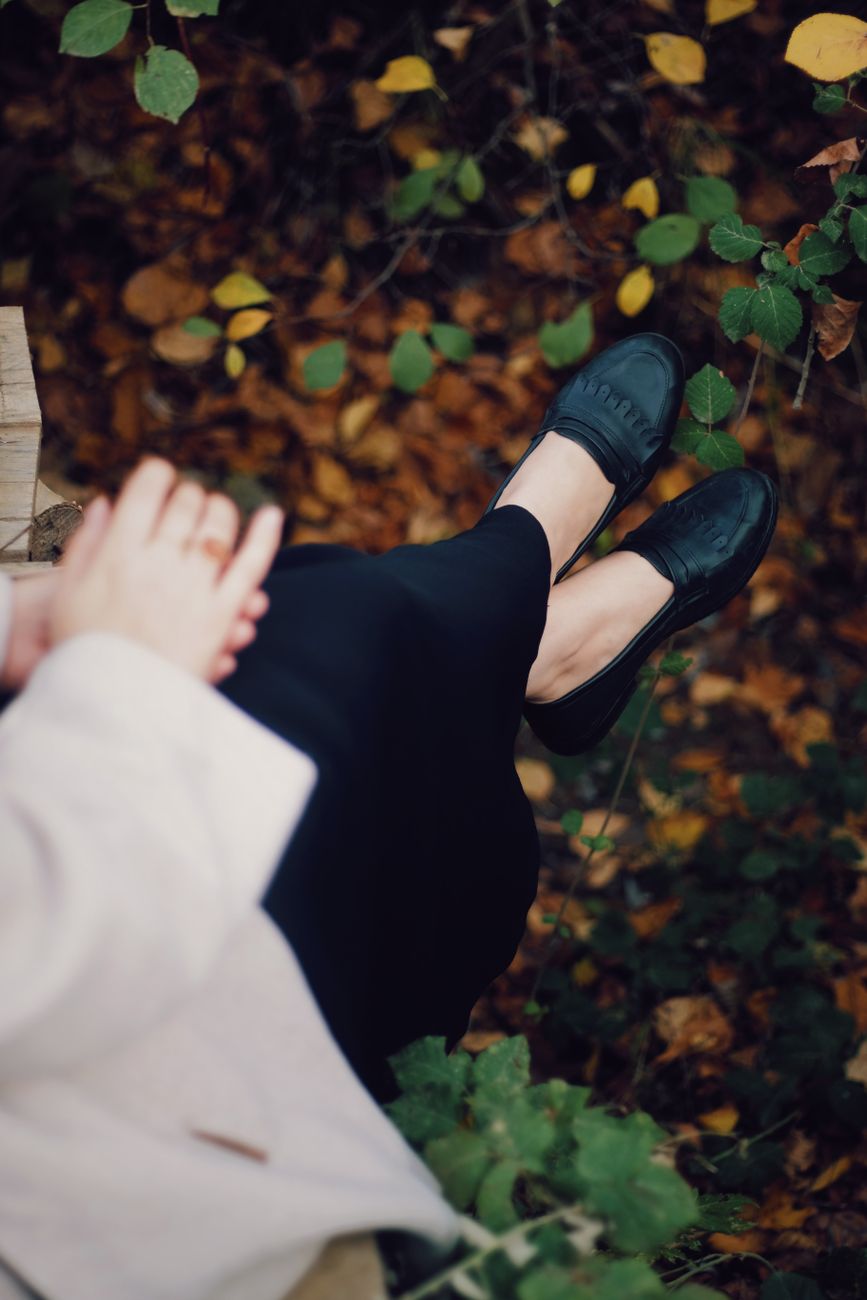
Footwear Makes or Breaks the Entire Proposition
The wrong shoe selection turns this uniform into a costume; the right one makes it look like you've been dressing this way for years. Loafers, slides, and minimalist sandals work because they honour the outfit's casual-formal duality without tipping too far in either direction. Heels try too hard. Sneakers try too little. The sweet spot is footwear that looks considered but not laboured, permanent but not precious.
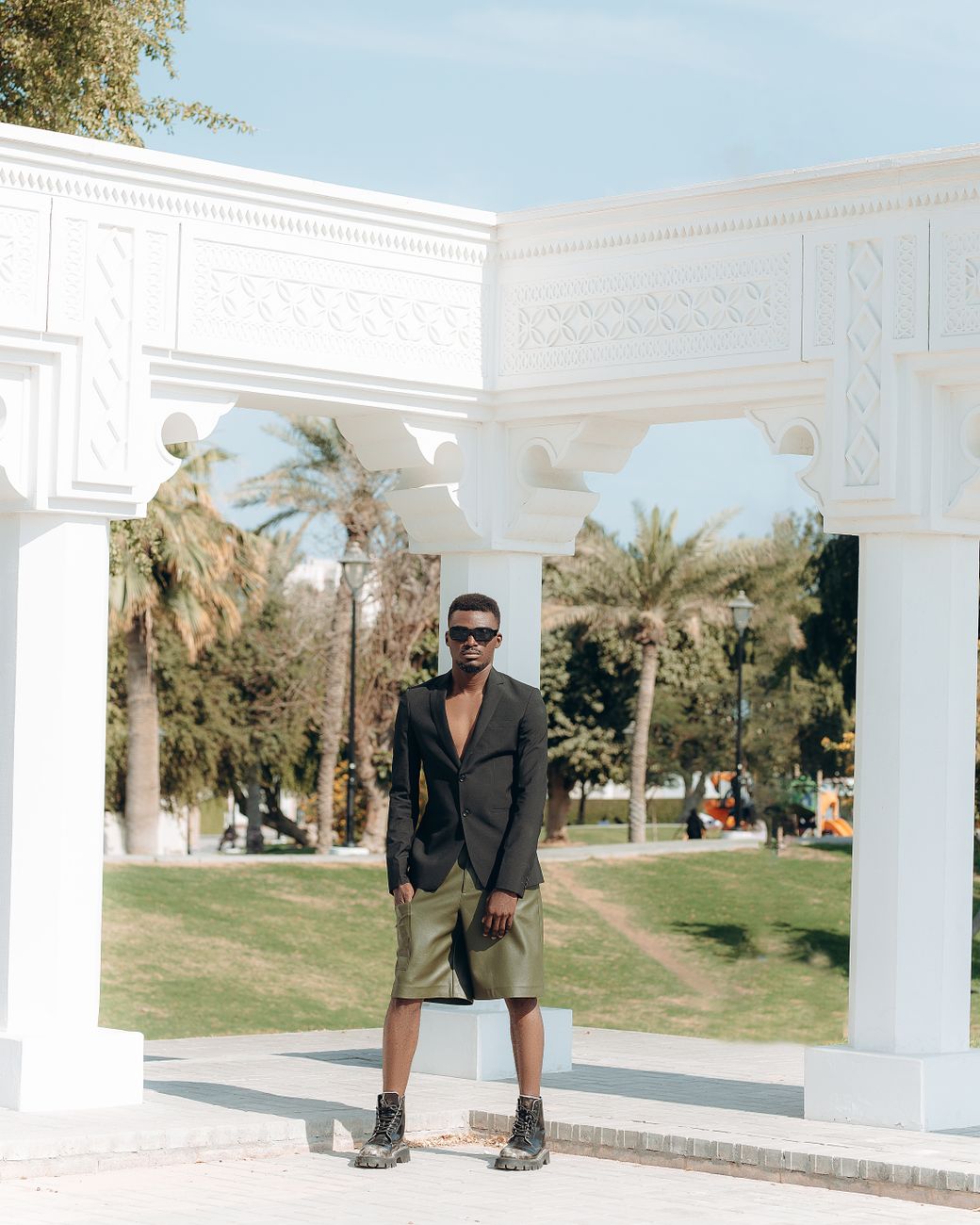
Men Adopted It Faster Than Expected
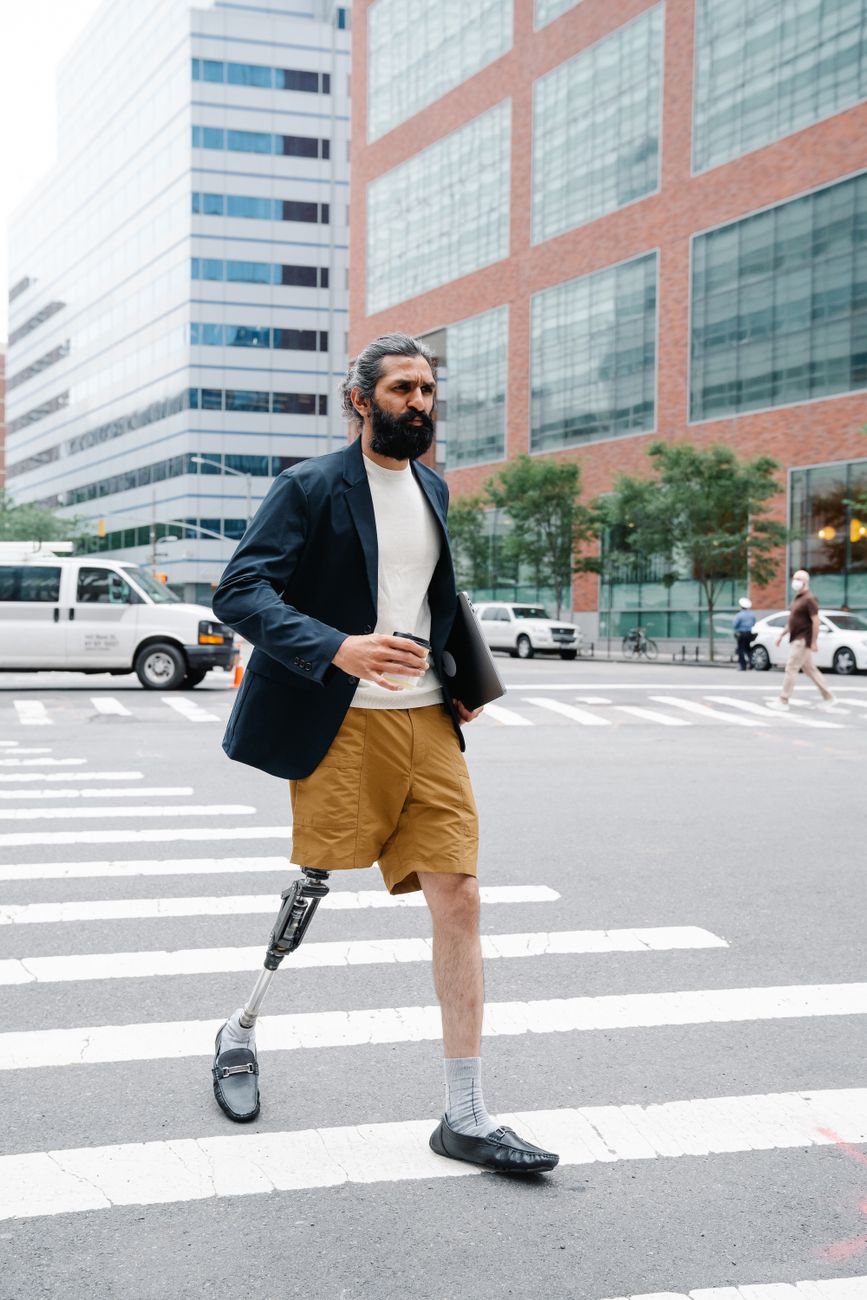
While women have more historical fluency with shorts in semi-formal contexts, men latched onto the blazer-and-shorts uniform with surprising speed—particularly in cities where summer heat makes traditional suiting unbearable. The combination offered a template for looking put-together without the physical suffering, and men who'd been searching for warm-weather alternatives to chinos found an answer that didn't involve performance fabrics or tech-bro aesthetics.

The Office Didn't Reject It Because the Office Changed
This uniform gained traction partially because workplace dress codes loosened, but more significantly because the definition of professional appearance shifted away from rigid rules toward demonstrated competence. When work became less about presenteeism and more about output, the logic for requiring covered legs evaporated. The blazer-and-shorts combination slipped into office environments because it met the actual requirements: looking intentional, capable, and like you understand context.

It's Not About Legs—It's About Refusing Unnecessary Rules
The deeper appeal of this uniform isn't anatomical—it's philosophical. Wearing tailored shorts with a blazer is a visible rejection of the idea that formality requires discomfort, that authority demands concealment, that seriousness has a specific hemline. People who've adopted this way of dressing aren't making a statement about their legs; they're making a statement about their relationship to conventions that stopped serving them.
- The Tailored Short Finally Found Its Context
- Bare Legs Became a Power Move, Not a Compromise
- The Proportions Work Because They Contradict
- It Killed the Dress as Default Warm-Weather Formal
- Footwear Makes or Breaks the Entire Proposition
- Men Adopted It Faster Than Expected
- The Office Didn't Reject It Because the Office Changed
- It's Not About Legs—It's About Refusing Unnecessary Rules