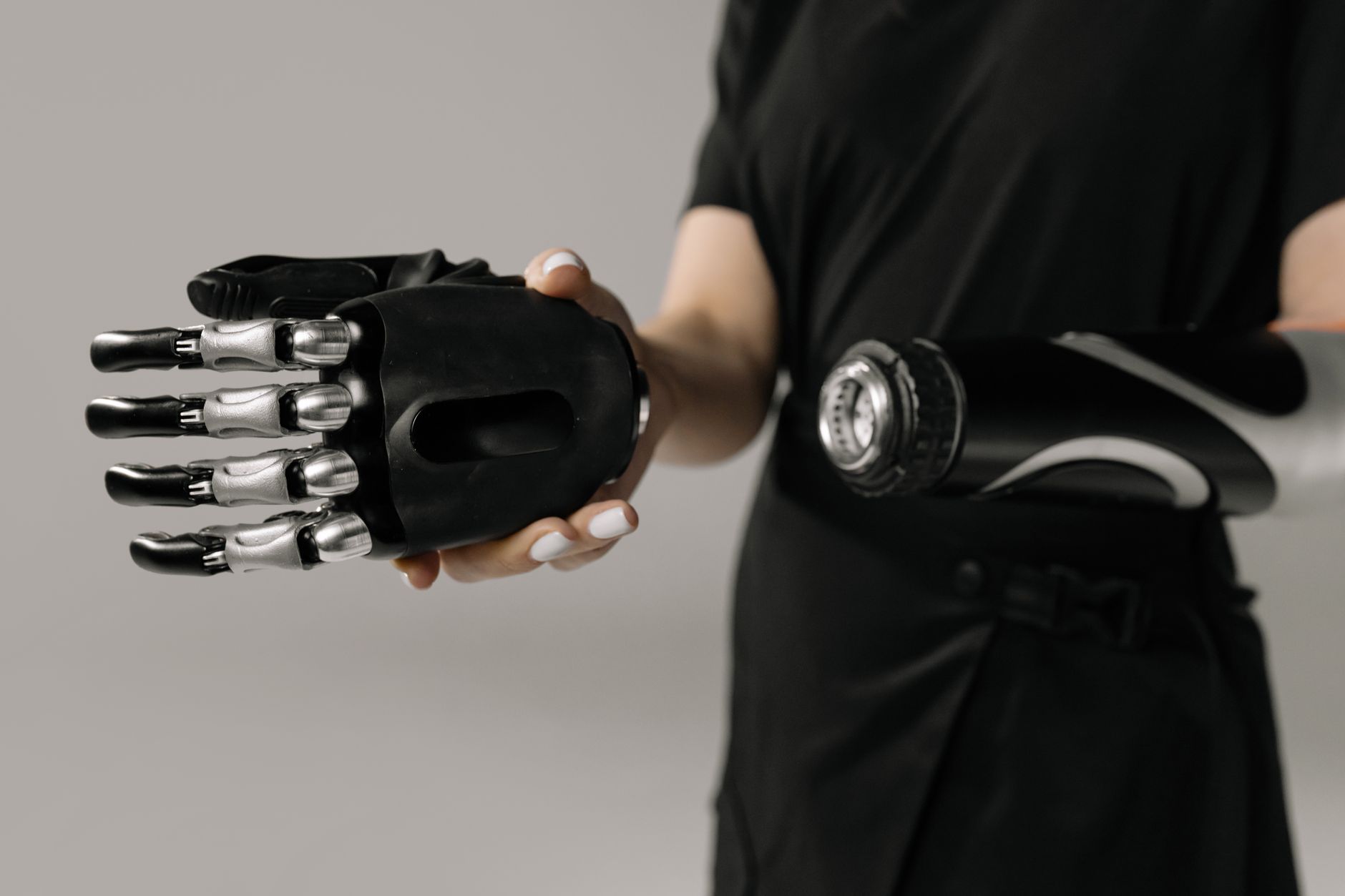
Jewelry stopped whispering. Somewhere between the last fashion month and now, accessories abandoned their supporting role and demanded center stage. We're not talking about maximalism's tired comeback—this is something sharper. Sculptural pieces that challenge proportion, defy gravity, and make you reconsider what belongs on a body versus in a gallery.
The shift isn't subtle. Designers are treating skin as canvas and metal as medium, creating pieces that exist in the provocative space between wearable and conceptual. Your outfit became the backdrop. The jewelry became the point.
Scale Became the New Luxury Signal
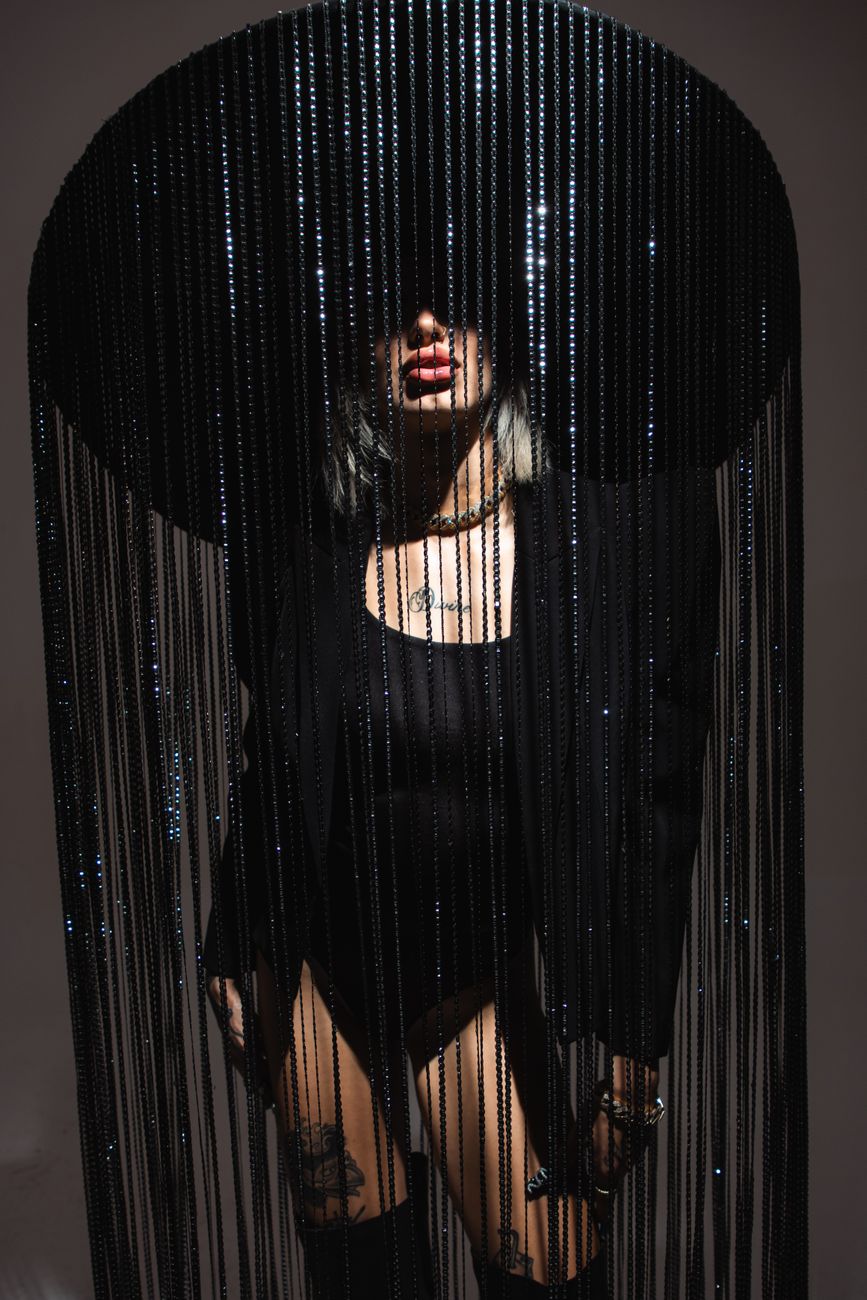
Delicate gold chains read precious in 2019. In 2025, they read timid. The new status symbol is a cuff that weighs as much as your handbag or a collar that requires architectural planning with your neckline. Size isn't about excess—it's about claiming space, literally. The wealthy whisper is over; confidence is measured in surface area now.
Your Neck Became a Construction Zone
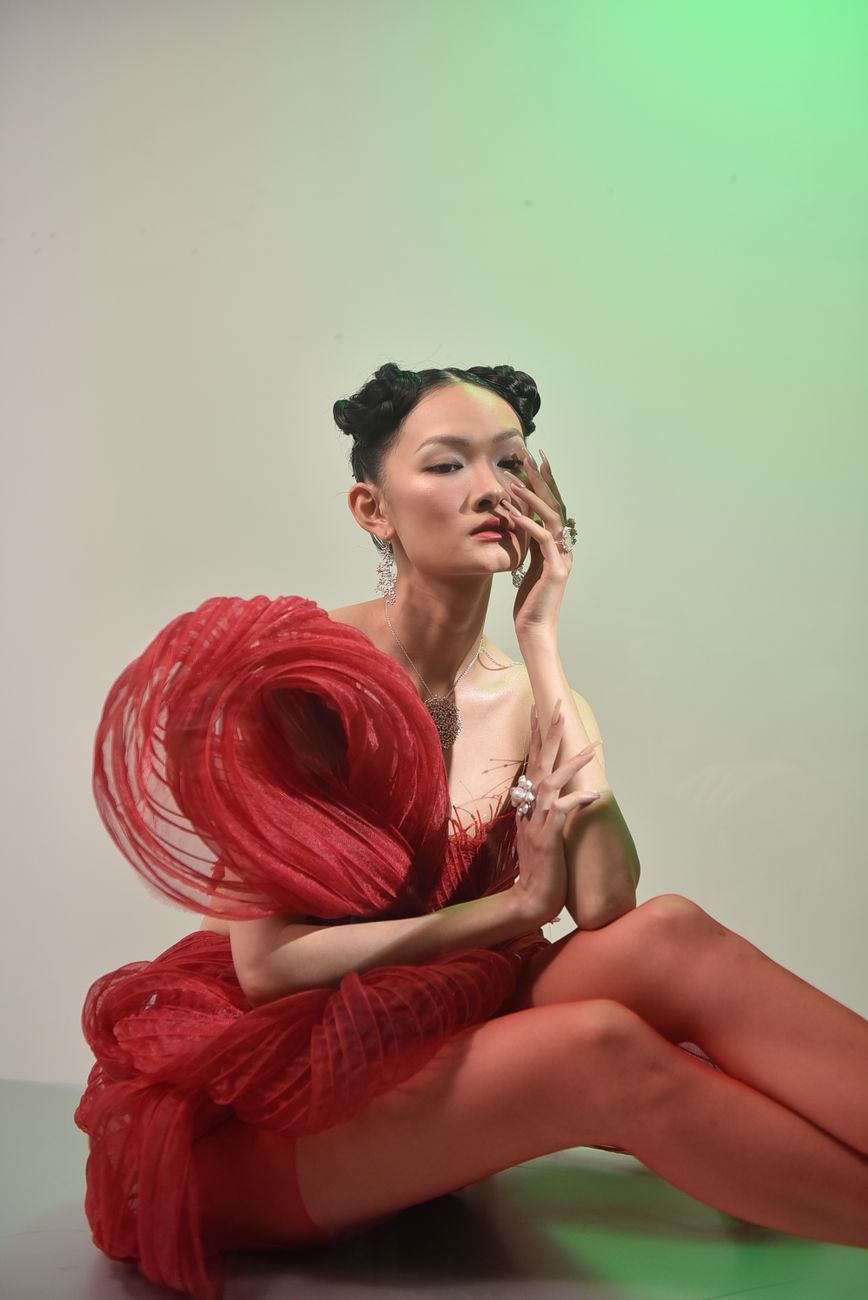
Chokers were quaint. The throat has become prime real estate for pieces that extend past your collarbone, crawl up your jaw, or cantilever across your shoulders like small bridges. These aren't necklaces—they're neck installations. Designers realized the area between chin and chest could hold geometric complexity that makes people stop mid-conversation.

Ears Started Their Independent Era
Matching earrings became an ancient tradition nobody honors anymore. The new approach treats each ear as its own project: one side bare except for a climbing cuff, the other heavy with a shoulder-grazing sculpture. Asymmetry isn't accidental—it's the entire ideology. Balance is for people still playing it safe.

Hands Became Sculpture Gardens
Stacking rings evolved into hand pieces that connect across knuckles and palms like exoskeletons. These aren't accessories you can text in—they're commitments. The appeal is precisely in their impracticality: jewelry that announces you're not here to be functional, you're here to be looked at. Typing be damned.
Negative Space Became the Design
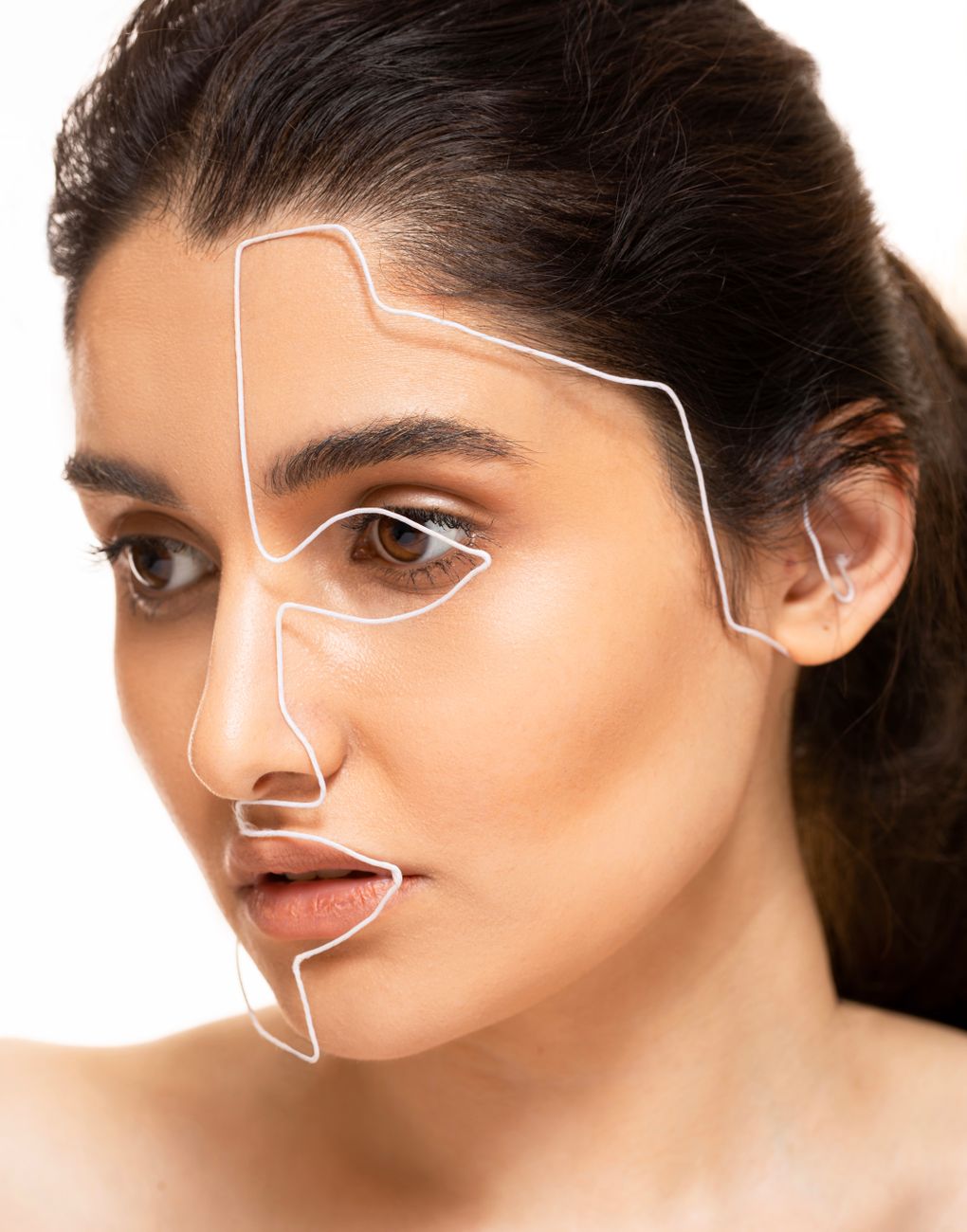
The smartest pieces aren't solid masses—they're frameworks that outline and imply. Wire work, cut-outs, and open structures that draw attention to the body they frame rather than covering it. It's a more sophisticated flex: less material, more impact, maximum spatial awareness. The void does the talking.
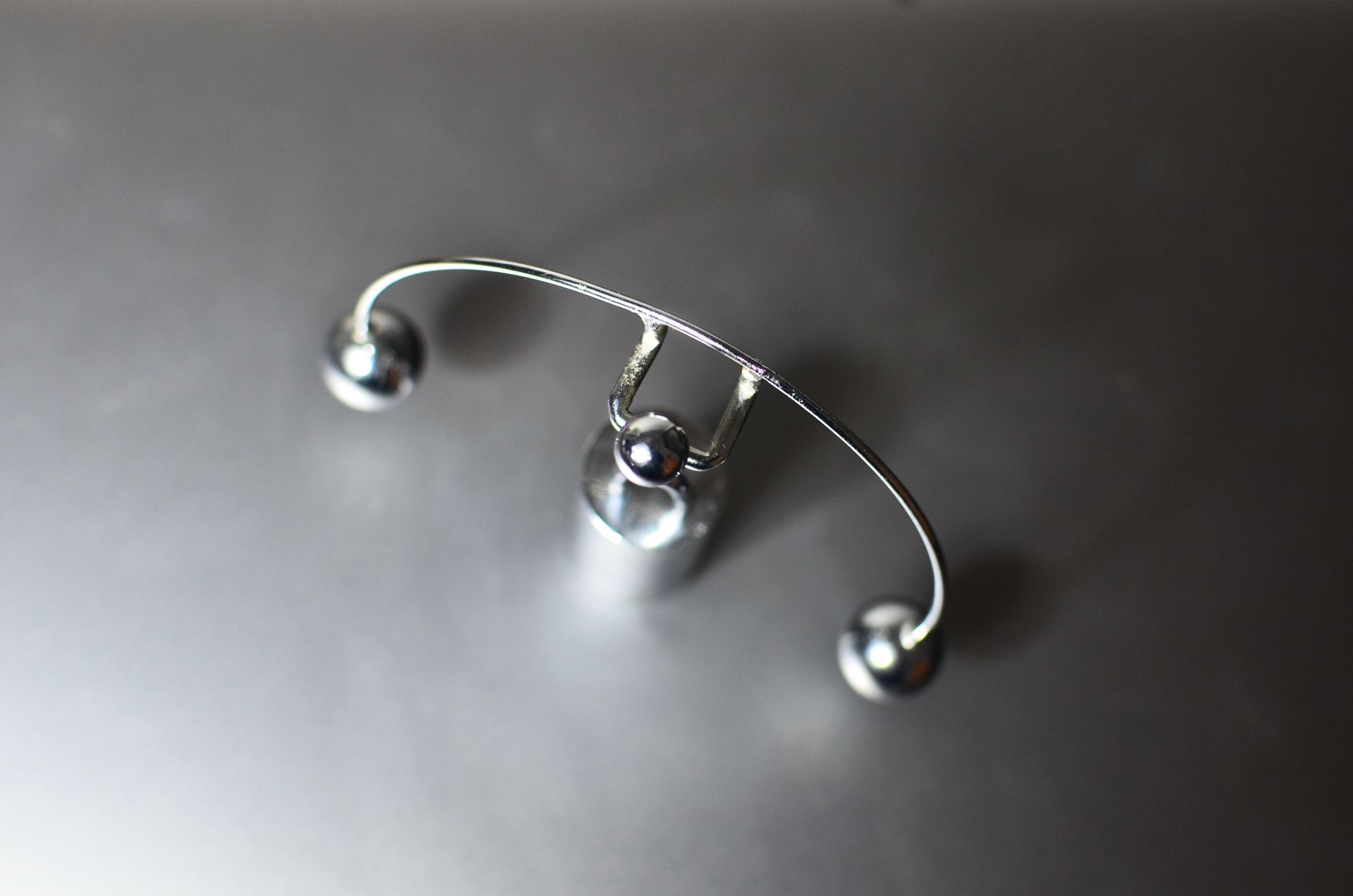
Movement Replaced Permanence
Static jewelry feels dead now. The compelling pieces have kinetic elements—sections that rotate, dangle asymmetrically, or shift with your gestures. They're designed to be experienced in four dimensions, creating different silhouettes depending on how you move. You're not wearing jewelry; you're activating it.

The Body Became Optional
Some pieces blur the line so completely between jewelry and sculpture that they work displayed on a shelf as well as worn on skin. This ambiguity is intentional—collectors want objects that function as both personal adornment and standalone art. The question "is this wearable?" is exactly the tension that makes them valuable.
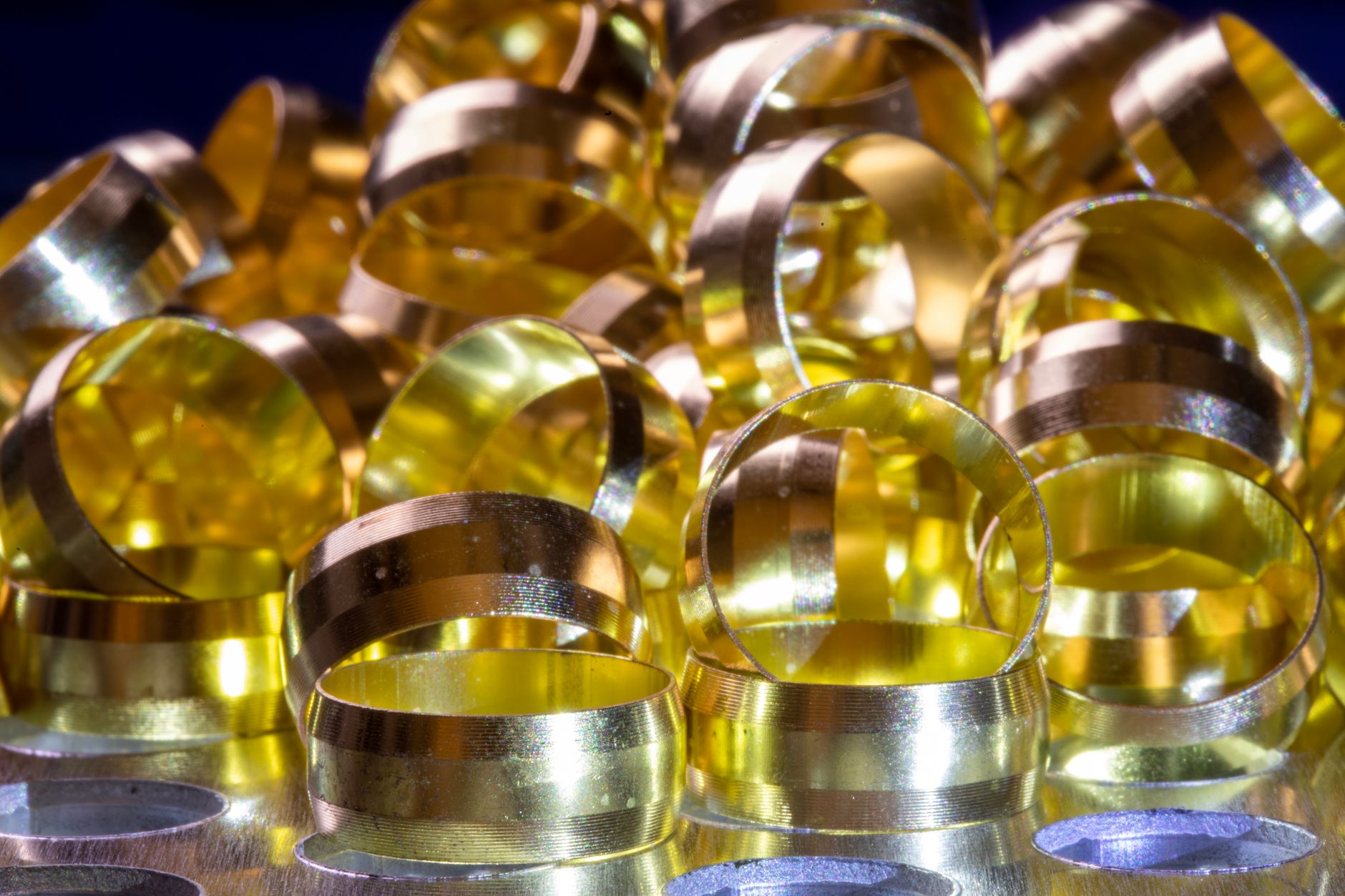
Precious Metals Met Industrial Materials
Gold is meeting steel, resin, rubber, and concrete in pieces that reject traditional jewelry hierarchies. The mix isn't about making luxury accessible—it's about expanding what luxury can reference. When a piece combines 18k gold with hardware-store materials, it's making an argument about value that has nothing to do with the gemstone market.