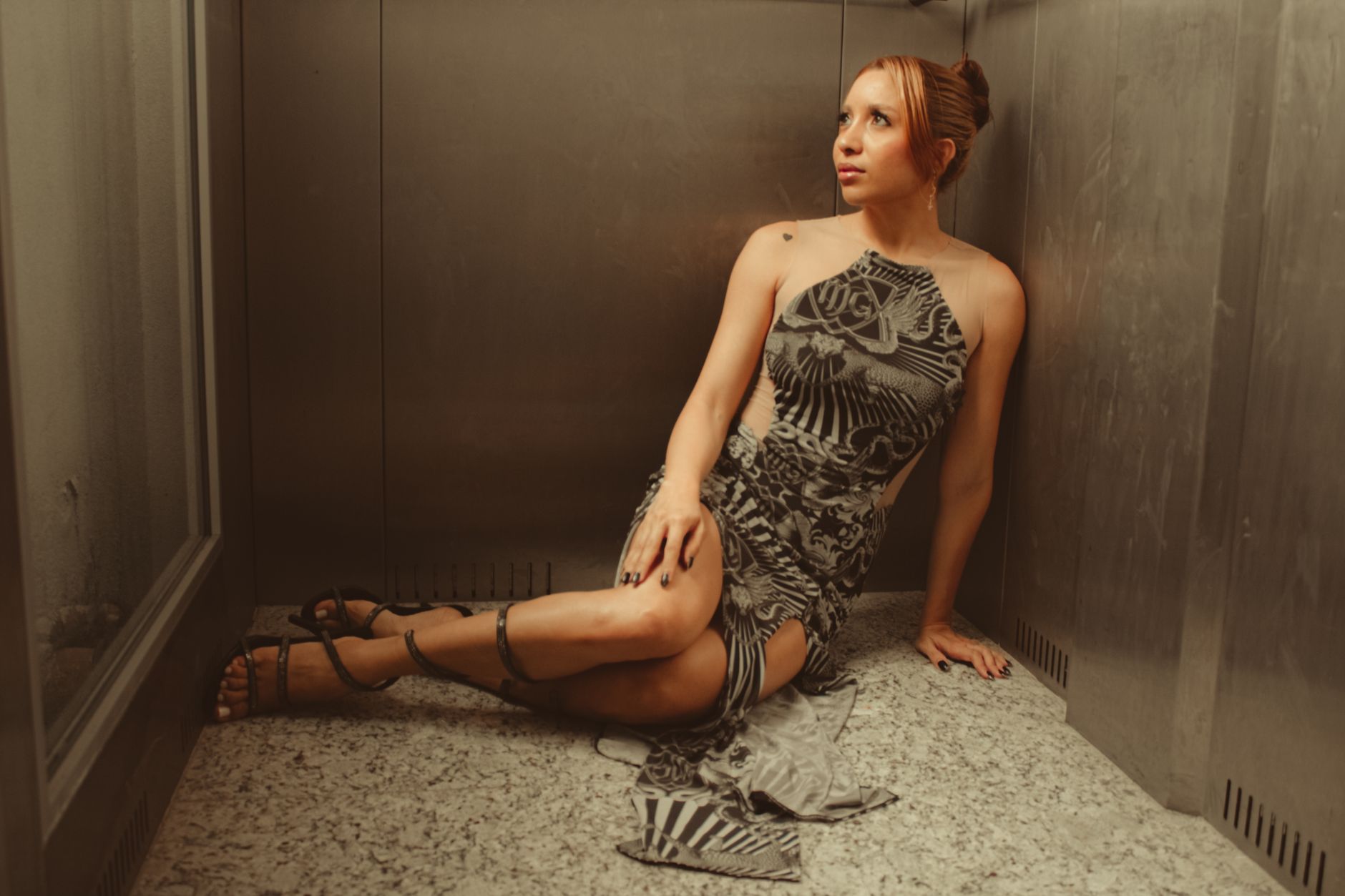
The blazer sleeve has broken free from its traditional stopping point—that precise spot where wrist meets hand—and migrated downward. What was once a tailoring error is now deliberate, intentional, and showing up on runways from Paris to Milan. Sleeves now graze knuckles, swallow hands, and generally disregard every rule your tailor ever taught you.
This isn't about sloppy sizing or bodies drowning in fabric. It's a calculated shift in proportion that treats the blazer less like corporate armor and more like something fluid, something personal. The change feels small until you notice it everywhere, a quiet rebellion against the tyranny of perfect fit.
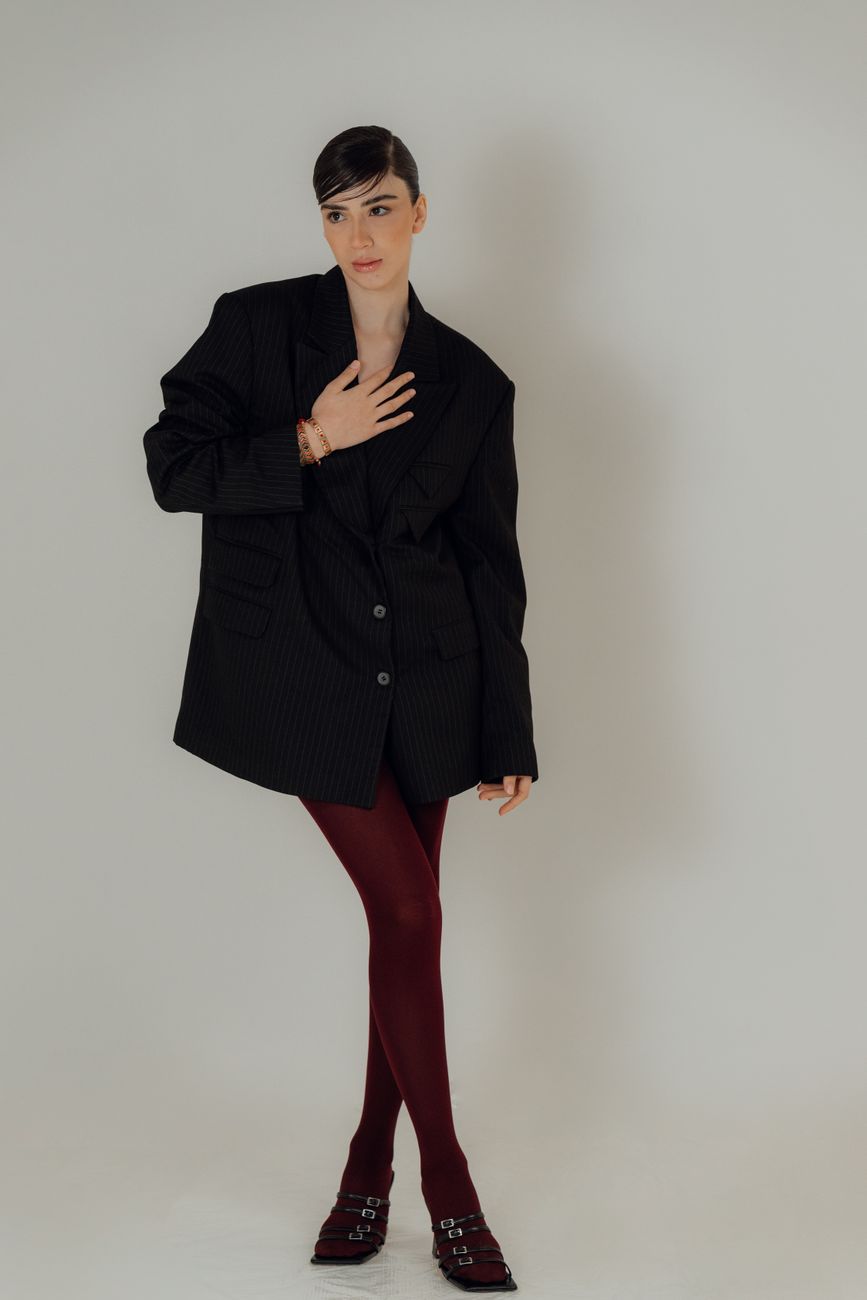
Hedi Slimane rewrote the tailoring manual at Celine
Slimane's Celine collections have consistently pushed sleeves past conventional boundaries, creating a silhouette that feels borrowed rather than tailored. The elongated sleeve reads as deliberate dishevelment—a codes-of-dress disruption that makes traditional suiting look uptight by comparison. What started as runway provocation has filtered into how younger consumers expect blazers to fit, rewriting decades of menswear-derived proportions. The wrist is no longer the finish line.
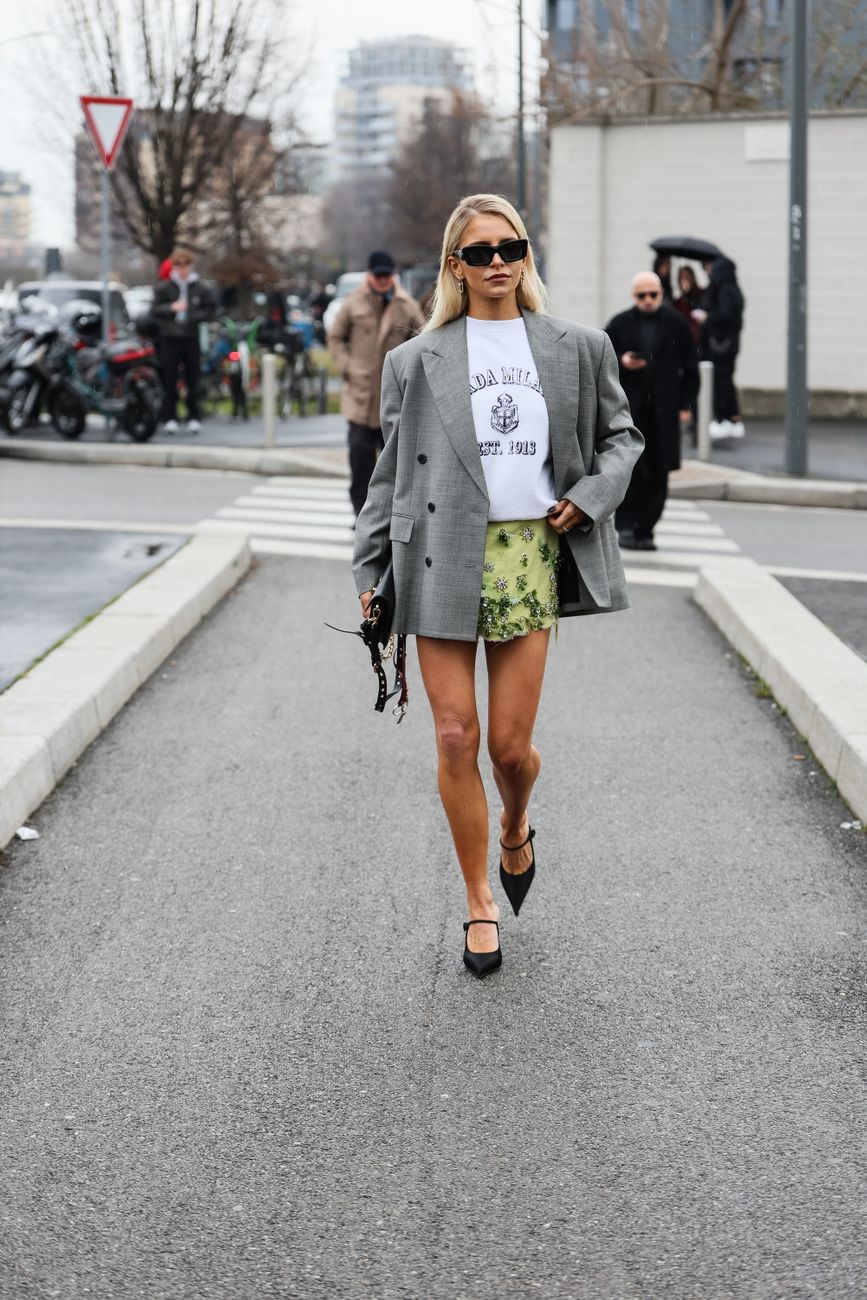
Street style hands have disappeared into sleeves
Outside shows from Copenhagen to Seoul, the most photographed looks feature hands half-hidden by fabric, knuckles just barely visible beneath cuffs. This isn't accidental—it's the visual signature of someone who knows the rules well enough to ignore them. The covered hand creates negative space, a kind of elegant refusal that photographs better than any perfectly tailored sleeve ever could. Fashion insiders recognize it as fluency, not carelessness.
Vintage oversizing made long sleeves feel correct
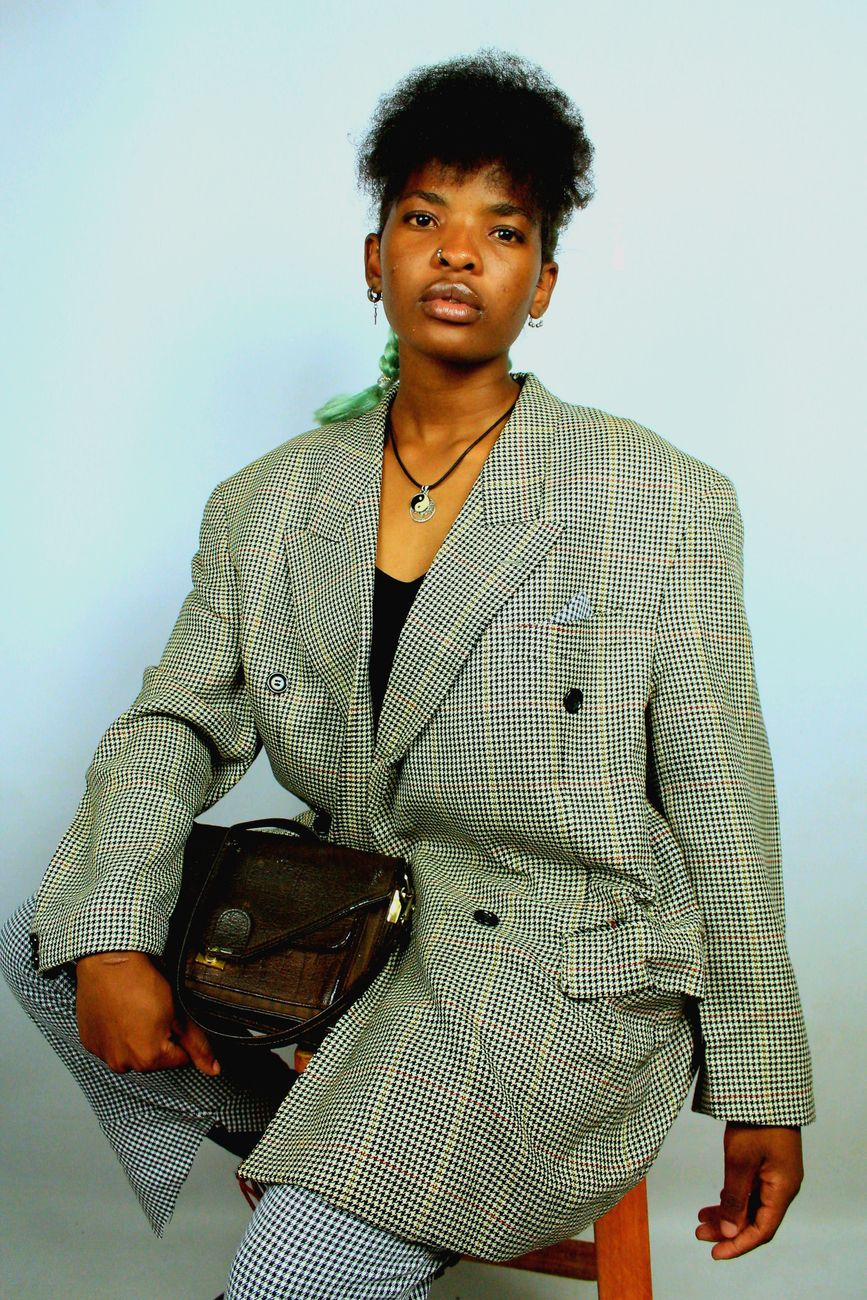
The resurgence of genuinely vintage blazers—not repro, not inspired-by—brought imperfect proportions back into circulation. Thrifted '80s power suits and '90s unstructured jackets rarely fit according to contemporary tailoring standards, and their sleeves tend to run long. A generation raised on vintage has internalized these proportions as authentic rather than wrong, making knuckle-length sleeves feel more real than anything off a department store rack.

Luxury brands are pre-aging the proportions
The Row, Lemaire, and Khaite have all embraced sleeves that extend past the wrist bone, treating length as a signifier of ease rather than error. These aren't budget-cut mistakes—they're deliberate design choices that cost significantly more than standard tailoring. The longer sleeve suggests a body that doesn't need to perform efficiency or polish, that can afford the friction of fabric brushing against palms. It's a small luxury that reads as profound indifference to convention.
The push-up sleeve became the new gesture
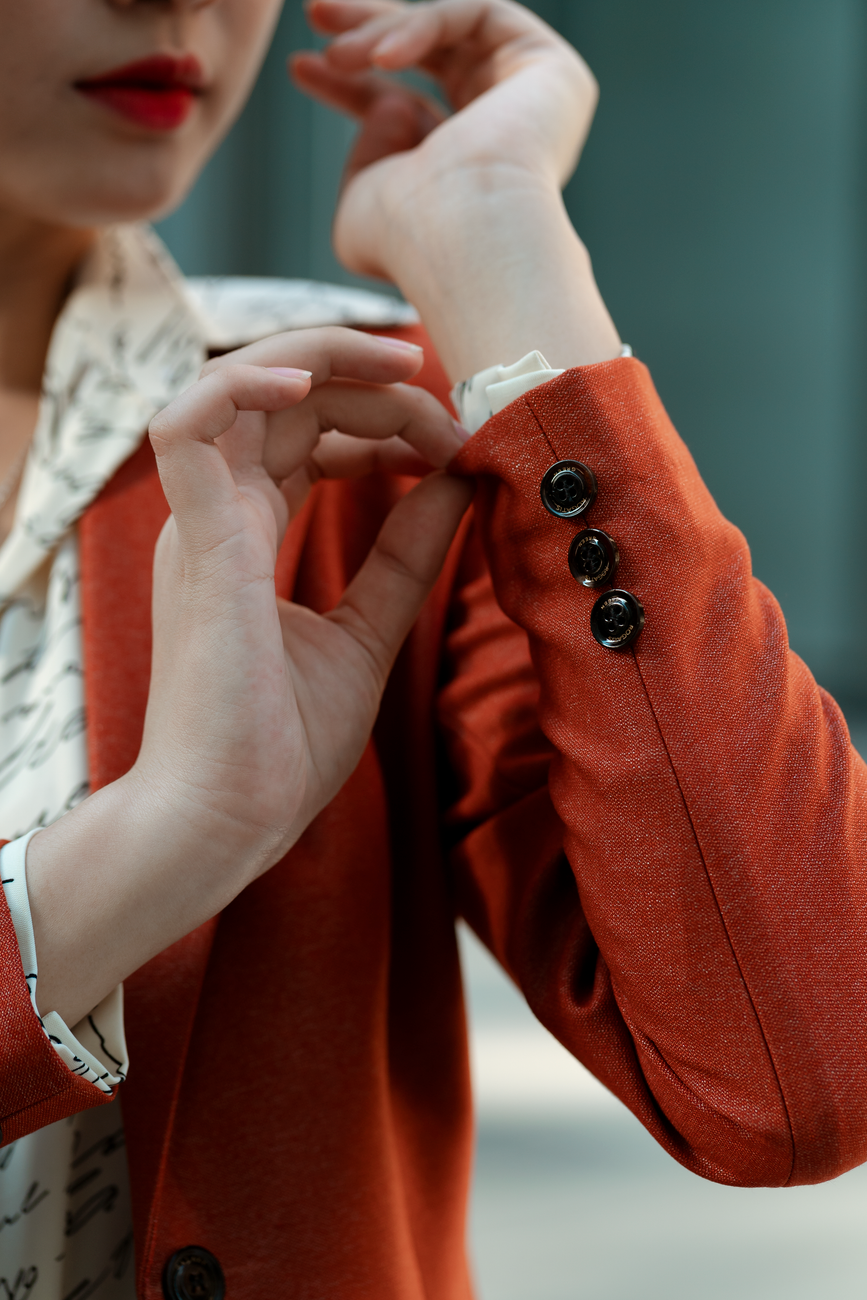
Longer sleeves created a new vocabulary of adjustment—the casual push to mid-forearm, the scrunch to elbow, the roll that stays deliberately imperfect. This constant sleeve management has become part of how the garment is worn, a built-in gesture that adds movement and informality. The longer the sleeve, the more opportunities for this kind of studied nonchalance. Perfect tailoring doesn't allow for performance; excess fabric does.