The matching set had its moment—then kept having it until everyone looked like they were in a cult with exceptionally soft loungewear. What began as pandemic pragmatism calcified into monotony, and somewhere around month eighteen of seeing another linen co-ord on your feed, the format exhausted itself.
Fashion's response wasn't to abandon the set entirely but to create theatre around disassembling it. Now the game is buying both pieces, wearing them strategically apart, and maintaining the fiction that you sourced each item through patient, discerning curation. It's matching sets for people too self-conscious to look matchy.
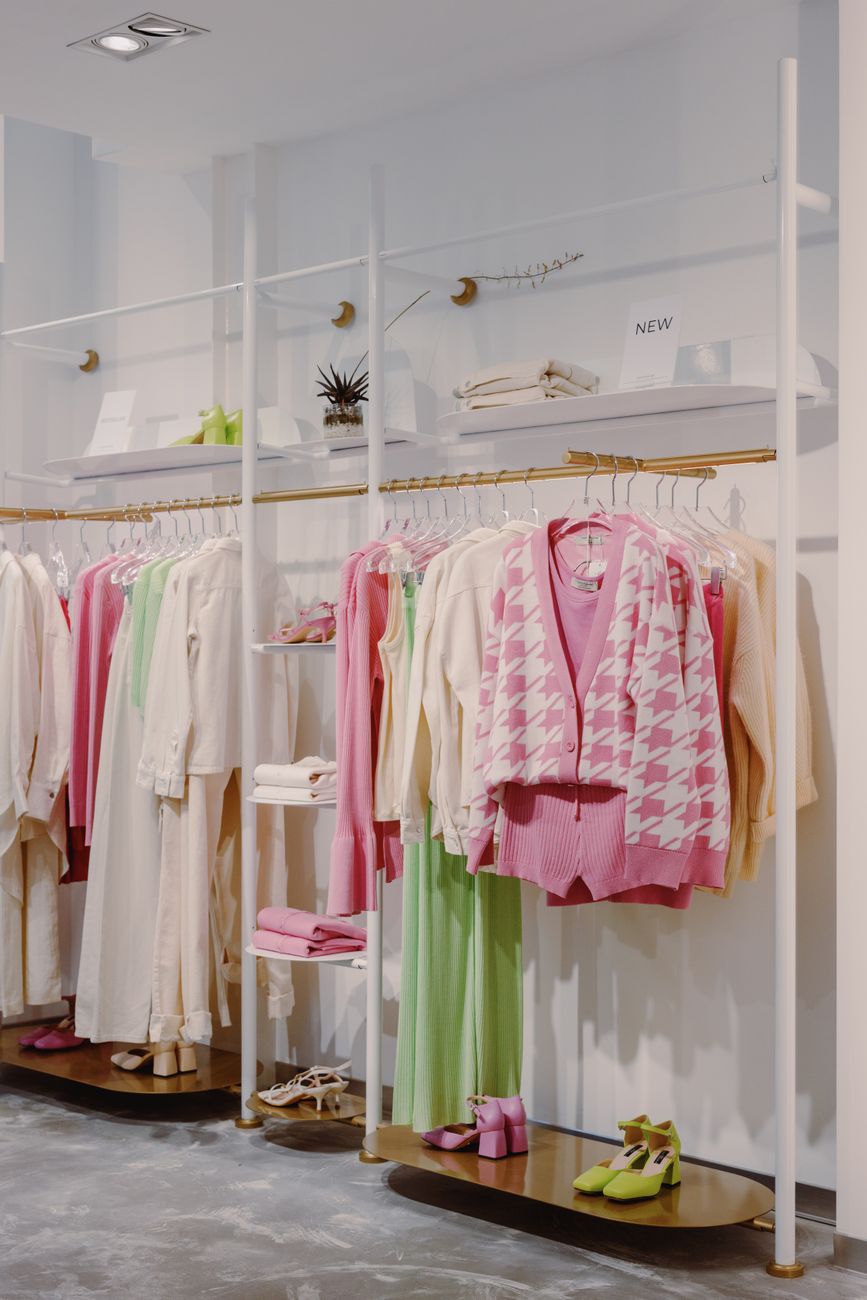
Retailers Started Hiding the Set in Plain Sight
Brands caught on that "co-ord" was becoming a turnoff, so they simply stopped calling it that. The blazer and trouser still live on the same page, shot on the same model, cut from the same fabric—but now they're filed under separate categories with separate product codes. You're meant to discover them independently, like stumbling upon soulmates at a party, not cellmates in a two-pack. The set survives by pretending it was never a set at all.

Instagram Styling Became an Elaborate Disavowal
The new visual language involves carousel posts where slide one shows the blazer with vintage denim, slide two shows the matching trousers with a completely different knit, and slide three—only if you're paying attention—shows them together with a caption like "surprised these worked." It's strategic amnesia. Everyone knows you bought them as a pair, but the performance of separation signals you're not someone who needs their outfit pre-decided by a product developer in Shibuya.

The Knit Set Became Cashmere Gaslighting
Cashmere co-ords presented a specific problem: they looked too intentional, too "I have a disciplined capsule wardrobe and a Calm subscription." The solution was buying the matching cardigan and wide-leg trouser but treating them like estranged relatives who only appear together at funerals. Wear the cardigan open over something printed, wear the trousers with a crisp shirt, and never acknowledge they share DNA. It's the luxury version of pretending you don't know your sibling at school.

Suiting Stopped Looking Like Suiting by Looking More Like Suiting
The tailored set became acceptable again only when worn with enough cognitive dissonance. Oversize the blazer, puddle the trousers, add sneakers or a t-shirt that costs more than the jacket—basically, deploy every signal that you're not trying. The set itself remains intact, but the vibe suggests you grabbed two random items that happened to be complementary, like a French woman who definitely didn't plan this. The effort is in looking effortless about your matching outfit.
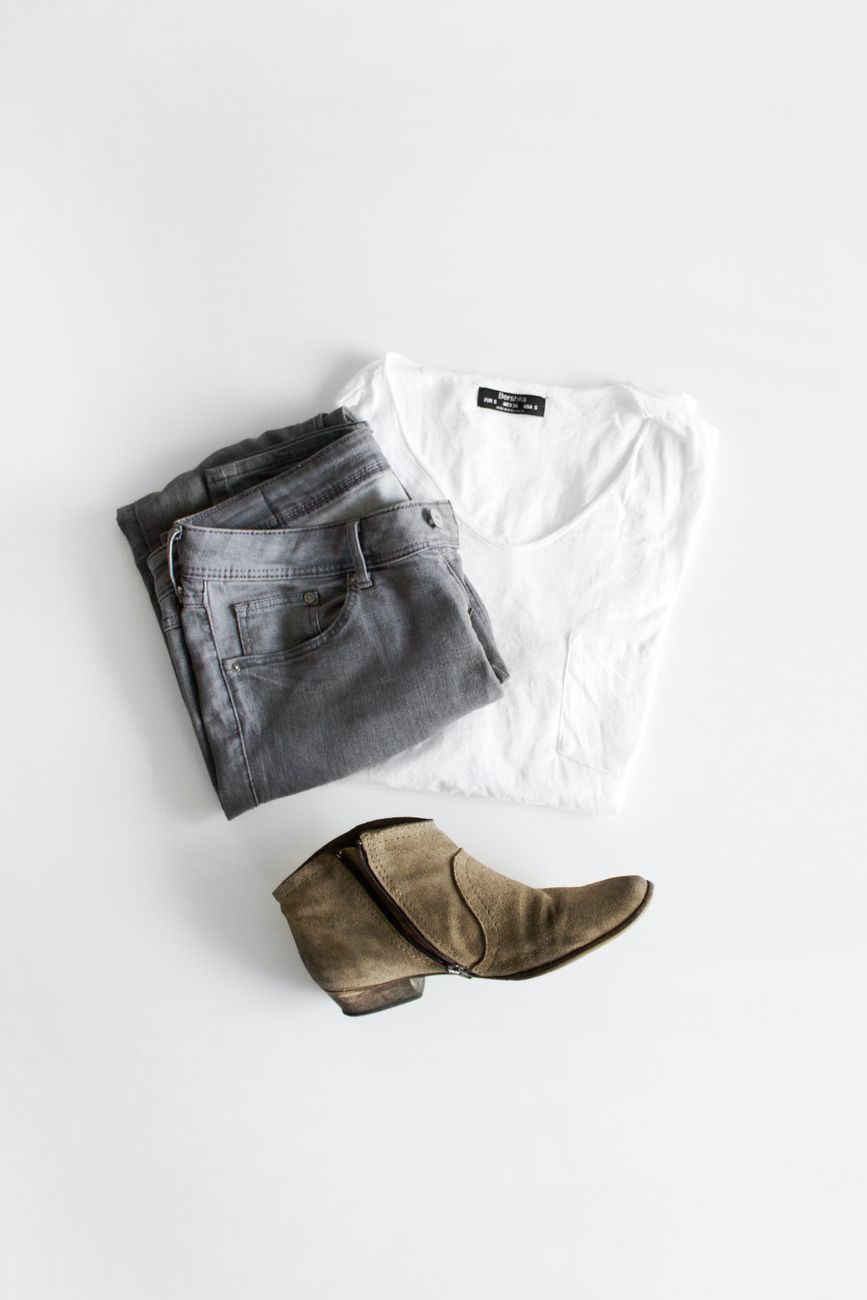
The Real Flex Became Separation Anxiety
Owning both pieces but rarely wearing them together became the new status symbol—proof you have enough other things to create viable outfits without leaning on the crutch of coordination. It's conspicuous non-consumption, the fashion equivalent of buying a book and casually mentioning you haven't had time to read it yet. The matching set still anchors your wardrobe, but admitting it does defeats the purpose. You bought harmony, then spent six months performing discord.