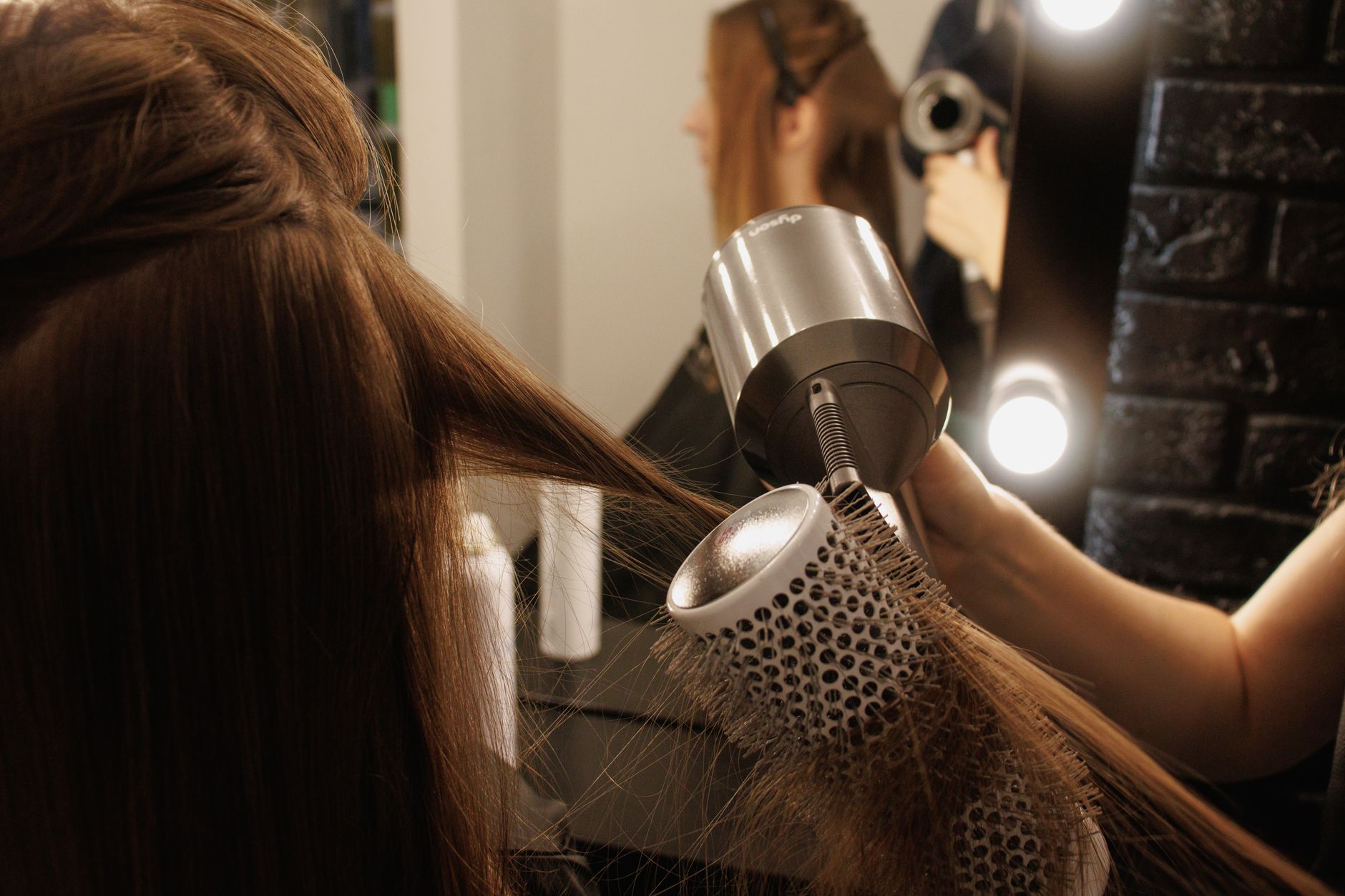
Somewhere between the third lockdown and the return to offices, the blowout stopped being a wedding-day indulgence and became a calendar fixture. Subscription models turned what used to be aspirational into algorithmic, with apps serving up slots the way meal kits deliver dinner. The shift didn't happen because hair texture suddenly changed—it happened because time became the luxury no one could afford to waste.
What started as convenience calcified into something else entirely. The women who can outsource the 45 minutes it takes to properly wash and dry their hair now occupy a different economic stratum than those still bent over bathroom sinks. It's not about vanity. It's about who gets to reclaim hours in their week and who doesn't, a divide that's become as visible as the difference between air-dried and professionally styled hair.
The Standing Appointment Replaced the Special Occasion
Blowout bars introduced membership tiers that guarantee weekly or biweekly slots, transforming sporadic salon visits into subscription behavior. What used to signal celebration now signals routine, the same way SoulCycle classes moved from novelty to non-negotiable calendar blocks. The transition is less about hair and more about purchasing predictability in an increasingly chaotic schedule, turning grooming into a service you subscribe to rather than a service you seek out.

Outsourcing the Wash Became the New Status Symbol
The ability to pay someone else to wash your hair—a task that costs nothing at home but 45 minutes of time—has emerged as a quiet class marker that bypasses traditional luxury signaling. It's not about the $65 blowout; it's about the recovered time and the implicit statement that your hours are worth more than the service costs. This isn't conspicuous consumption—it's conspicuous time management, and it's far more loaded than carrying the right handbag.
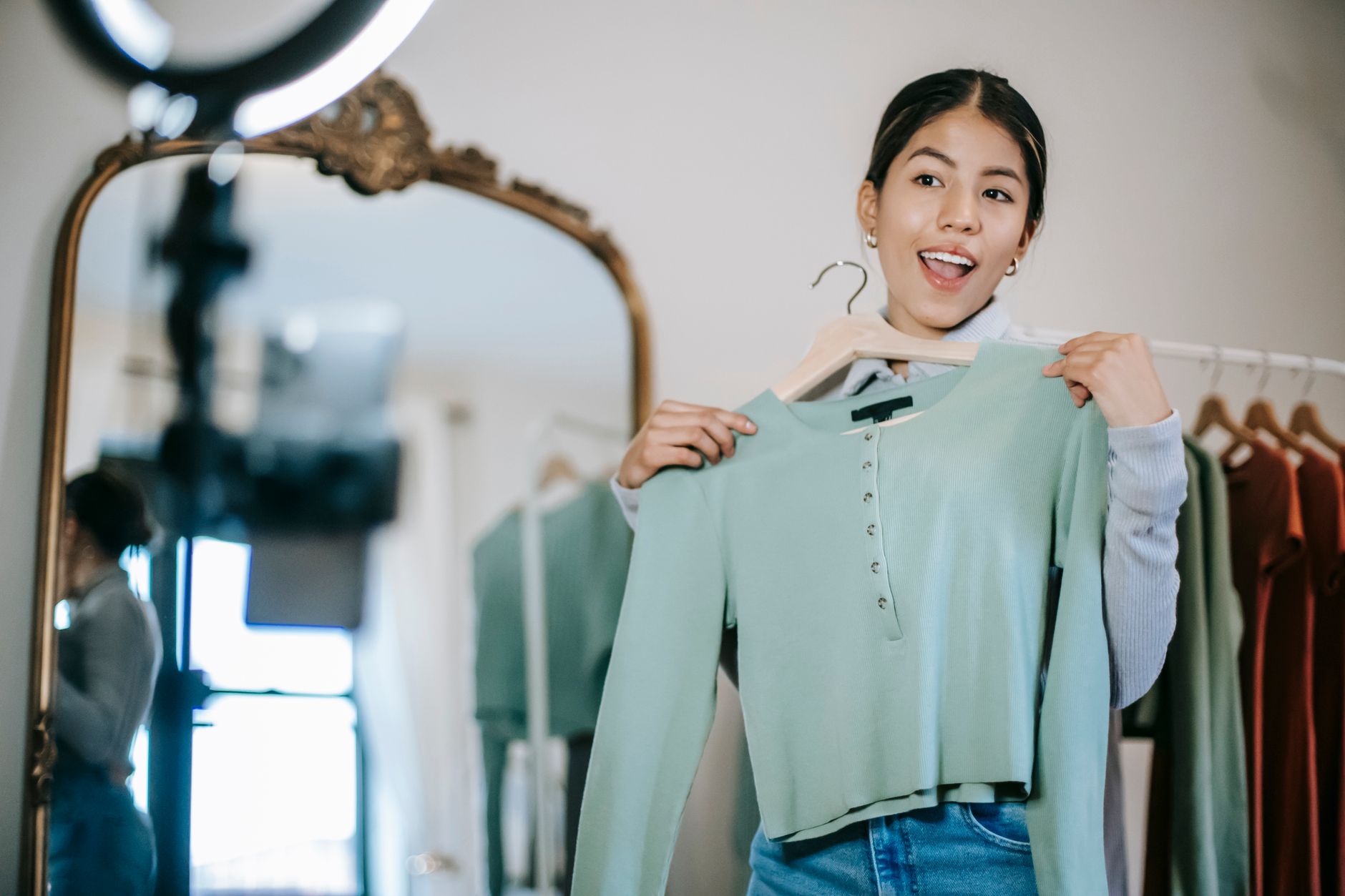
The Girlies Who Can't Afford Blowouts Became a TikTok Confession Genre
A new strain of financial anxiety content has women admitting they stretch salon visits to three-week intervals or skip them entirely, not because they don't care about appearance but because $260 monthly for hair isn't realistic. These confessionals attract hundreds of thousands of views because they're naming something previously unspoken: that grooming maintenance has become another arena where economic disparity plays out in real time. The comments sections turn into informal support groups where women swap DIY techniques and validate each other's budget constraints.

Professional Settings Quietly Penalize Unstyled Hair
The expectation of polished hair in client-facing roles or leadership positions has intensified even as companies claim to embrace authenticity, creating an unspoken grooming tax that disproportionately affects women without disposable income or compatible hair textures. Air-dried curls or unstyled texture read as unprofessional in contexts where straight, blown-out hair still dominates as the default, turning what should be a personal choice into a career calculation. No one writes it in the dress code, but the women passed over for promotions notice the pattern.
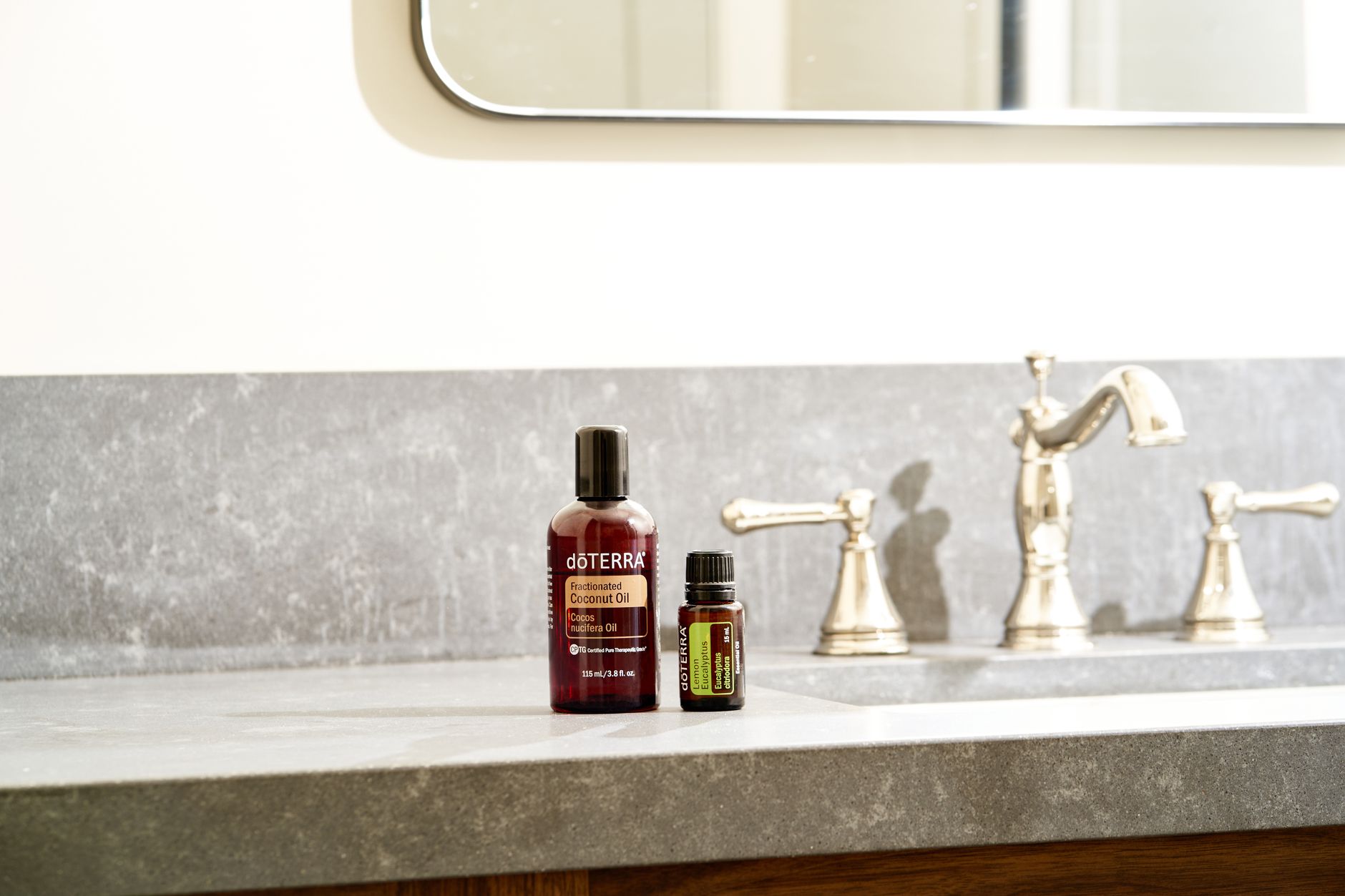
The Wash-and-Go Ceased Being Effortless
What was once the budget-friendly option—washing your own hair at home—now requires a PhD in product layering and technique tutorials, with successful wash-and-go routines demanding $200 in specialized products and 90 minutes of application time. The supposed alternative to expensive salon visits has become its own expensive, labor-intensive ritual, eliminating the middle ground between fully outsourced grooming and actual low-maintenance hair care. The irony isn't lost on anyone: even opting out has become prohibitively complex.