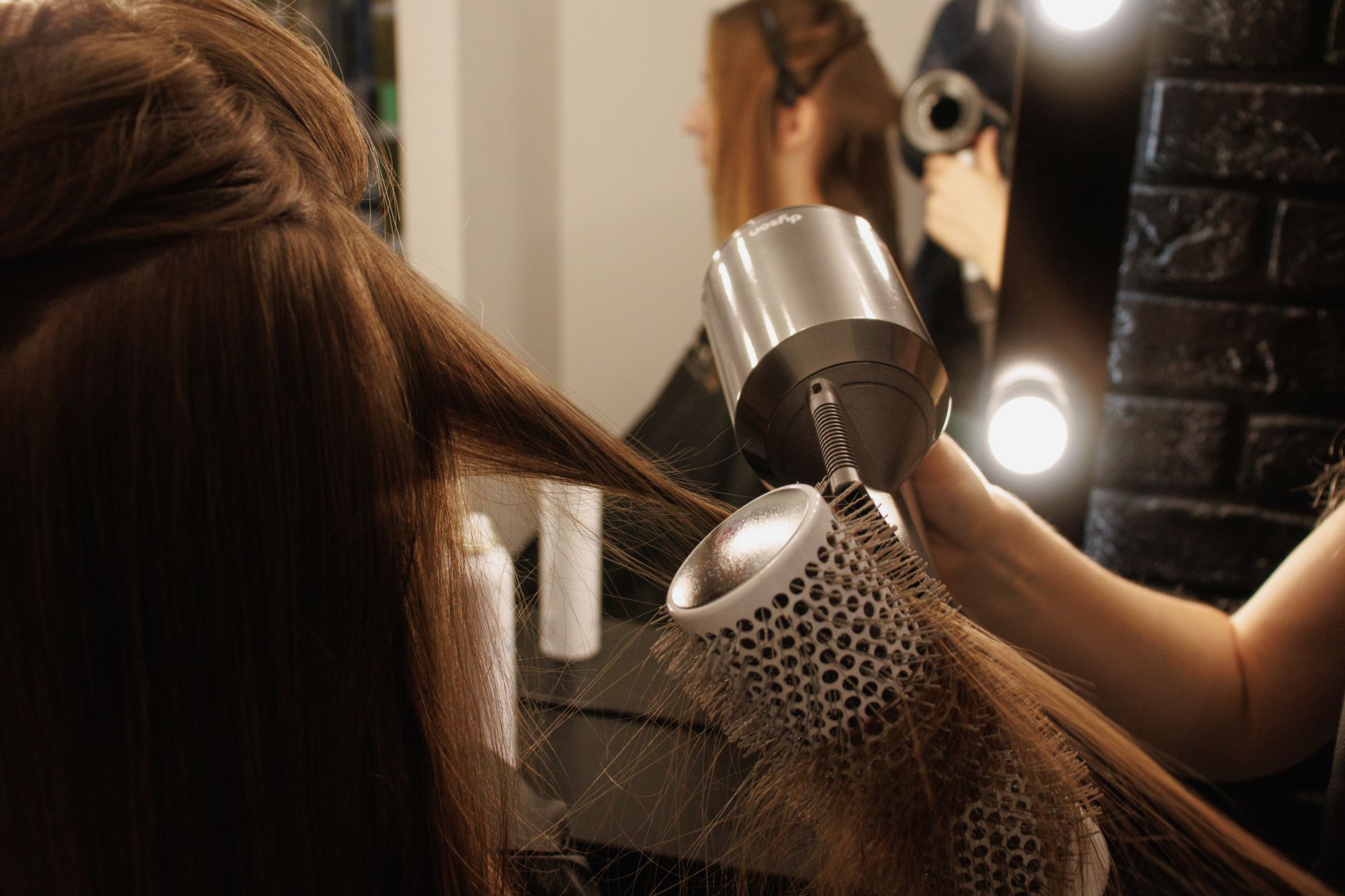
Somewhere between Korean tint formulas and the TikTok "clean girl aesthetic," makeup stopped being removable. Not difficult to remove—actually engineered to stay. Lip stains that survive meals, cheek tints that outlast workouts, brow gels that won't budge. The beauty industry rebranded permanence as performance.
This isn't about longevity. It's about a fundamental shift in how we relate to our own faces—and to the idea of transformation itself. When your makeup won't come off, you're not playing with possibility anymore. You're making a commitment.
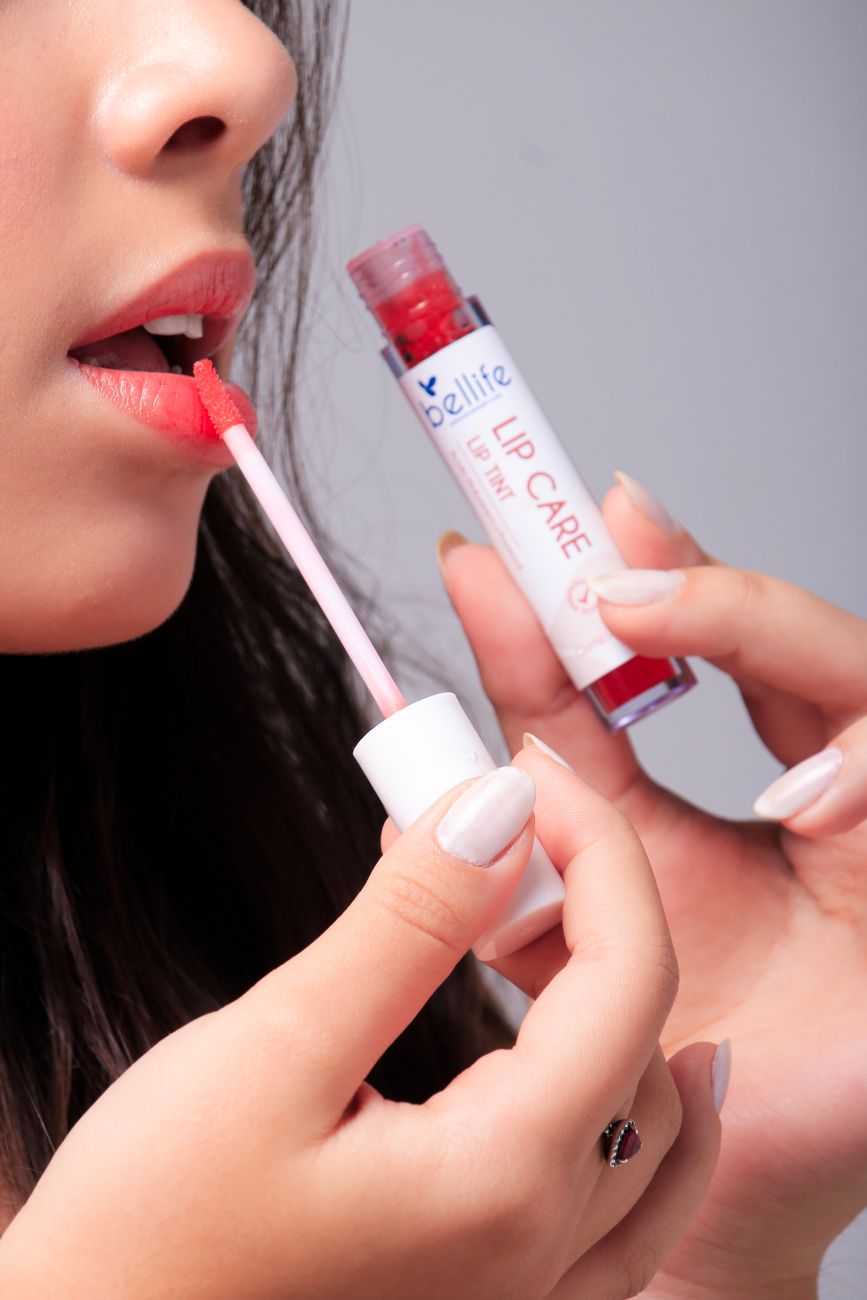
The Korean tint invasion normalized semi-permanent color
K-beauty brands didn't just introduce new products—they introduced a new philosophy where makeup penetrates rather than sits on skin. Water-gel formulas and pH-reactive pigments changed the category from cosmetic to semi-permanent. What started as "your lips but better" became "your lips but altered." The migration from American bulletproof lipsticks to Korean water tints wasn't about texture preference. It was about accepting that beauty routines could leave marks that last days, not hours.
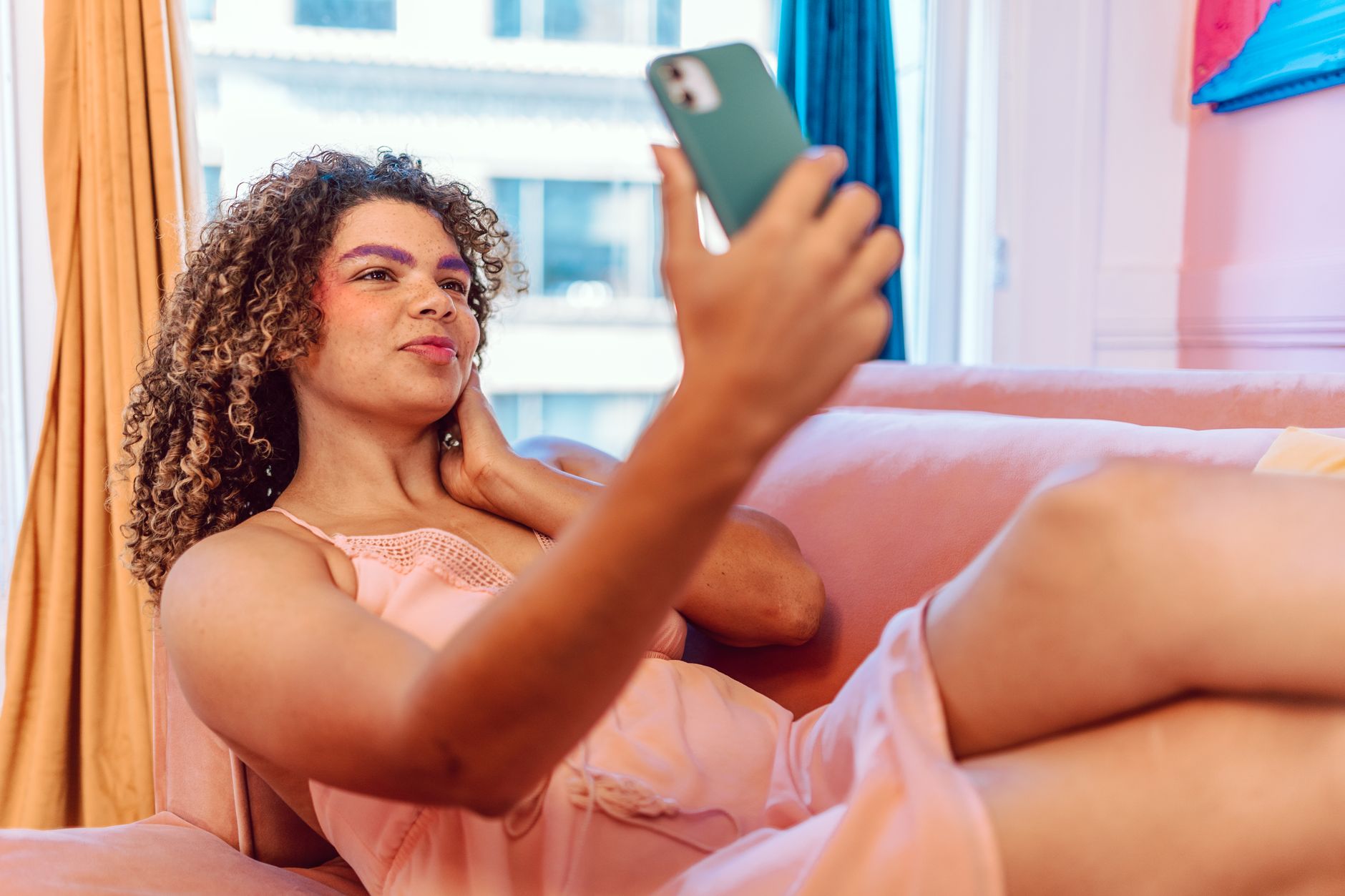
Instagram face requires makeup that survives documentation
The shift to staining formulas tracks directly with the rise of constant self-documentation. When your face is photographed multiple times daily—not for special occasions but as basic communication—makeup that fades becomes a liability. Reapplication isn't charming anymore; it's evidence of failure. Tints and stains promised immunity from the vulnerability of being caught mid-fade. The technology evolved to serve a world where your face is always potentially on camera, always needing to look intentional.
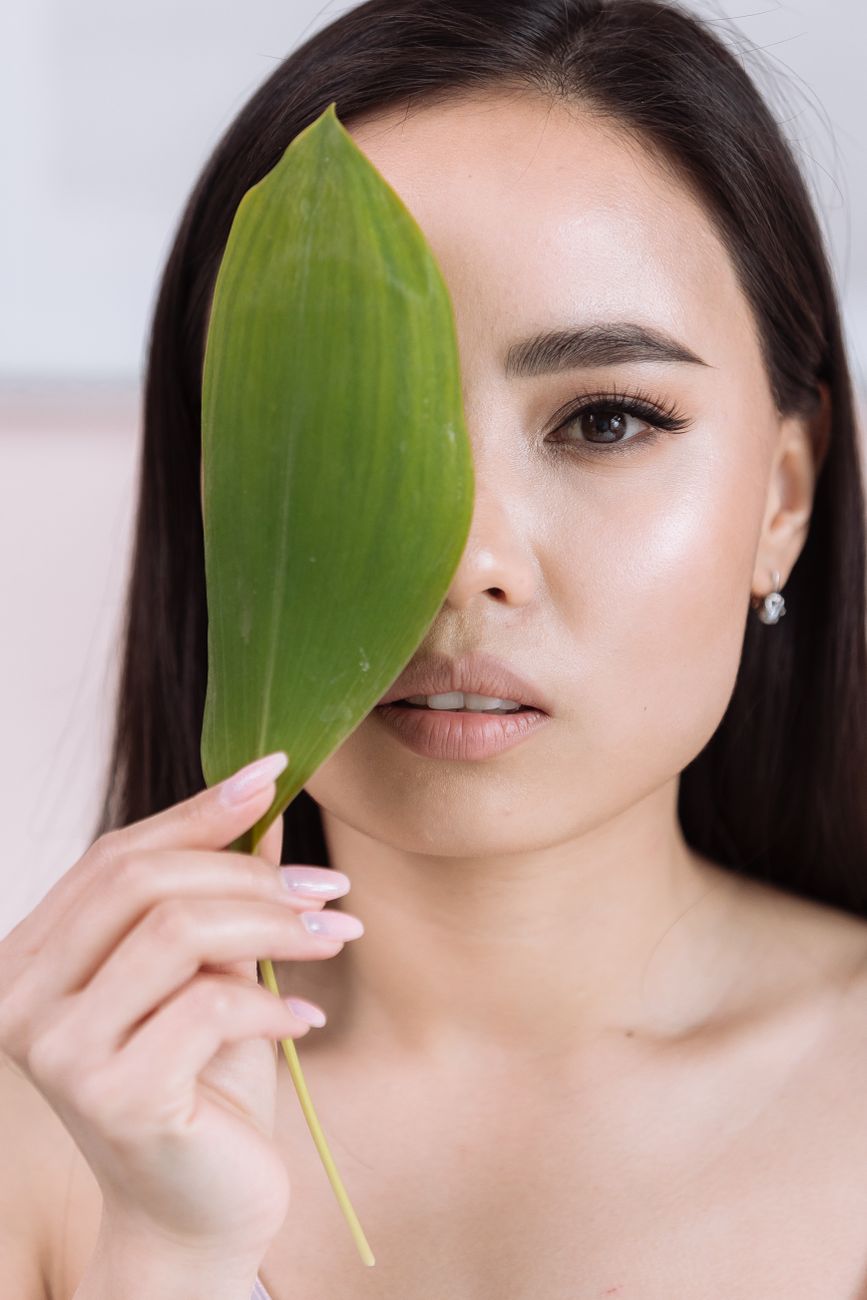
Minimalism disguised maximalist control
The "no-makeup makeup" trend sold itself as effortless, but required maximum engineering. Achieving invisible perfection meant products that wouldn't move, smudge, or reveal themselves as products at all. Tints and stains fit this aesthetic lie perfectly—they created the illusion of natural flush and color while being nearly impossible to remove. The minimalist beauty movement wasn't about using less. It was about evidence erasure, about control so complete it became invisible.
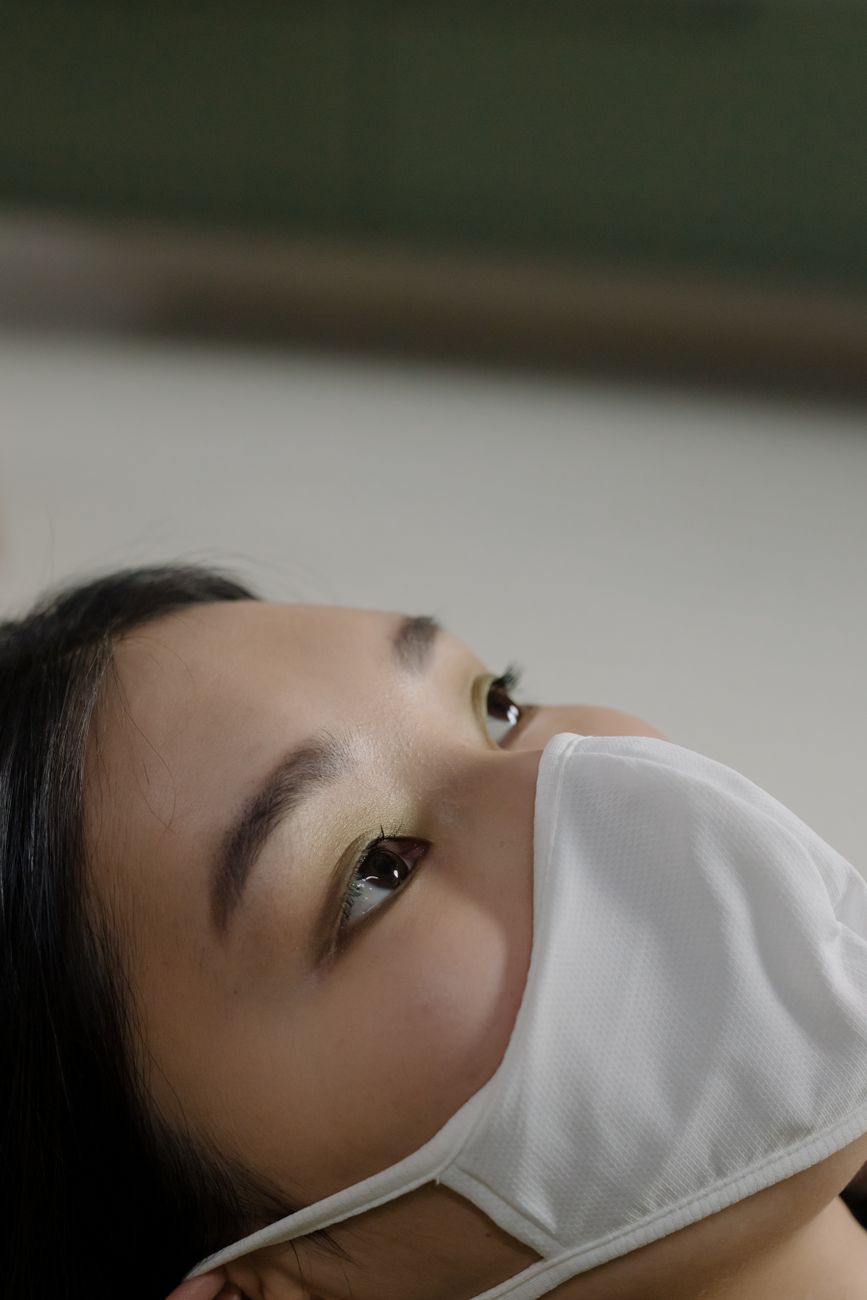
Pandemic life demanded makeup that survived masks and isolation
Mask-proof became the new waterproof, and transfer-free formulas went from nice-to-have to non-negotiable. But the real shift happened in isolation, when makeup routines persisted without audiences. Stains and tints offered the psychological comfort of color that wouldn't abandon you—even if no one else would see it. The products that survived 2020 weren't the glamorous ones; they were the ones that promised to stay put through uncertainty, sweat, and the blurring of public and private life.

Commitment aesthetics replaced experimentation
The explosion of microblading, lip blushing, and semi-permanent makeup procedures runs parallel to tint culture—both represent the same impulse toward cosmetic commitment. When trends move too fast to keep up with and personal branding demands consistency, erasable makeup feels frivolous. Staining products occupy the middle ground between traditional cosmetics and cosmetic tattooing, offering just enough permanence to feel like a decision rather than a decoration. We're not playing with our faces anymore. We're optimizing them.