Your hands are no longer an afterthought in the skincare hierarchy. They're the new frontier for premium pricing, with tubes of hand cream now outpacing serums and night creams in cost per ounce. The twist? These formulas aren't selling youth. They're selling something arguably more honest: protection, repair, and the acknowledgment that hands actually go through hell.
What's driving the price inflation has less to do with peptides and more to do with cultural recalibration. Brands have figured out that hands are visible, overworked, and neglected—prime real estate for a new category that doesn't need to promise the impossible. Here's how hand care became the most expensive real estate in your routine.
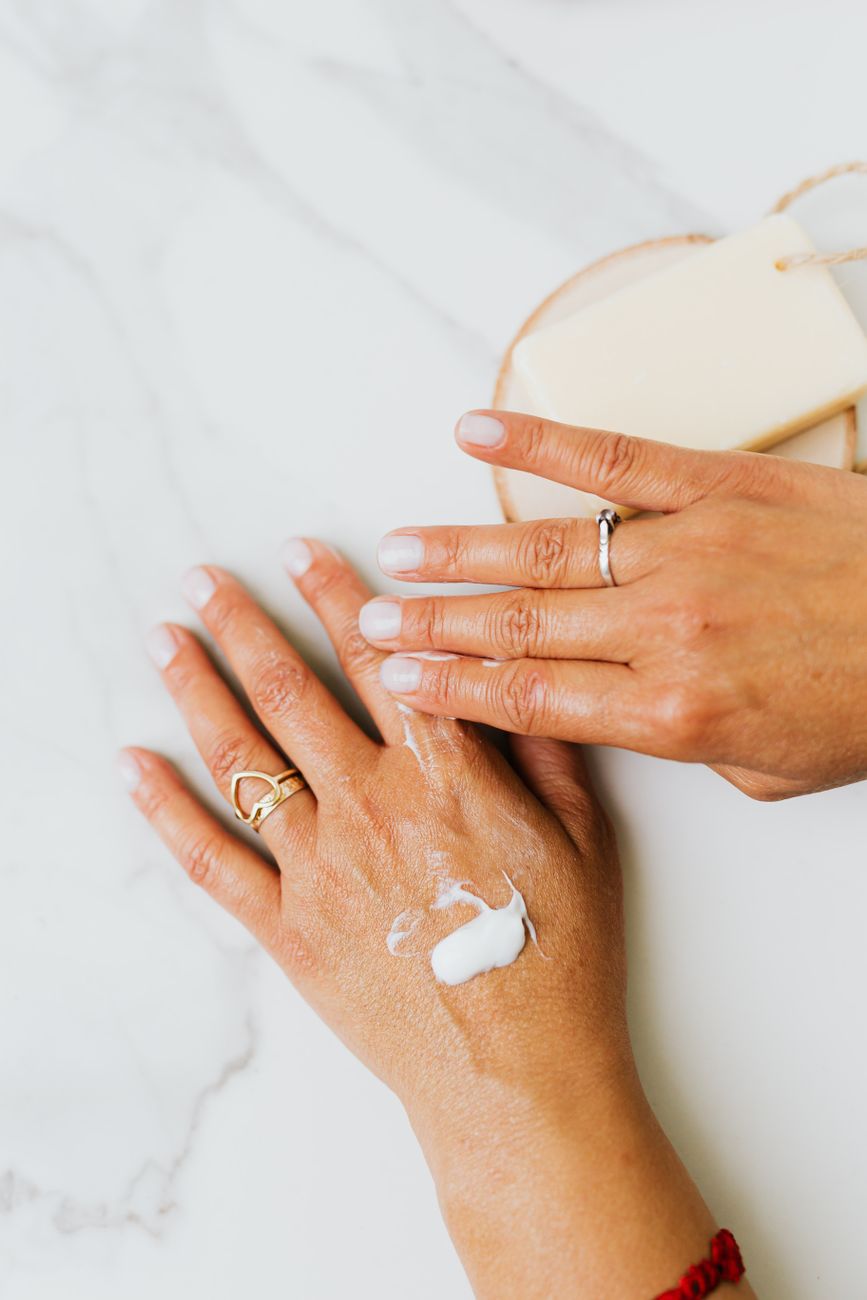
Brands are charging face-cream prices for hand-specific formulas
Hand creams from Augustinus Bader, La Mer, and Aesop now hover between $65 and $95 for under 100ml. These aren't repackaged body lotions—they're position-specific products with targeted ingredient decks that treat barrier damage, environmental stress, and texture without leaning on retinol or hyaluronic acid theatrics. The pricing reflects formulation complexity, but more importantly, it signals that hands deserve the same investment as faces. Consumers are paying, which suggests the message is landing.
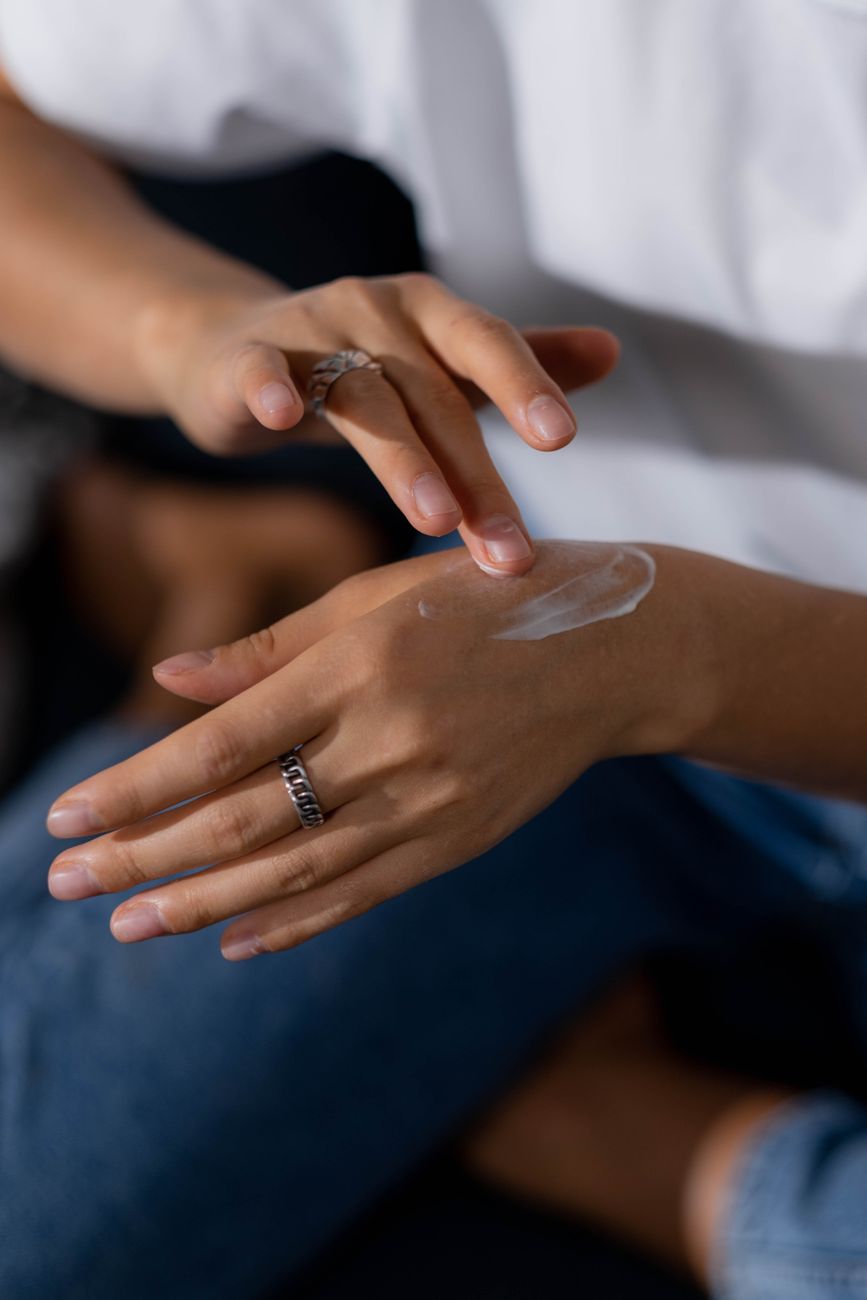
The anti-aging narrative has been dropped entirely
Unlike face creams, which still cling to youth-preservation language, luxury hand products are pivoting to protection and maintenance. There's no mention of firming, smoothing fine lines, or reversing sun damage—just straightforward claims about strengthening skin, locking in moisture, and defending against aggressors. It's a quieter sell, one that acknowledges hands age and that's fine. The shift feels less like marketing evolution and more like brands finally admitting what actually works versus what sells hope.

Fragrance is doing the heavy lifting instead of actives
High-end hand creams are increasingly about scent as much as skin benefit. Byredo, Diptyque, and Le Labo position their hand formulas as fragrance extensions, not skincare solutions. The experience is olfactory luxury—you're paying for how your hands smell for hours, not how they look in five years. It's a sensory justification for the price tag that sidesteps efficacy debates entirely, and it's working because scent lingers in a way that hydration claims don't.
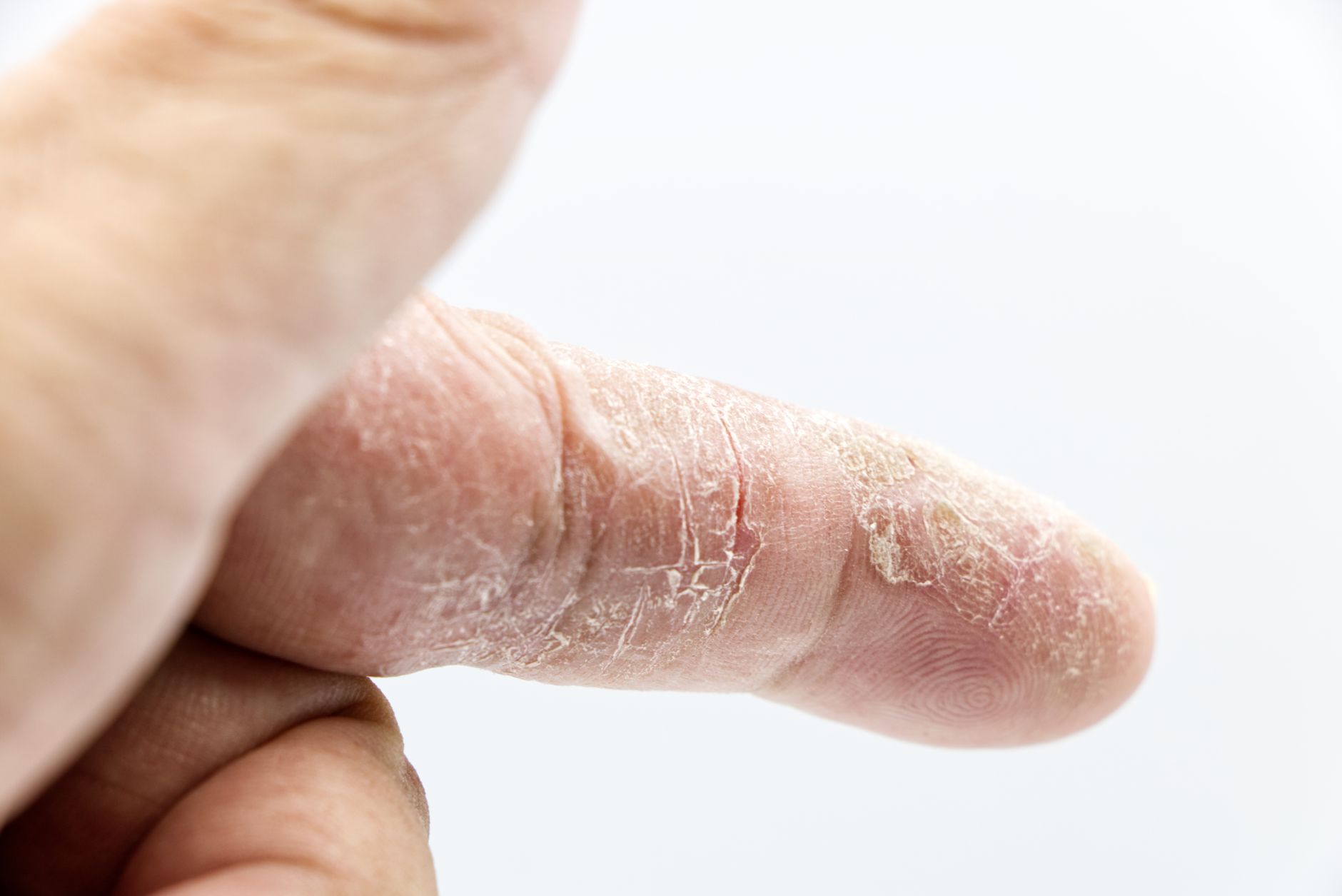
Post-pandemic hand trauma created a genuine need
Years of compulsive sanitizing and handwashing left a generation with genuinely compromised hand skin—cracked cuticles, dermatitis, chronic dryness that drugstore lotion couldn't touch. Luxury brands capitalized on this real damage with clinical-grade formulas that actually deliver. The price reflects desperation as much as ingredients: when your hands hurt, you'll pay. It's not vanity spending; it's problem-solving, which makes the cost easier to justify even when it exceeds your serum budget.
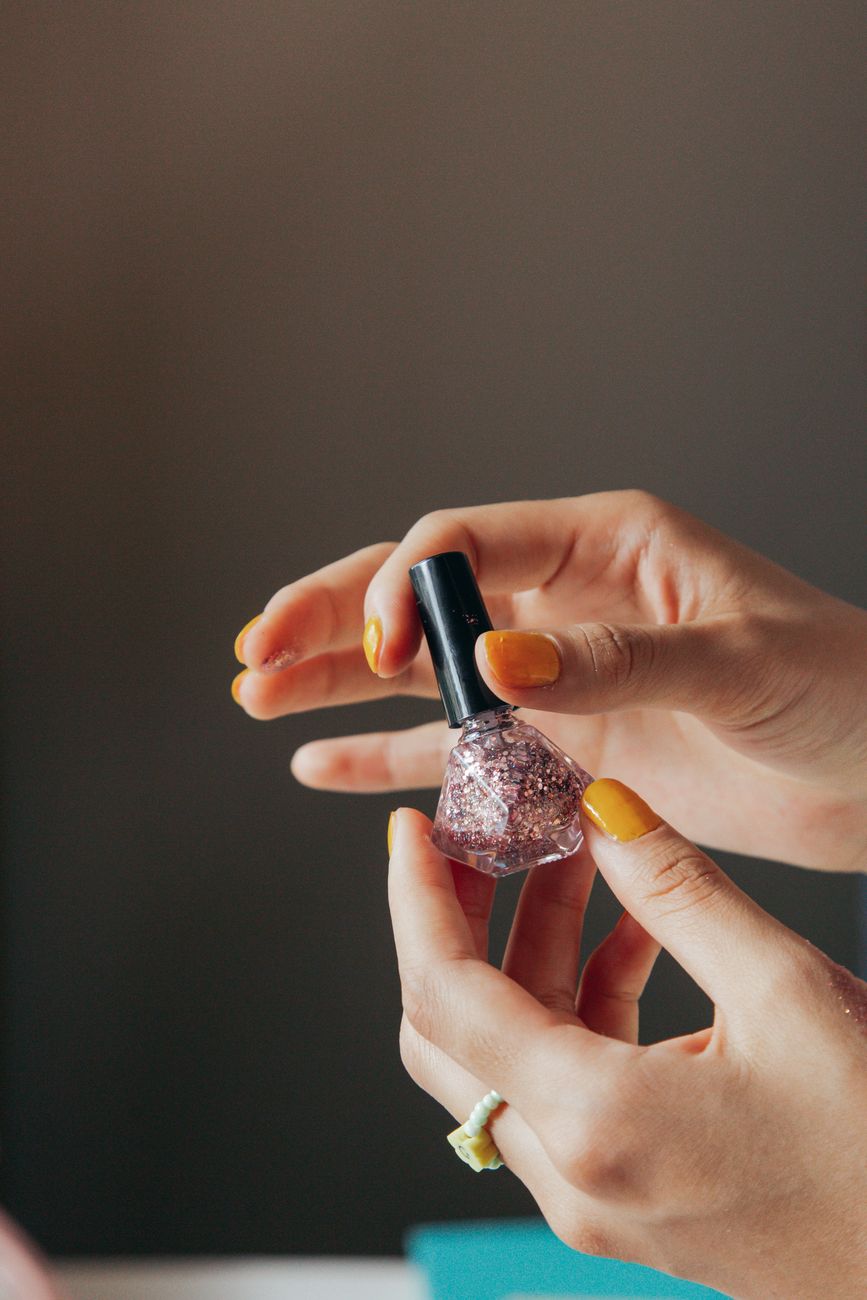
Hands have become a new status signifier
In a culture obsessed with visible wealth markers, hands are always on display—holding phones, typing, gesturing in video calls. Well-maintained hands signal attention to detail and disposable income in a way that's harder to fake than a good face filter. Expensive hand cream is the new quiet luxury tell: if you're investing in parts of your body that most people ignore, you've reached a different tier of self-maintenance. It's conspicuous care, and the price is part of the point.