Somewhere between the third espresso martini and forgetting your skincare routine, a new beauty standard emerged. Boyfriend blush—that precise recreation of morning-after flush—has nothing to do with actual romance and everything to do with manufacturing a very specific texture of dishevelment. The placement is strategic: across the nose bridge, bleeding into under-eyes, stopping just short of Editorial Crying Girl territory.
What started as a few viral TikToks has calcified into a full movement, complete with $48 cream blushes engineered specifically for this smudgy, supposedly effortless effect. The irony isn't lost on anyone spending twenty minutes to look like they just rolled out of someone else's bed. But that's precisely the point—controlled chaos always requires more work than actual order.
The Placement Protocol Gets Oddly Specific
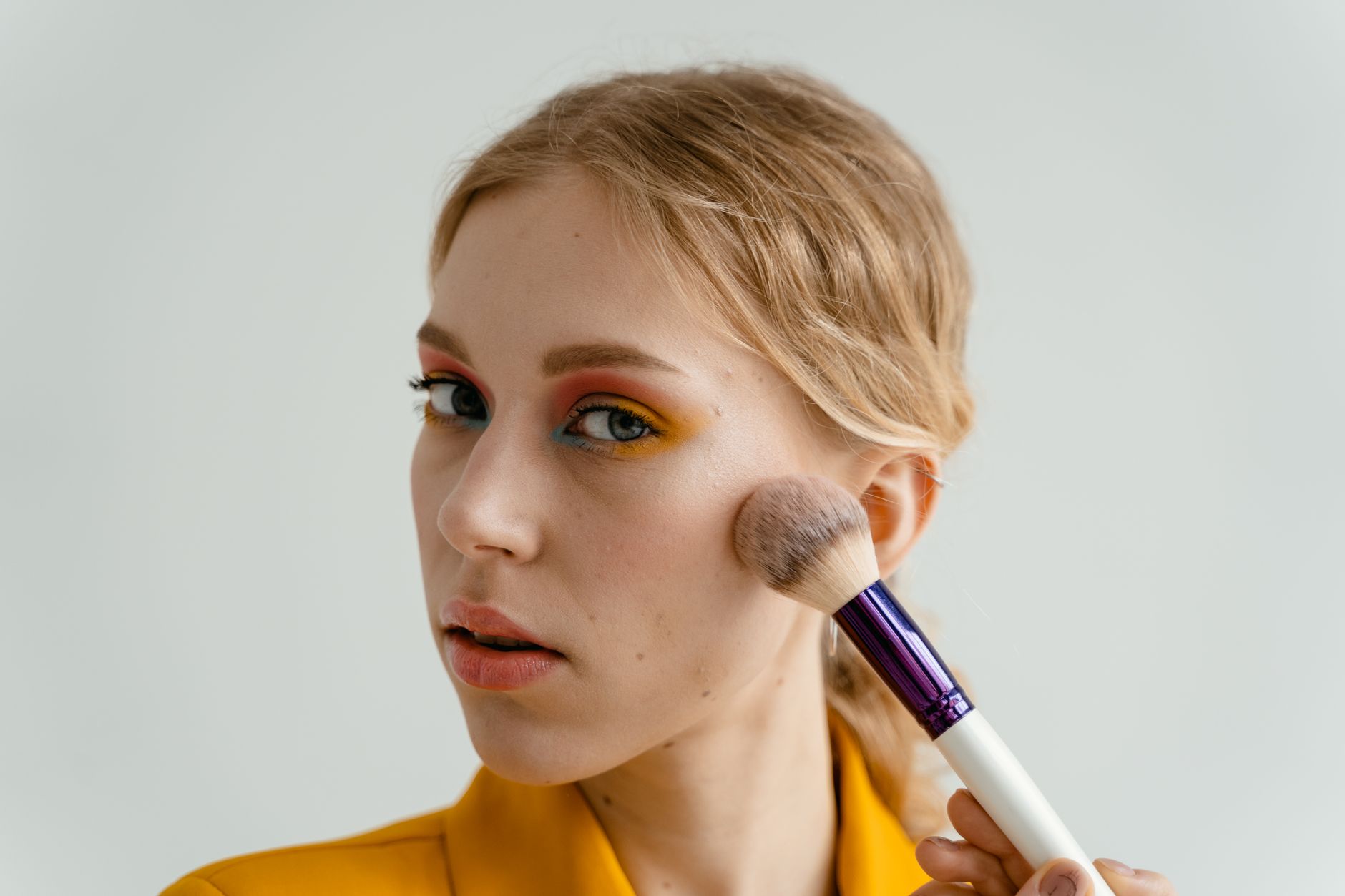
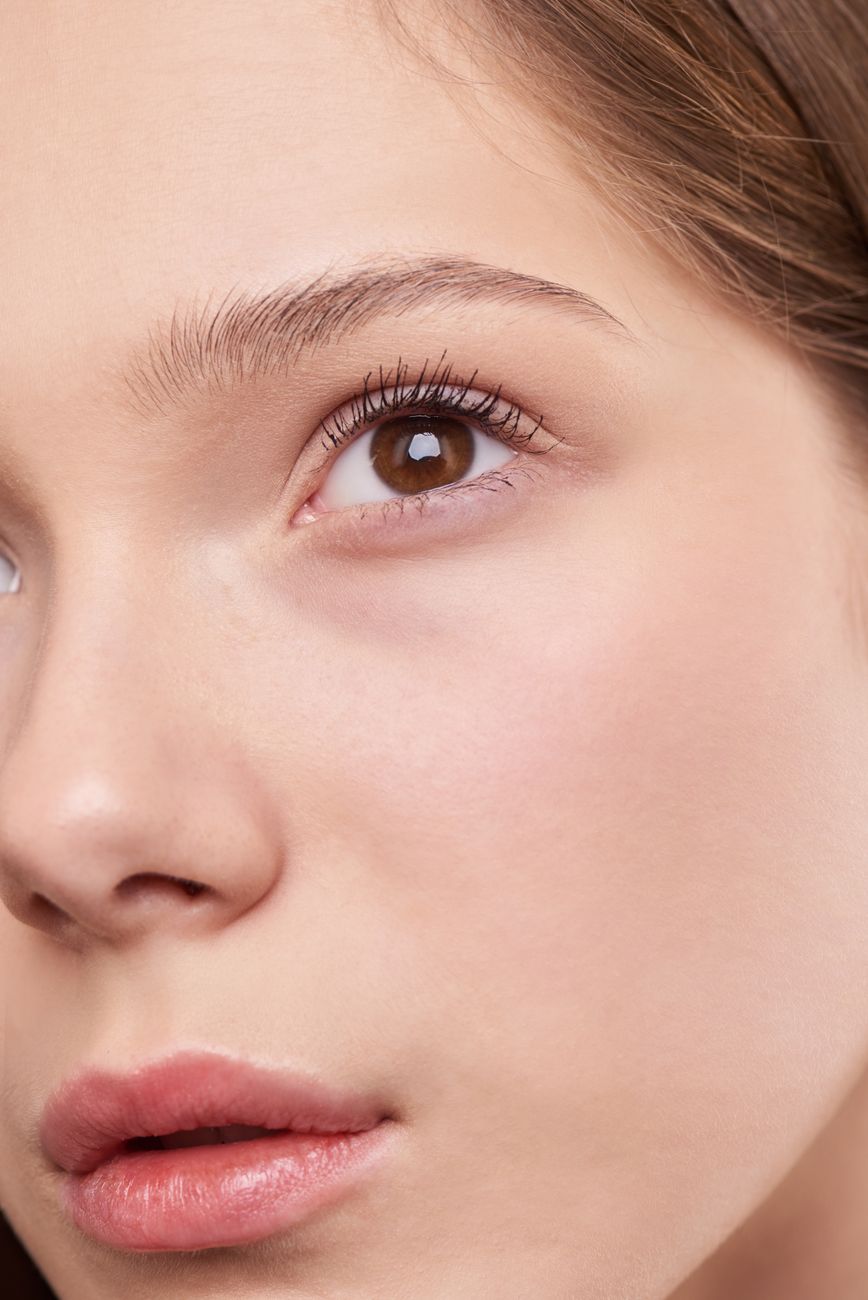
Forget apples of cheeks—boyfriend blush lives on the nose bridge and bleeds strategically into the inner eye area. The technique requires cream formulas (powder reads too intentional) applied with fingers, never brushes. Tutorial comments obsess over millimeter-precise placement: too high and you're sunburned, too low and you've just smudged your concealer. The goal is looking feverish in a way that suggests intrigue rather than illness, which turns out to be a remarkably narrow target.
Gen Z Discovers What Magazines Called 'Undone' in 2014
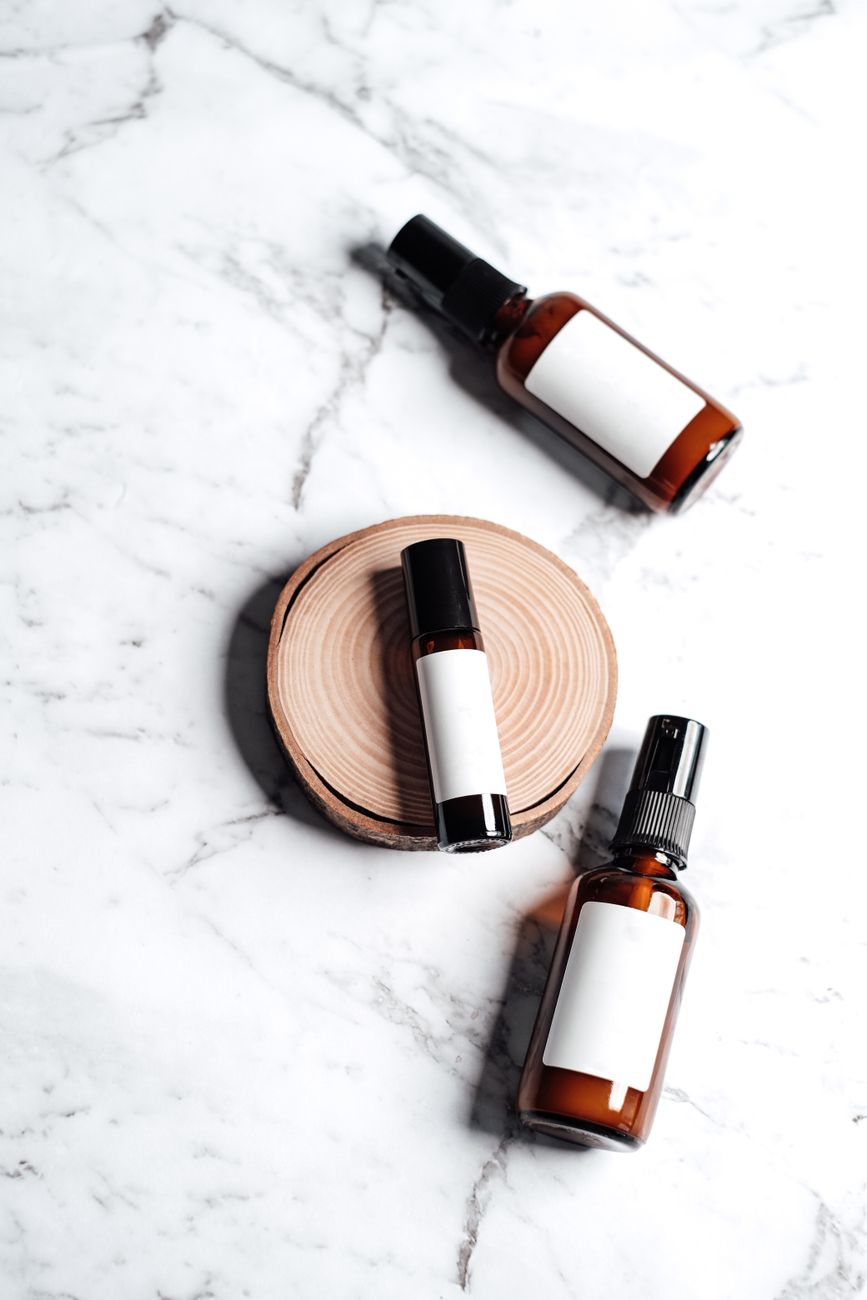
The fashion cycle eating itself again—this "groundbreaking" placement is lifted directly from editorial beauty circa Glossier's launch era, when dewy skin and bitten lips signaled expensive simplicity. The difference now is codification: what was once art direction has become algorithm-optimized instruction. Twenty-year-olds are breathlessly discovering the radical concept of not contouring, while beauty editors who lived through peak strobing are experiencing violent déjà vu. The trend isn't new, but the conviction that it is? That's fresh.
Product Development Sprints to Catch Up
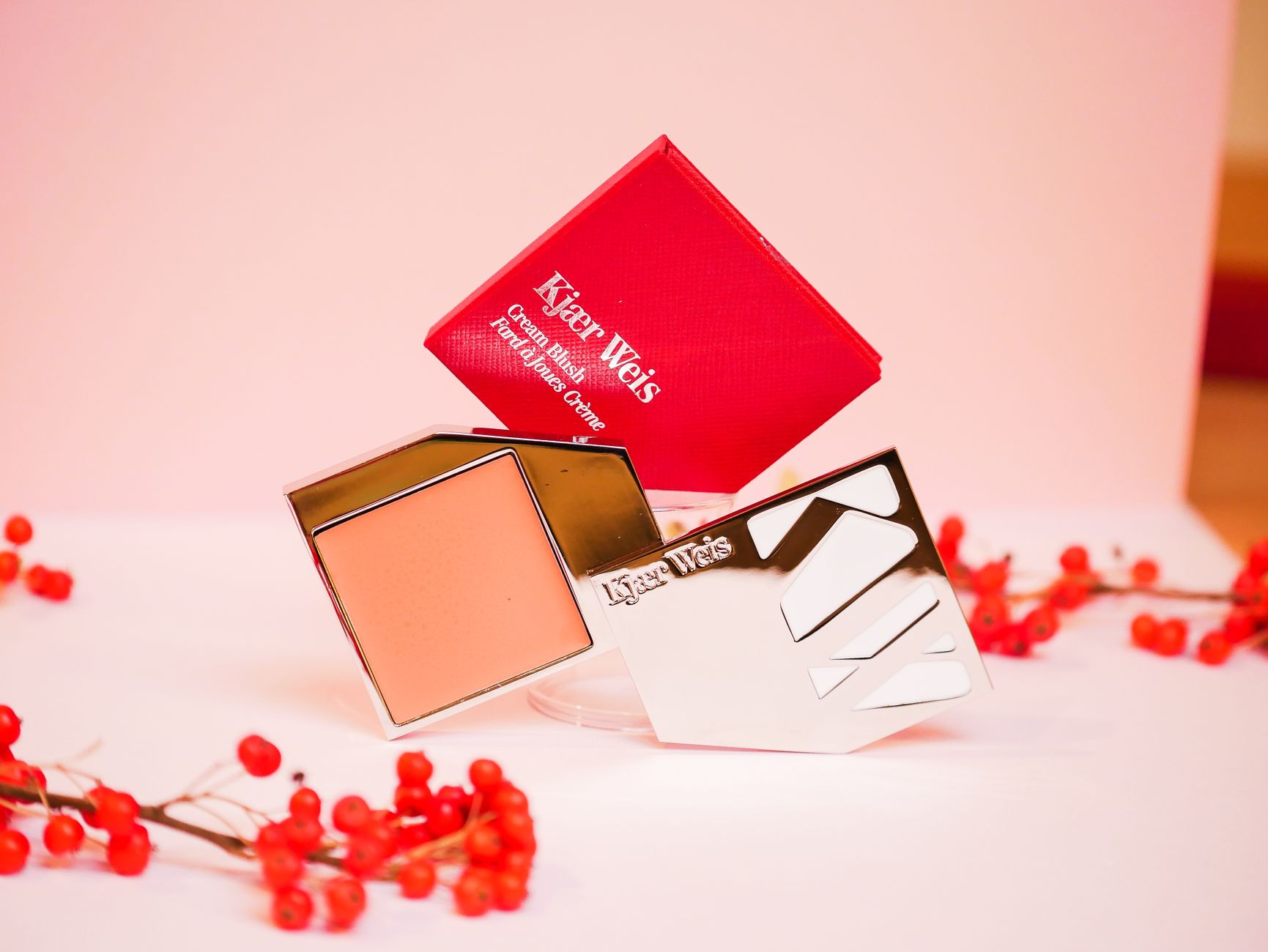
Brands scrambled to reformulate, suddenly pushing cream and liquid blushes after years of powder dominance. The ideal texture: emollient enough to blur seamlessly, pigmented enough to show up on camera, long-wearing enough to survive the workday you're pretending you don't have. Rare Beauty's liquid formulas became accidental trend heroes, while heritage brands launched "cushiony" cream compacts with names like Pillow Talk and Morning After. The market responded to manufactured spontaneity with products engineered for foolproof results, which rather defeats the original point.
The Male Gaze Industrial Complex, Repackaged
Call it boyfriend blush, call it the "just-woke-up" flush—the naming convention isn't subtle about whose fantasy we're serving. The aesthetic codes as naturally flushed, sexually suggested, casually beautiful without trying. That it requires specific products, detailed tutorials, and considerable practice is the joke we're all in on but nobody mentions. The trend packages feminine labor as effortless availability, which is depressingly consistent with how beauty culture typically operates. At least everyone's being marginally more honest about the construction involved.

When Anti-Contour Becomes Its Own Orthodoxy
The backlash to Instagram face has created its own rigid rulebook—no sharp lines, no obvious structure, nothing that suggests you've spent time. Boyfriend blush positions itself as the antidote to 2019's geometry, but watch enough tutorials and the dogma becomes clear. There's a correct way to look effortless now, complete with specific shade families (berry-pink, never coral), application tools (fingers or sponge, never synthetic brush), and finish (luminous, categorically not matte). We've simply traded one form of uniformity for another, this time with better PR.