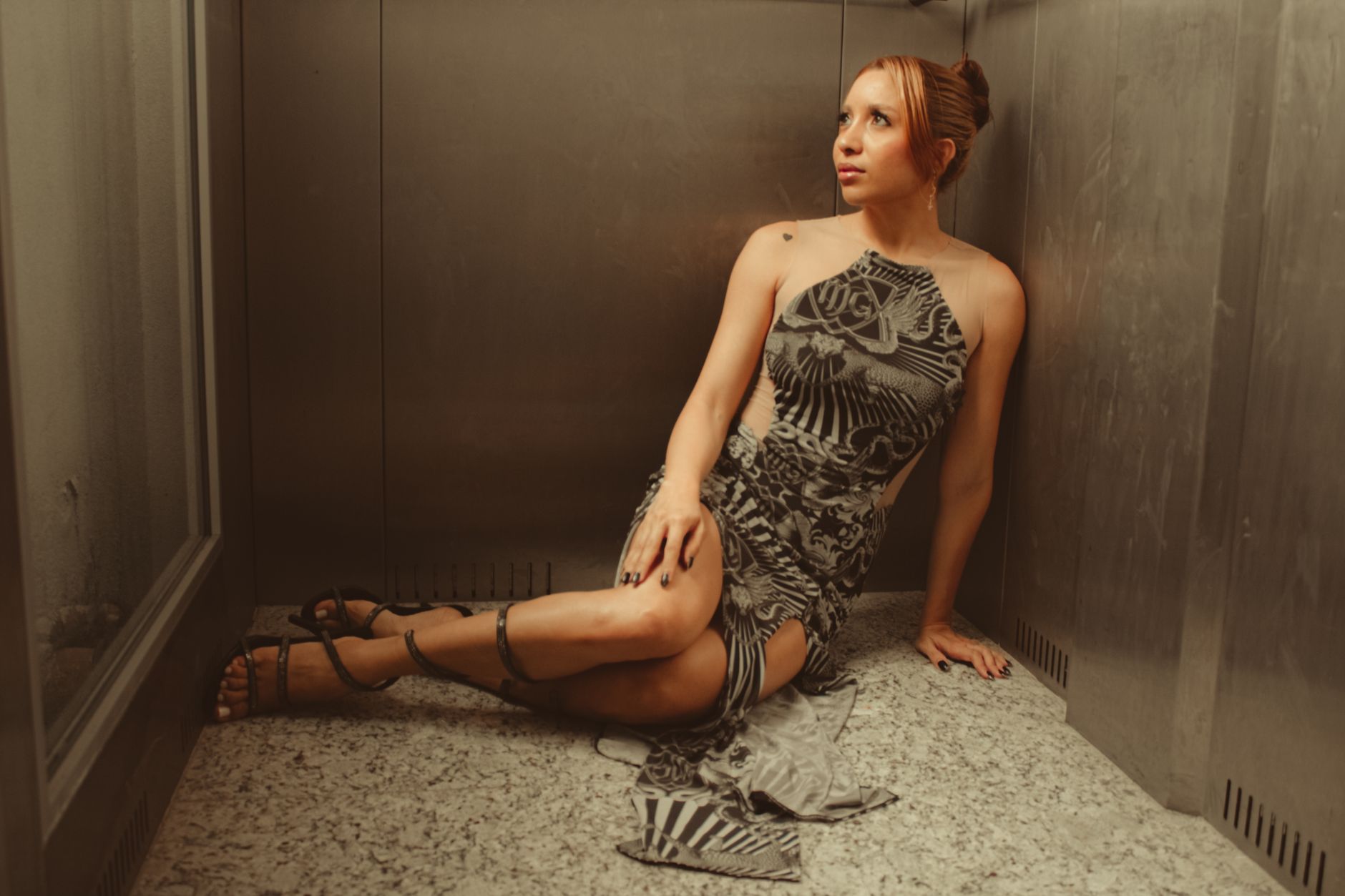
Fashion loves a new neutral, but burgundy isn't playing that game. What started as a sophisticated alternative to black has metastasized into something closer to a cultural mandate. Three seasons deep, and the wine-soaked shade continues its expansion across runways, retail floors, and rental feeds with the persistence of an invasive species.
This isn't millennial pink's gentle persuasion or Gen Z yellow's cheerful moment. Burgundy arrived with intention, occupying everything from Loro Piana cashmere to Zara pleather with the same authoritative presence. The question isn't whether you'll wear it—it's whether you've already surrendered without noticing.
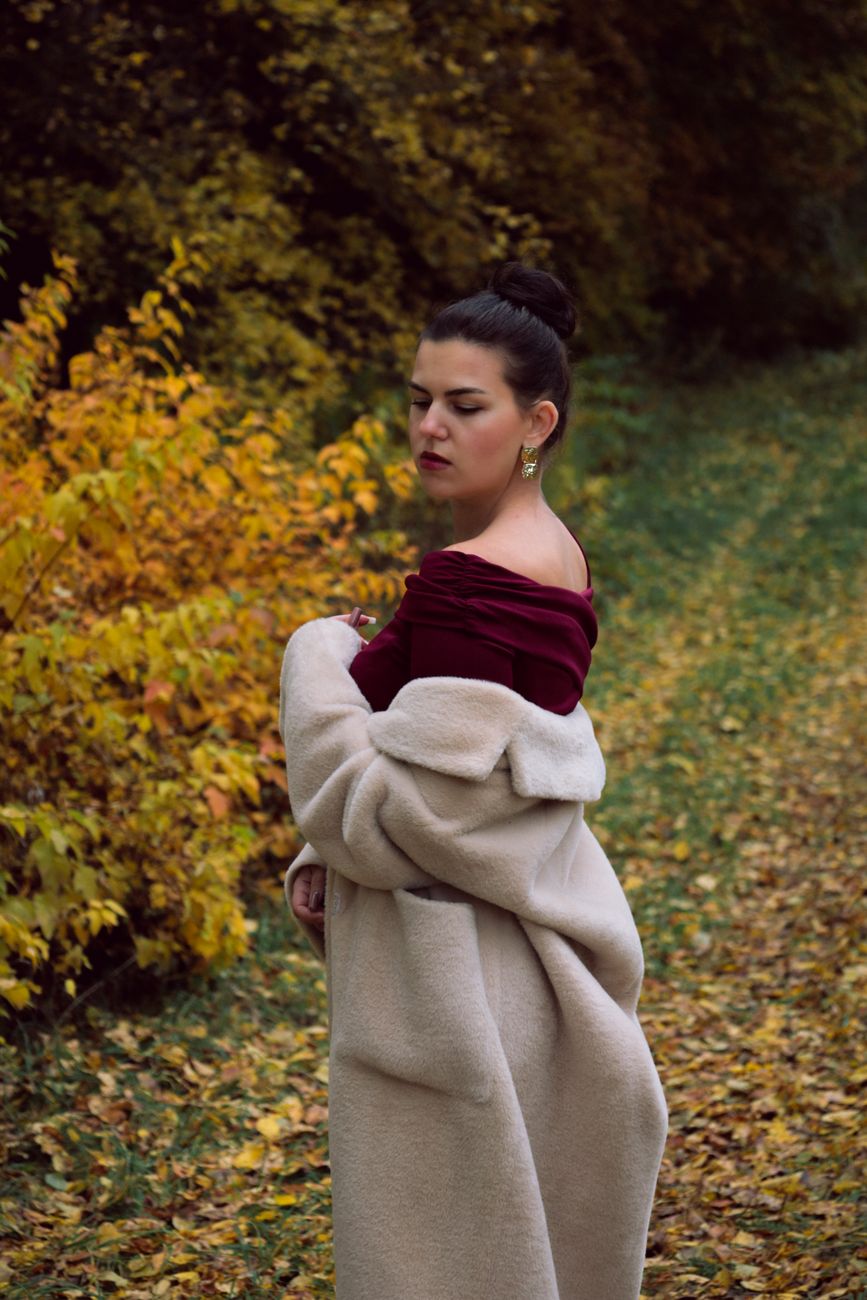
The luxury sector deployed it as stealth wealth's final form
Quiet luxury needed a color that wasn't beige, and burgundy answered with impeccable timing. Hermès, Brunello Cucinelli, and The Row built entire collections around its particular frequency of richness—dark enough to signal seriousness, saturated enough to register as a choice. It became the shade of people who stopped proving anything, which made everyone else want to prove they understood the assignment.
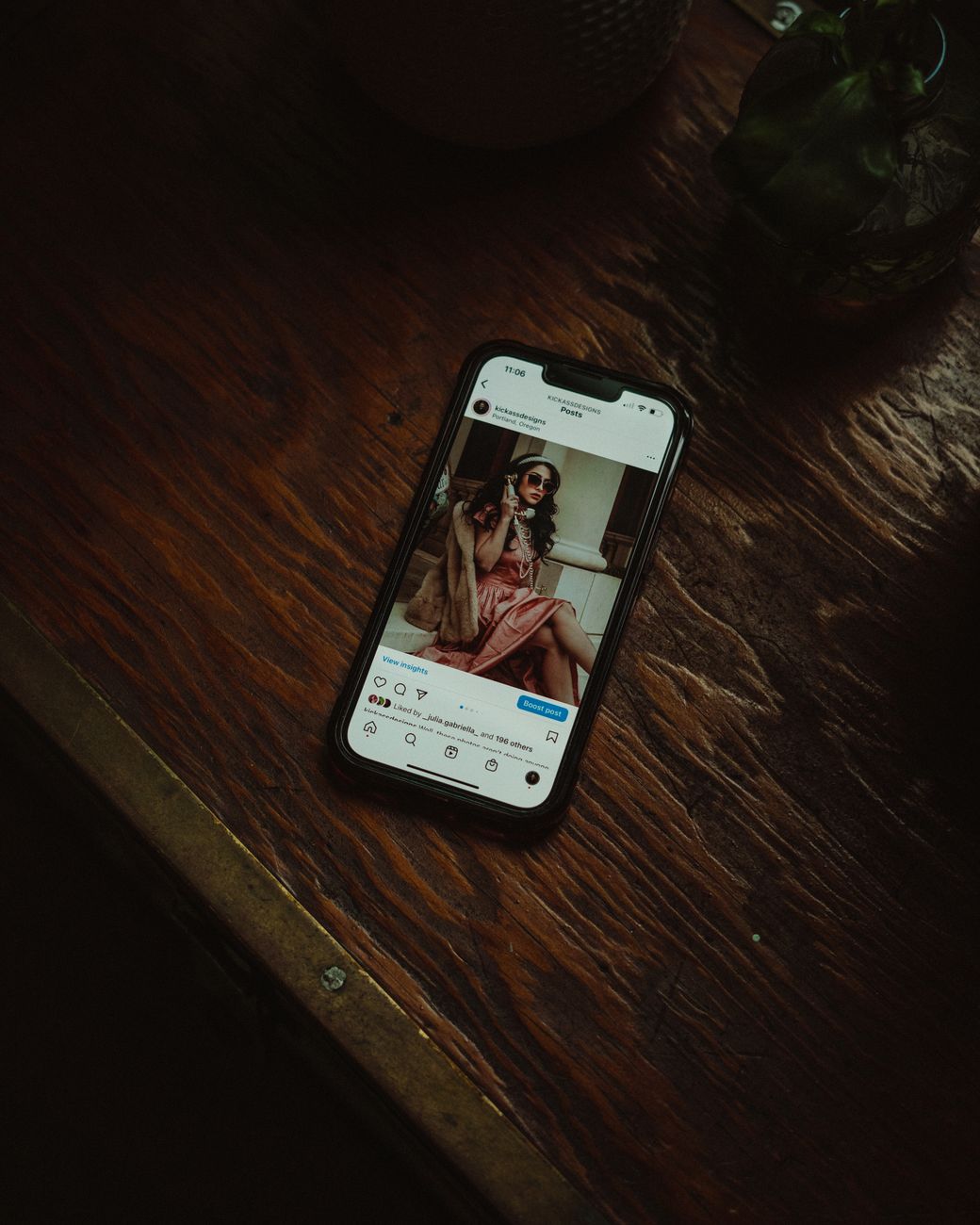
Social algorithms favored its photogenic moodiness
Burgundy photographs like a film still, which gave it algorithmic immortality. Against white sheets, autumn leaves, or marble countertops, it delivers that editorial melancholy Instagram's aesthetic economy runs on. Influencers discovered it reads as "curated" without effort, while brands learned it converts better than black in A/B tests. The feedback loop became self-fulfilling: burgundy performed, so feeds served more burgundy, so consumers expected burgundy.
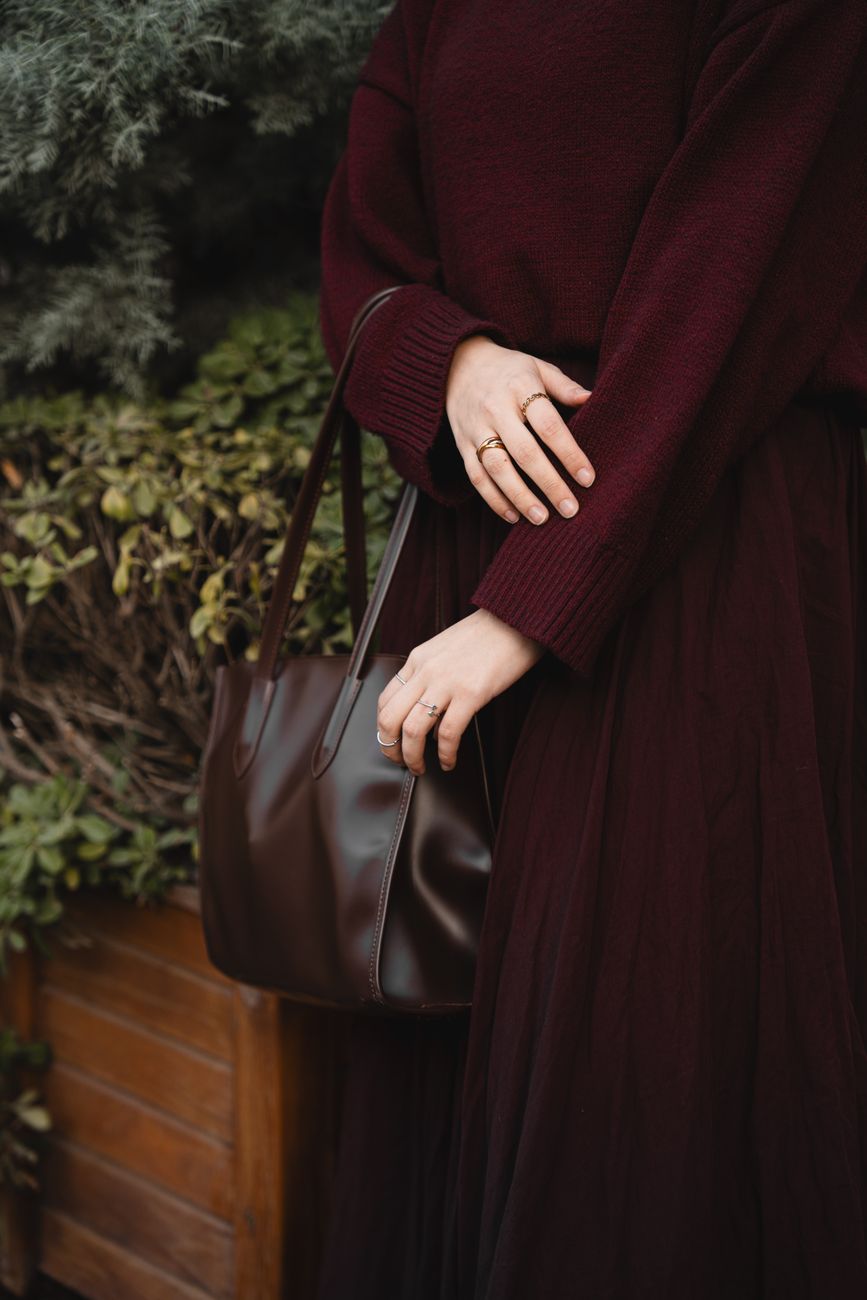
Fast fashion turned it into a risk-free investment piece
When Zara and Mango can convincingly replicate a Khaite knit in oxblood, the color becomes democracy in action. Burgundy's superpower is looking expensive regardless of price point—a £40 jumper carries the same visual weight as a £400 one if the shade is right. This accessibility accelerated adoption beyond typical early-adopter cycles, turning what should have been a niche moment into a mass-market uniform.
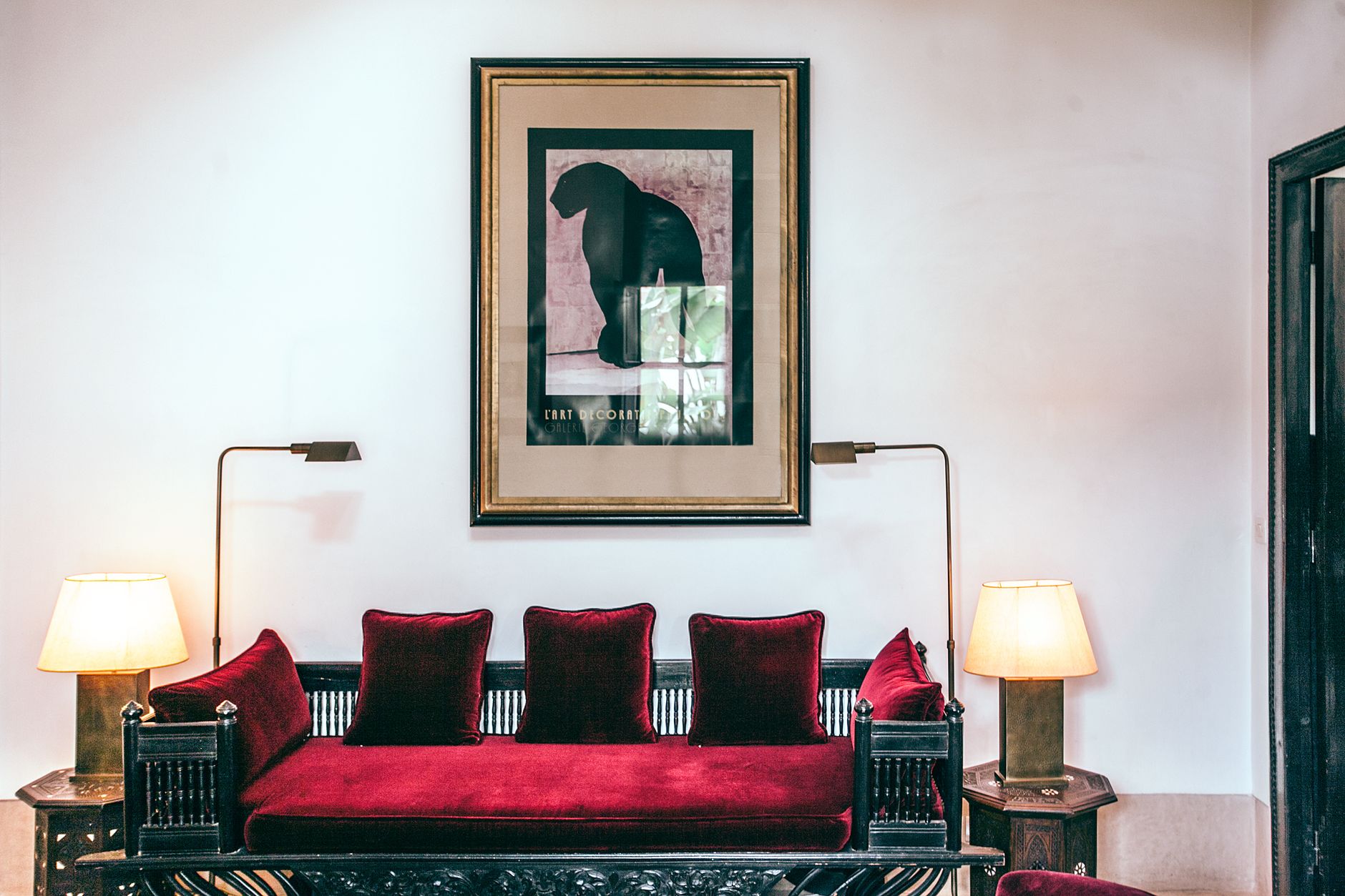
It colonized interiors, proving its cross-category ambitions
Fashion colors typically stay in their lane, but burgundy jumped categories with unusual aggression. Suddenly it's on Farrow & Ball paint cards, linen bedding, ceramic tableware, and those algorithmic furniture brands that redecorate your rental. The shade's migration from wardrobe to living space signals something stickier than a trend—it's a mood that infiltrated multiple consumption habits simultaneously, the way millennial gray did a decade ago.

The backlash keeps getting delayed by new entry points
Every season, critics predict burgundy's death, and every season it finds fresh territory. This autumn it's burgundy nails, burgundy lips, burgundy phone cases—peripheral goods that extend the lifecycle without requiring full wardrobe commitment. The color's elasticity across price points and product categories has made it functionally immune to fatigue. By the time you're tired of your burgundy coat, your neighbor is just discovering burgundy throw pillows.