The cardigan spent decades in fashion purgatory—relegated to school uniforms and suburban comfort. But something shifted. Somewhere between the return of '90s minimalism and the collapse of occasion dressing, the cardigan stopped being an afterthought and became the thought.
The new uniform isn't about buttoning up properly. It's about fastening only the top button—or maybe the top two if you're feeling conservative—and letting the rest fall open like a calculated accident. It's a move that transforms knitwear into structure, modesty into provocation, and basic into considered. The fashion set has spoken, and the cardigan-as-shirt is now law.

The Top-Button-Only Move Is Geometry, Not Accident
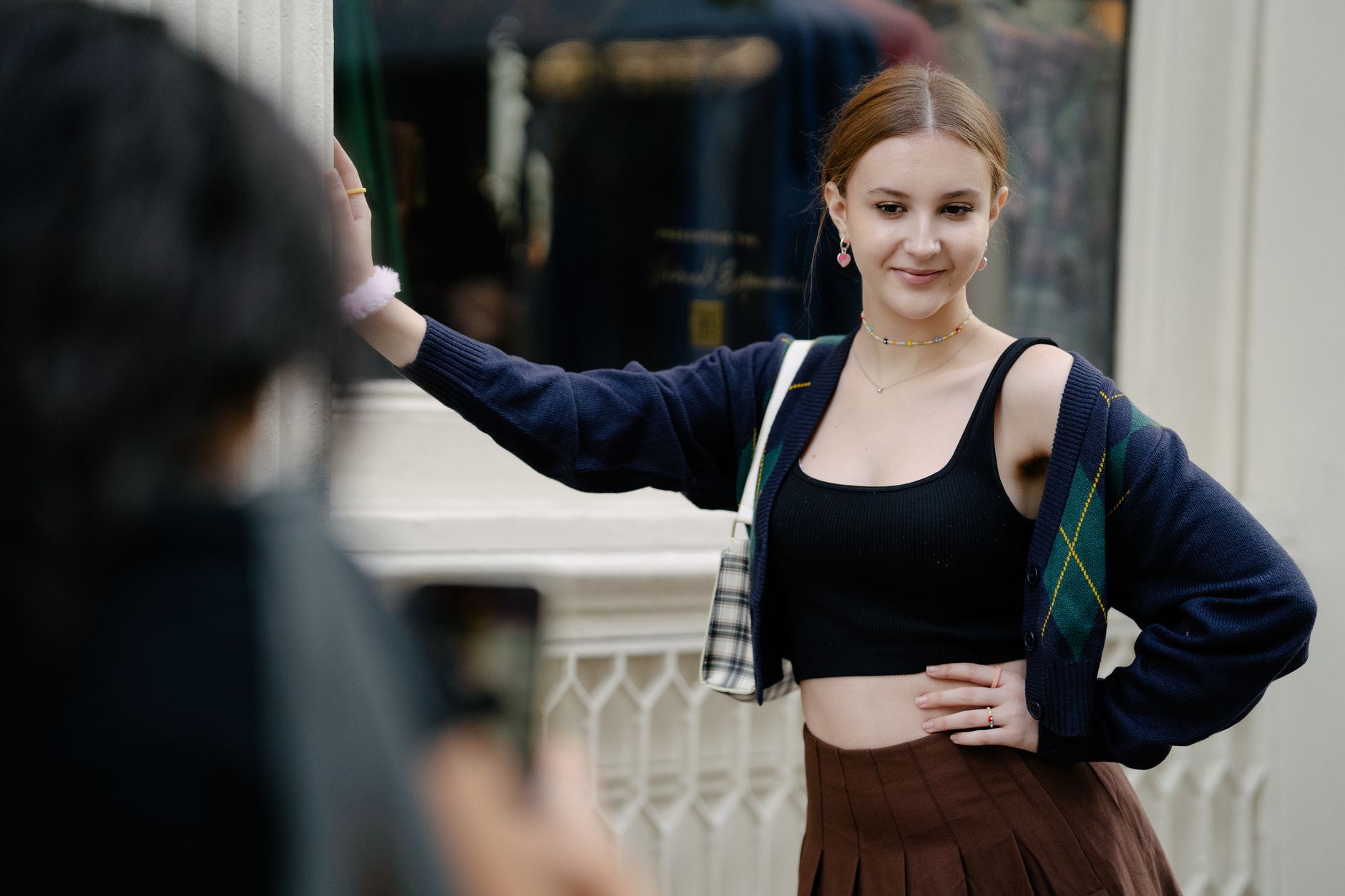
Fastening only the highest button creates a deep V that elongates the torso and frames the sternum—it's architecture, not styling. This isn't about looking undone; it's about looking deliberately composed while suggesting you might come undone at any moment. The cardigan becomes a blazer's cooler, less predictable cousin, offering structure without the corporate baggage. Designers from The Row to Khaite have leaned into this silhouette, proving that negative space can be just as powerful as fabric.

It Solves the Bra Problem Without Solving It
The top-button cardigan occupies that rare space where you can go braless without broadcasting it. The closed neckline offers just enough coverage to feel pulled-together, while the open front suggests skin without showing it. It's the sartorial equivalent of saying something without saying it—a trick that resonates in an era where less has become infinitely more interesting than more. This is discretion that doesn't read as modesty, and that tension is precisely the point.
Bella Hadid Made It Gospel, Then Everyone Else Followed
When Hadid started wearing vintage cardigans fastened only at the collar—paired with low-slung trousers and narrow sunglasses—the look went from styling trick to cultural moment. Her approach stripped the cardigan of its sweetness and recast it as something almost austere. The fashion industrial complex took note: what works on a supermodel also works on a copywriter in Brooklyn, a gallerist in Seoul, a consultant in London. The cardigan-as-shirt doesn't require a specific body or budget; it requires only commitment to the bit.
It's the Anti-Blazer for People Who Rejected the Blazer
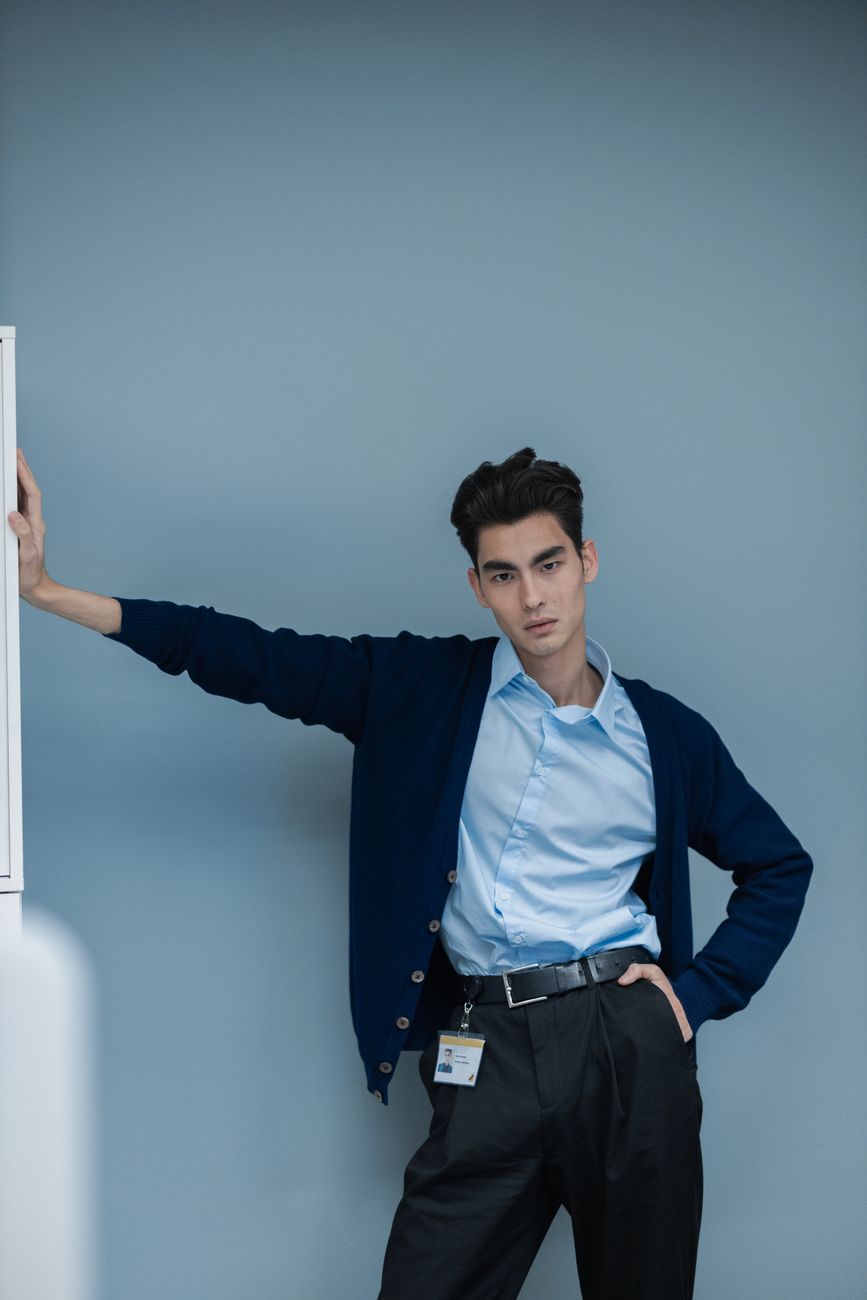
The blazer promised power dressing but delivered conformity. The cardigan offers the same sharpness—that same pulled-together silhouette—without the boardroom baggage. It's softer, more ambiguous, less legible as "trying." In a moment when traditional workwear has lost its authority, the buttoned cardigan reads as both professional and subversive. You can wear it to a client meeting or a first date, and in both contexts, it suggests you're someone who makes their own rules.
The Styling Is So Simple It Feels Like Cheating
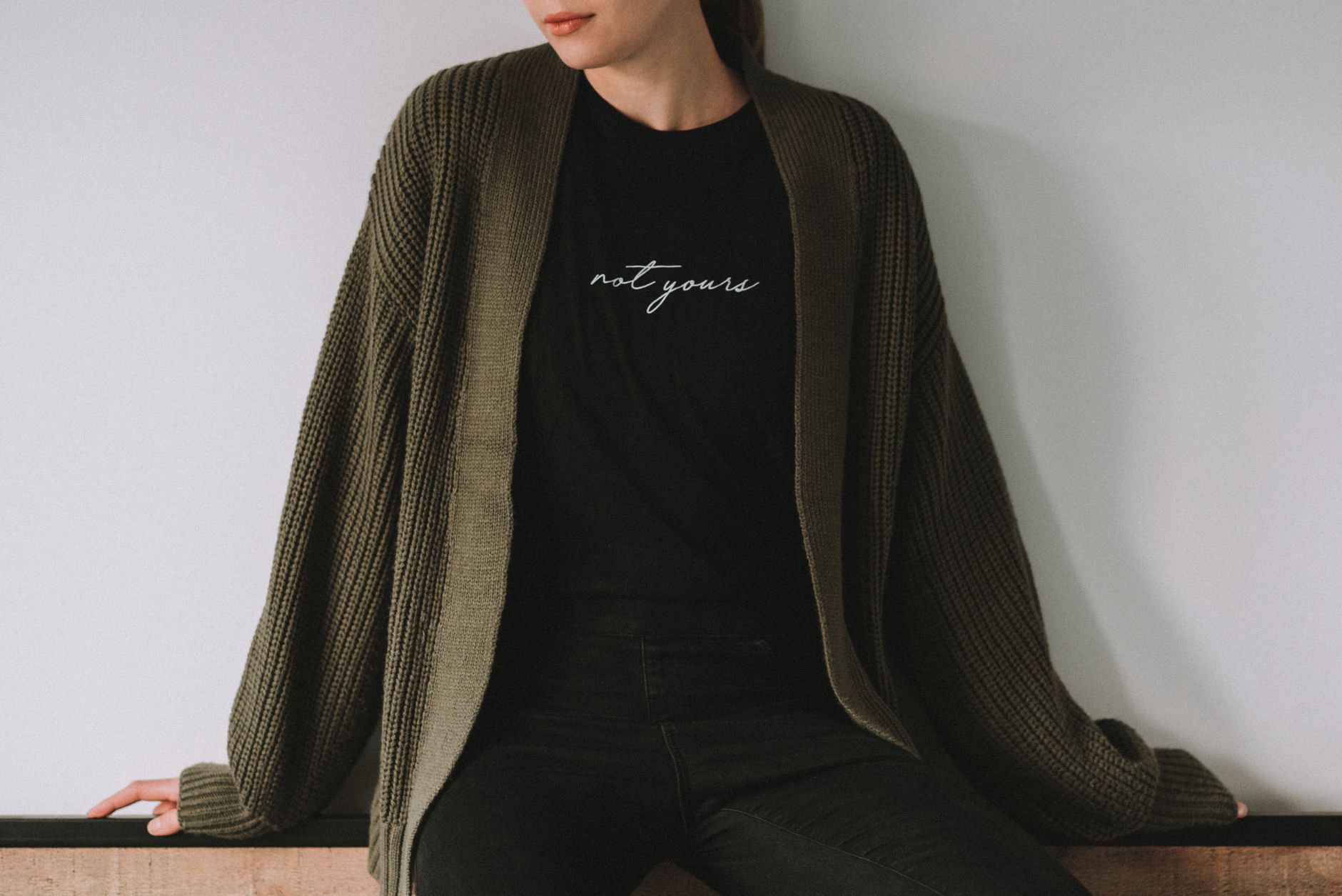
One cardigan, one button, straight-leg jeans or a slip skirt—done. The formula is almost insulting in its ease, which is exactly why it works. There's no layering complexity, no accessory choreography, no second-guessing. The look refuses to try hard, and in an overstyled world, that refusal is the ultimate flex. This is dressing for people who understand that confidence isn't about having more options—it's about knowing which one matters.