The collar—that architectural flourish, that marker of polish, that tiny frame for the face—has quietly exited stage left. What remains are raw hems that fray with intention, crews that look like they've been taken to with kitchen shears, and necklines that refuse to commit to a shape. This isn't about minimalism. It's about garments that look perpetually mid-edit, caught between construction and deconstruction.
From Margiela's unfinished edges to street-level DIY cuts proliferating on Depop, the disappearance of the collar signals something larger: a rejection of the composed, the buttoned-up, the ready-to-present. When the most intimate boundary of a garment goes ragged, everything downstream shifts. Here's what's surfacing at the neckline right now.
Raw Edges Replace Finished Hems
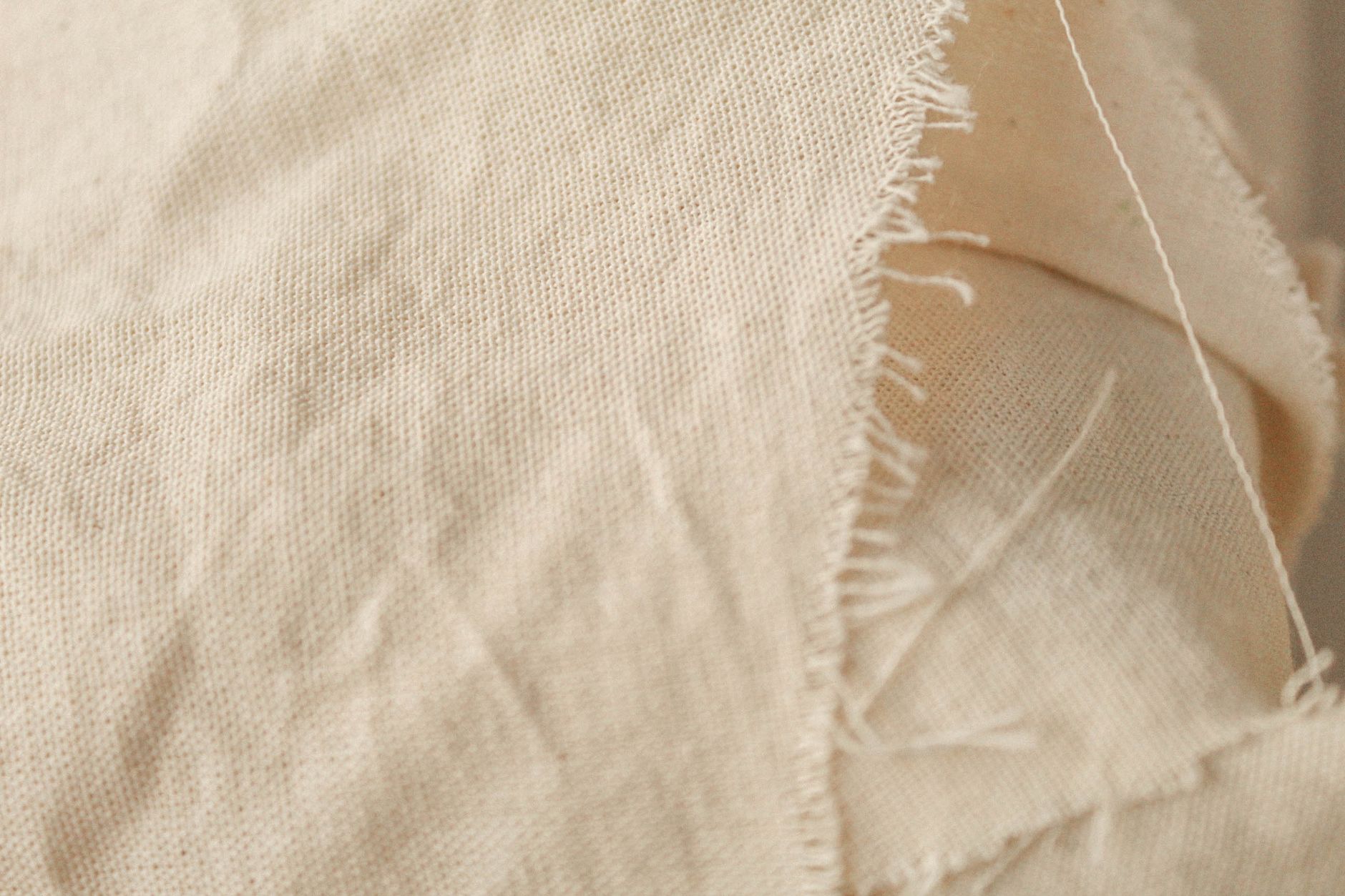
Designers are leaving necklines deliberately unfinished—exposed stitching, frayed threads, hems that curl inward or flare out depending on the fabric's mood. This isn't carelessness; it's a studied refusal of polish. The raw edge communicates a garment still in process, rejecting the idea that clothes should arrive perfected and static. What was once a couture crime is now the preferred vocabulary for everything from capsule collections to runway finales.

The DIY Cut-Off Crew Goes Luxury
What teenage bedrooms pioneered with scissors and old hoodies, high fashion has co-opted and repriced. The cut-off crew—collar severed mid-ribbing, leaving an asymmetrical or fraying edge—has migrated from thrift flips to designer racks. Brands like Acne and Lemaire are presenting these intentionally butchered necklines as ready-to-wear, erasing the line between customer customization and designer vision. The gesture reads as anti-authoritarian even when it costs four figures.

Necklines That Refuse to Sit Still
The new neckline slides, slips, never quite settles where it's supposed to. Wide-cut openings that fall off one shoulder, crews stretched just beyond their natural elasticity, boat necks that drift toward collarbone territory—these are garments designed to shift with the body rather than frame it. The instability is the point. A neckline that moves suggests a wearer who can't be pinned down, who resists being fixed in place by fabric or expectation.

Collarless Shirts Claim the Button-Down's Territory
The button-down without its collar—that Mandarin-adjacent, barely-there neckline—has become the uniform for a new kind of formality. It nods to traditional tailoring while gutting its most recognizable feature. Labels like The Row and Toteme have made the collarless shirt their signature, a garment that reads as considered without performing propriety. It's formal dress for people who find conventional formality suffocating, a way to show up without conforming.

Necks Exposed, Jewelry Rendered Irrelevant
When the neckline goes raw or vanishes entirely, the throat becomes the focal point—not as a site for adornment, but as negative space. The trend has quietly rendered necklaces redundant. Why layer metal when the architecture of the collarbone and the texture of skin provide all the interest a look needs? This shift privileges the body itself over what decorates it, a quiet radicalism that recalibrates where we're trained to look for beauty.