The wrap top entered fashion history as a solution. Diane von Furstenberg's 1974 wrap dress liberated women from zippers, from tailors, from the tyranny of standardized sizing. You tied it where your body needed it tied. It expanded with you, contracted with you, accommodated you.
Fifty years later, that same garment arrives with its ties permanently stitched into a bow. The adjustability—the entire structural premise—has been designed out. What remains is a regular top with decorative ribbon detail, a costume of adaptability rather than the thing itself.

1. The Pre-Tied Proliferation
Walk through Zara, Reformation, or & Other Stories and count the "wrap" tops with ties sewn permanently in place. The garment no longer wraps—it pulls over your head like any other knit top, the signature ties serving purely aesthetic function. Brands have systematically removed the mechanism that made wrap construction meaningful, keeping only its visual signifiers.
2. Manufacturing Logic Trumps Body Logic
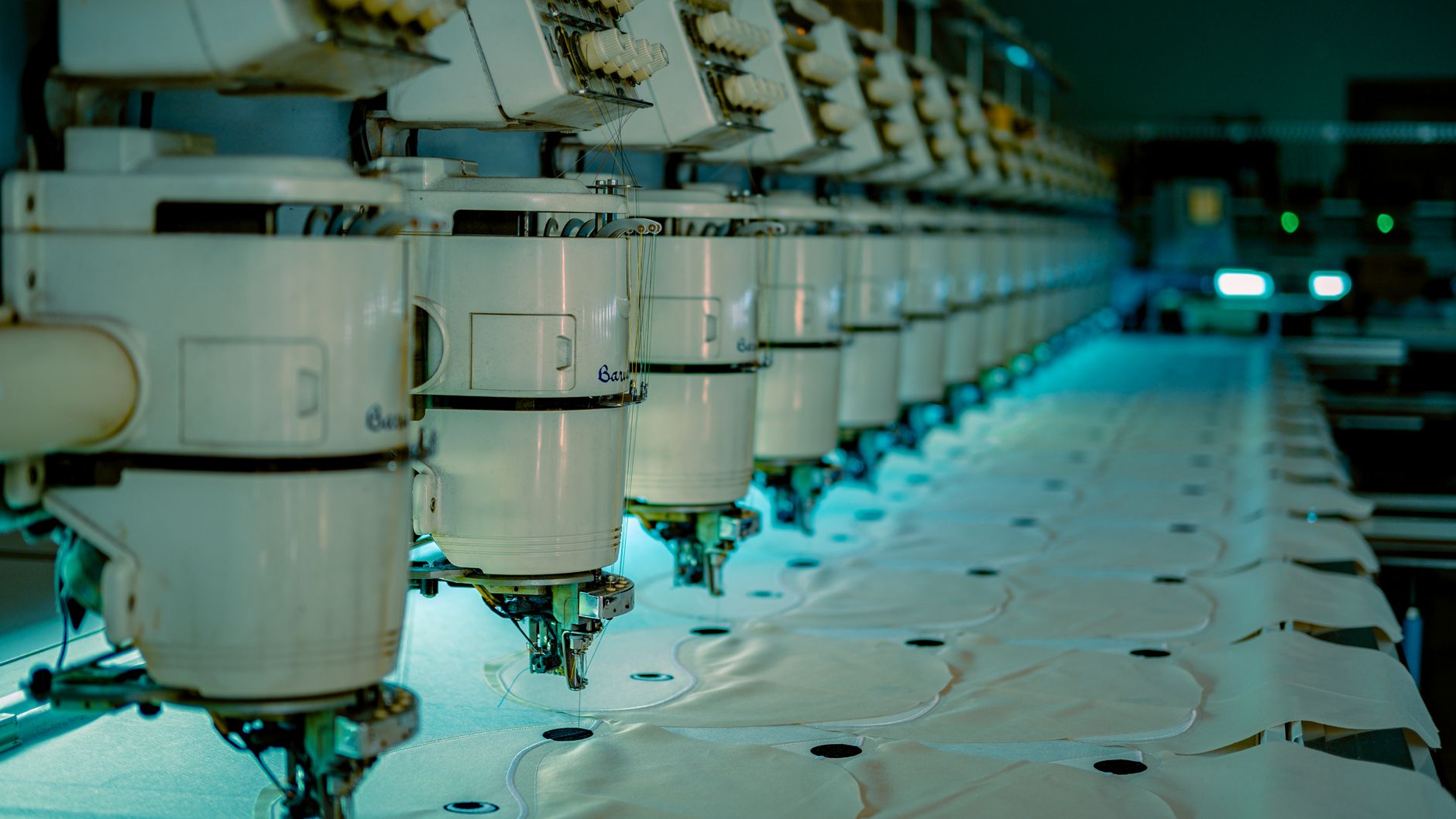
Pre-tying a wrap top eliminates variability on the production line. No quality control needed for tie length, no customer service questions about "how to wear it," no returns because someone tied it wrong. Fast fashion optimizes for factory efficiency, not human bodies. The wrap top became a casualty of this calculus—easier to manufacture as a fixed garment with fake ties than as an actually adjustable one.
3. The Illusion of Inclusivity
Brands sell pre-tied wrap tops in Small through XL, inadvertently highlighting the absurdity. The original wrap design made sizing categories nearly obsolete—you adjusted it to your body. By fixing the ties, brands reintroduce the exact sizing limitations the wrap was invented to solve. They've turned fashion's most size-democratic garment into just another item that may or may not fit you.
4. TikTok Tailoring as Pushback
A countermovement is documenting the absurdity. Videos show people cutting the stitches that hold pre-tied bows in place, liberating the ties to function as originally intended. The comments are unanimous: "Why did they sew this shut?" These aren't styling hacks—they're customers literally undoing what manufacturers did, reclaiming adjustability that should never have been removed.
5. Vintage Markets Prove the Point
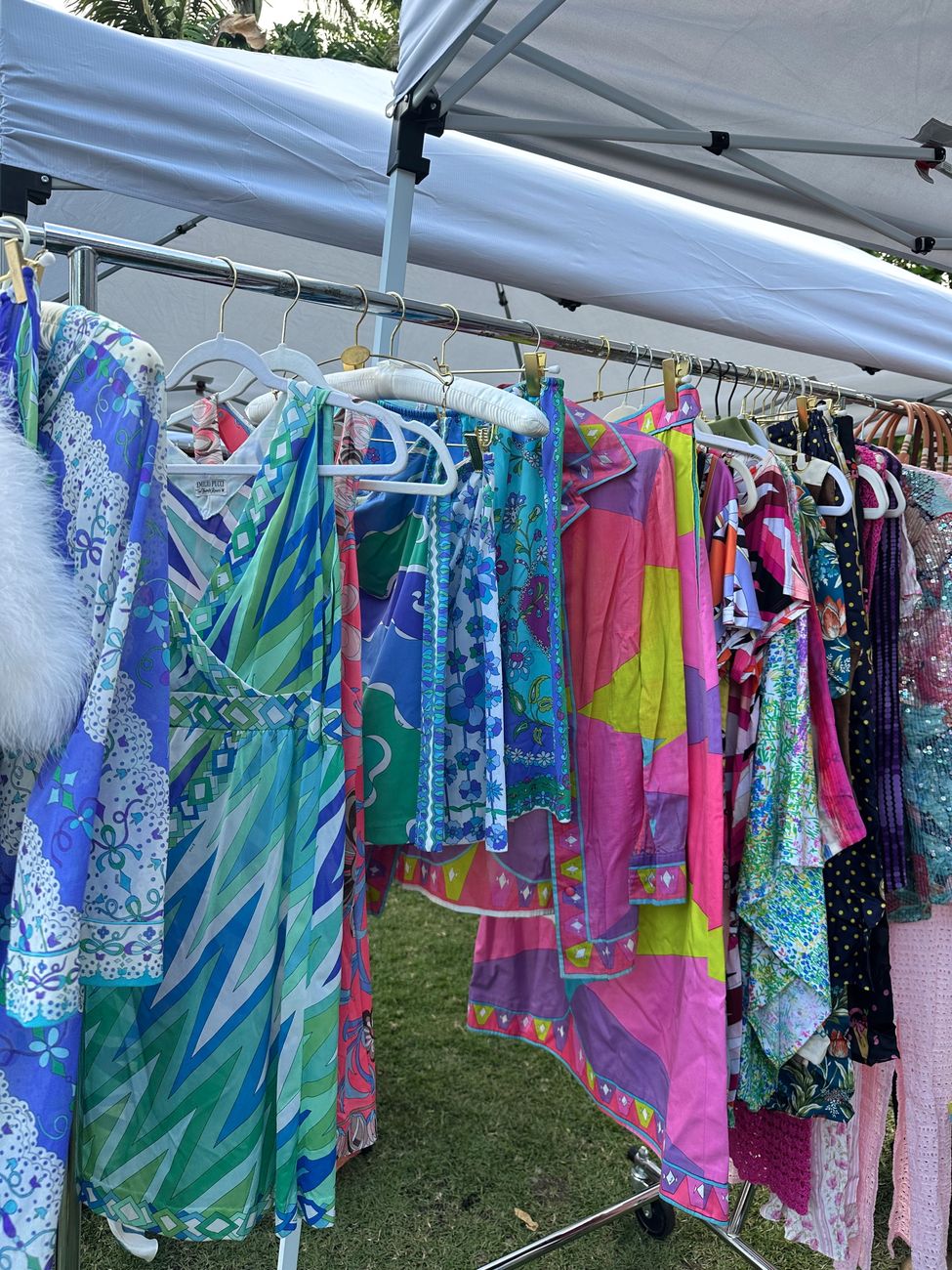
Properly constructed vintage wrap pieces from the '70s through early 2000s are outperforming contemporary versions in resale markets. Buyers specifically note "real wrap ties" and "actually adjustable" in listings because it's become a distinguishing feature rather than a given. The vintage market is inadvertently archiving what wrap construction used to mean before it became decorative shorthand.
6. The Pattern-Making Skill Gap
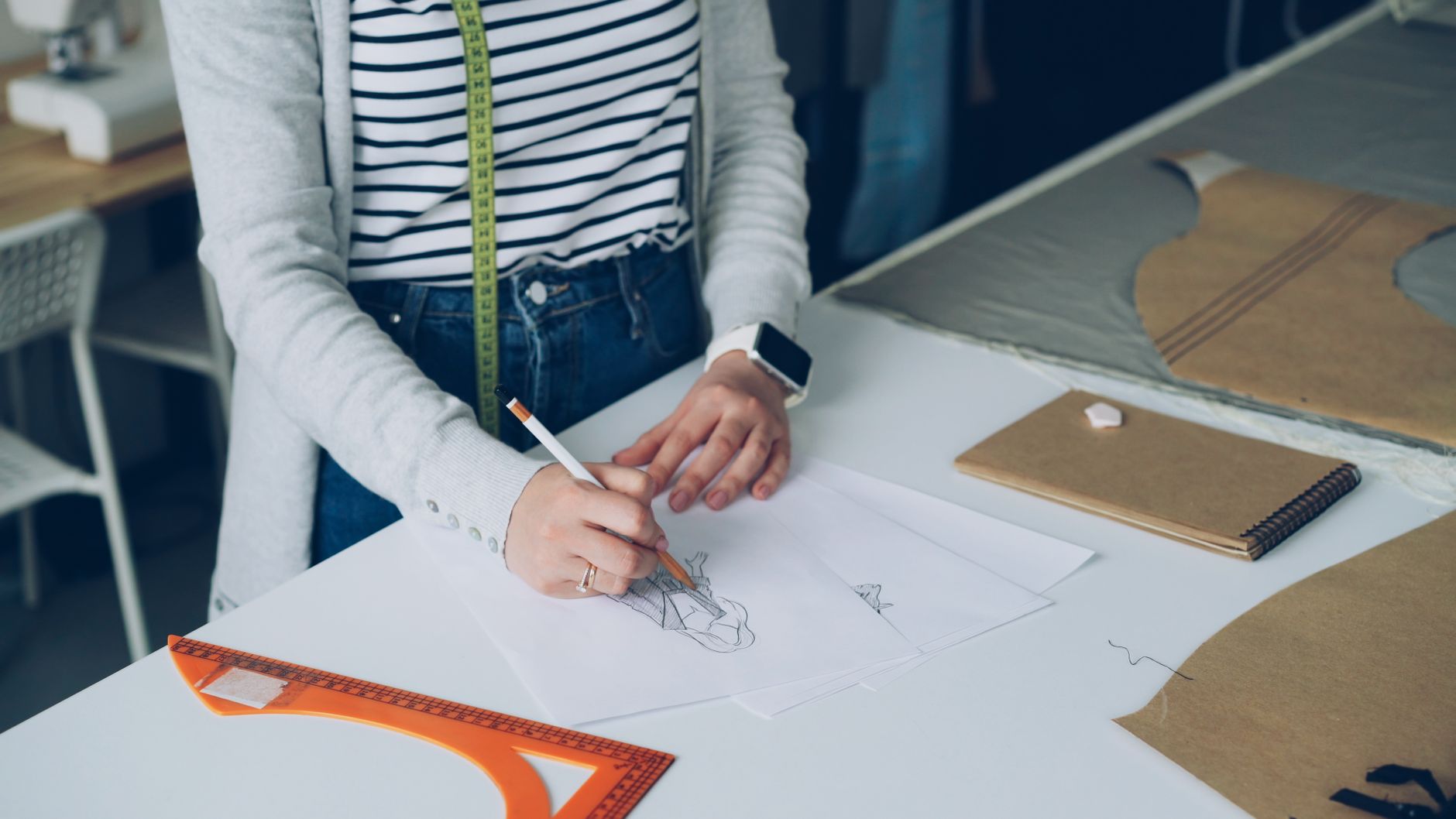
Designing a true wrap garment requires understanding tension, tie placement, and how fabric moves around a three-dimensional body. It's a specific technical skill that's apparently no longer standard in fast fashion design rooms. Pre-tied versions suggest an industry that's forgotten how to engineer the original—or decided that engineering isn't worth the cost. Either explanation is damning.

7. What We Lose When Details Stop Working
The pre-tied wrap top is a microcosm of a larger problem: fashion details that no longer function. Pockets sewn shut, zippers that don't unzip, buttons that are purely decorative. When a wrap top stops wrapping, we're not just losing adjustability—we're accepting that clothing can look like it does something without actually doing it. The visual language of function becomes decoupled from actual function, and we're all supposed to pretend not to notice.