Colored tights crawled back from the costume jewelry bin, but they left the quirk behind. What arrived instead: a harder, more deliberate silhouette that refuses to charm. This isn't the playful hosiery of ModCloth nostalgia or indie fashion bloggers circa 2012—it's legwear with a scowl.
The shift reads as intentional. Women are wearing burgundy, forest green, and charcoal like second skin, not statement pieces. The effect is less "notice me" and more "I've made a decision." There's a quiet hostility in the refusal to keep things neutral, to stay beige and safe. Colored tights became the sartorial equivalent of not smiling back.

Opaque as a Boundary, Not a Vibe
The new colored tight sits dense and opaque—no sheerness, no peek of skin. It's a full barrier, deliberate coverage that reads like a closed door. This isn't about flirtation or accidental charm; it's about creating distance. The opacity itself became the point, a physical manifestation of boundaries women stopped apologizing for setting.
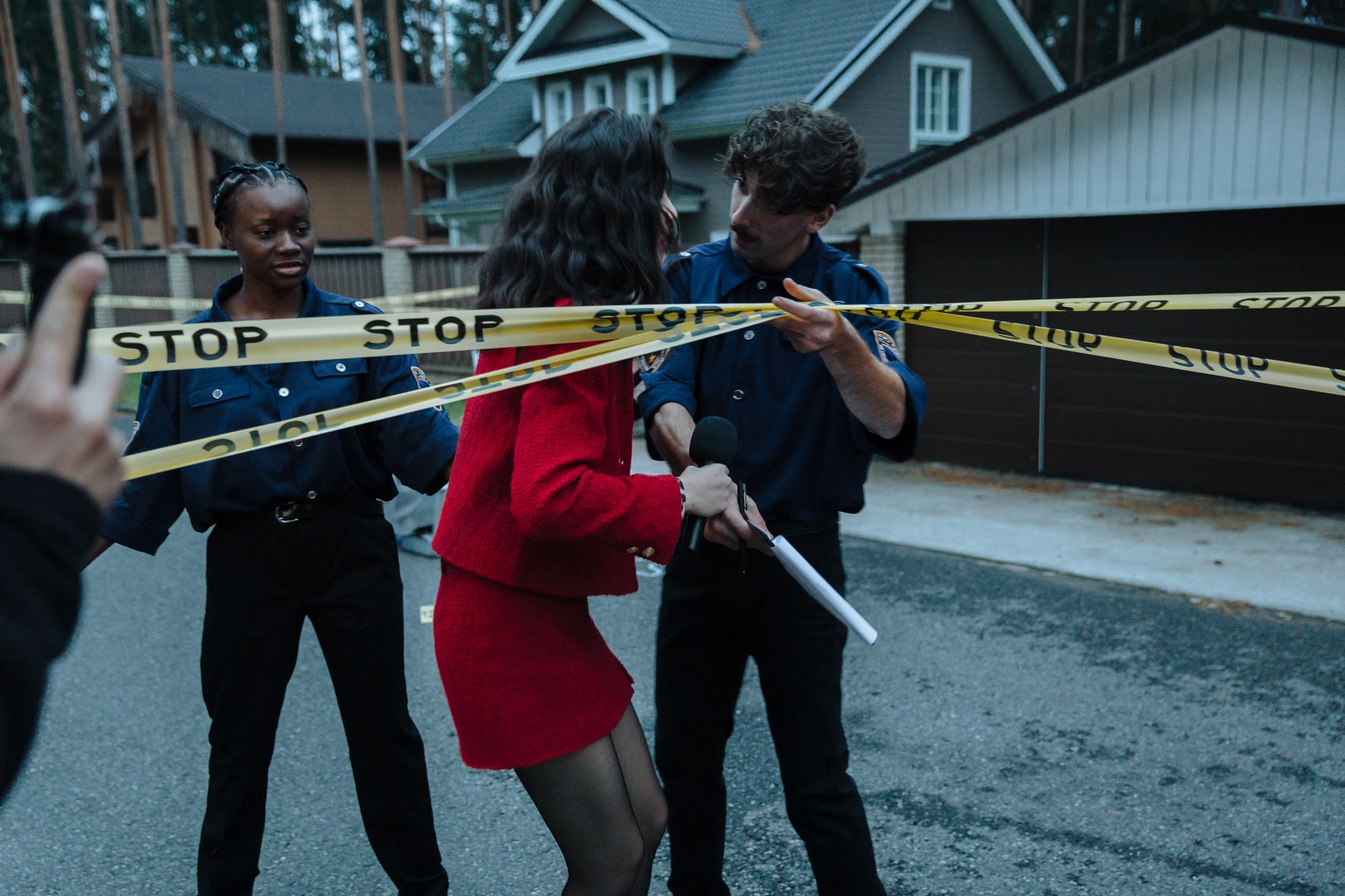
Burgundy Became the Uniform of Women Who Stopped Explaining Themselves
Burgundy hosiery moved from seasonal accent to year-round declaration. It codes as intellectual and slightly severe—the color of old libraries and dried blood, not whimsy. Women pair it with black boots, tailored shorts, academic blazers, building outfits that require no context or justification. The shade itself carries weight, a refusal to traffic in pastels or perform softness.

Forest Green Signaled Unearned Confidence
Deep green tights arrived with the energy of someone who's already decided they're right. Not the optimistic green of spring, but the shadowed green of dense woods—complicated, a little dangerous, unwilling to be decorative. The shade pairs with black and gray in combinations that feel considered but not precious, outfits assembled by women who've stopped seeking approval for their aesthetic choices.
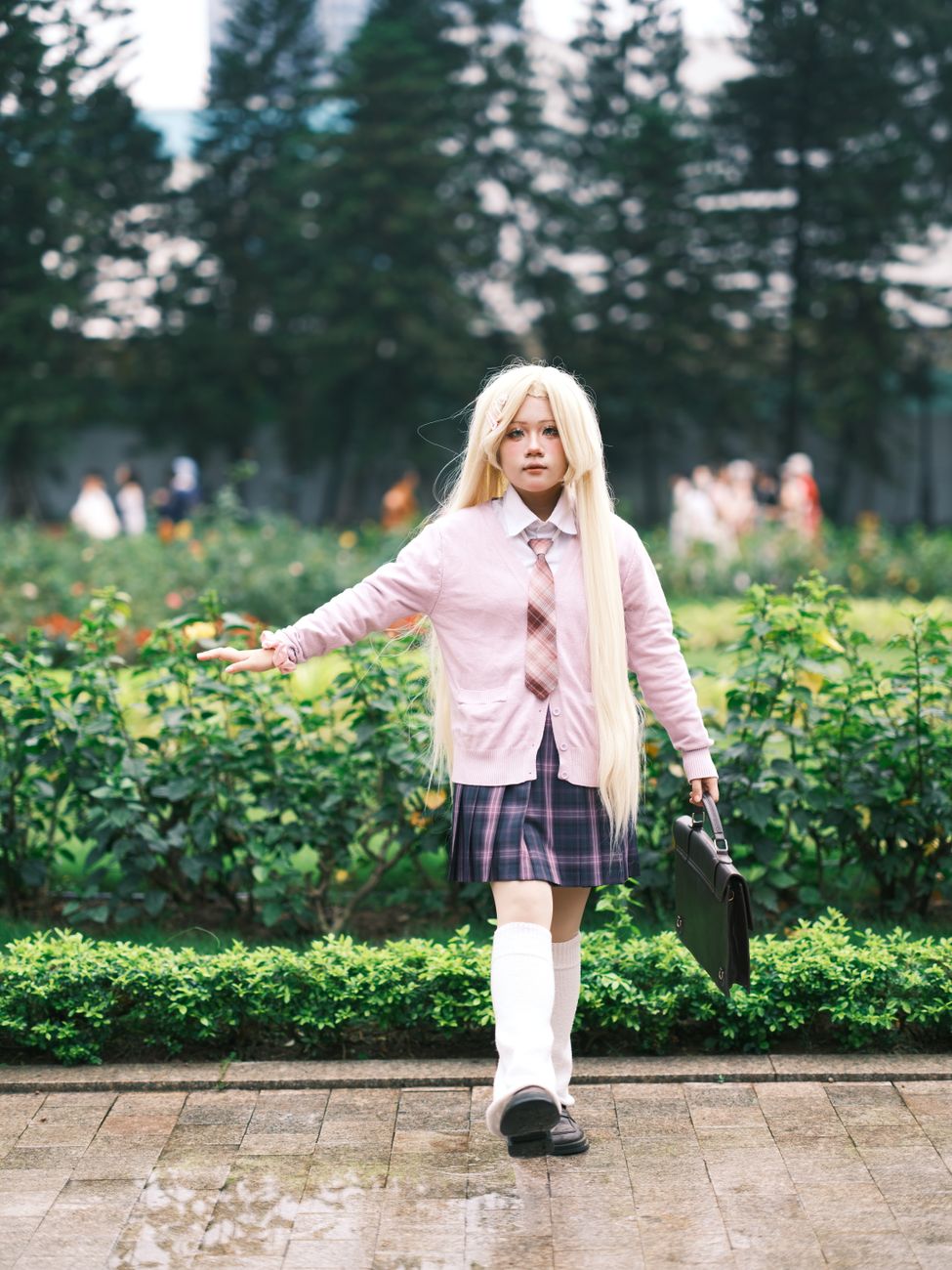
The Schoolgirl Reference Got Cold
Navy and charcoal tights still carry private school DNA, but the reference turned glacial. Where it once suggested innocent nostalgia, it now reads as institutional—uniformed, regulated, operating within systems but not subordinate to them. The look traded sweetness for structure, building outfits that reference tradition while refusing to be diminished by it. This is prep school after everyone stopped trying to be likable.
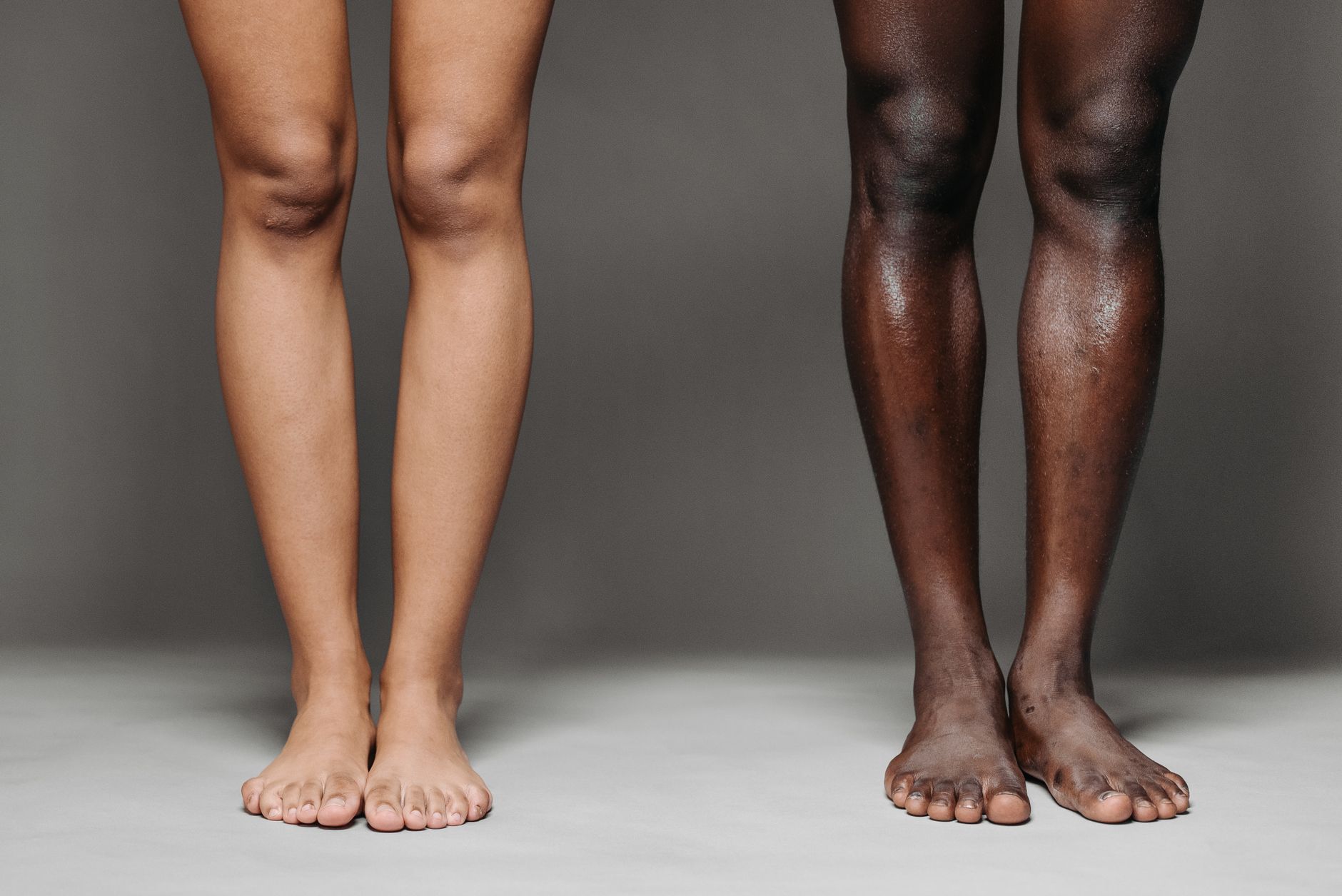
Bare Legs Became the Radical Choice
In the return of colored tights, going bare started to look defiant rather than default. Coverage became so standard that exposed skin read as deliberate vulnerability or stubborn resistance. The absence of hosiery began carrying its own message—either performative insouciance or a rejection of the newly established dress codes. Choosing not to participate became its own statement.
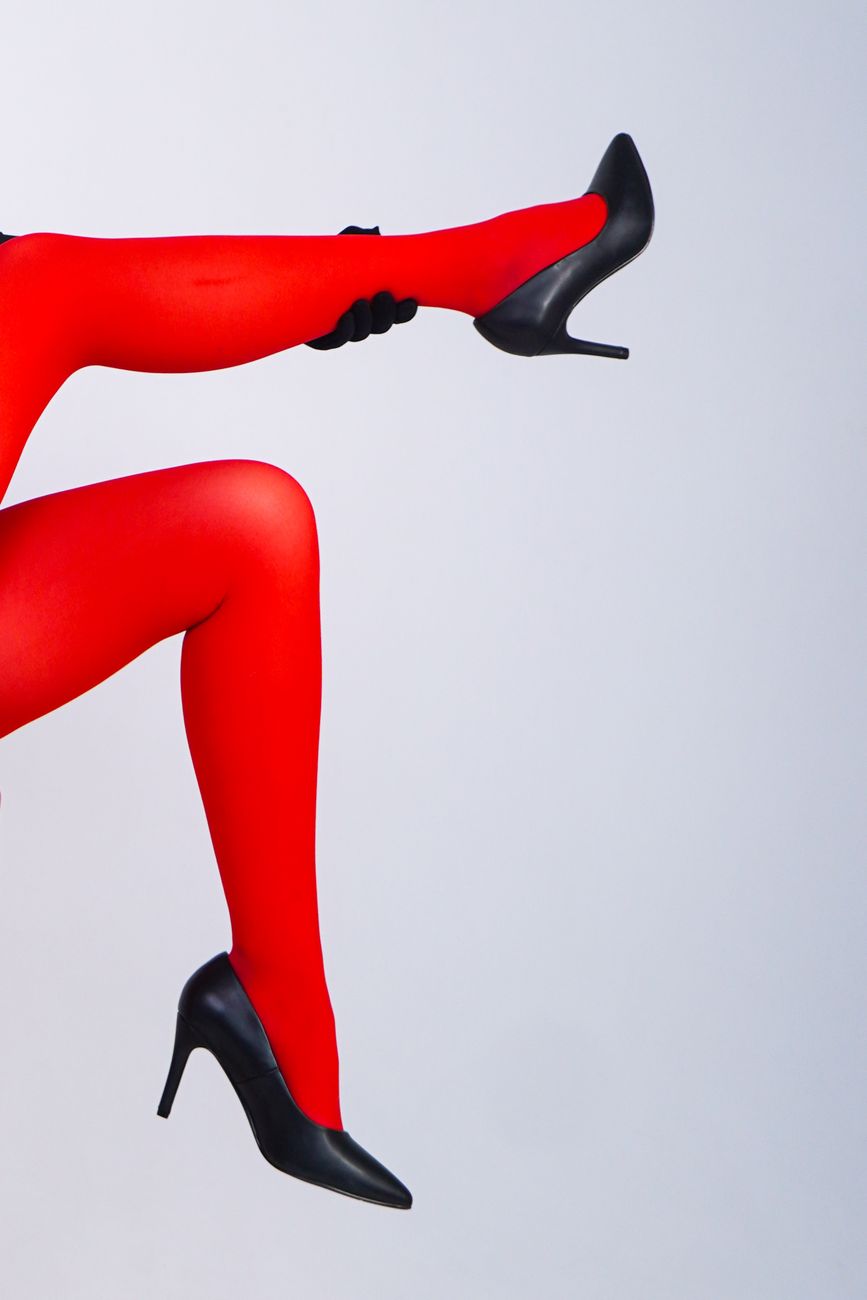
Colored Tights Became Commute Armor
The practical reality: colored tights absorbed into daily uniform as functional protection, not fashion experiment. Women wore them on trains and buses, walking to offices, running errands—moments when clothing needs to work, not perform. The colored tight stopped being an occasion and became infrastructure, the kind of garment you pull on without thinking because it solves problems: cold, chafing, the maintenance of looking intentional when you're just trying to get through the day.
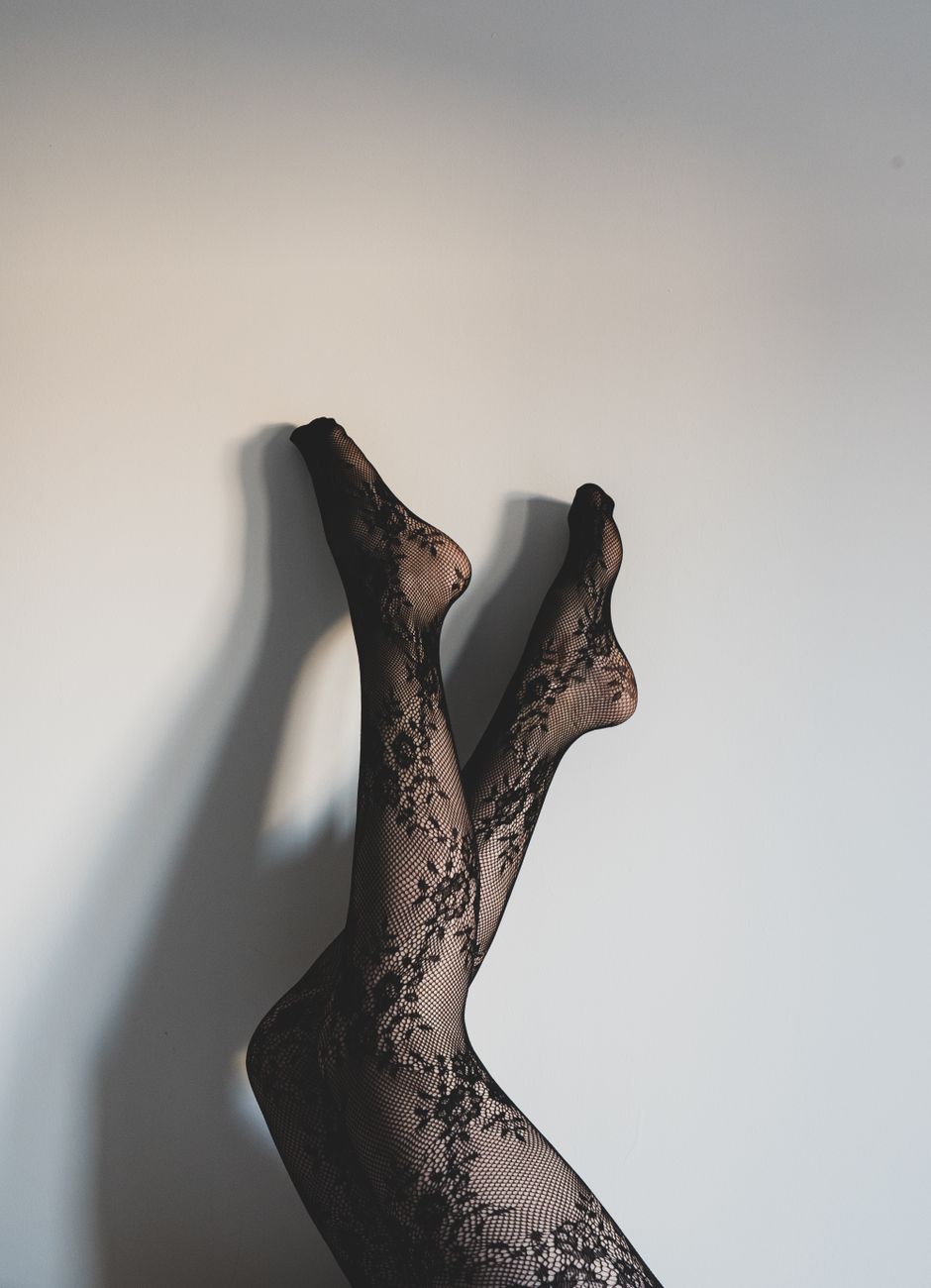
The Anti-Sexy Leg
These tights aggressively desexualize the leg without apologizing for it. The density, the darkness, the refusal of sheerness—all of it works against the male gaze rather than for it. There's no accidental appeal, no suggestion of skin beneath. The leg became a pillar, a support structure, a thing that carries you places rather than invites commentary. It's legwear that simply isn't interested in being looked at that way.

Matching Became Boring on Purpose
The most committed iteration: matching tights to skirts, dresses, boots in single-color columns that reject visual interest. All burgundy, all black, all charcoal—monoliths of refusal. These outfits don't give the eye anywhere to rest, don't offer contrast or relief. They're boring the way brutalist architecture is boring: intentionally, as a philosophical position. The monotony reads as discipline, a visual editing down to only what's necessary.
- Opaque as a Boundary, Not a Vibe
- Burgundy Became the Uniform of Women Who Stopped Explaining Themselves
- Forest Green Signaled Unearned Confidence
- The Schoolgirl Reference Got Cold
- Bare Legs Became the Radical Choice
- Colored Tights Became Commute Armor
- The Anti-Sexy Leg
- Matching Became Boring on Purpose