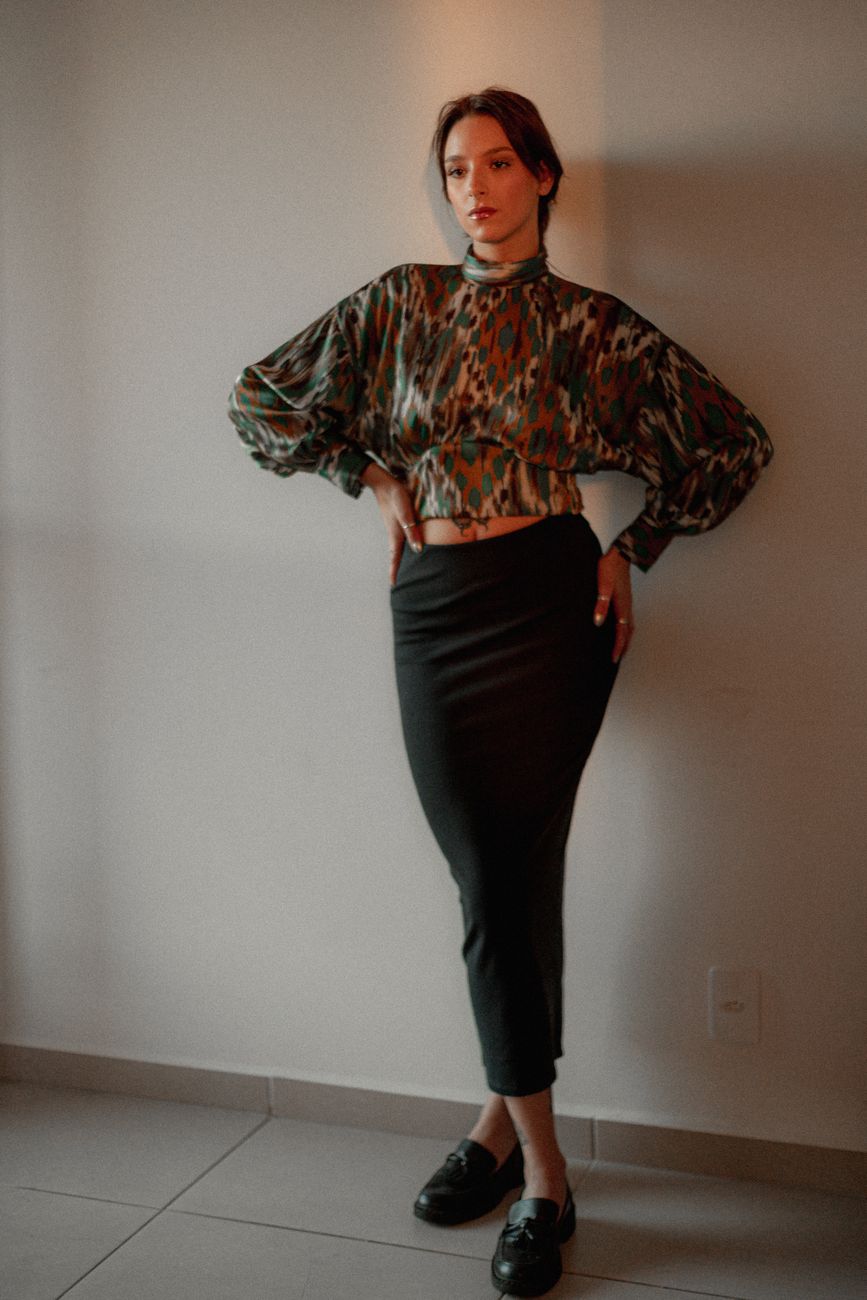
The pencil skirt was designed to restrict. Post-war rationing meant less fabric, tighter cuts, smaller steps. For decades, it stayed that way: knee-length, body-con, the uniform of women who wanted to be taken seriously. Then someone—probably at Khaite or The Row—decided constraint was boring.
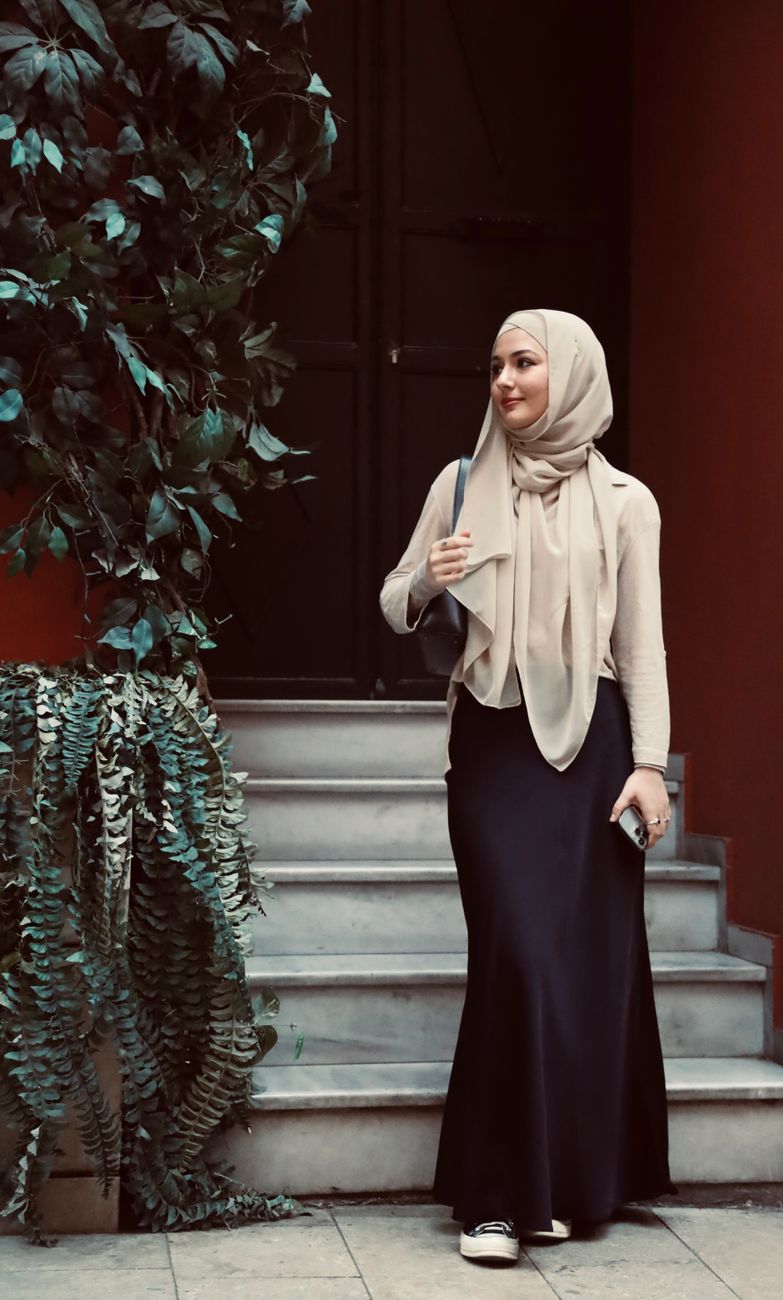
Now the pencil skirt puddles. It pools at the ankles in heavy wool, drags behind heels in silk bias cuts, adds six inches where there used to be discipline. The silhouette hasn't softened—it's still fitted through hips and thighs—but the hem has completely abandoned its post. What was once about control is now about controlled excess, and the effect is more commanding than any knee-length version ever managed.
The Khaite Effect Made Tailoring Slouch
Khaite's puddle-hem pencil skirts hit around 2021 and immediately separated those who understood fashion from those who just bought clothes. The brand took the pencil skirt's signature tension—fitted through the body, restrictive at the knees—and extended it into a column that grazed the floor in cashmere and heavyweight knits. It wasn't a maxi skirt trying to be something else; it was a pencil skirt that had simply decided the knee was irrelevant. The fit stayed precise, the drape stayed heavy, and suddenly every tailored skirt that stopped at the knee looked unfinished.
Bias-Cut Silk Brought Back the Ankle Situation
The pencil skirt in silk bias-cut—already a risky proposition because it shows everything—now extends past the ankle and creates an entirely different problem: how to walk without tripping, how to sit without wrinkling, how to exist in a garment that demands constant awareness. Designers like Totême and Sablyn have leaned into this difficulty, cutting skirts that skim the body in liquid fabric and then just keep going. The result looks expensive because it is, but also because wearing it requires a kind of practiced nonchalance. You don't rush in a puddle-hem silk pencil skirt. You glide, or you stay home.
Corporate Borrowed From Eveningwear and Kept It
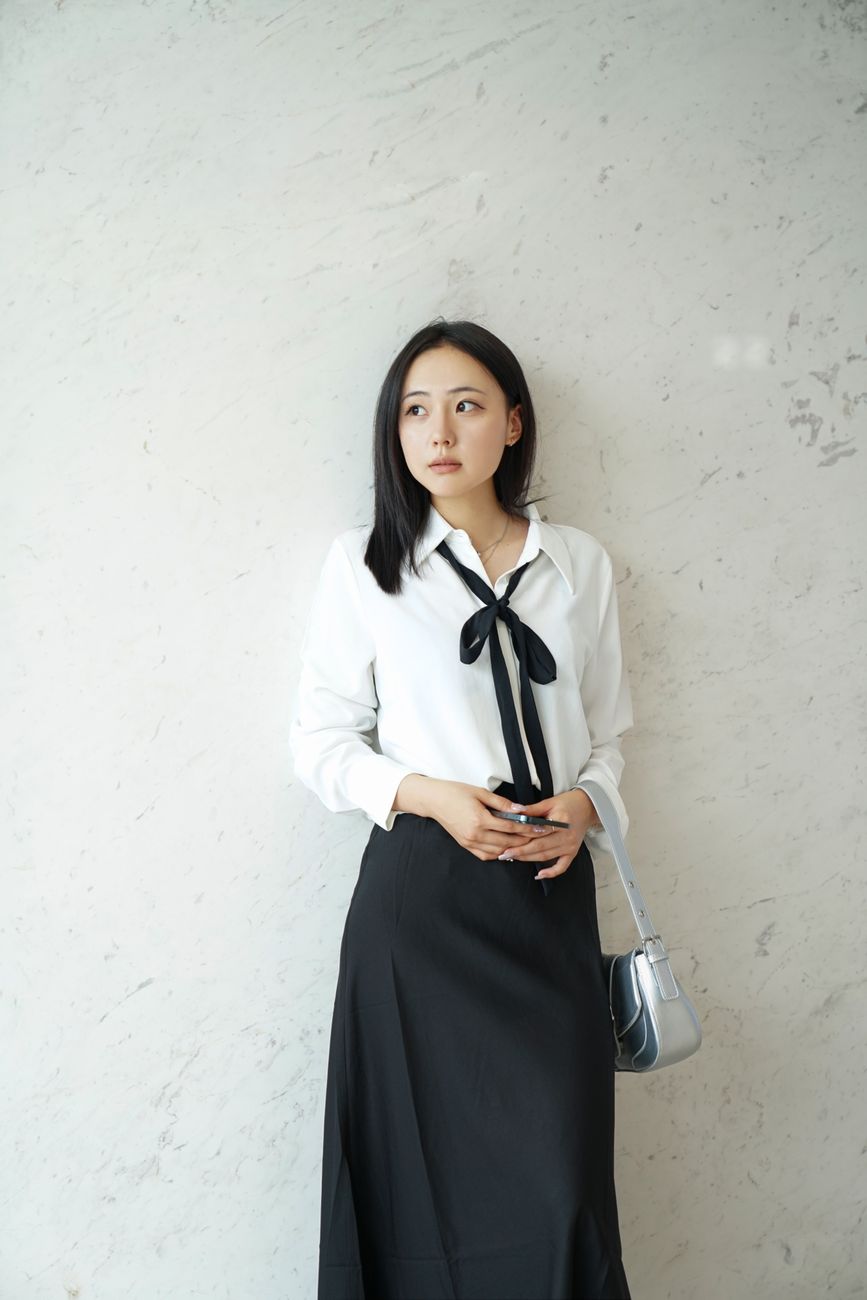
The extended pencil skirt has done something unexpected in professional spaces: it reads more authoritative than its knee-length predecessor. Where the traditional pencil skirt signaled "trying to fit in," the floor-length version signals "I make the rules." Brands like Max Mara and Victoria Beckham have built entire workwear collections around this principle—structured, tailored skirts that extend to the ankle in wool gabardine and stretch suiting. It's borrowed the gravitas of evening dressing and imported it into the boardroom, and the implication is clear: this woman is not here to be comfortable or convenient.
Street Style Chose Length Over Leg
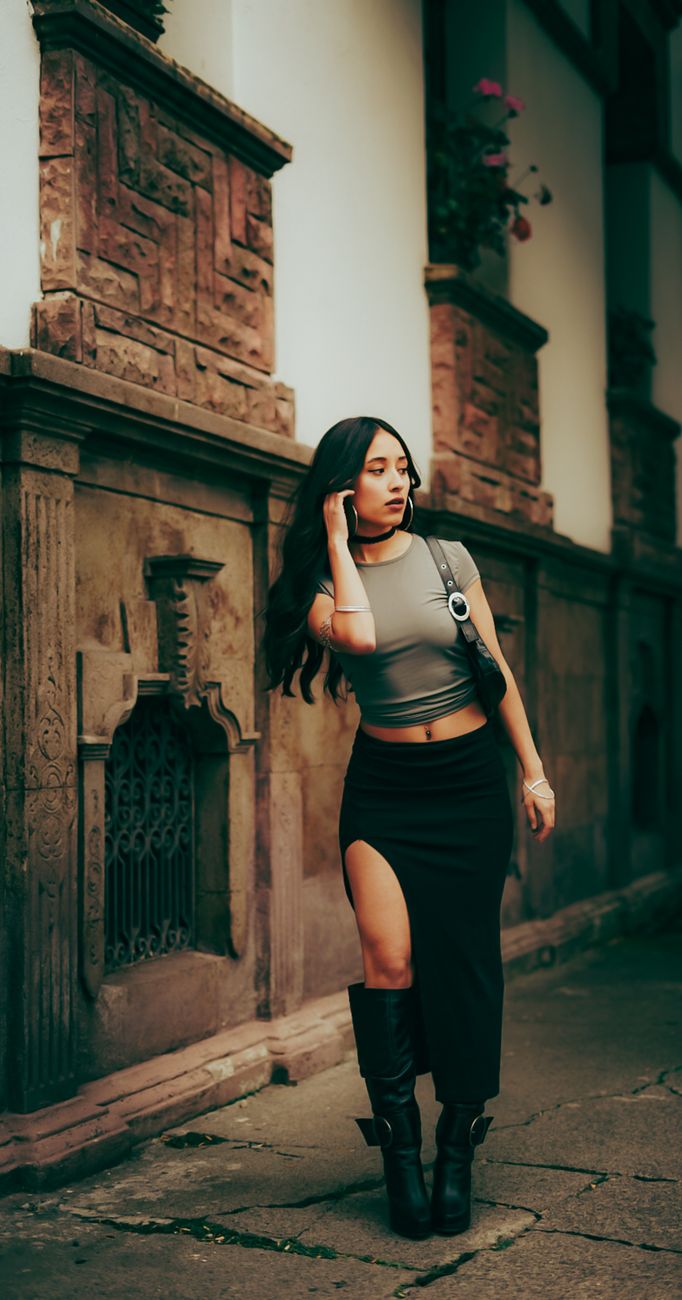
The fashion crowd abandoned the midi pencil skirt for the maxi version with zero transition period. One season it was knee-length knits, the next it was floor-sweeping columns worn with flat boots and oversized blazers. The proportions are technically wrong—too much length, too little break, boots completely hidden—but that's precisely the appeal. This is dressing that rejects the male gaze's preference for visible legs and replaces it with imposing verticality. You see this silhouette outside shows in Milan and Copenhagen, worn by women who understand that taking up more space is its own form of power dressing.

The Hem Became the Whole Point
What makes the puddle-hem pencil skirt work isn't the fit through the hips or the quality of the tailoring—it's what happens at the ankle. That extra fabric pooling on the floor, breaking over shoes, trailing slightly as you walk: it's the visual signature that separates this from every other long skirt. Designers are now treating the hem as the focal point, adding weight with horsehair trim, cutting on the bias for maximum drape, or finishing with raw edges that fray intentionally. The message is that this isn't a skirt trying to be floor-length; it's a skirt that earned its excess.