The contour stick arrived with promises of cheekbones sharp enough to cut glass, then quietly retreated when everyone realized it required a skill level most people don't possess before 9 AM. What looked effortless in tutorials became a muddy stripe in practice, and the beauty industry's response wasn't to simplify—it was to pivot entirely.
The format's decline reveals something larger about how we approach makeup now: technique matters more than tools, and if a product requires a masterclass to use correctly, it won't survive the attention economy. Here's what happened when blending became the bottleneck.

Cream formulas met their match with remote work lighting
Ring lights and laptop cameras exposed what bathroom mirrors concealed. Contour sticks left visible edges under the unforgiving scrutiny of Zoom, where every blend failure showed up in high definition. The pandemic didn't just change where we worked—it changed how closely we examined our faces, and cream contour couldn't pass the screen test. Powder and liquid formulas that actually diffused into skin became the only defensible options.
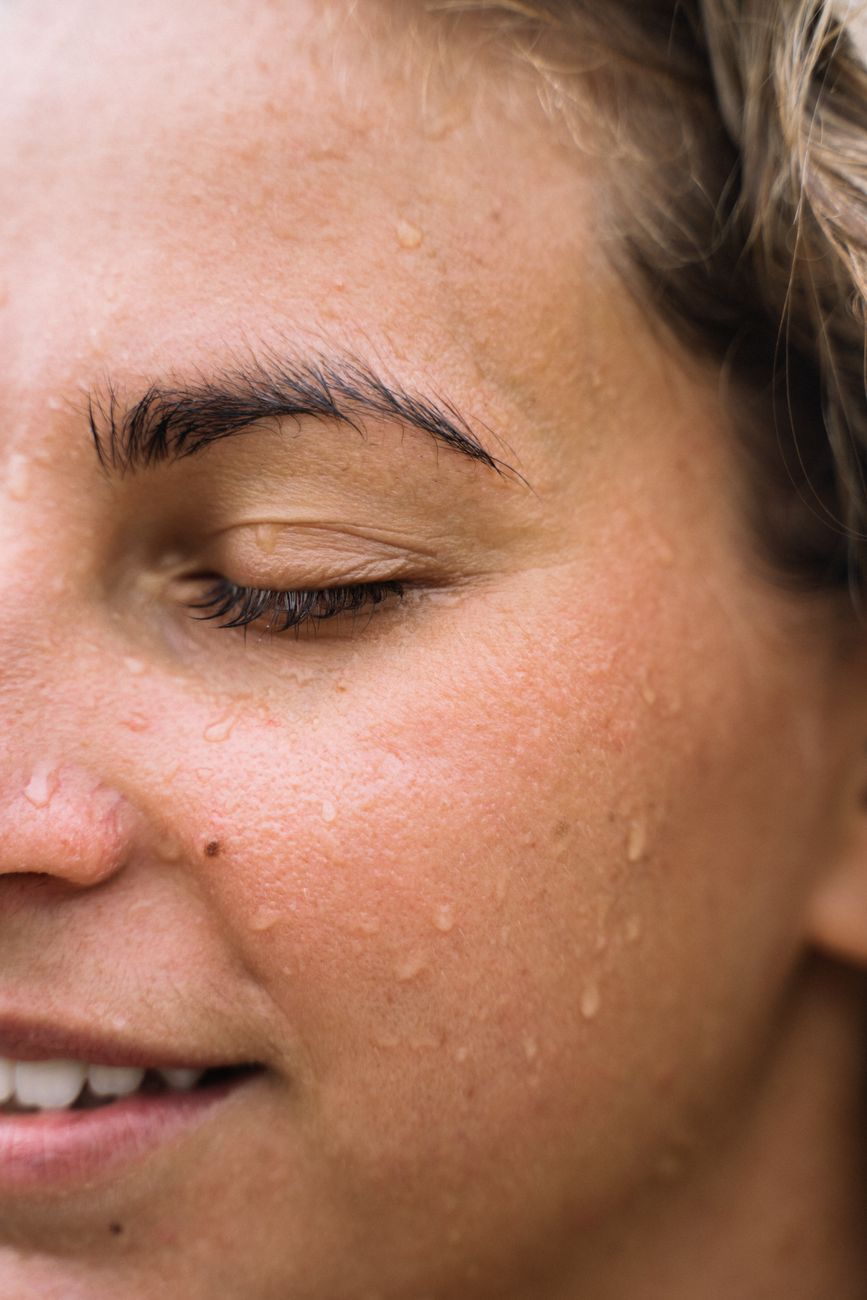
The "no-makeup makeup" pendulum swung back hard
Sculpted faces started reading as costumey rather than aspirational. The Instagram Face had its cultural moment, then became something to actively avoid as skin texture and individual features re-entered the conversation. Contour sticks were designed for drama, but the aesthetic shifted toward subtlety that actually required more skill, not less. The tools built for bold looks became obsolete when bold itself fell out of favor.
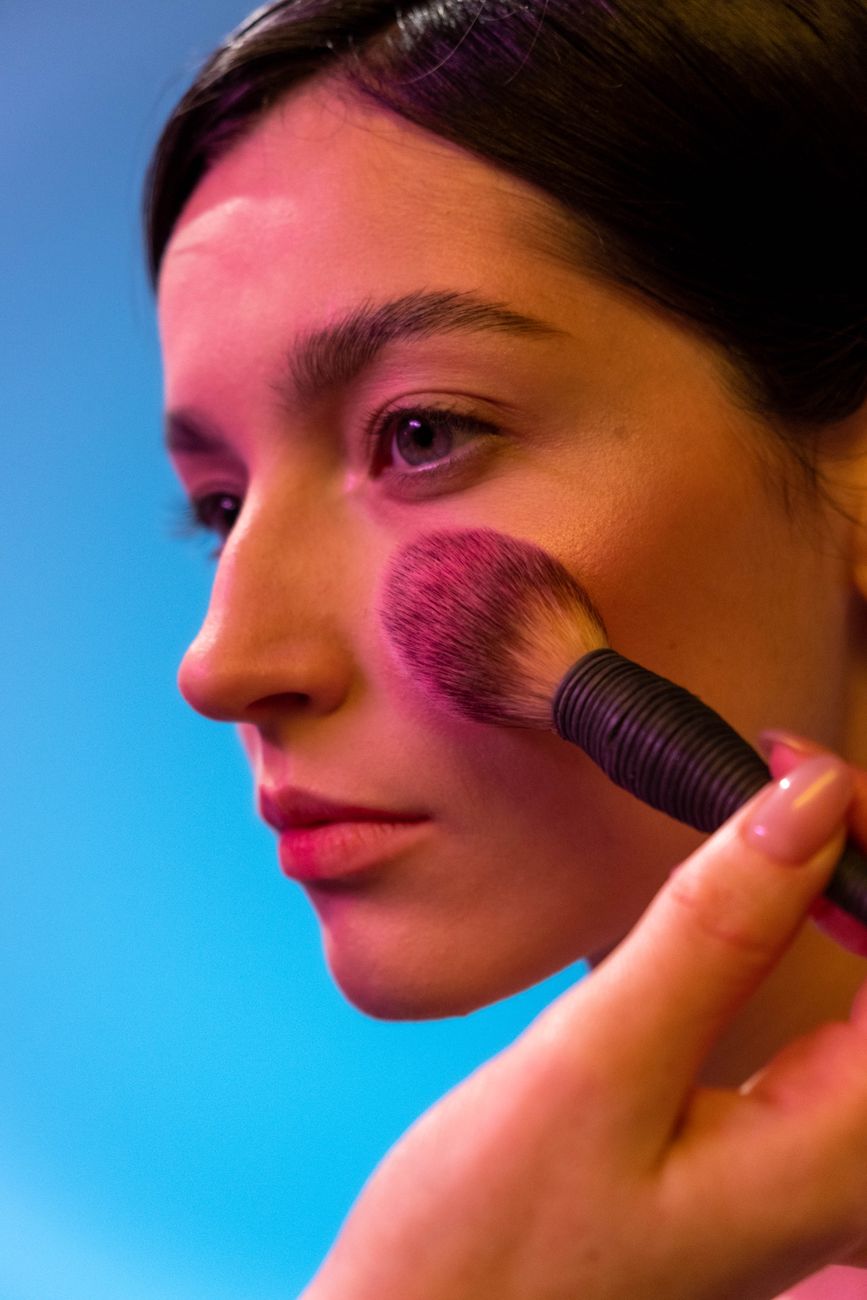
Cream blush colonized contour's real estate
The same spot on your cheekbone couldn't accommodate both products, and blush won. Flushed, romantic color delivered more impact with less precision than contour ever could, and the application method—fingers, not brushes—made it approachable. Contour required architecture; blush required enthusiasm. When shelf space and routine time became competitive, the product that felt like play beat the one that felt like work.
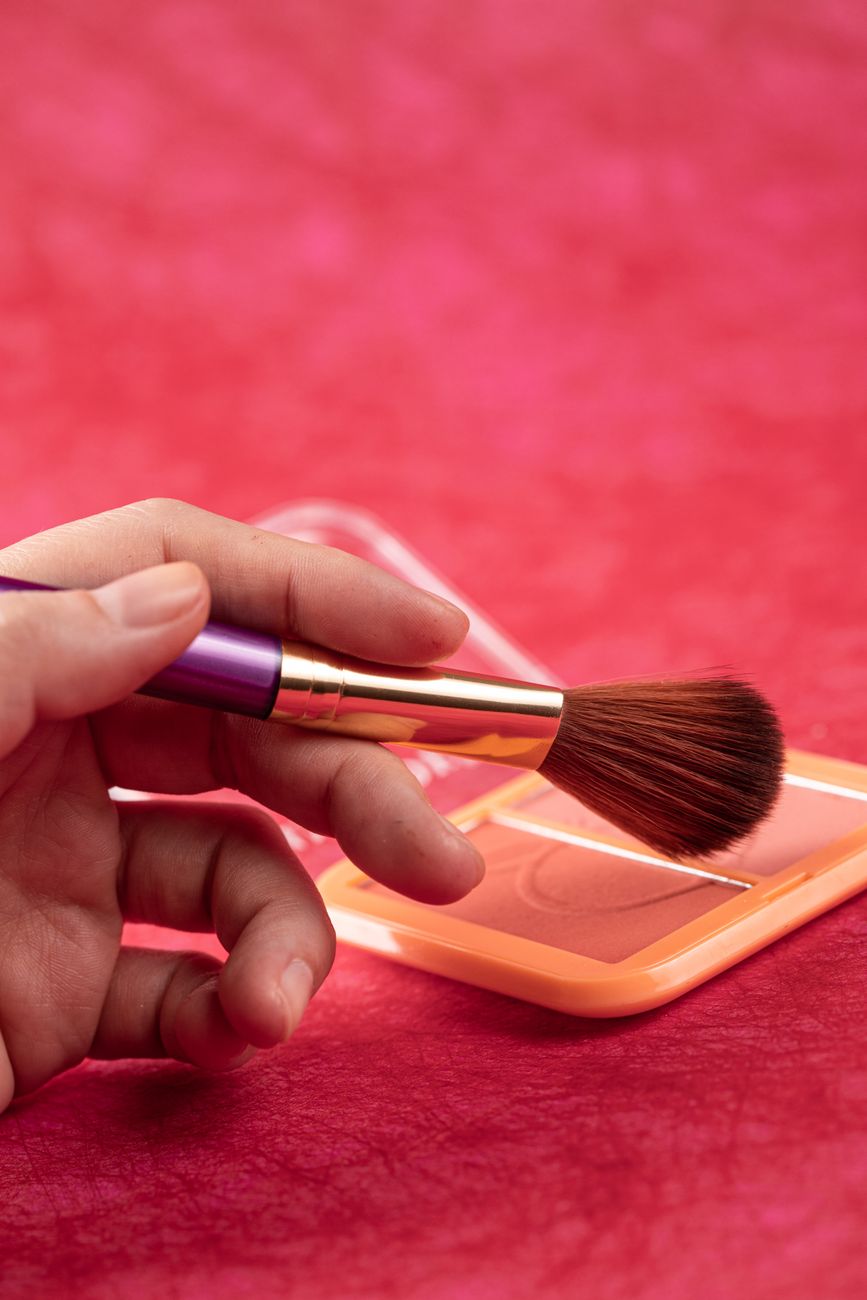
Liquid and powder contour learned from the stick's mistakes
The format died so better versions could live. Liquid contour offered sheerness and buildability; powder contour gave foolproof diffusion. Both learned that blendability couldn't be an afterthought—it had to be engineered into the formula from the start. Contour sticks were too pigmented, too stiff, too unforgiving. Their successors understood that most people contour in under two minutes, and the product needs to cooperate with that reality.
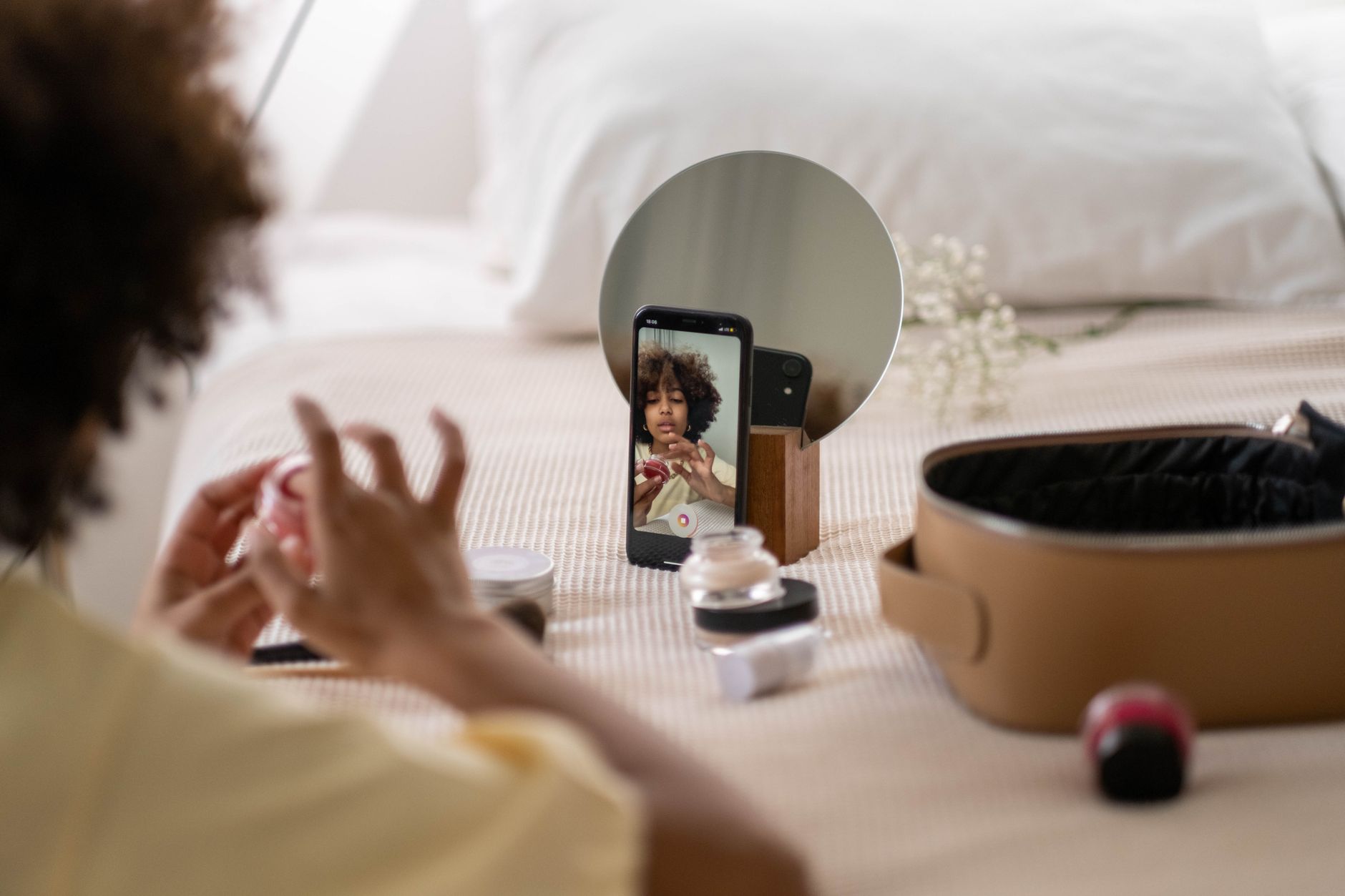
TikTok tutorials stopped pretending everyone had MUA hands
Beauty content shifted from aspiration to replication. Creators who showed struggle, not just success, built bigger audiences than those with flawless technique. Contour sticks became a symbol of the old guard—products that assumed expertise rather than teaching it. The new generation of launches comes with realistic application expectations baked in, because a product that only works for experts isn't a product, it's a liability.