Jeans spent decades as the uniform of rebellion, then comfort, then nothing at all. Somewhere between the fifth pair of distressed skinnies and the algorithm's appetite for dopamine dressing, denim lost its charge. Not anymore.
The current cycle isn't about vintage washes or architectural pockets. It's about intention. Jeans now require the same editorial eye as tailoring—precise fits, considered styling, zero room for lazy weekends. This isn't casual. This is calculated.

The Boardroom Jean Actually Exists
Offices that tolerated denim Fridays now see raw selvedge in Monday morning meetings. The shift isn't about dress codes relaxing—it's about denim elevating. Dark, rigid, paired with crisp shirting and leather goods that cost more than the jeans themselves. This only works when the denim looks like you made a decision, not defaulted to comfort.
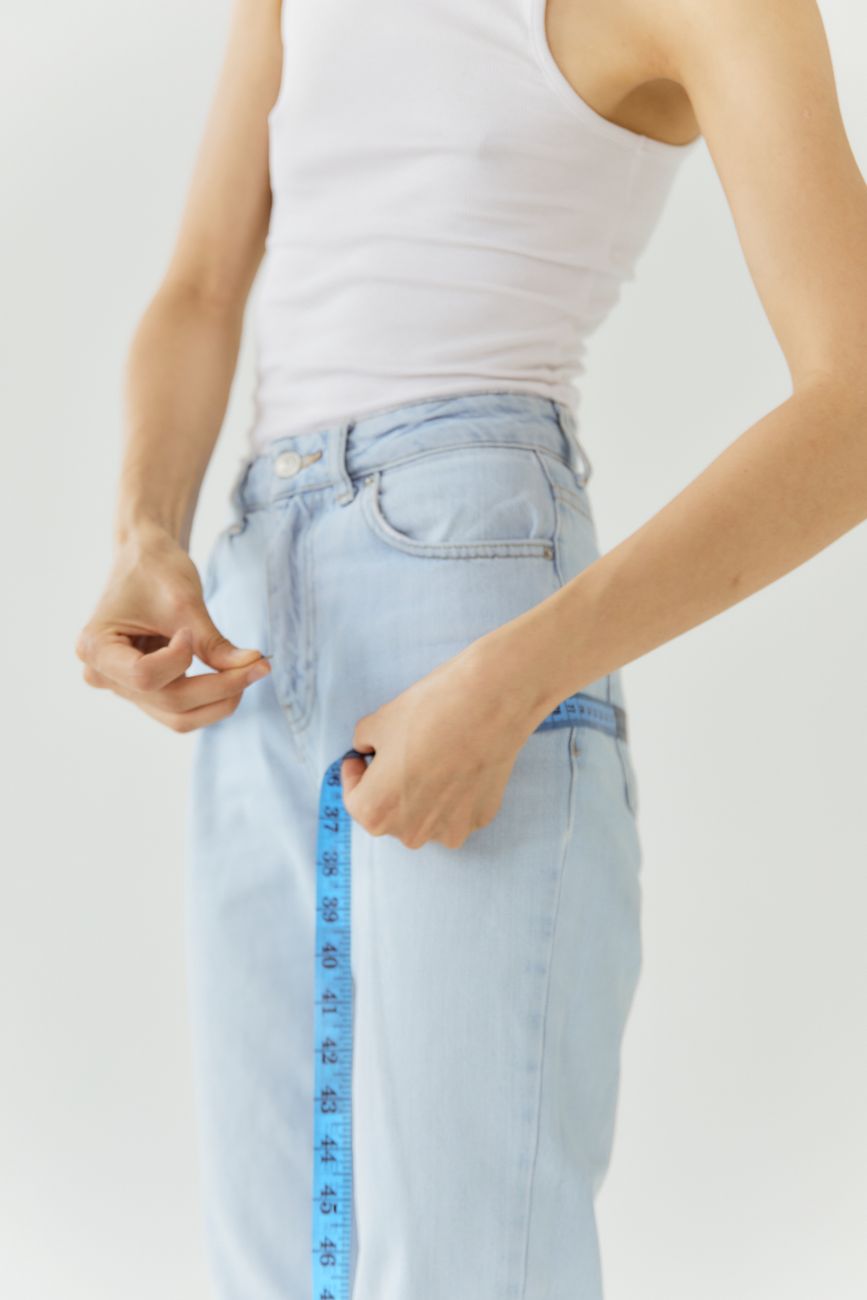
Tailors Started Caring About Your Levi's
Custom hemming, waist suppression, leg tapering—services once reserved for suiting now apply to denim. People are spending €80 to perfect a jean fit, treating raw denim like investment pieces requiring professional attention. The era of buying off the rack and accepting mediocre fit is over. Denim deserves precision.
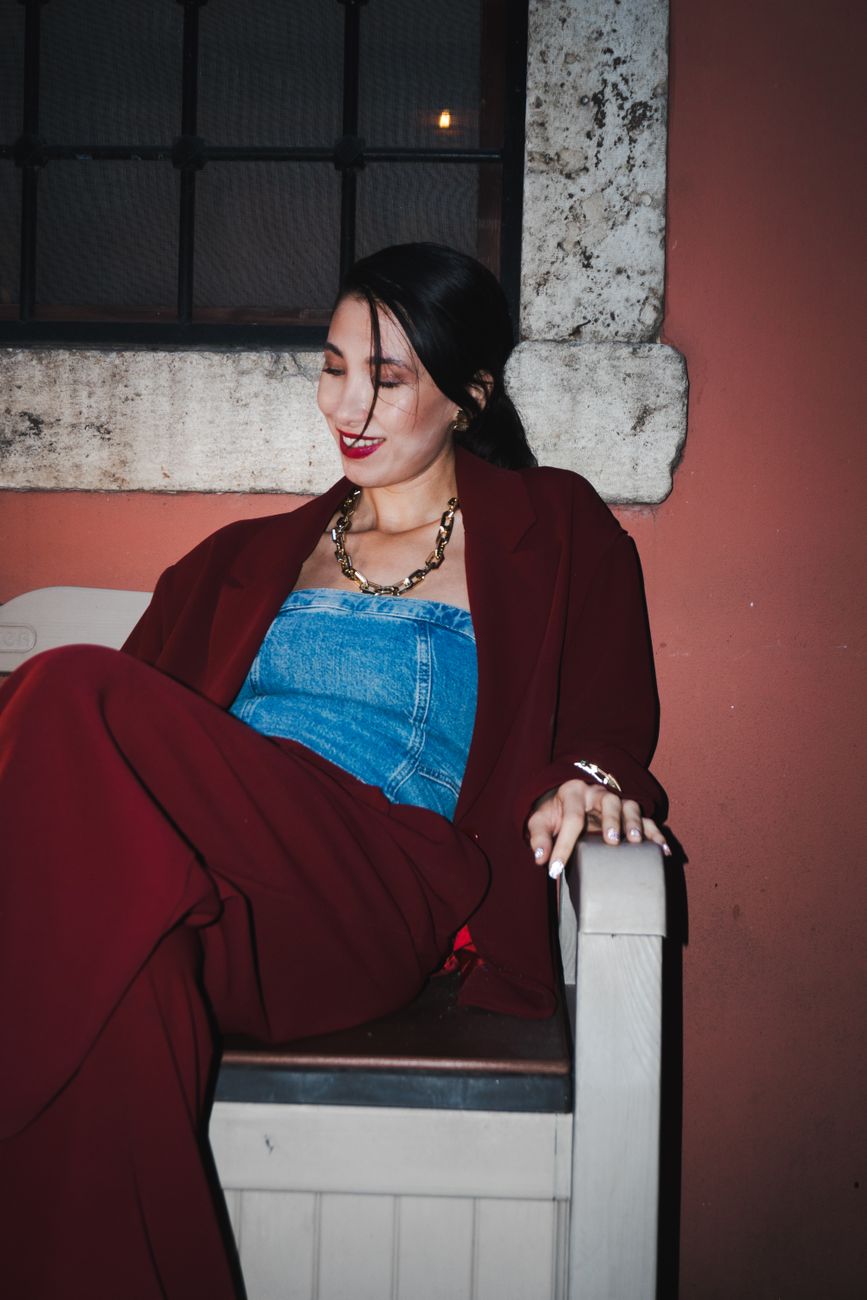
Evening Denim Isn't a Contradiction Anymore
Restaurants with velvet banquettes and reservation apps with three-month waitlists are seeing denim at dinner. Not distressed, not casual—structured, high-waisted, paired with silk or leather. The trick is treating jeans like trousers: if the fabric looks considered and the styling reads intentional, the material becomes irrelevant. Attitude overrides category.
Rigid Over Stretch Became Non-Negotiable
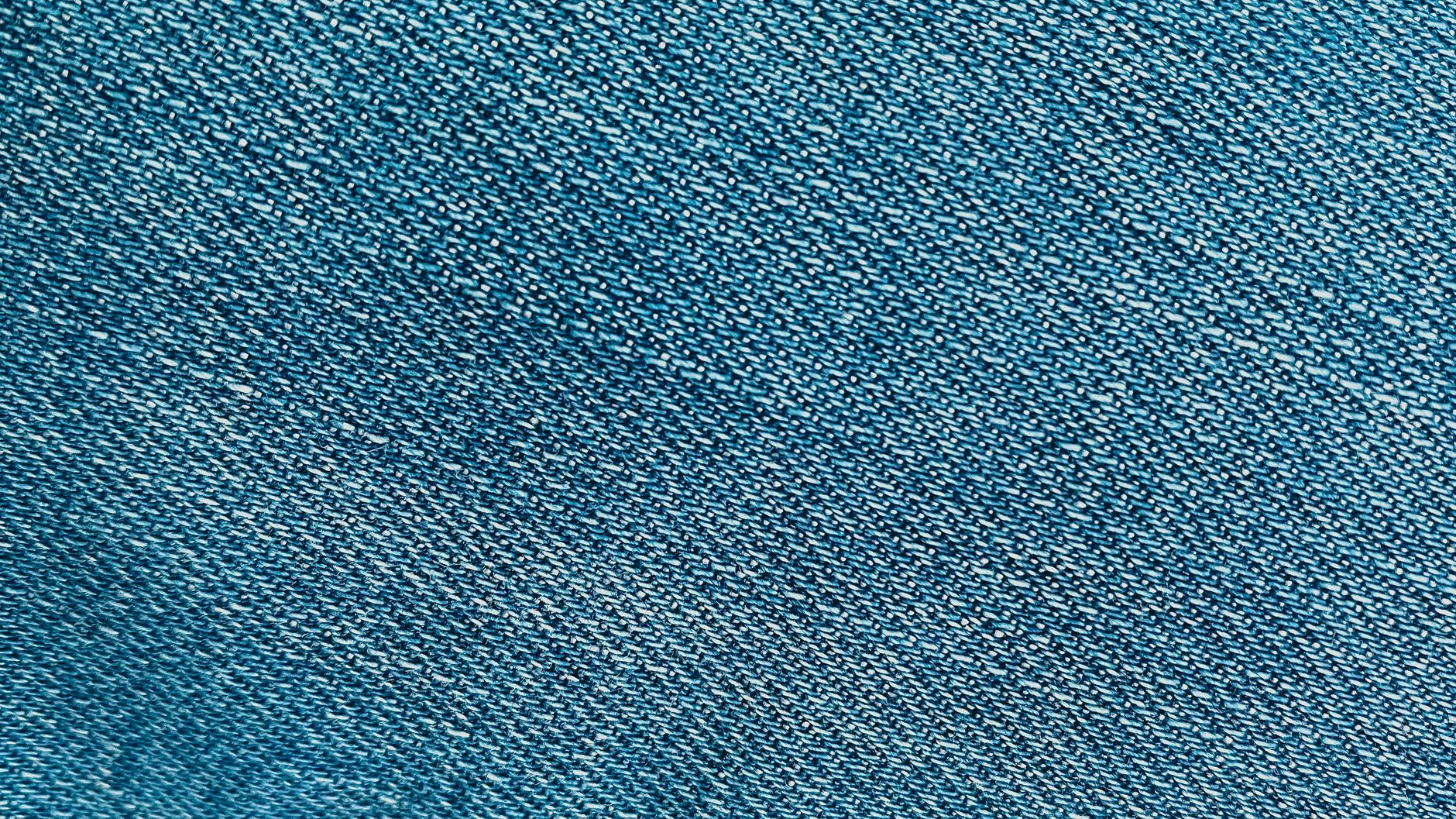
Comfort culture made denim stretchier, softer, more forgiving. Now the pendulum swung back. Raw, rigid, unforgiving denim that requires breaking in—that's what holds visual weight. Stretch reads as casual. Structure reads as serious. When jeans need to hold their own against tailoring, they can't behave like athleisure.
Styling Denim Requires Editorial Thinking
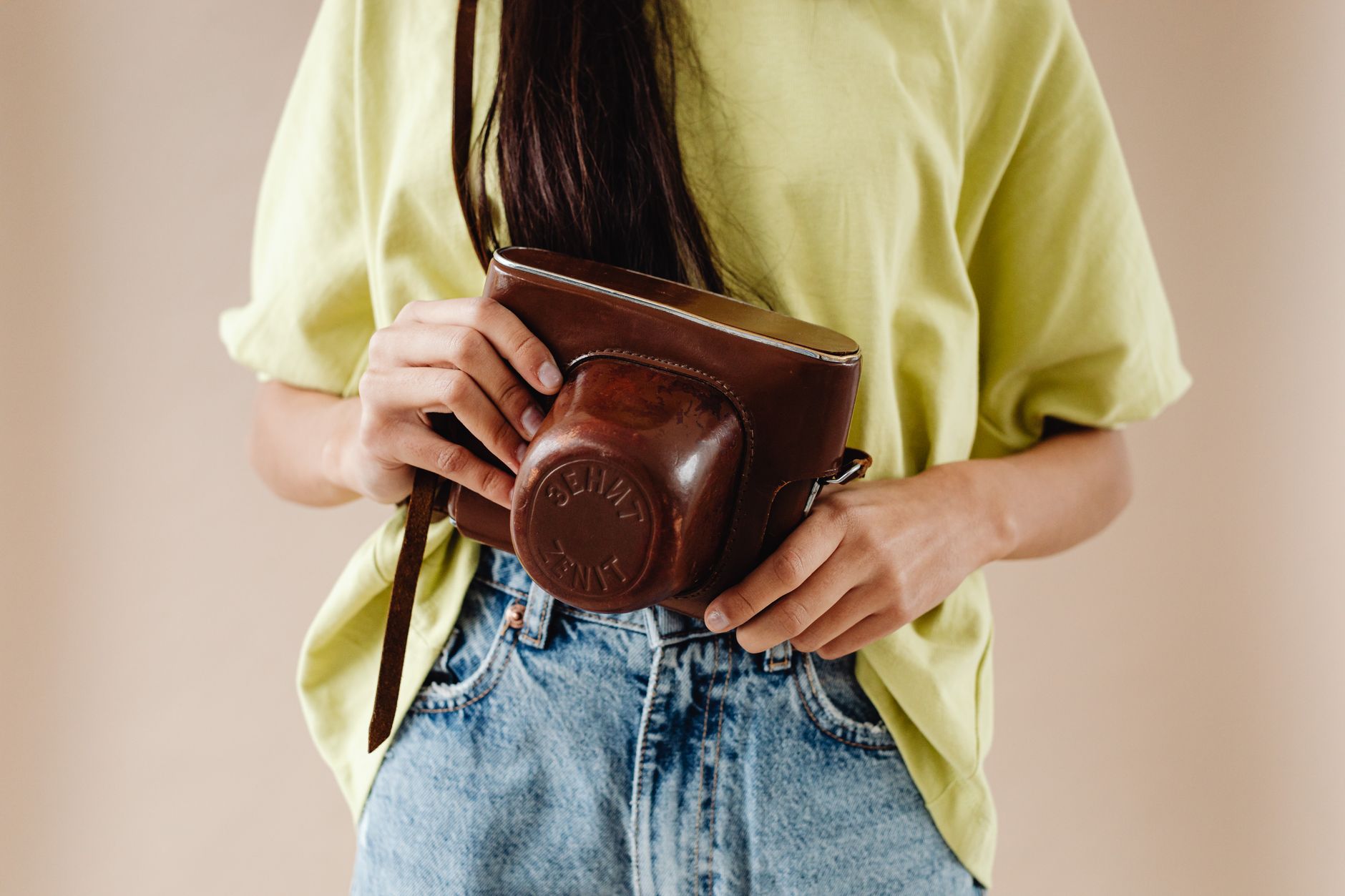
Jeans with trainers and a t-shirt still exists—it just doesn't say anything. The current approach borrows from editorial styling: proportion play, unexpected textures, pieces that create tension. Wide-leg denim with pointed boots and structured outerwear. Straight cuts with fine knits and architectural bags. Denim earns its place through composition, not convenience.