The beauty industry's most profitable format is collapsing. Eyeshadow palettes—once the cornerstone of every major launch calendar—are gathering dust while magnetic single pans fly off shelves. This isn't about minimalism or another tired decluttering trend. It's a fundamental rejection of brand-dictated narratives in favor of radical personalization.
Consumers who once hoarded limited-edition palettes are now building custom systems, buying only the three shades they'll actually use instead of the seventeen a brand insists belong together. The implications stretch far beyond cosmetics: we're watching the curation economy dismantle pre-packaged product models across categories. Here's how the single pan revolution is rewriting beauty's rules.
The 12-Shade Palette Was Always a Lie
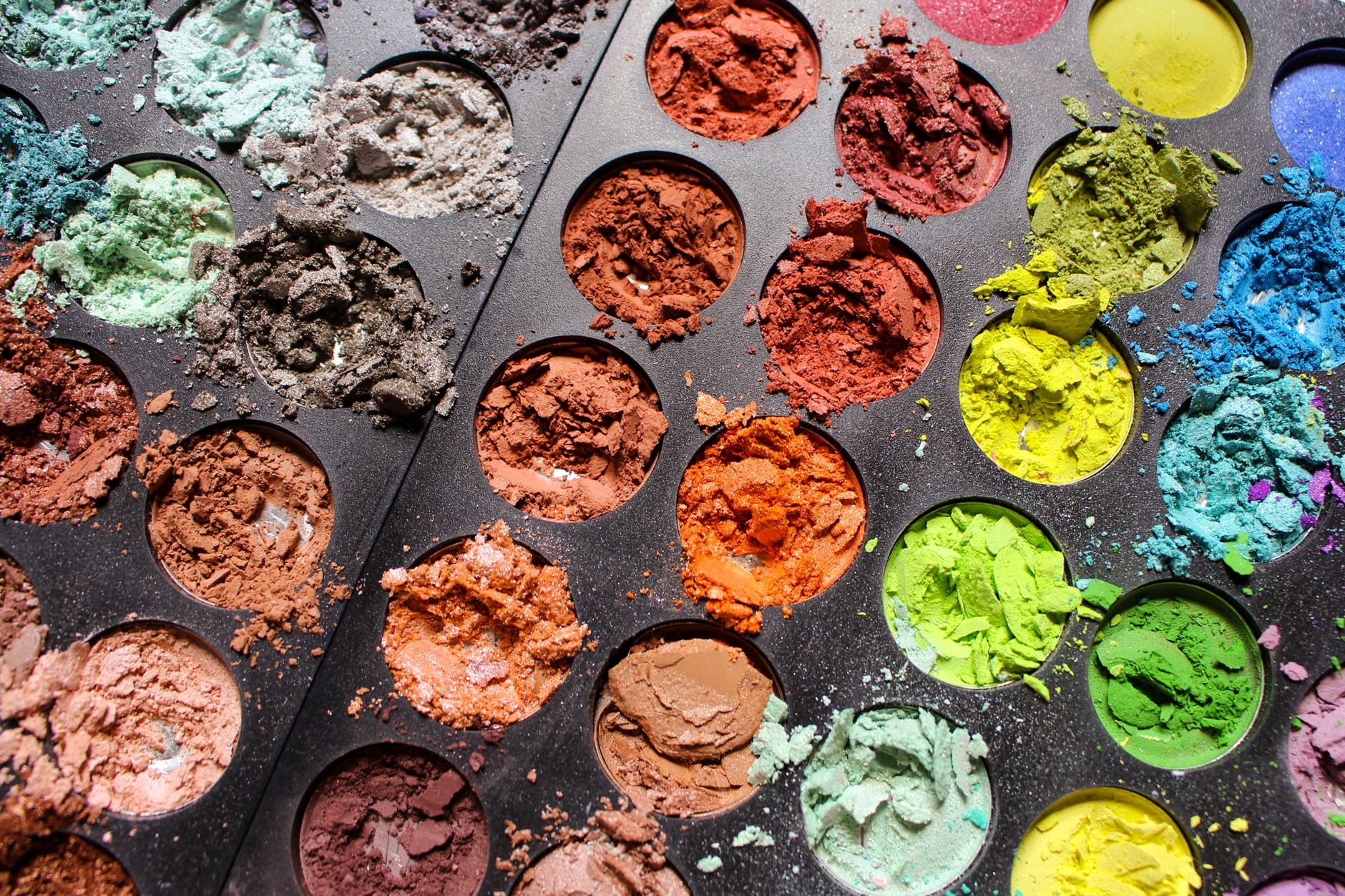
Brands built palettes around storytelling, not utility. That "sunset" palette with nineteen shades? You used four. The rest oxidized in your drawer. Consumer patience for this wastefulness has expired. Singles eliminate the guilt tax of six shades you bought but never wanted, replacing brand fantasy with user reality. The palette was never about what you needed—it was about what brands could sell you.

Magnetic Systems Put Power Back in Consumer Hands
Sydney Grace, Clionadh, Lethal Cosmetics—indie brands built on singles are outpacing legacy names still pushing palettes. Magnetic systems let consumers architect their own color stories, swapping pans seasonally or by mood. It's the Spotify-ification of beauty: why buy the album when you can build the perfect playlist? Brands that refuse to unbundle are watching market share evaporate to competitors who respect consumer autonomy.

TikTok Taught a Generation to Reject Curation
Gen Z grew up building their own feeds, not consuming what networks programmed. That same instinct now applies to physical products. They don't want Huda's idea of a nude palette—they want their nudes, chosen deliberately. TikTok's #projectpan and #makeuppurge movements normalized calling out brand manipulation. The algorithm trained them to curate ruthlessly. Palettes never stood a chance.

Sustainability Rhetoric Meets Real Accountability
Brands spent years greenwashing with recyclable packaging while selling palettes designed for obsolescence. Singles expose that hypocrisy. Refillable magnetic systems reduce waste by sixty percent compared to traditional palettes. Consumers now recognize "clean beauty" palettes as performative unless they're actually reducing consumption. The single pan isn't just smarter—it's the only format that survives scrutiny from a generation demanding material accountability.

Professional Artists Drove the Shift First
Makeup artists never used palettes the way brands intended—they depot, rearrange, and build working kits from scattered singles. As artist-founded brands like Danessa Myricks and Hindash proliferated, they brought pro logic to consumer products. Why shouldn't everyday users have the same flexibility professionals demand? Artists proved singles weren't just practical but creatively superior. The enthusiast market followed, then the mainstream.

The Economics Are Irrefutable Now
A luxury palette costs ninety dollars. You use four shades. That's twenty-two dollars per shadow you actually wear. Singles cost six to twelve dollars. The math isn't subtle. Inflation made conspicuous waste untenable—consumers started calculating cost-per-wear with spreadsheet precision. Brands betting on aspiration over utility are losing to simple arithmetic. The premium palette is dead because consumers can finally afford to be selective.
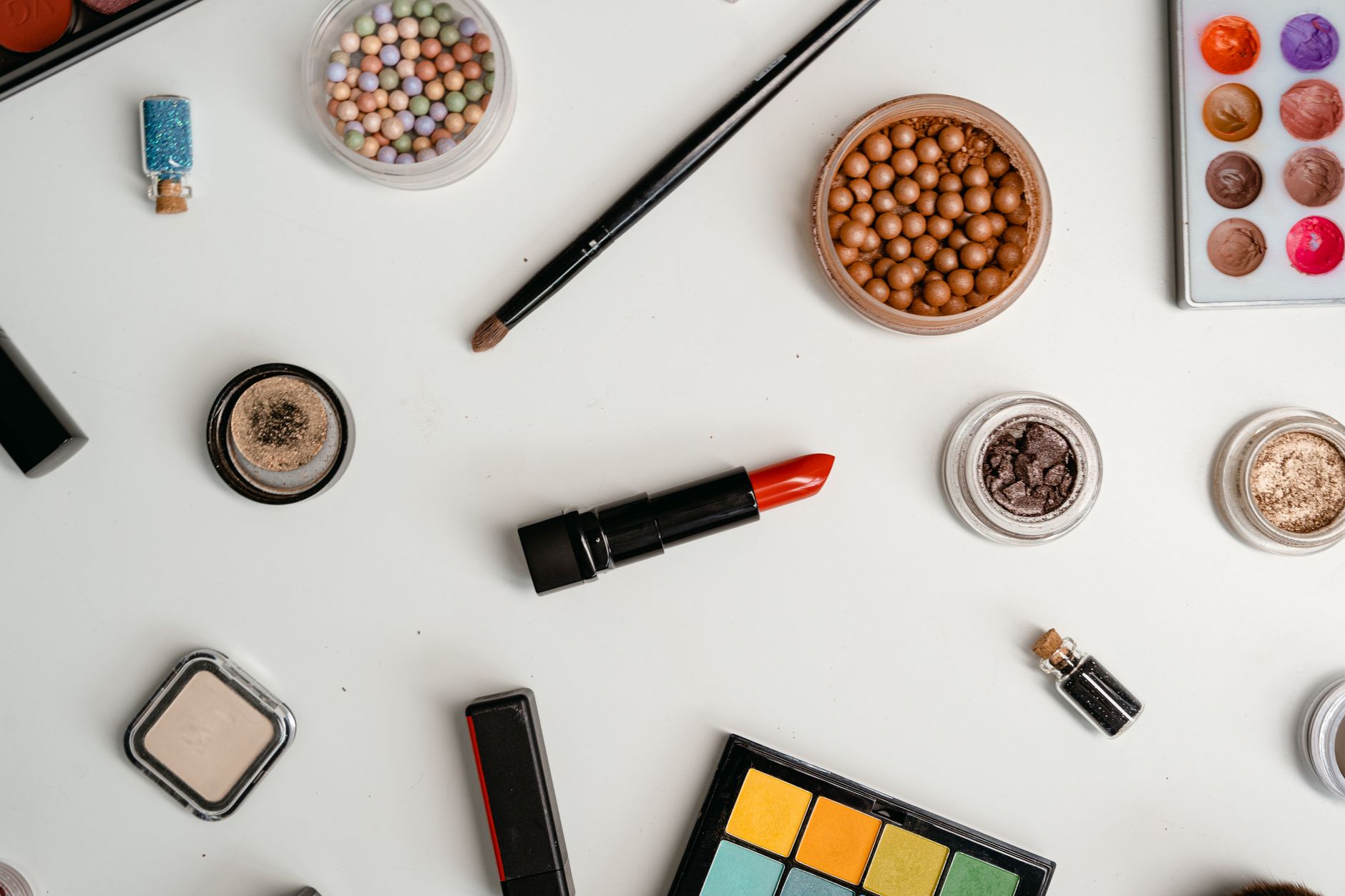
What Dies Next: Blush Palettes, Lip Sets, and Pre-Curated Kits
Eyeshadow was just the beginning. Blush palettes are already obsolete—no one needs six rose tones. Lip sets with twelve mini bullets? Wasteful. Skincare "systems" that lock you into four products? The same logic applies. Any category built on forced bundling faces the same reckoning. The curation economy doesn't stop at cosmetics—it's coming for every industry still selling packages instead of pieces.
- The 12-Shade Palette Was Always a Lie
- Magnetic Systems Put Power Back in Consumer Hands
- TikTok Taught a Generation to Reject Curation
- Sustainability Rhetoric Meets Real Accountability
- Professional Artists Drove the Shift First
- The Economics Are Irrefutable Now
- What Dies Next: Blush Palettes, Lip Sets, and Pre-Curated Kits