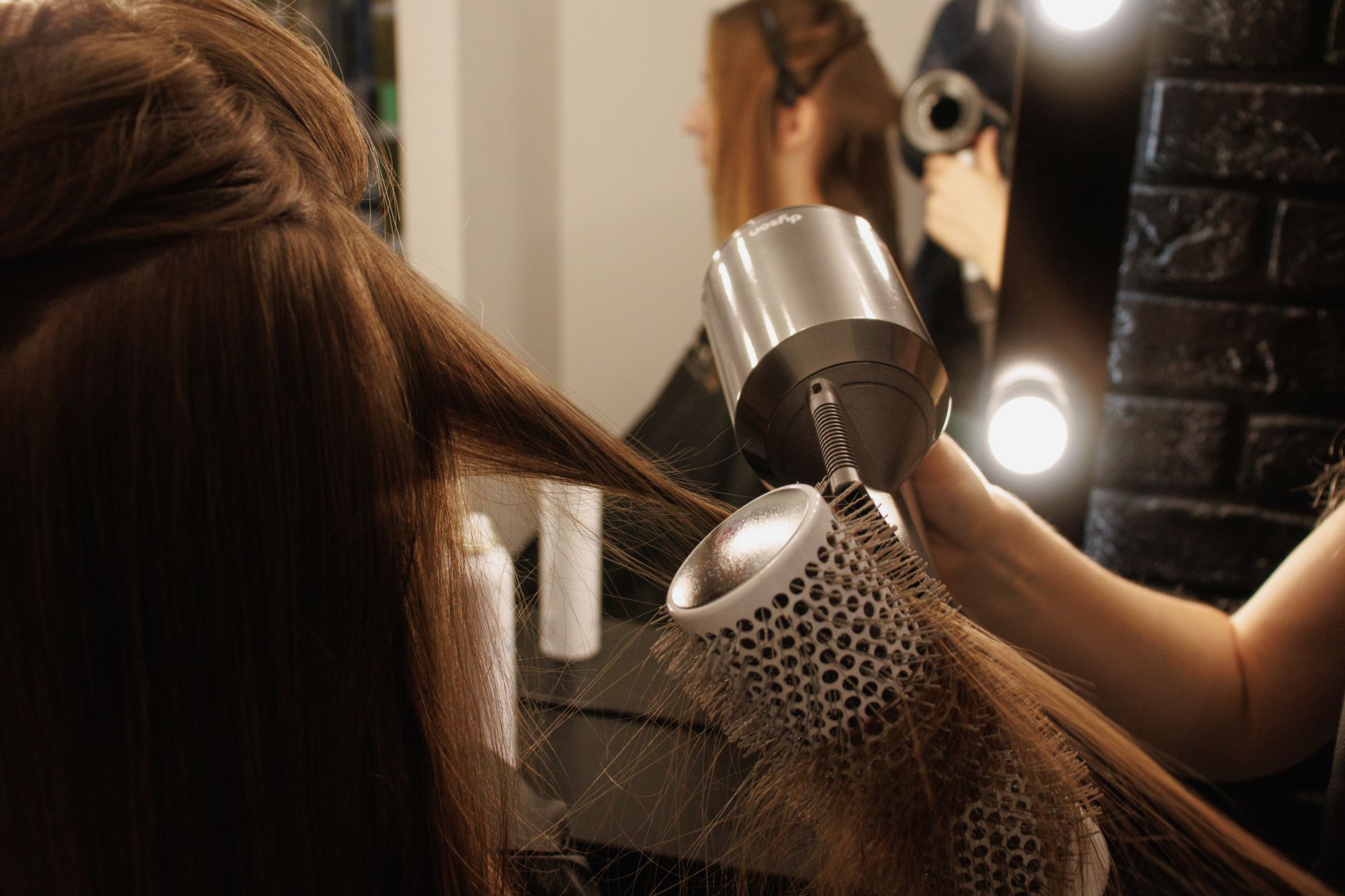
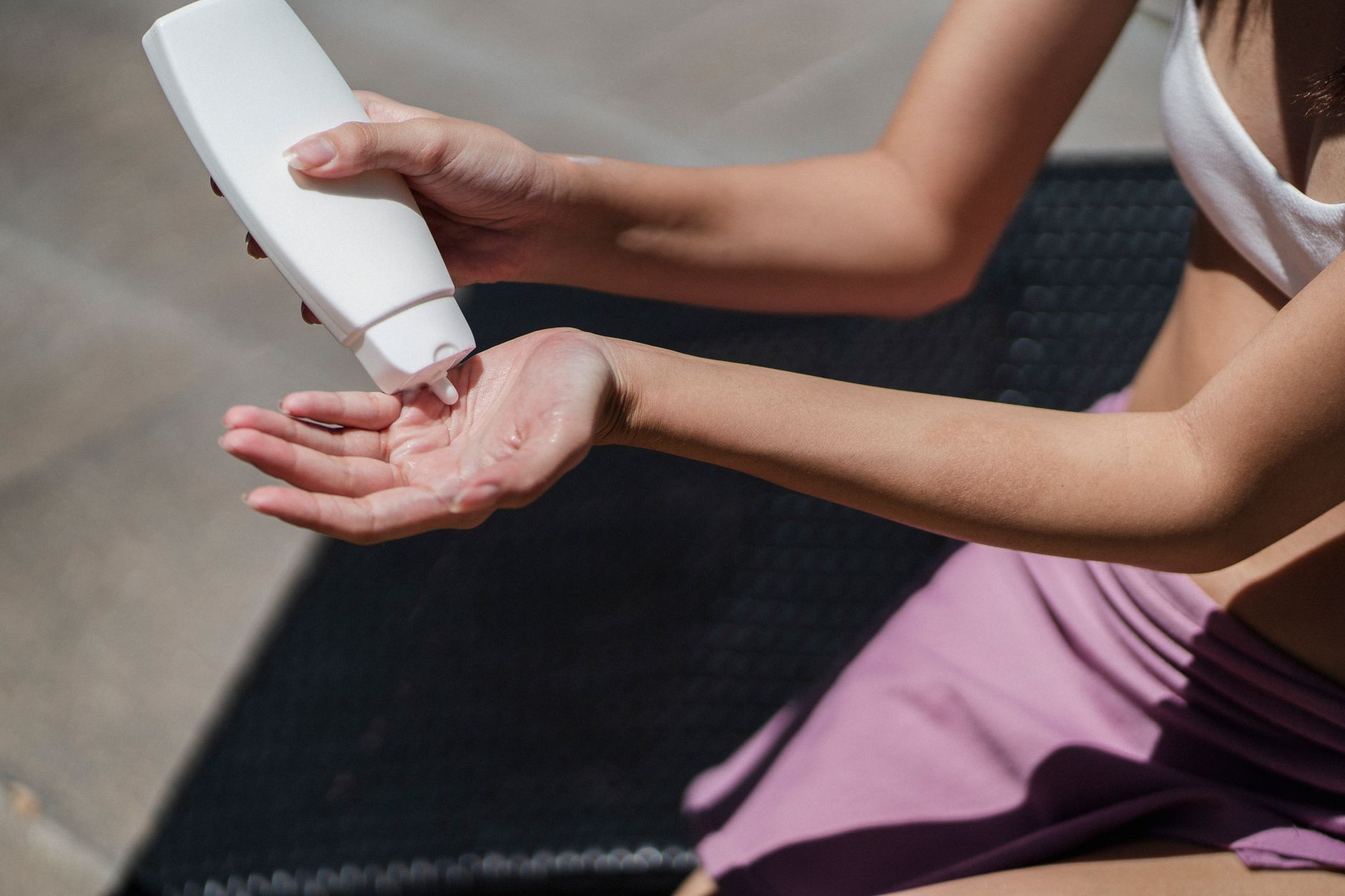
There's a gua sha stone on your bathroom counter right now. You bought it six months ago after watching someone with perfect skin demonstrate a "lymphatic drainage routine" at 6 AM. You used it twice. Maybe three times if we're being generous.
Welcome to the ritual product graveyard—that corner of your vanity where good intentions go to die. These aren't just purchases. They're aspirational identities wrapped in rose quartz, promises of becoming the kind of person who has time for 12-step routines. The beauty industry has figured out how to monetize the fantasy of self-care without requiring the follow-through.

We're buying personas, not products
The gua sha doesn't sell facial contouring—it sells the vision of yourself as someone who wakes up early, lights a candle, and performs ancient Chinese medicine techniques before breakfast. You're not purchasing a stone tool. You're purchasing the identity of a person whose life has margin for ritual. The gap between who you are and who you want to be has never been more profitable.

Complexity is the point
These tools require technique. Specific angles. Pressure points. Directional strokes. The learning curve isn't a bug—it's the entire business model. Complicated rituals create a permission structure for failure, which creates the need for more products, more tutorials, more jade everything. If it were actually easy, you'd realize you don't need it.
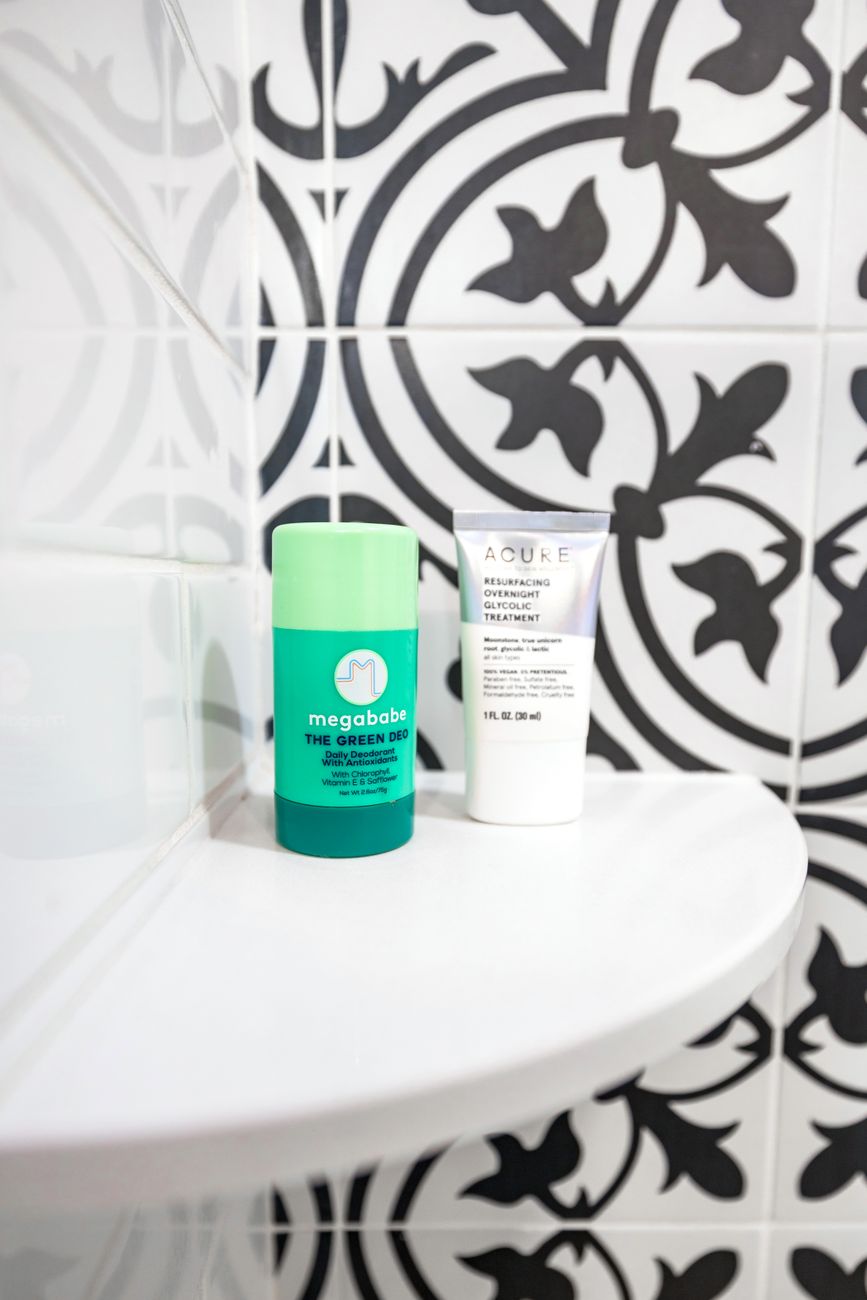
Social proof without social accountability
You see these tools performing miracles on screens—depuffed eyes, sculpted jawlines, glowing skin that defies biology. But nobody posts their abandoned gua sha collection. Nobody shares the drawer full of unused dermaplaning tools and forgotten LED masks. The algorithm shows you the ritual, never the graveyard. This asymmetry of evidence makes every purchase feel rational until it arrives.
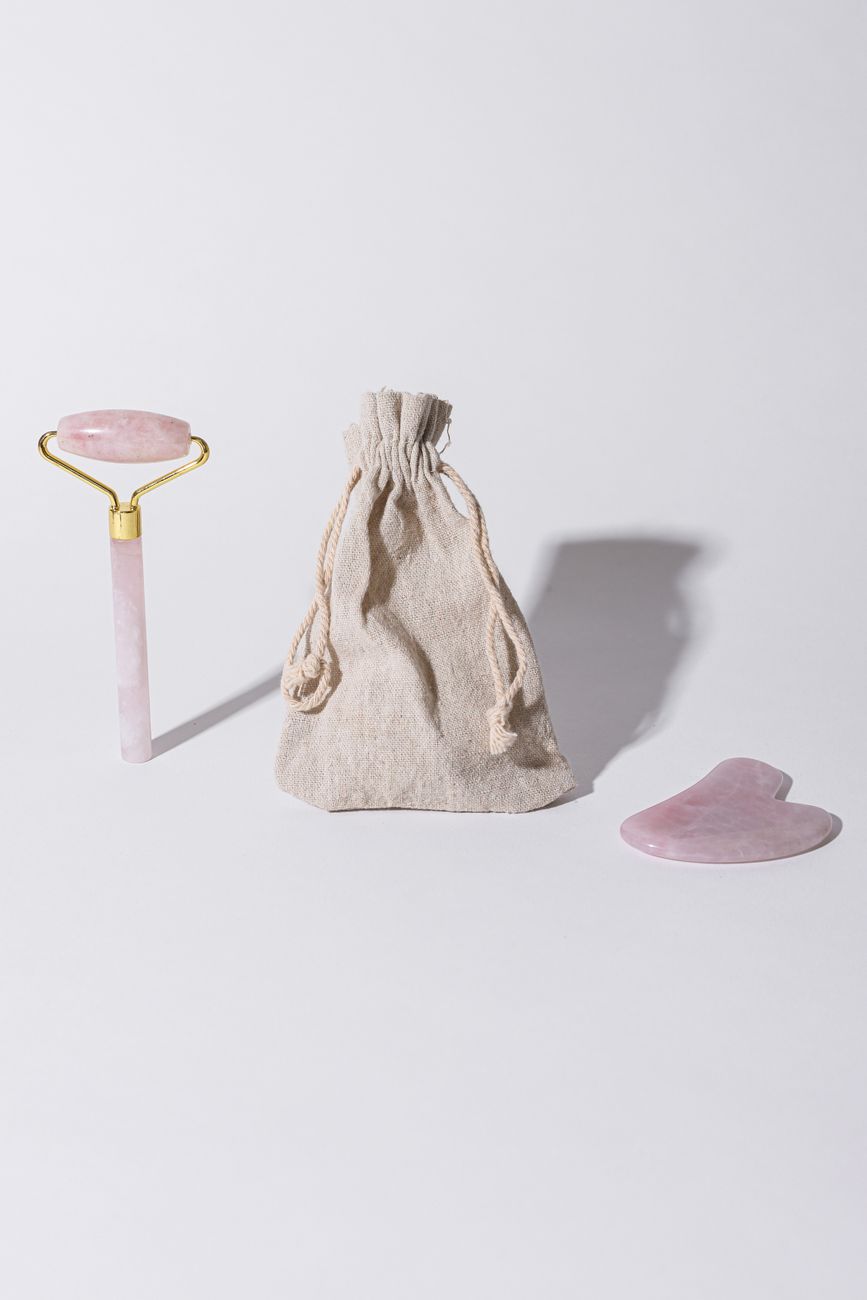
The aesthetics do most of the work
Rose quartz. Jade. Sculptural shapes that photograph like small art objects. These tools are designed to be displayed, not necessarily deployed. They're bathroom decor that signals taste and intention—proof you're the kind of person who invests in wellness even if you never actually perform it. The Instagram tax has been paid. The tool has served its purpose.

Aspiration has a higher margin than results
The beauty industry has learned something crucial: selling the dream is more profitable than delivering the outcome. Because outcomes require consistency, and consistency requires time, and time is the one thing nobody's buying more of. Ritual products exist in the space between purchase and reality—that brief window where anything seems possible and your future self definitely has her life together.