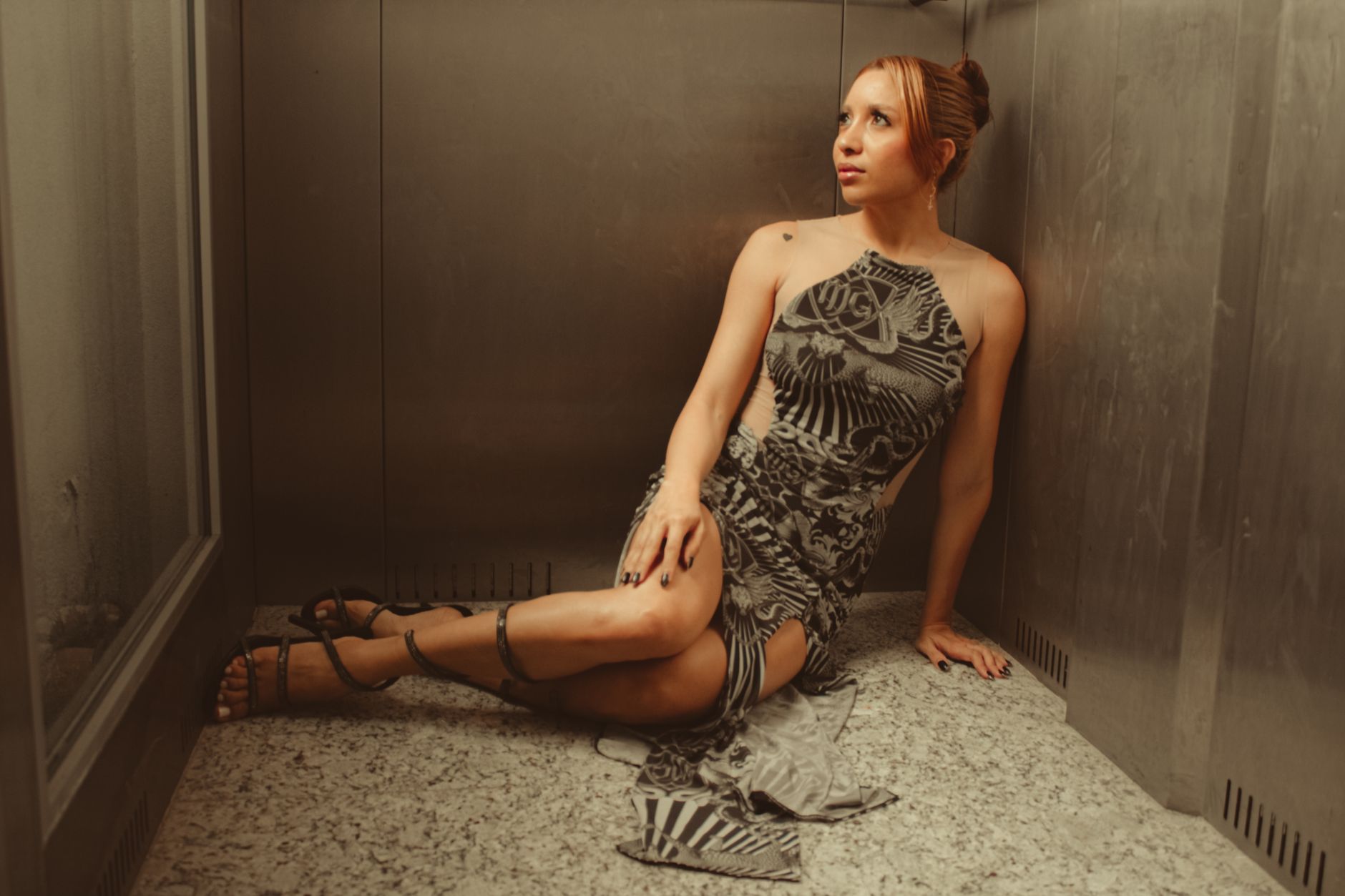
The halter top has always been fashion's most confident provocateur—defined by what it removes rather than what it reveals. Bare shoulders, an open back, a neckline that climbs high then drops away. It's a silhouette built on strategic absence.
Now, designers are challenging the entire premise. Spring 2024 runways introduced halter necklines attached to full sleeves, long sleeves, even dramatic bishop and balloon constructions. The result is paradoxical and compelling: a garment historically associated with maximal skin suddenly rendered architectural, covered, and more intriguing for it. This isn't modesty—it's subversion. The halter's defining gesture remains, but the rules around exposure have been rewritten entirely.

The Construction Logic Is Being Flipped
Halter necklines exist because they eliminate sleeves and straps—the architecture was always about subtraction. Attaching sleeves reverses that geometry entirely, creating a garment that requires multiple pattern pieces to converge at the neck in ways that defy conventional cutting. Designers like Khaite and The Row have shown versions where set-in sleeves meet halter fronts, producing tension between coverage and the cut's inherent drama. It's technically complex and visually arresting because it shouldn't quite work—but does.
Shoulders Are the New Décolletage
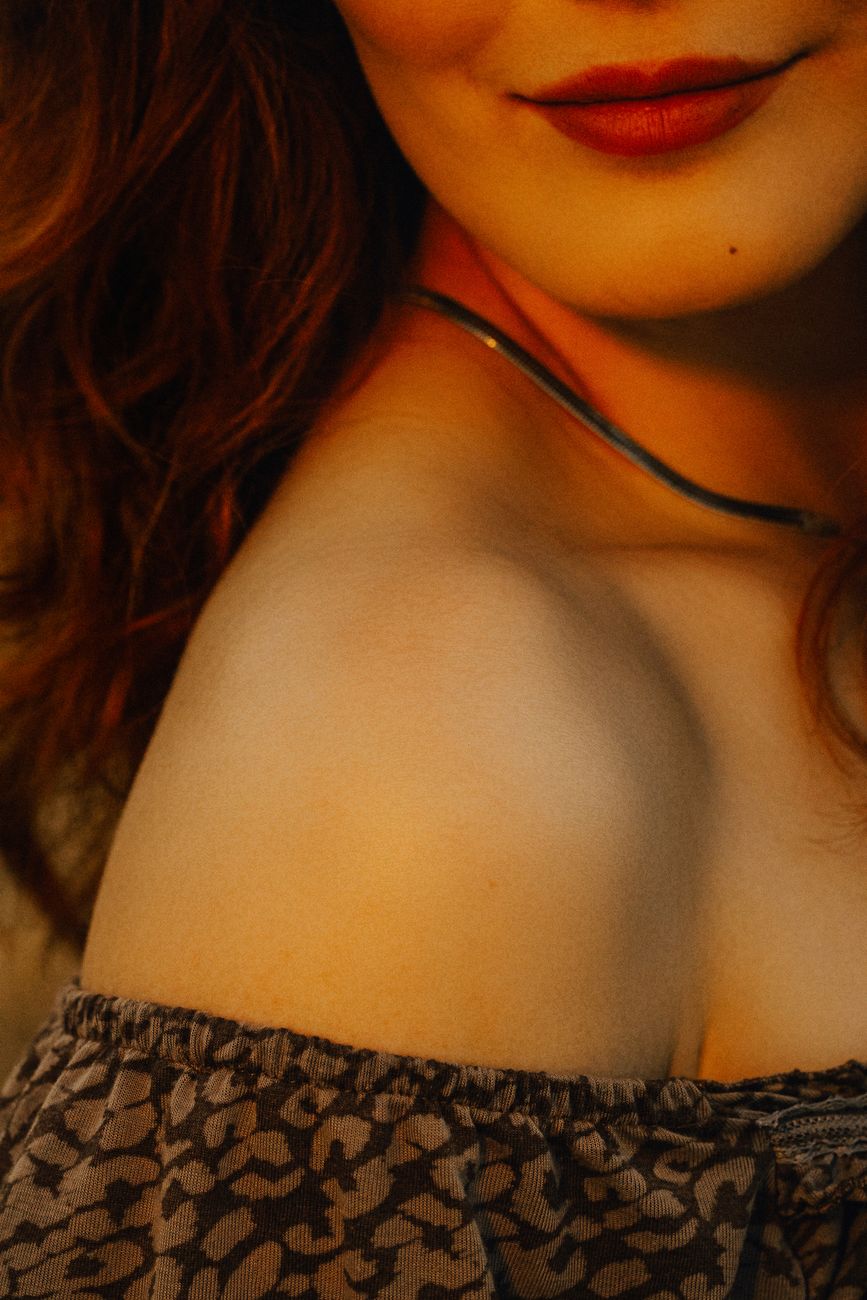
When halter tops gain sleeves, the erotic focus shifts from chest and back to the shoulder line itself—that narrow corridor where fabric wraps, twists, or gathers before climbing to the neck. Suddenly, the collarbones and shoulder blades become the most exposed real estate, framed rather than revealed. This redirection feels more sophisticated than obvious skin, offering the same impact with entirely different mathematics. It's allure through implication rather than declaration.
It Solves the Halter's Practical Failures
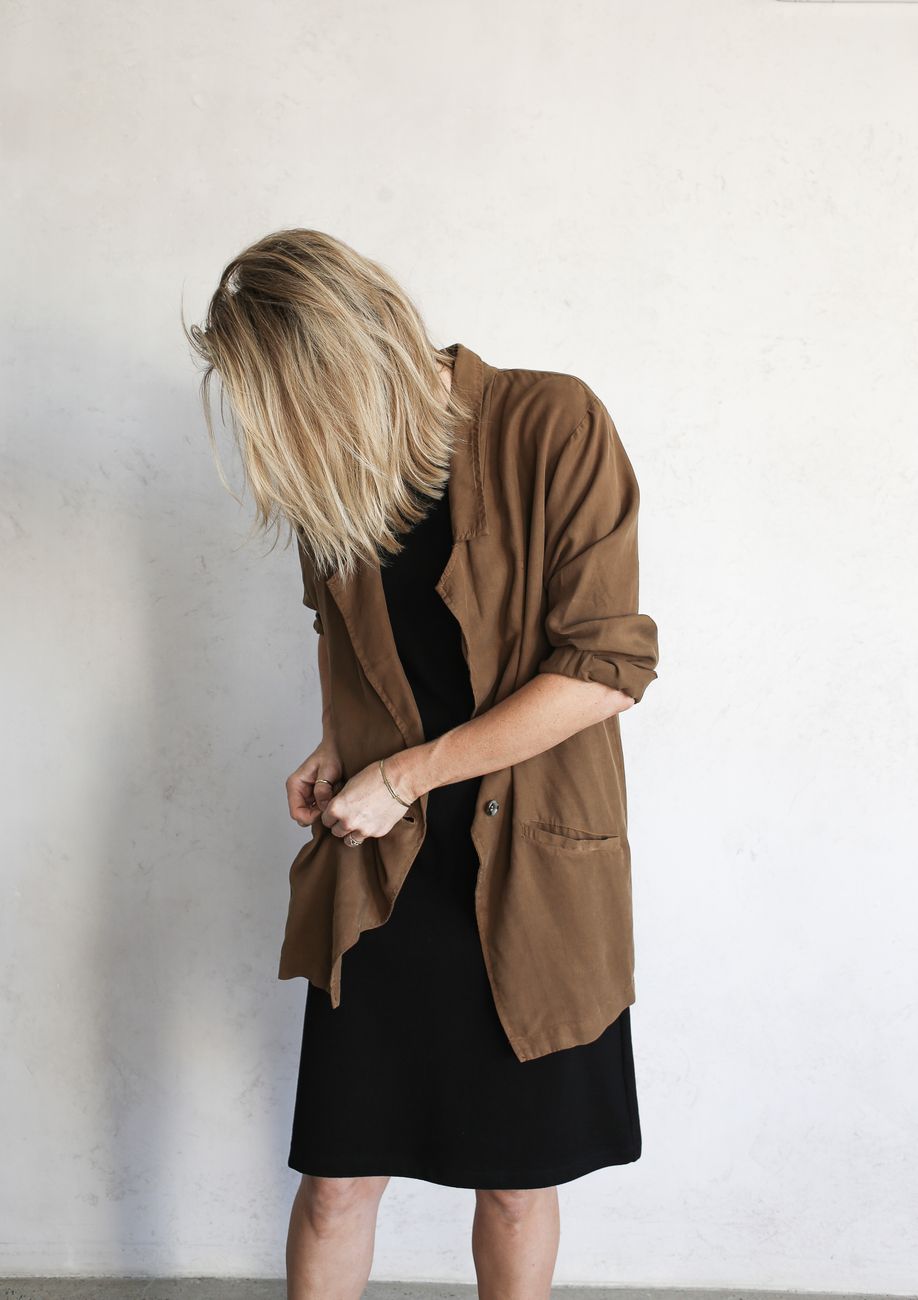
Traditional halters present logistical problems: no bra, constant readjustment, neck strain from weight-bearing ties. Sleeved versions distribute structural support differently, allowing for hidden undergarments and better balance. Brands like Totême and Frankie Shop are producing sleeved halters in substantial fabrics—knits, structured cotton, even leather—that hold their shape without requiring the wearer to remain perfectly still. This practicality doesn't diminish the design; it makes it wearable beyond a single photographed moment.

The Aesthetic Reads as Futuristic Minimalism
Covered halters occupy the same visual territory as Thierry Mugler's 1980s tailoring and Helmut Lang's 1990s reductionism—garments that feel engineered rather than draped. The combination of a high, binding neckline with full arm coverage creates a closed system, a body-conscious architecture that suggests both restraint and power. It's the opposite of romantic or bohemian; it's controlled, deliberate, and vaguely sci-fi. The silhouette implies a wearer who doesn't need to reveal anything to command attention.

It's Redefining What 'Sexy' Means in 2024
The sleeved halter arrives as culture debates exposure fatigue—the sense that visible skin has lost its capacity to intrigue. By covering what was traditionally bare, the design creates new tension and curiosity. It's fashion responding to a moment when being fully dressed feels more radical than being undressed, when mystery generates more heat than transparency. This isn't about modesty politics; it's about recognizing that desire requires friction, and friction requires something left unsaid. The sleeved halter understands that perfectly.