Walk into any store, scroll through any feed, attend any meeting. The wide-leg trouser isn't just popular—it's the only trouser. Skinny jeans? Vintage curios. Straight-leg? Quaint. Bootcut? A punchline. What began as a welcome correction to the tyranny of spray-on denim has calcified into its own form of dictatorship, where grown adults genuinely believe they have no other option for covering their legs.
This isn't about whether wide-leg pants look good. They often do. This is about the speed and totality with which fashion consumed itself, spat out every alternative, and declared victory. When a single silhouette achieves near-total market saturation in under five years, we're not witnessing preference—we're watching manufacturing consensus in real time.
The retail floor became a wide-leg monoculture
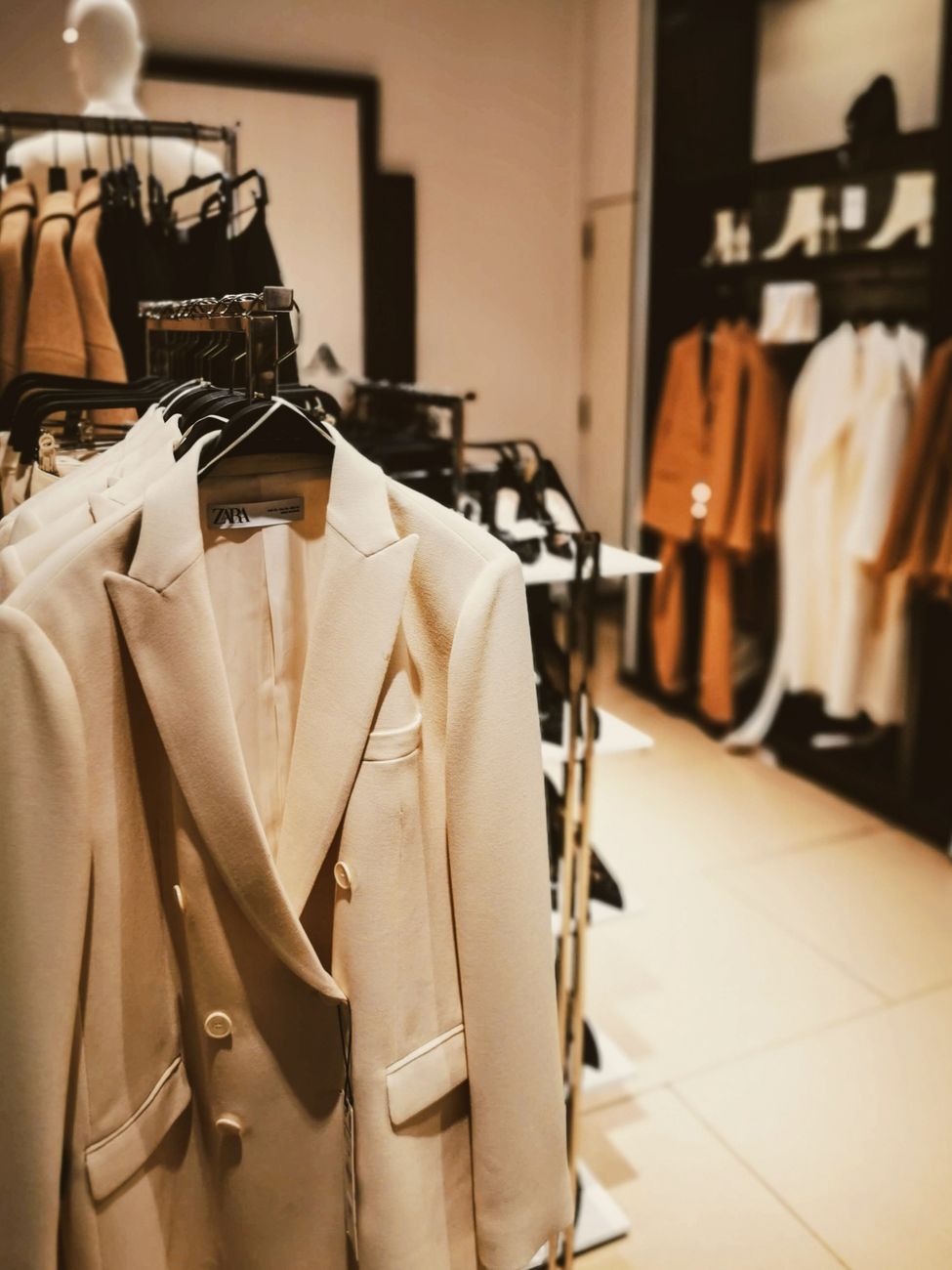
Visit any major retailer and conduct an experiment: try to find trousers that aren't wide-leg. You'll encounter rack after identical rack of billowing fabric, as though every design team received the same memo and obeyed without question. The uniformity isn't coincidental—it's operational efficiency disguised as trend forecasting. Brands manufacture what's safe, what's already selling, what requires no explanation to a buyer already conditioned by Instagram's algorithm.
Runways made subtlety impossible
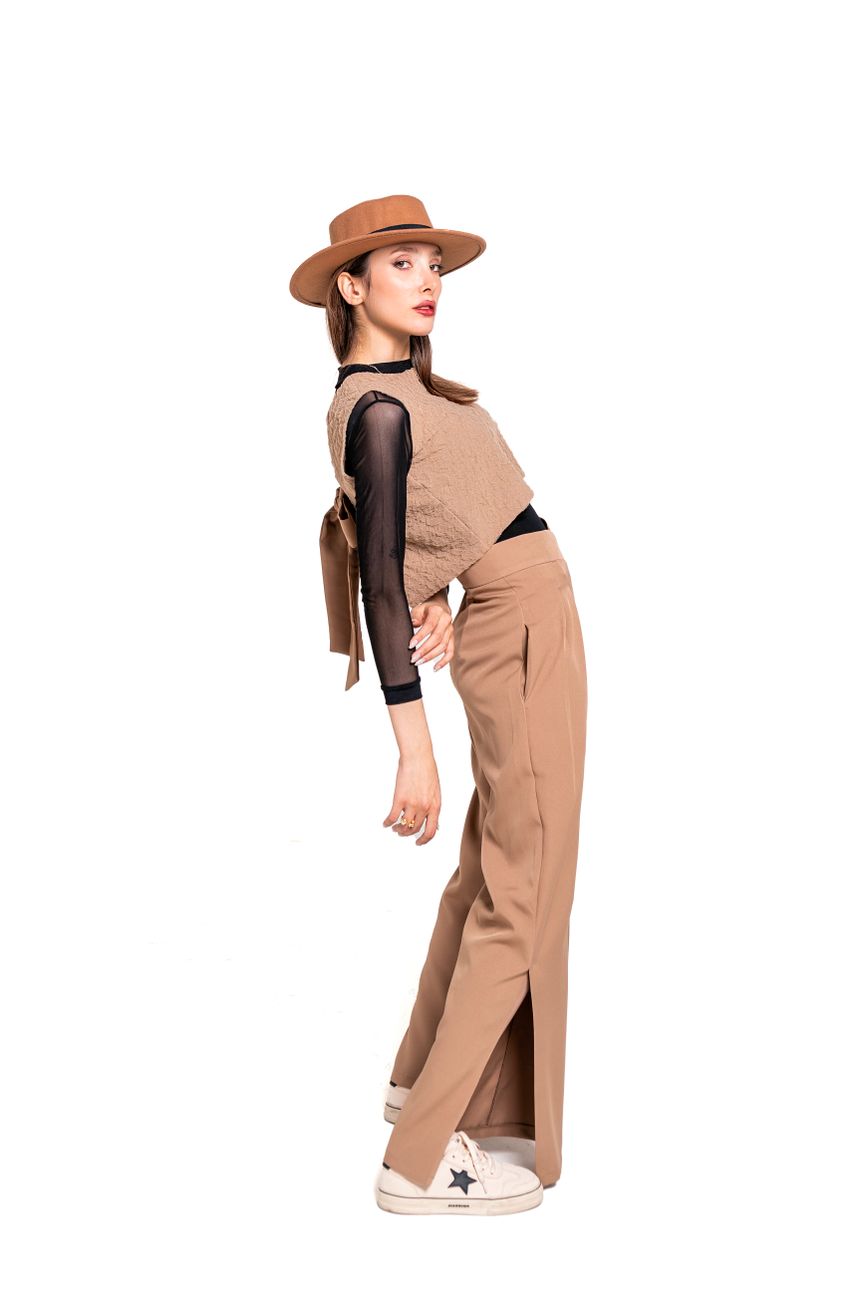
From The Row's architectural volumes to Khaite's louche tailoring, every credible runway amplified the silhouette until "wide" became "wider" became "cartoonishly voluminous." The industry's echo chamber turned a good idea into a visual arms race. When Phoebe Philo's Céline planted the seeds over a decade ago, it felt like liberation from bodycon claustrophobia. By 2024, it's just another uniform with better PR.

The influencer-industrial complex eliminated alternatives
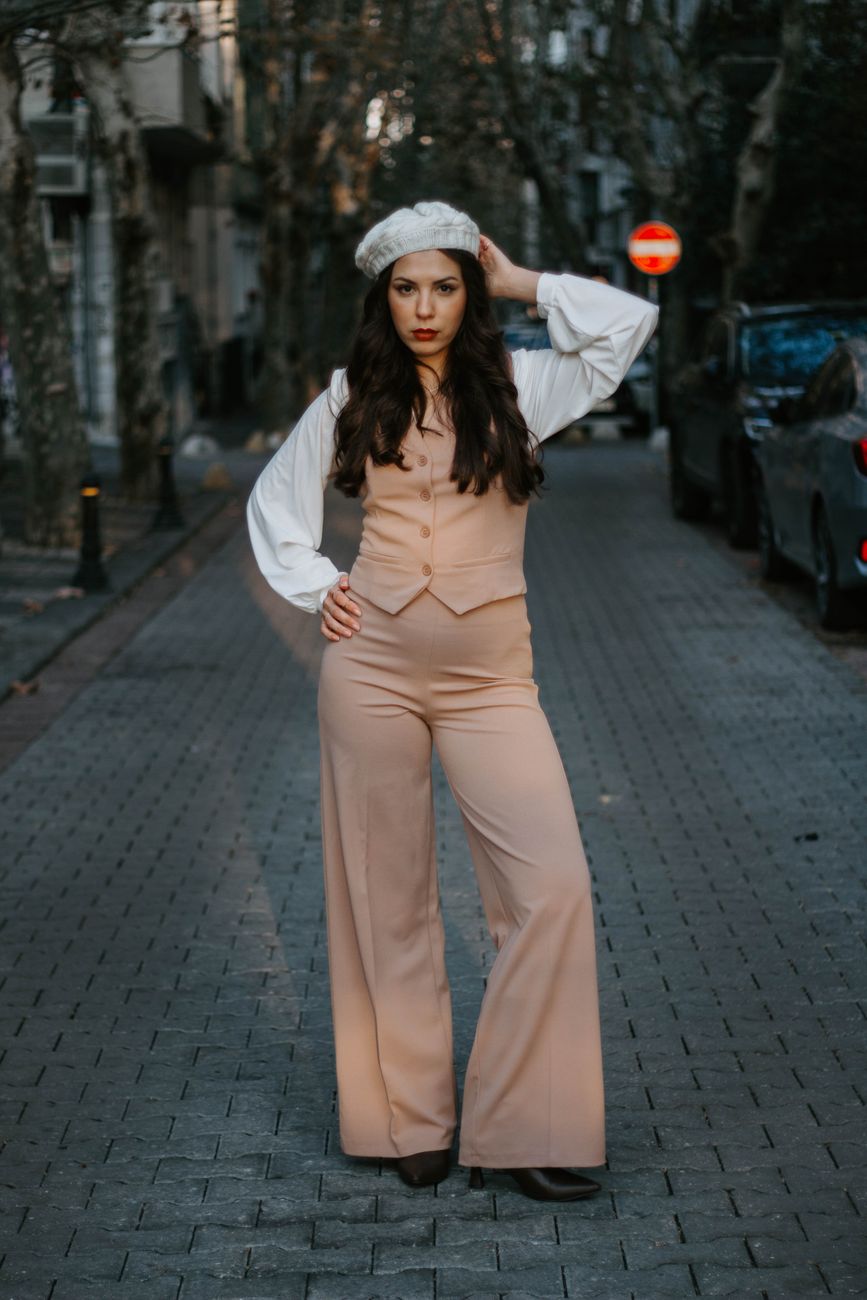
Every fashion-adjacent account on Instagram materialized in the same high-waisted, floor-grazing wide-legs, creating a visual feedback loop that redefined "normal." The algorithm rewarded sameness, and sameness compounded. When thousands of bodies perform the same silhouette, viewers internalize it as the only correct option. This isn't inspiration—it's manufactured consensus at scale, where variety dies quietly beneath engagement metrics.
Comfort became the unassailable justification
"They're just more comfortable" became the conversation-ending defense, as though comfort and choice weren't separate variables. Yes, wide-legs accommodate movement and breathing—but so do other cuts that mysteriously vanished from production. The comfort argument serves a more useful purpose: it morally justifies conformity, transforming a aesthetic monopoly into a wellness position. You're not following trends mindlessly; you're listening to your body. Convenient.
Skinny jeans became a cultural scapegoat
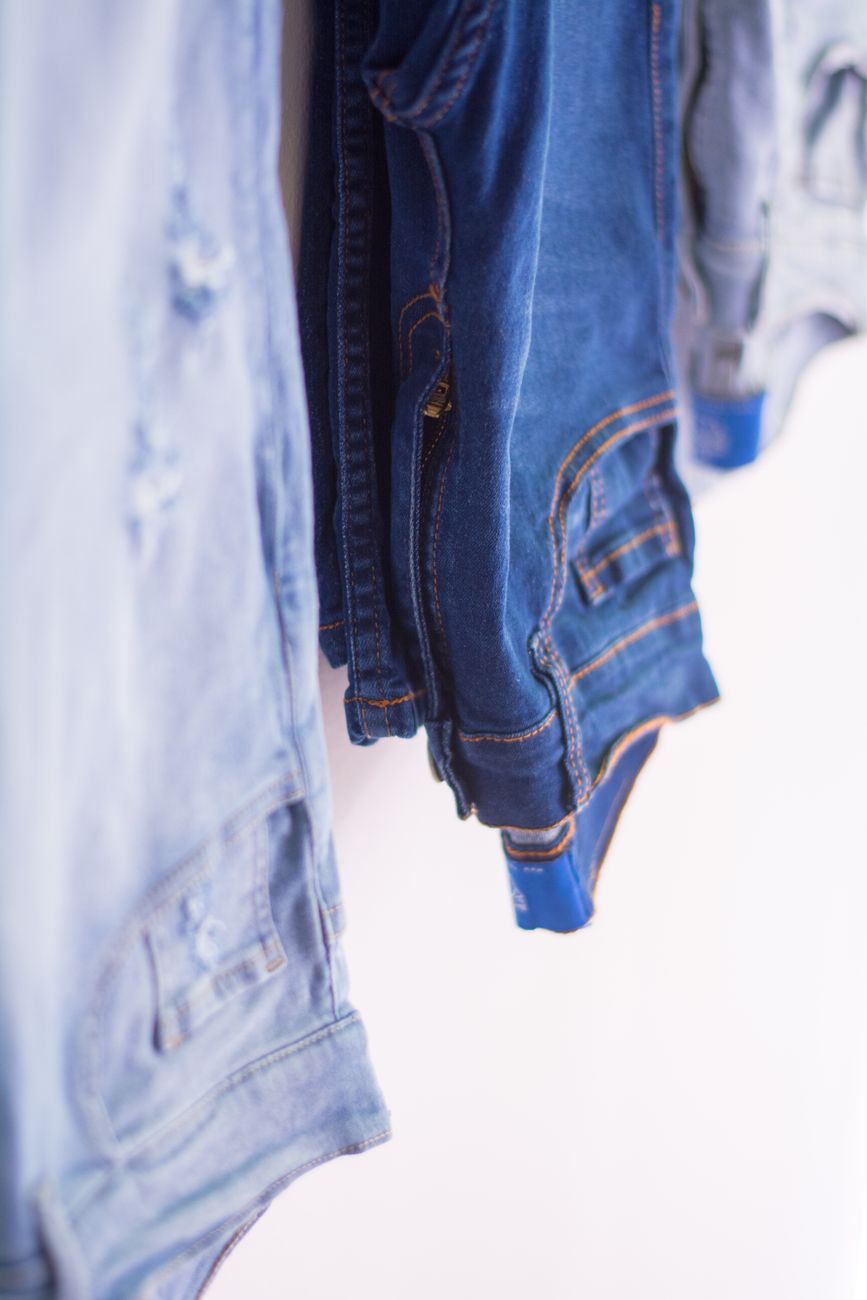
The speed with which skinny jeans transformed from default to punchline should concern anyone interested in how fashion creates amnesia. An entire generation wore them for fifteen years, then pretended they never did—or worse, performed public shame about their past choices. This collective disavowal cleared space for wide-legs to dominate, but it also revealed fashion's preference for absolutes. Nuance doesn't trend.
Tailoring forgot how to do anything else
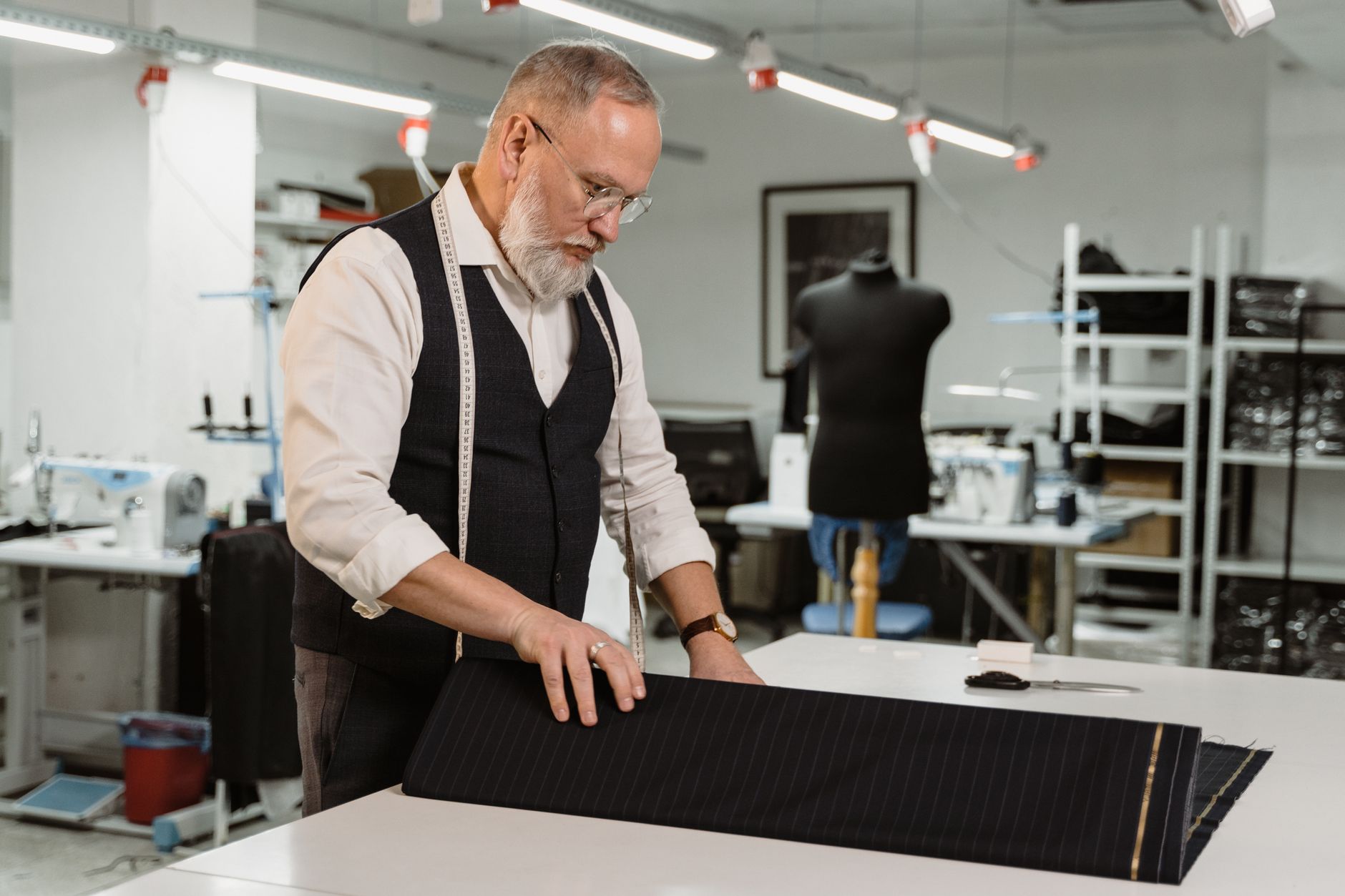
Pattern-makers and manufacturers optimized for one silhouette, and muscle memory set in. When production infrastructure commits to a single shape, pivoting becomes expensive and slow. The industry's structural inability to produce variety at speed means what started as trend becomes default simply through inertia. Wide-legs won partly because the system forgot how to make anything else at scale, which raises questions about what happens when consumers finally want something different.
Proportion became a surveillance system
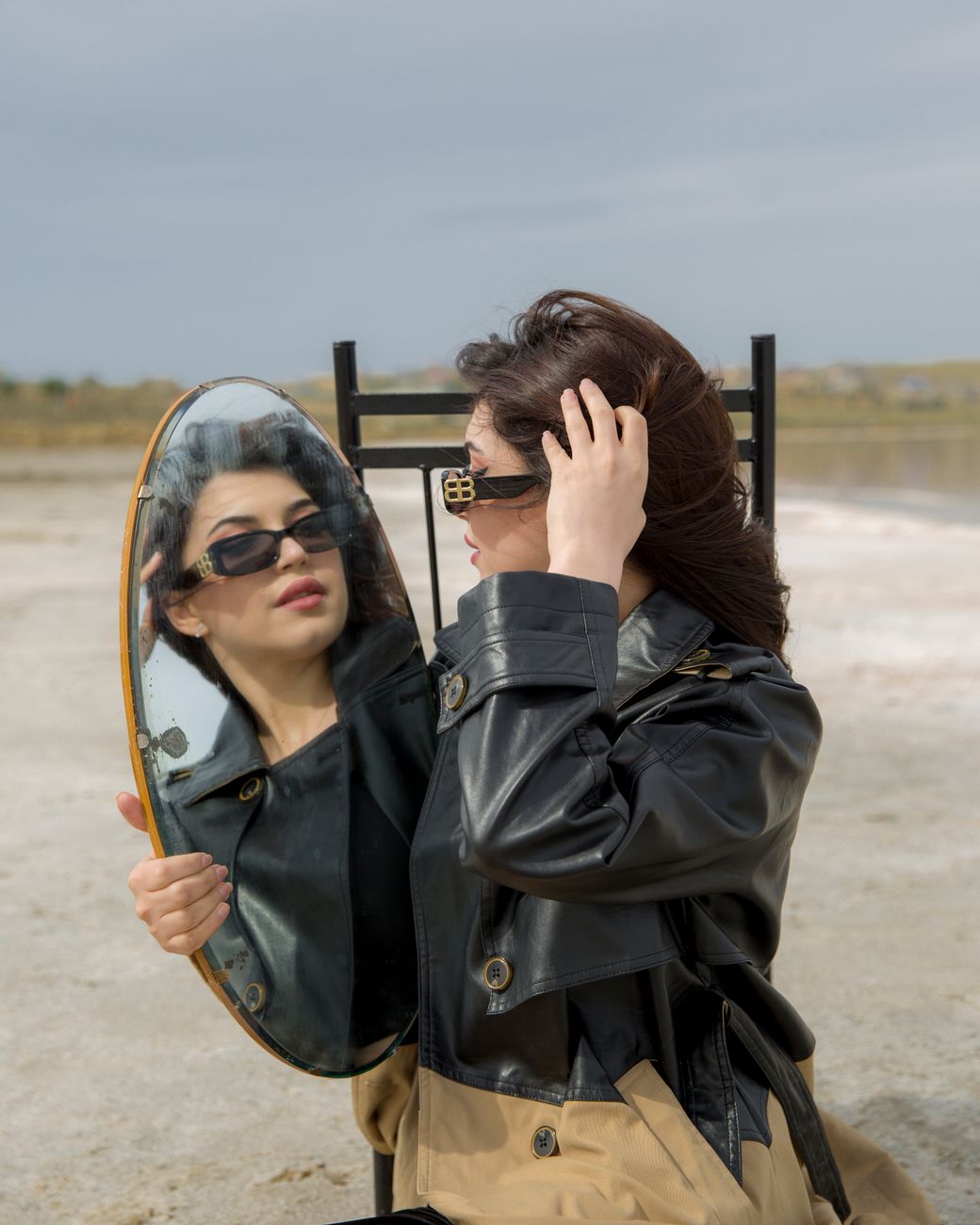
Fashion content now polices proportion with religious fervor: wrong hem length, wrong shoe pairing, wrong top volume. The wide-leg pant arrived with a PhD's worth of styling rules that require constant study and adjustment. This creates perpetual low-level anxiety while simultaneously positioning fashion authorities as necessary guides. When wearing pants requires a briefing, you've built a system that sustains itself through manufactured complexity.

Mandatory eventually breeds its own backlash
The wide-leg's total victory contains the seeds of its collapse. Fashion needs contrast to function, and when everything looks identical, the eye hunts for difference. Already, the early adopters who first fled skinny jeans are quietly returning to straighter cuts—not because wide-legs failed, but because mandatory anything eventually feels like a cage. The pendulum swings not because the previous thing was wrong, but because uniformity itself becomes unbearable.
- The retail floor became a wide-leg monoculture
- Runways made subtlety impossible
- The influencer-industrial complex eliminated alternatives
- Comfort became the unassailable justification
- Skinny jeans became a cultural scapegoat
- Tailoring forgot how to do anything else
- Proportion became a surveillance system
- Mandatory eventually breeds its own backlash