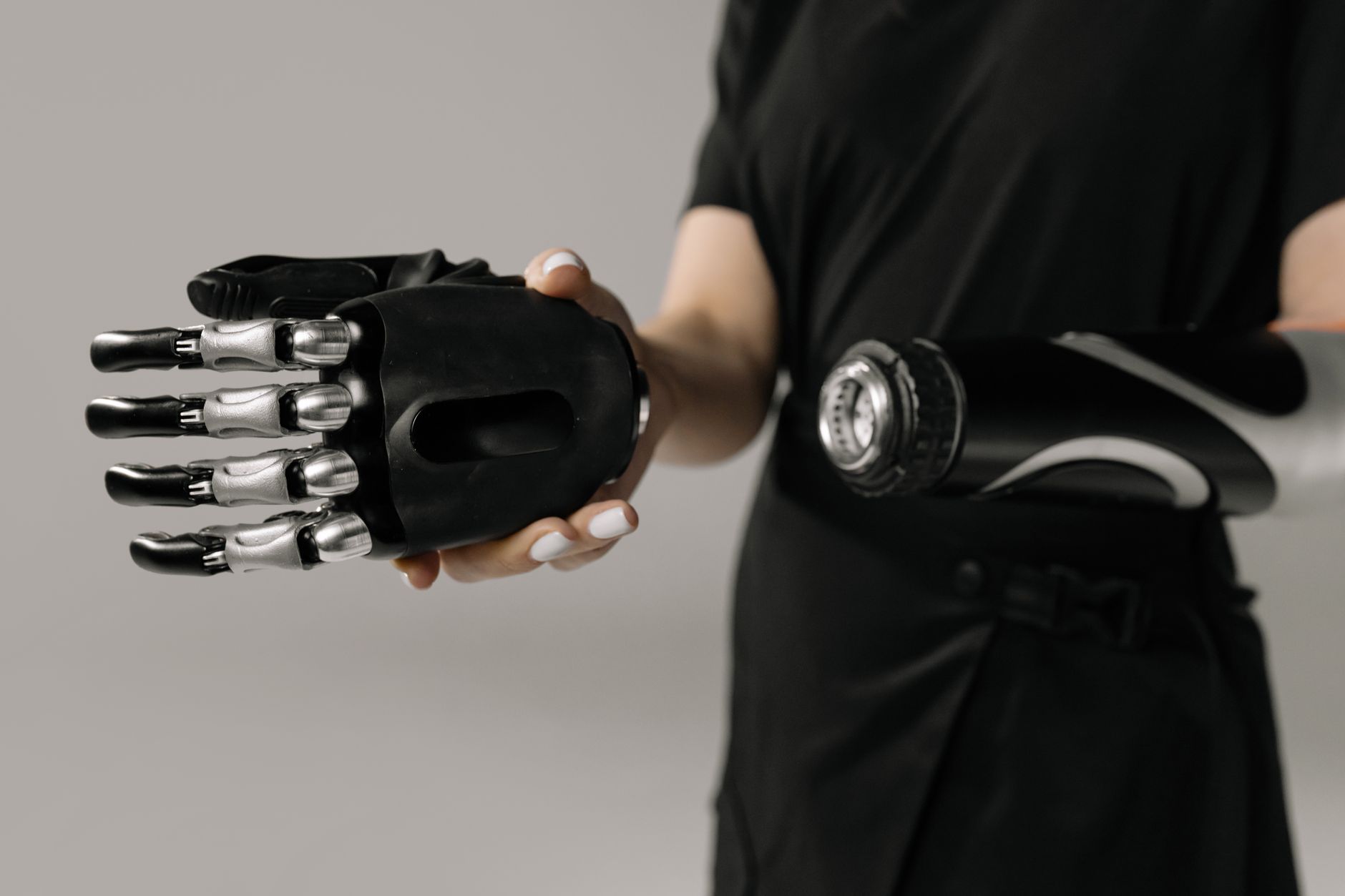
The dress shirt died quietly, suffocated under its own collar stays. What replaced it wasn't another woven—it was the knit polo, that country club relic suddenly reborn as the thinking person's formal top. Ribbed texture now communicates refinement better than any oxford weave, precisely because it suggests you're beyond trying.
This isn't athleisure creep. This is a material hierarchy flip. The same men who spent hundreds on Charvet button-downs now consider them costumey, preferring the architectural drape of merino and silk knits. It's happening in executive offices, at gallery openings, across every context where 'dressed up' used to mean stiff fabric and visible effort. The polo won because it made formality look effortless.

Tech Founders Legitimized the Knit Shirt as Power Uniform
When Silicon Valley billionaires traded hoodies for fine-gauge polos, they accidentally created a new authority costume. The knit shirt split the difference between Zuckerberg's refusal to perform and traditional boardroom theater. Now venture capitalists and creative directors wear the same Loro Piana ribbed knits to signal they've transcended dress codes entirely. It's formality for people who claim not to care about formality.

Tailoring Absorbed Sportswear, Not the Other Way Around
The polo didn't casualize suiting—suiting elevated the polo. Underneath unstructured blazers and with wool trousers, the knit shirt provides texture contrast that woven fabrics can't match. Savile Row cutters now design jackets specifically to accommodate the thicker collar stand and cleaner shoulder line of knits. What was once considered too relaxed now anchors the entire silhouette with more intention than any dress shirt could.
Material Snobbery Shifted from Weave to Fiber Content
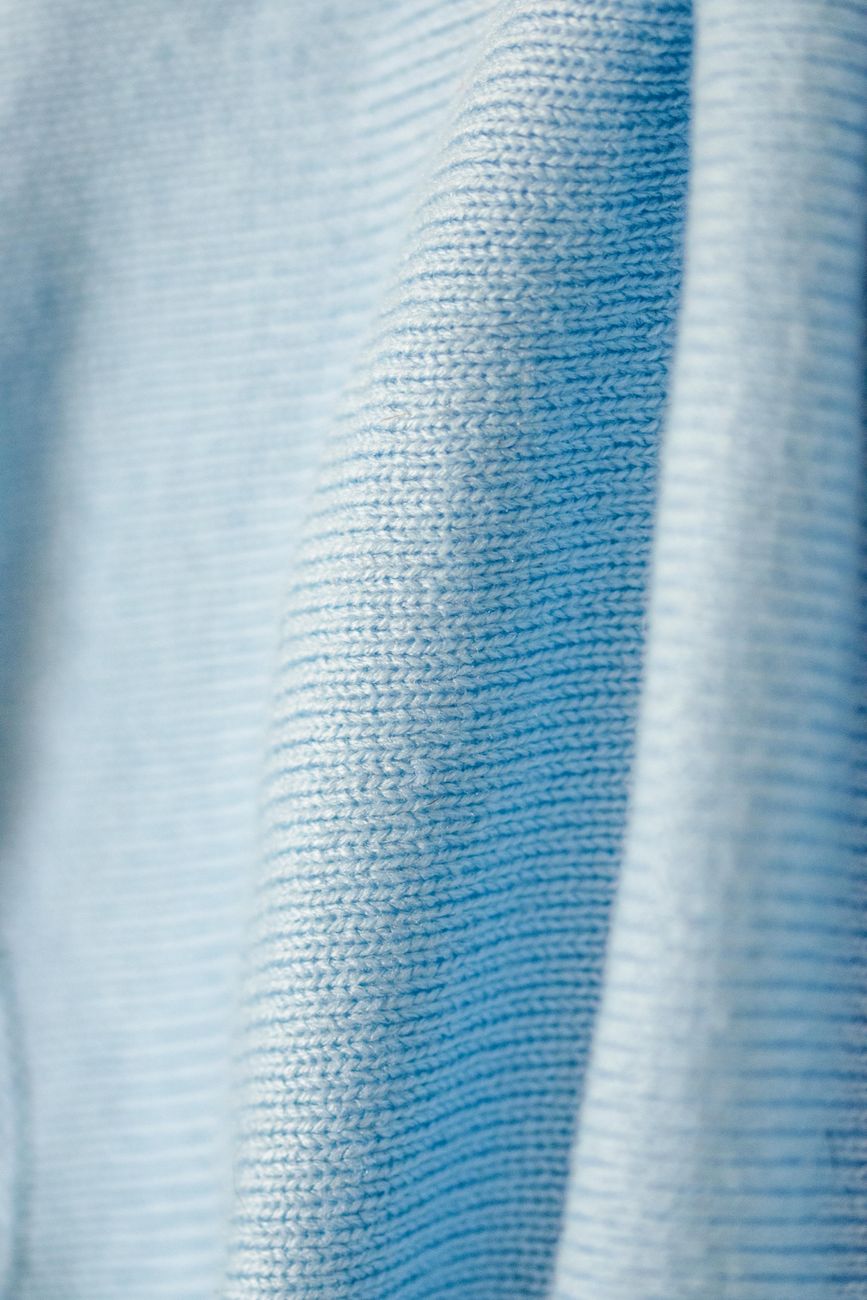
The new flex isn't Sea Island cotton poplin—it's 18-micron merino, cashmere-silk blends, and summer-weight yak knits most people can't identify by sight. Connoisseurship migrated from understanding fabric construction to knowing which Italian mill produces the tightest gauge. A $400 knit polo from Brunello Cucinelli communicates more now than a $400 woven shirt ever could, precisely because fewer people recognize the difference.
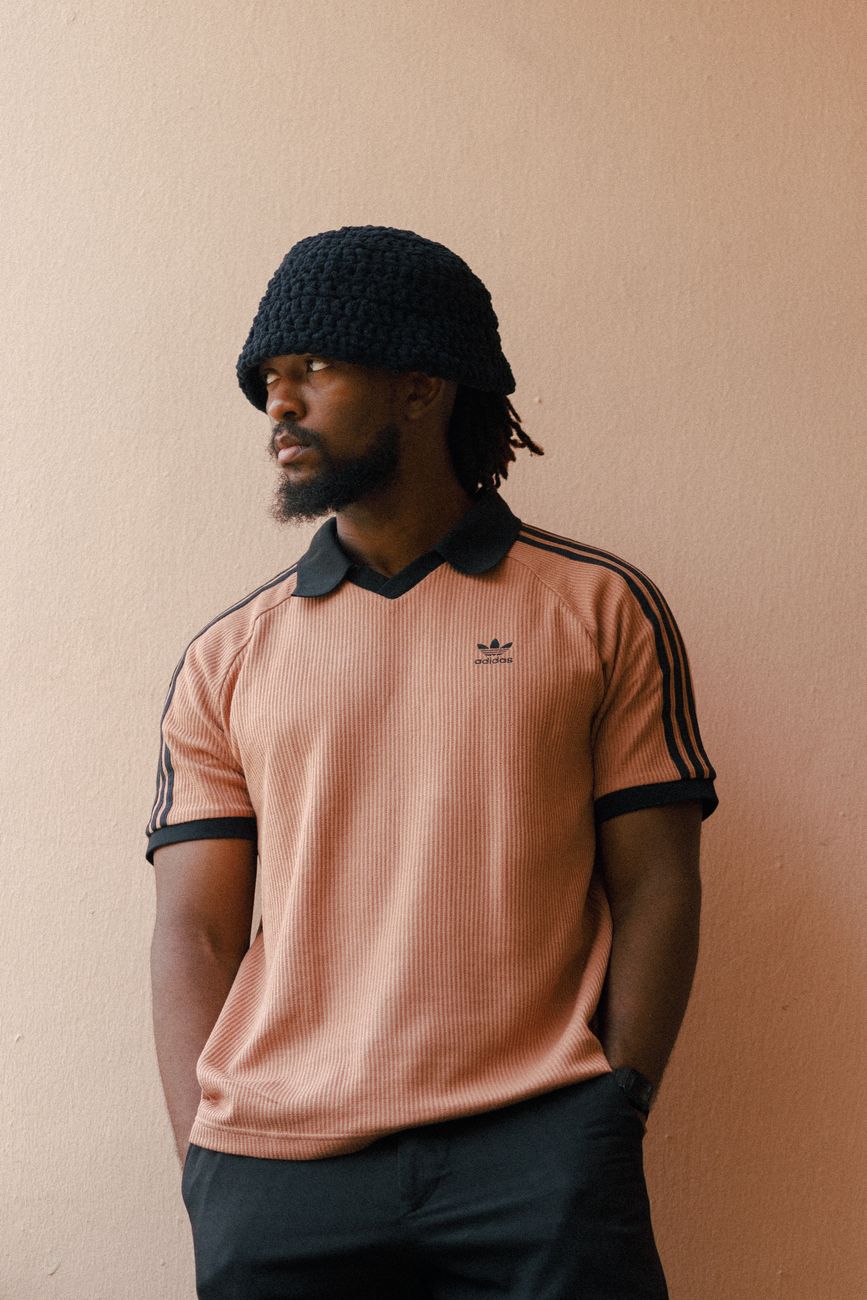
Ribbed Texture Photographs Better Than Flat Weaves
In an image-saturated culture, the polo's dimensional surface catches light in ways that flat poplin can't. The ribbed structure creates shadow play that reads as depth on screens and in person. Fashion's visual shift toward texture over print gave knits an advantage that woven shirting—no matter how fine—simply lacks. Looking good in real life now means looking good through a phone camera first, and knits win that contest.
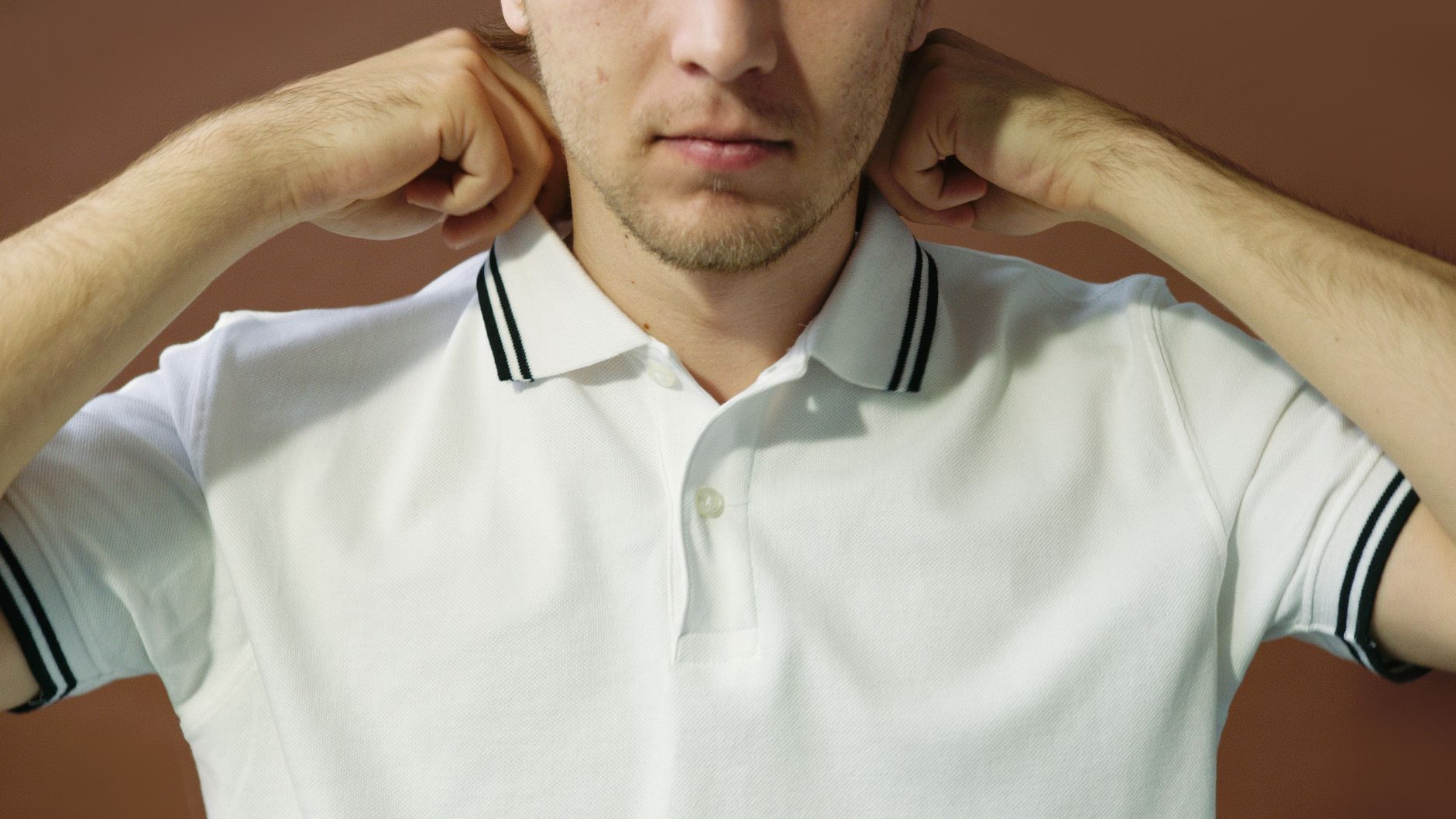
The Polo Collar Became the New Spread Collar
Collar typology used to signal formality: spread for business, button-down for casual. The polo's soft, self-finishing collar erased that entire classification system. No collar stays, no awkward gaps, no decisions about buttoning or leaving open. It's a permanently resolved neckline that works under everything or alone. The polo collar doesn't demand attention—it simply completes the frame with zero neurosis.

Comfort Stopped Being the Opposite of Sophistication
For decades, discomfort proved seriousness—stiff collars, non-stretch fabric, silhouettes that restricted movement. Knit polos ended that Puritan bargain. They move with the body, regulate temperature, and never wrinkle, yet now read as more refined than their rigid predecessors. The cultural logic flipped: if you're still tolerating discomfort for appearance, you haven't figured it out yet. Ease became the ultimate luxury signal.

Return-to-Office Codes Couldn't Survive the Knit
Corporate dress codes attempted resurrection post-pandemic, but the knit polo made enforcement impossible. It's technically collared and 'appropriate,' yet fundamentally belongs to the same material family as what people wore at home. HR departments couldn't ban it without looking ridiculous, and executives couldn't mandate wovens while wearing knits themselves. The polo didn't break the rules—it made the rules irrelevant by being both compliant and completely different.
- Tech Founders Legitimized the Knit Shirt as Power Uniform
- Tailoring Absorbed Sportswear, Not the Other Way Around
- Material Snobbery Shifted from Weave to Fiber Content
- Ribbed Texture Photographs Better Than Flat Weaves
- The Polo Collar Became the New Spread Collar
- Comfort Stopped Being the Opposite of Sophistication
- Return-to-Office Codes Couldn't Survive the Knit