The corporate road warrior is dead. In its place: a new species of traveler who books the Tuesday morning pitch deck presentation but stays through Sunday for the boutique winery tour. They're not rebels—they're realists, and they've discovered that the line between business trip and personal escape is negotiable.
'Bleisure' isn't just a portmanteau for LinkedIn thought leaders to throw around. It's a fundamental shift in how ambitious professionals view work travel—less obligation, more opportunity. The question is no longer whether to extend that Denver conference into a weekend in Aspen, but why anyone would consider not doing it.
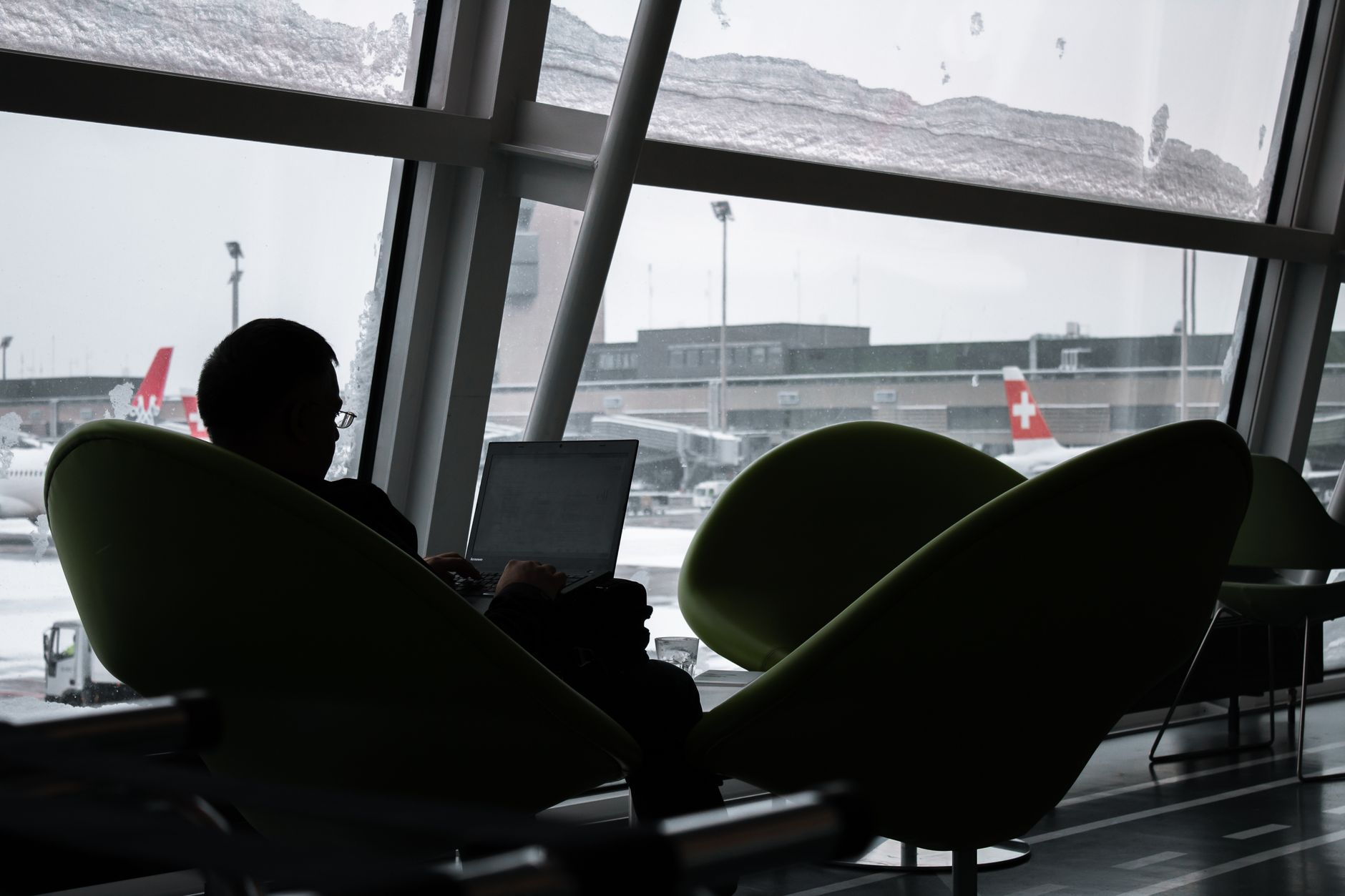
The Expense Report Loophole
Smart travelers have cracked the code: companies cover the flight and the first few nights, so extending a $1,200 round-trip ticket by three days costs exactly nothing extra. The incremental spend—a weekend hotel, some meals—is a fraction of what that same trip would cost booking from scratch. Finance departments aren't complaining because the core business expense remains unchanged, and employees return energized rather than exhausted. It's arbitrage, but for your mental health.

Remote Work Made Business Travel Optional (So It Better Be Worth It)
When everything can happen over Zoom, the decision to fly somewhere for work carries new weight. Employees are extending trips because if they're going to sacrifice the home office setup and endure TSA PreCheck lines, there needs to be a personal ROI beyond networking appetizers. Companies are tacitly endorsing this because bleisure travelers are more willing to take those in-person meetings that actually do require face-time. The calculation has flipped: travel has become precious, so make it count.

The Guilt-Free Vacation Hack
Americans are notoriously bad at taking vacation days, but a work trip with a leisure extension comes with built-in permission. There's no awkward Slack conversation about coverage, no guilt about abandoned projects, because you're already gone—ostensibly for legitimate business reasons. The weekend in Lisbon after the conference isn't playing hooky; it's just efficient travel planning. Psychologically, it's easier to justify exploring a new city when you're already there 'for work' than it is to book a standalone vacation and face the invisible judgment of productivity culture.
The Influencer Effect on Corporate Travel
Social media turned every business traveler into a potential content creator, and that changes behavior. When your Chicago sales meeting can double as Instagram content from Millennium Park, or your Austin conference turns into BBQ tour documentation, the line between work trip and lifestyle content blurs. Professionals are choosing bleisure partly because the return on investment now includes social capital—proof that you're living a dynamic, balanced life rather than grinding through another beige hotel corridor. Nobody built a personal brand posting laptop selfies from a Holiday Inn Express.

Cities Are Designing for It
Hotels and destinations caught on fast. Properties near convention centers now market 'workation' packages with late checkout and coworking spaces. Tourism boards actively court bleisure travelers because they stay longer and spend more than pure business travelers while requiring less marketing than leisure tourists. Cities like Copenhagen and Singapore have built entire strategies around capturing the extended-stay professional who wants a conference badge and a Michelin-star reservation. The infrastructure is adapting because bleisure travelers represent the highest-value segment: people with corporate budgets and personal wanderlust.