The low-rise came back, but it didn't come back honest. When designers announced its return, we expected Y2K's belt-line chaos—those jeans that required strategic undergarment decisions and a certain recklessness about bending over. What arrived instead sits a solid three inches higher, resting politely at the hip bone rather than somewhere vaguely south of dignity.
This isn't about false advertising. It's about fashion's selective memory and our collective relief that some things don't need to be revived with historical accuracy. The 'new low-rise' represents something smarter: the aesthetic of early-aughts rebellion without the actual structural engineering problems. Five shifts that prove low doesn't mean what it used to.

The hip bone became the new waistline baseline
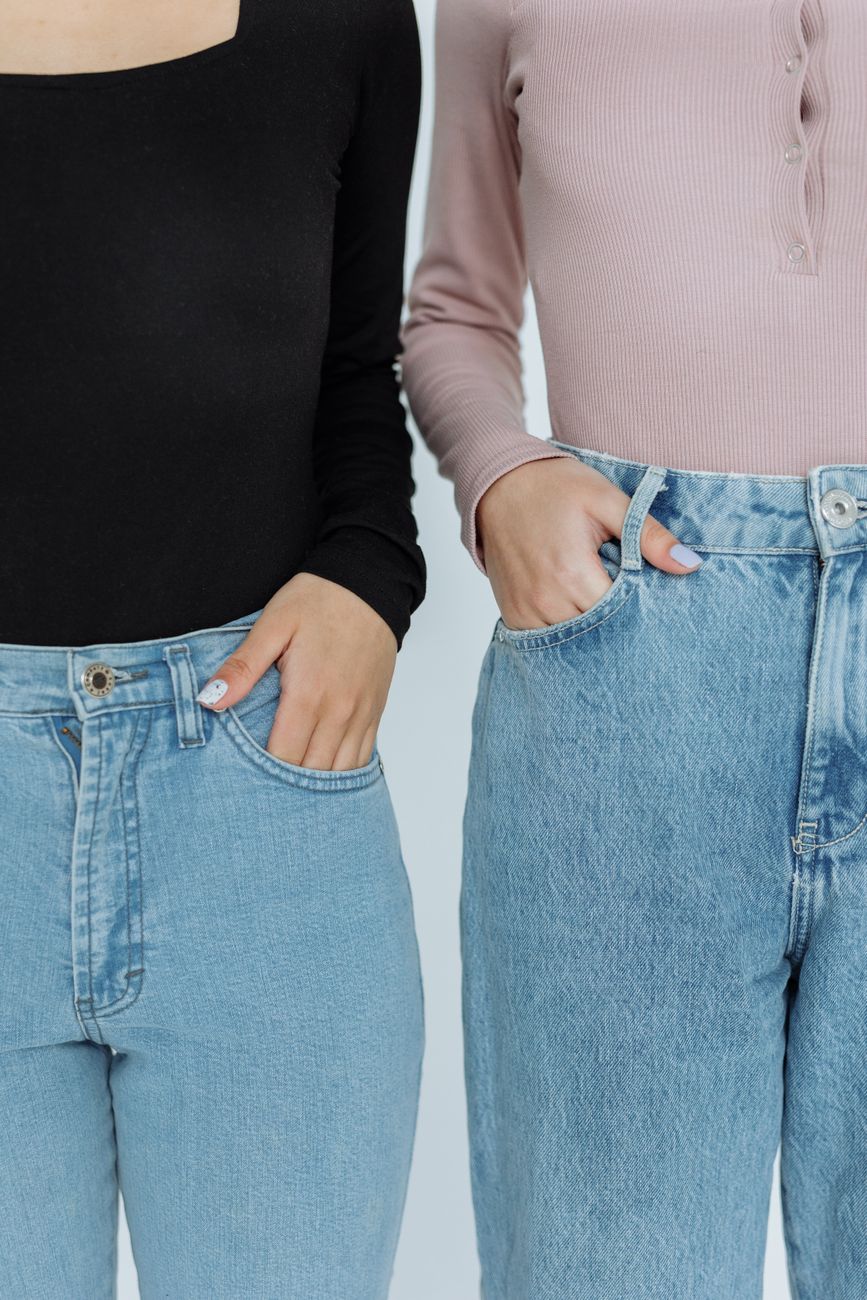
Designers recalibrated the entire rise spectrum, moving low-rise up to where mid-rise lived five years ago. What Miu Miu and Coperni showed wasn't the pelvis-skimming denim of 2003—it was something that sits at the hip bone's crest, creating the illusion of exposure without actual vulnerability. The effect reads low without the engineering anxiety, allowing movement, sitting, existing in clothes rather than being held hostage by them.
Gen Z demanded the aesthetic, not the reality
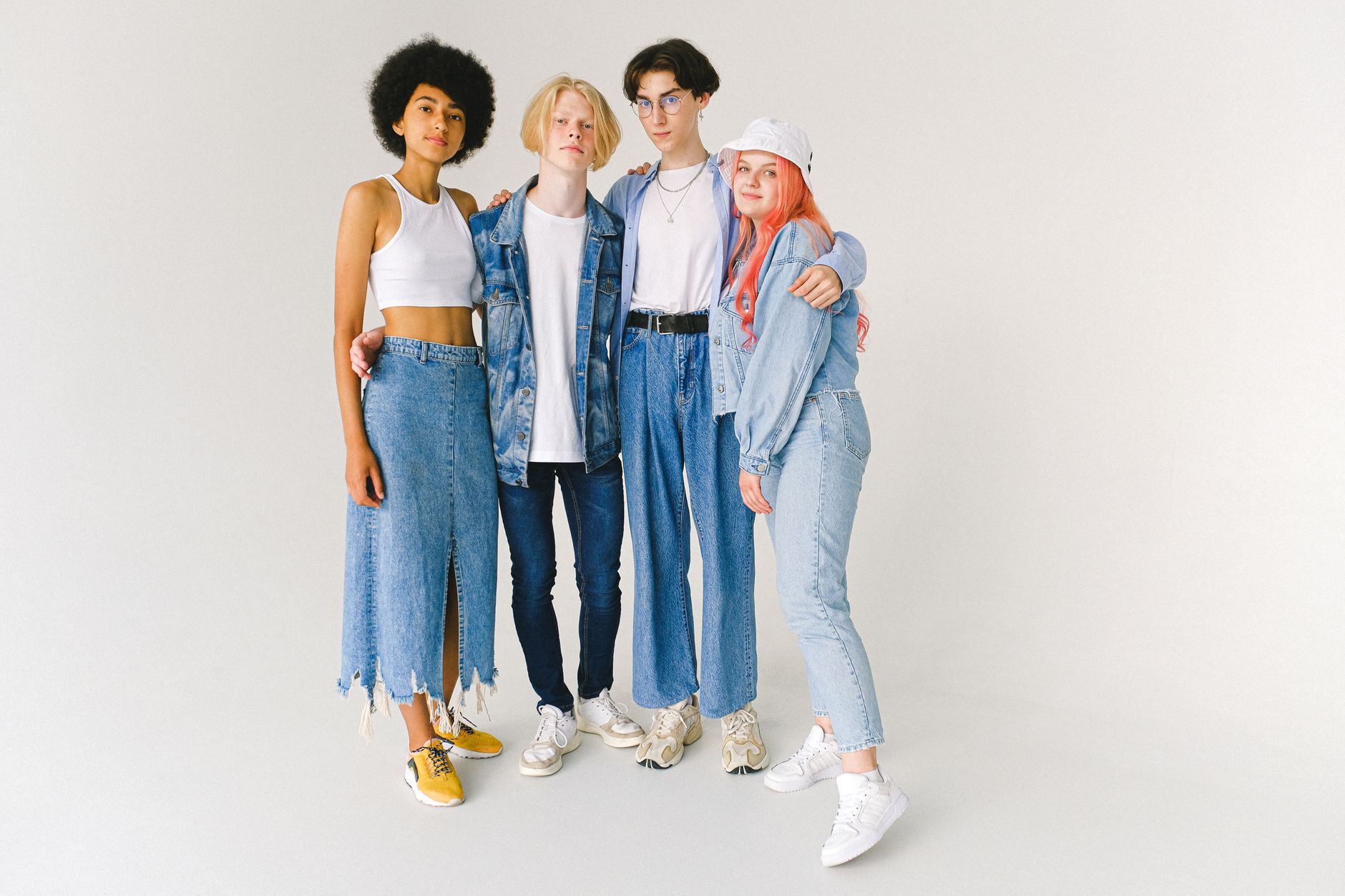
The generation driving this trend didn't experience low-rise the first time, which gave them the freedom to want it without understanding what it actually required. They saw Bella Hadid's vintage Cavalli, not their older sister's muffin-top trauma. Brands responded by delivering the visual language—that early-2000s proportion—without the functional nightmare, because nostalgia works best when it's been edited for wearability.

The three-inch buffer zone changed everything
That three-inch difference represents the space between fashion statement and wardrobe liability. It's where designers found the sweet spot: low enough to shift proportions and create that elongated torso effect, high enough to stay put during normal human activity. The buffer zone turned low-rise from a lifestyle commitment into an actual trend people can participate in without completely restructuring their underwear drawer or their relationship with chairs.
High-rise fatigue created the opening
After nearly a decade of waistbands creeping toward rib cages, the market was ready for literally any other option. High-rise had become so dominant it stopped feeling like a choice and started feeling like a mandate. The redefined low-rise arrived as a relief, offering proportion play and a lower center of gravity without requiring the commitment that 2003-era low demanded—a correction, not a revolution.
Terminology shifted to protect the rebrand
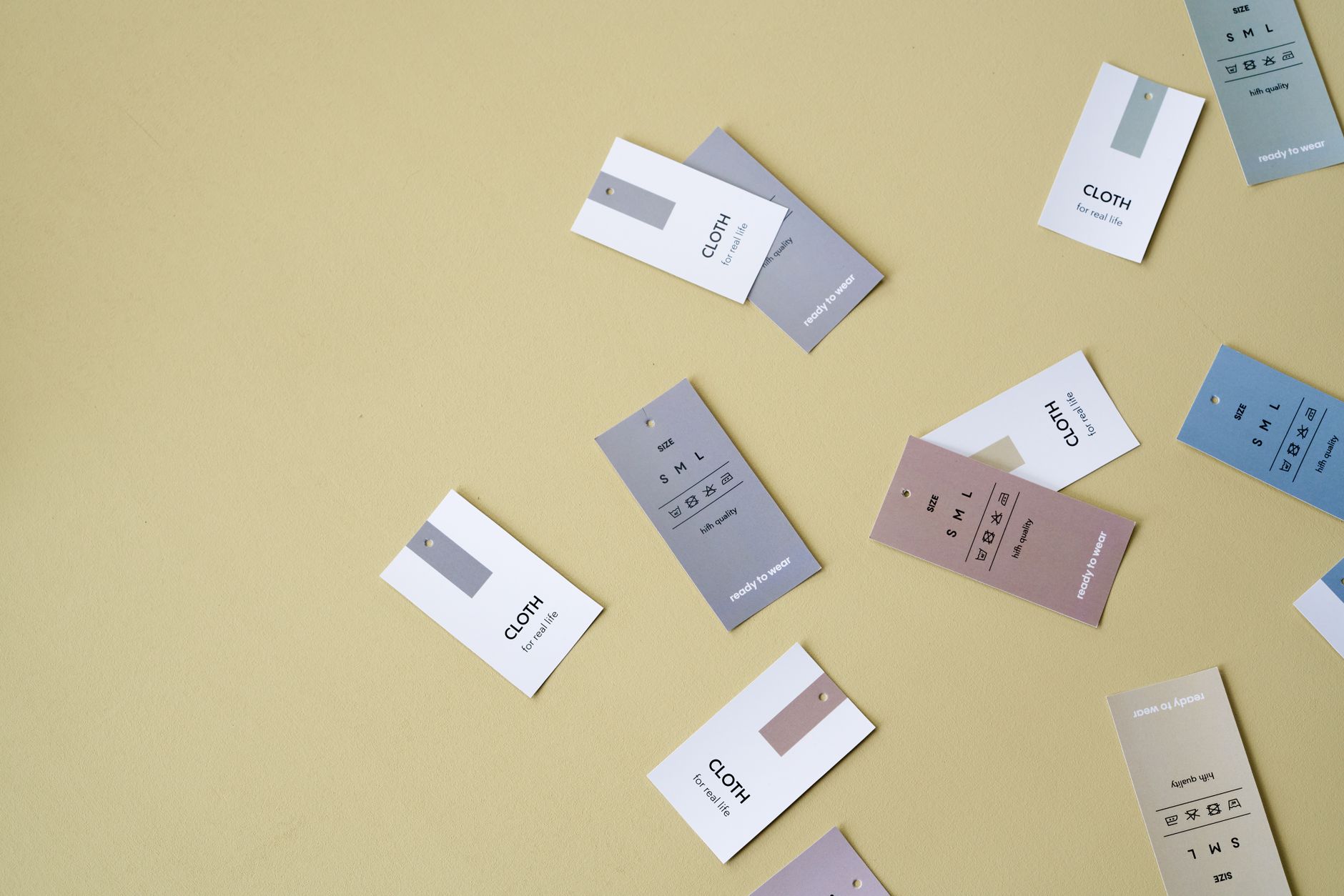
Brands quietly stopped using measurements and started using vibes. 'Low-slung,' 'hip-hugging,' 'relaxed waist'—anything but an actual inch count that might remind customers what low-rise originally meant. This linguistic drift wasn't accidental; it allowed the trend to exist without direct comparison to its predecessor. The rise measurement became irrelevant as long as the proportion looked right, which is exactly how fashion prefers it: subjective, seasonal, and conveniently unmeasurable.