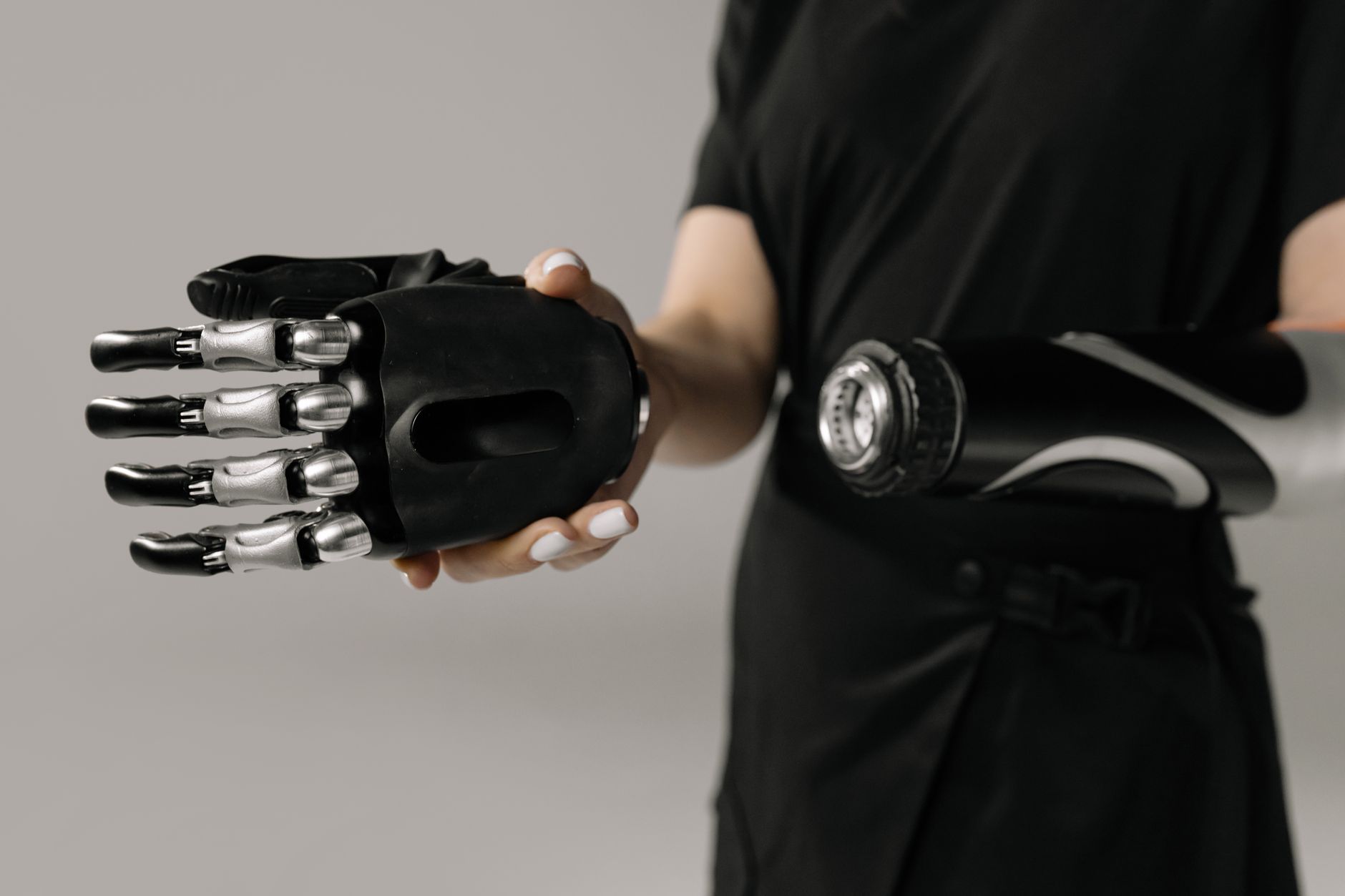
Pleats stopped whispering and started cutting. What Fortuny made delicate and Issey Miyake made kinetic, 2025 made severe—accordion folds pressing into origami armor,每个折痕 sharp enough to draw blood (metaphorically). The technique that once signified fluid femininity now reads as engineered aggression.
This isn't about softness with structure. It's about structure, period. Designers wielding pleats like architects draft steel, turning fabric into something that doesn't drape so much as defend. Five edges sharpening right now.
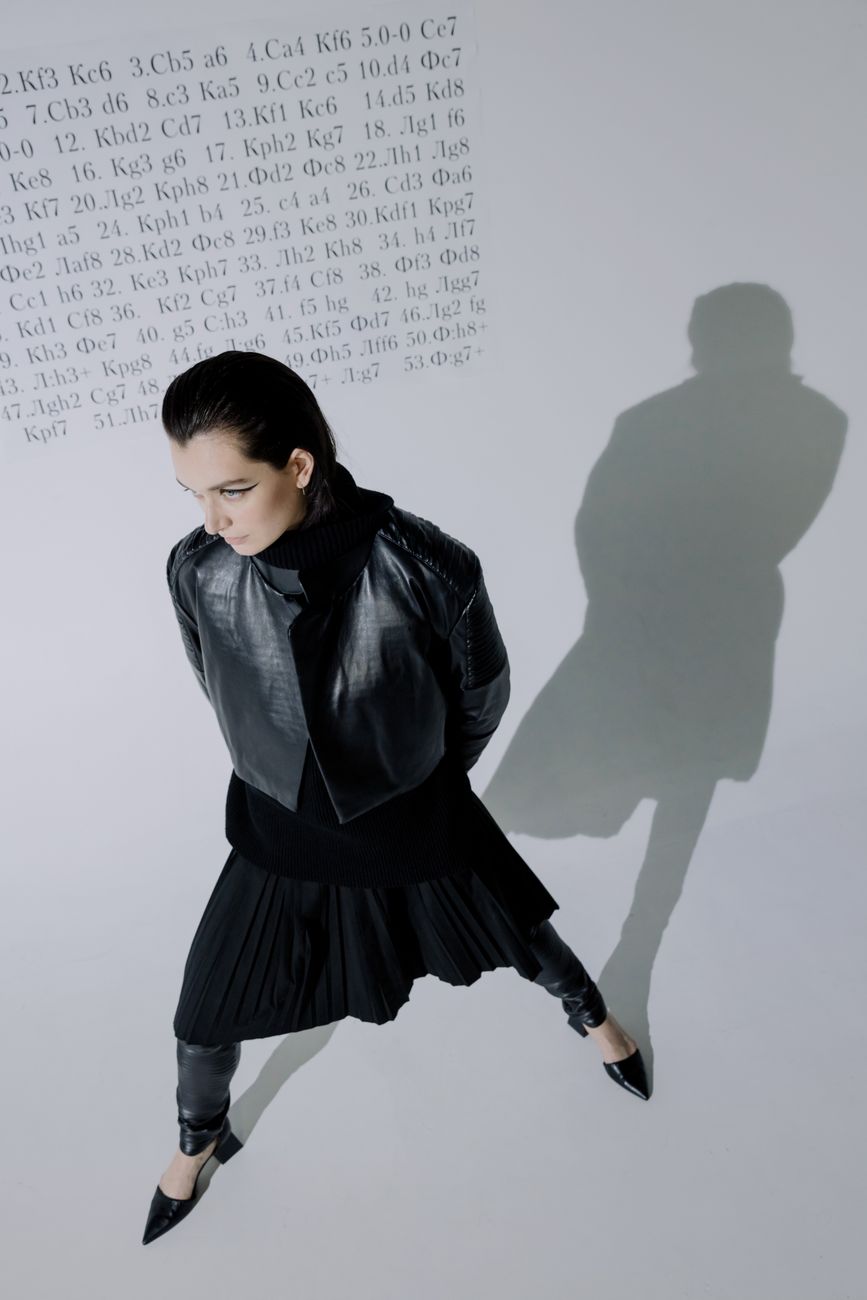
Military Pleating Replaced Boardroom Tailoring
Knife pleats migrated from skirts to outerwear—blazers with accordion-folded sleeves, trench coats with origami lapels that refuse to soften. The silhouette borrowed from dress uniforms, all that crisp ceremony, but stripped of medals and nostalgia. What remains is pure geometric intimidation, the kind of jacket that makes negotiation unnecessary because you've already established dominance through sheer structural audacity. Gentle tailoring left the building.

Sunburst Pleating Became Weapon-Grade
Sunburst pleats—those radiating folds that used to live on cocktail dresses—went violently three-dimensional. Designers like Iris van Herpen and emerging avant-garde labels engineered them to protrude, not flow, creating chest plates and shoulder guards that look carved from single sheets of titanium-coated silk. The effect sits somewhere between Art Deco ornament and sci-fi exoskeleton. You don't wear these pieces; you're fortified by them.
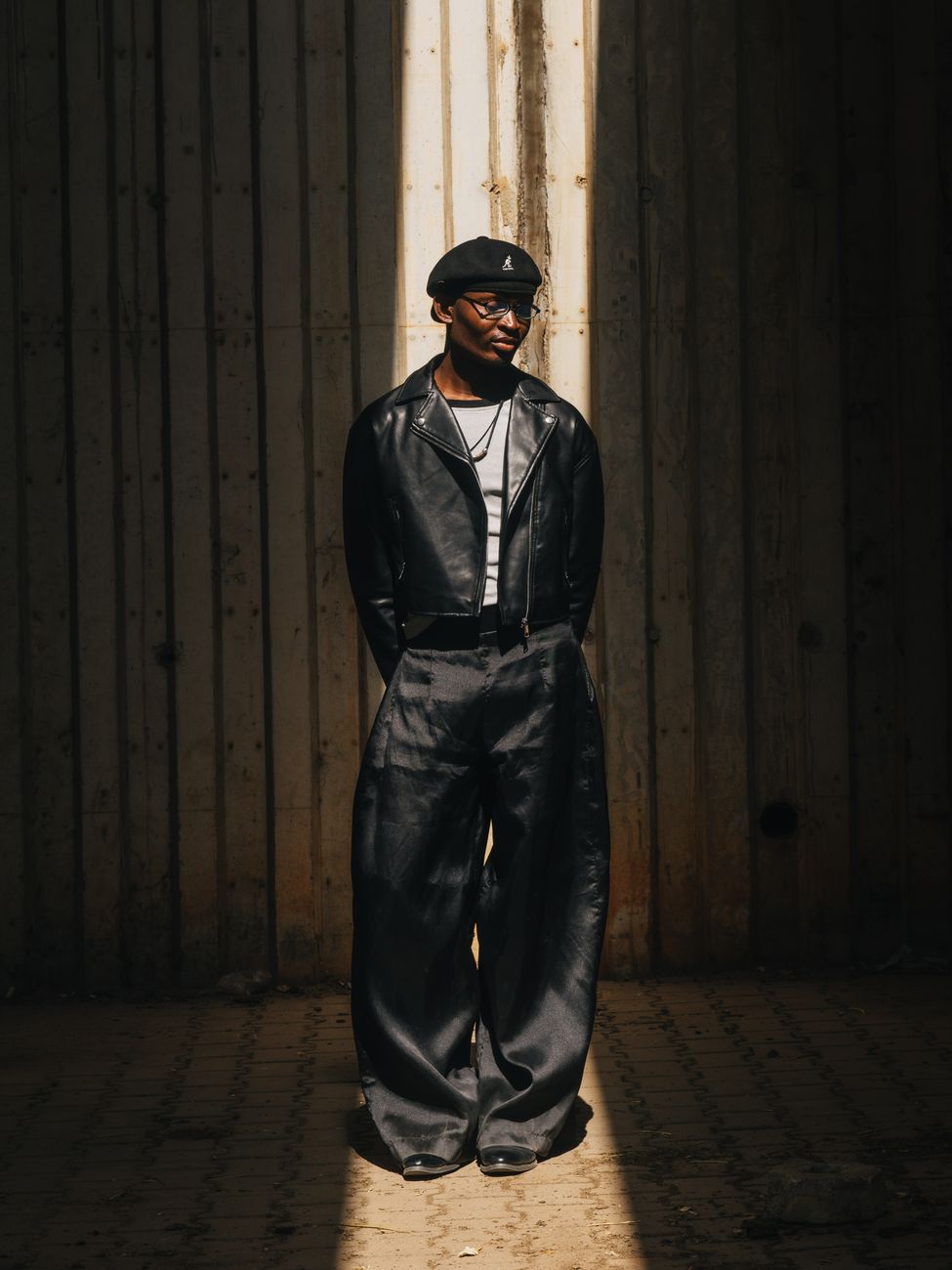
Menswear Pleats Went Confrontationally Wide
The slim-fit tyranny finally cracked under the weight of pleated trousers so wide they approach hakama proportions. But unlike the soft drape of '90s minimalism, these carry aggressive volume—each pleat heat-set into permanent ridges that hold their fold even in motion. Thom Browne's architectural approach trickled down, but lost the gentility. Now every fold reads as intentional expansion, claiming triple the spatial real estate with zero apology.
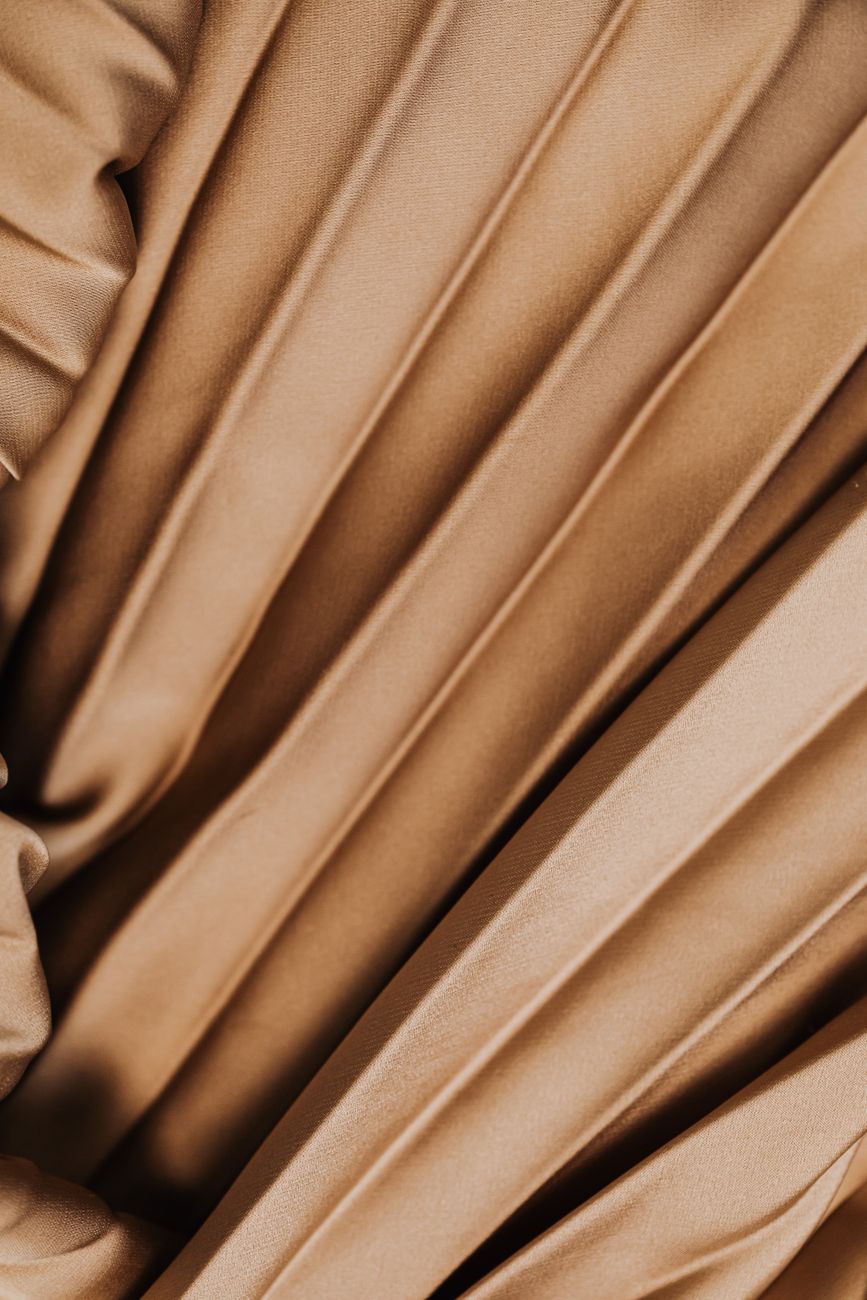
Micro-Pleating Achieved Chainmail Density
When pleats shrink to millimeter widths and multiply into thousands, fabric stops behaving like fabric. It becomes flexible metal, moving like medieval armor but weighing nothing. The technique—perfected by Japanese textile labs and adopted by everyone from Toteme to The Row's experimental pieces—creates surface tension that resists wrinkles, resists softness, resists any hint of vulnerability. It's technical innovation deployed for emotional distance, beauty through impenetrability.

Deconstructed Pleats Exposed the Engineering
The most aggressive move? Showing your work. Pleats left deliberately unfinished—raw edges visible, basting stitches exposed, the entire architectural process laid bare like blueprints you're forced to read while looking at the building. Maison Margiela's influence metastasized here, but lost the conceptual politeness. These aren't intellectual exercises; they're frank admissions that clothing is constructed armor, and we've stopped pretending otherwise. The romance died when we killed it on purpose.