A microfiber cloth that removes makeup with water costs forty dollars. A silicone face scrubber shaped like a mushroom: thirty-five. The reusable cotton round set in its aesthetic bamboo caddy: twenty-eight. Somewhere between "save the planet" and "checkout," sustainability stopped being practical and became premium. The beauty industry convinced us that doing less—using fewer products, generating less waste—should somehow cost significantly more.
This isn't about quality materials or fair labor (though brands will invoke both when pressed). It's about positioning. The same industry that created the problem of single-use waste now sells us the solution at a 400% markup, wrapped in minimalist packaging with sans-serif fonts. We're not buying functionality. We're buying the identity of someone who cares, who has transcended the disposable masses, who owns objects rather than consuming them. Seven signs that sustainable beauty became less about ethics and more about expensive aesthetics.
The Cloth That Launched a Thousand Think Pieces
Makeup Eraser—the brand that arguably started this—sells a polyester cloth for $20. Its competitors charge double. These aren't woven from organic silk by Italian artisans. They're microfiber, the same technology in your car-washing mitt, repackaged as revolution. The markup exists because someone realized sustainability sounds better than convenience, and better-sounding things command better prices. You're not paying for the cloth. You're paying for permission to feel superior about owning it.

When Refills Cost More Than New
Refillable cosmetics entered the market as the logical endpoint of sustainable beauty: buy the permanent component once, refill endlessly. Then brands started charging $28 for refill pods that contain less product than a $32 new purchase. The economics make no sense until you realize this was never about waste reduction. It's about creating a subscription relationship dressed in environmental language, where your commitment to the planet conveniently coincides with their commitment to recurring revenue.

Bamboo Everything, Justified by Nothing
Bamboo became beauty's favorite material not because it's meaningfully more sustainable than alternatives, but because it photographs well on Instagram. Those $45 bamboo makeup brush sets aren't better for the environment than synthetic brushes that last twice as long. That $35 bamboo cotton swab holder isn't solving a crisis—cotton swabs cost three dollars and come in a cardboard box. Bamboo signals consciousness without requiring it. It's sustainability as interior design, where looking eco-friendly matters more than being it.

The Ritual Tax on Doing Less
Brands repackaged minimalism as "ritual" and attached a luxury price point. A five-step routine became oppressive; a three-step routine became enlightened—and $200. We're now paying premium prices for permission to use fewer products, as if simplicity itself were a luxury good. The face oil that replaces your moisturizer, serum, and eye cream costs more than all three combined, which was precisely the point. Efficiency was rebranded as elevated consciousness, and consciousness apparently retails for $89 per ounce.
Plastic-Free Except Where It Matters
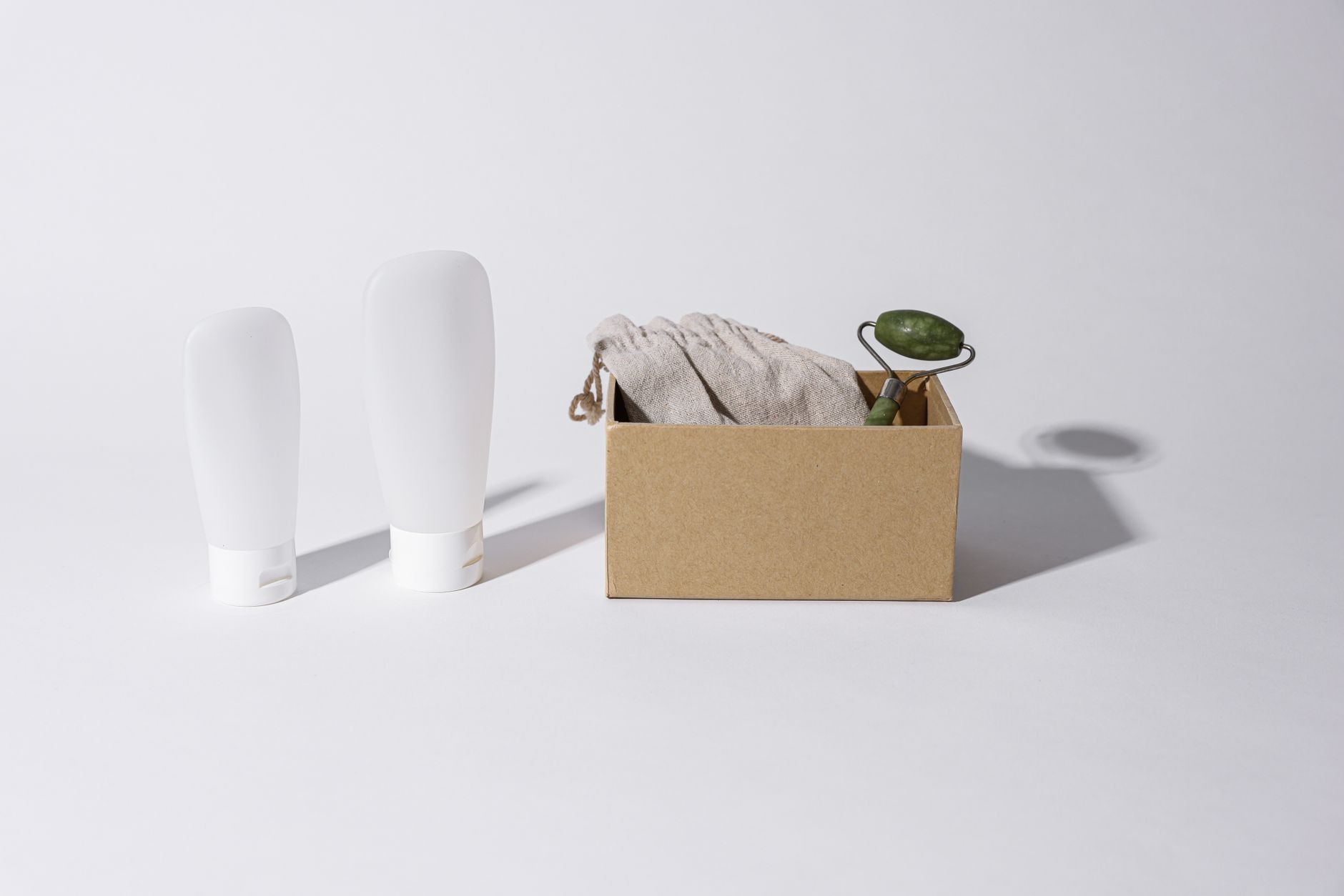
Notice how sustainable beauty brands eliminated plastic from packaging but not from formulas? Your $42 shampoo bar arrives in a compostable box, yet contains the same silicones and polymers as conventional shampoo—literal plastic, just dissolved. The soap itself often costs more to ship than produce, racking up carbon emissions that dwarf any packaging savings. But visible sustainability sells. Invisible chemistry doesn't. We're paying premiums for theatrical environmental concern while the actual impact remains unchanged.

The Founder Story as Price Justification
Every $50 reusable makeup round comes with a founder origin story: she was frustrated with waste, couldn't find alternatives, decided to create change. These narratives justify pricing by replacing manufacturing costs with emotional labor. You're not buying cotton fabric; you're supporting someone's journey toward conscious consumption. The story becomes the product, and stories—unlike cotton—can be priced arbitrarily. It's brilliant marketing disguised as authenticity, where personal narrative subsidizes margin.
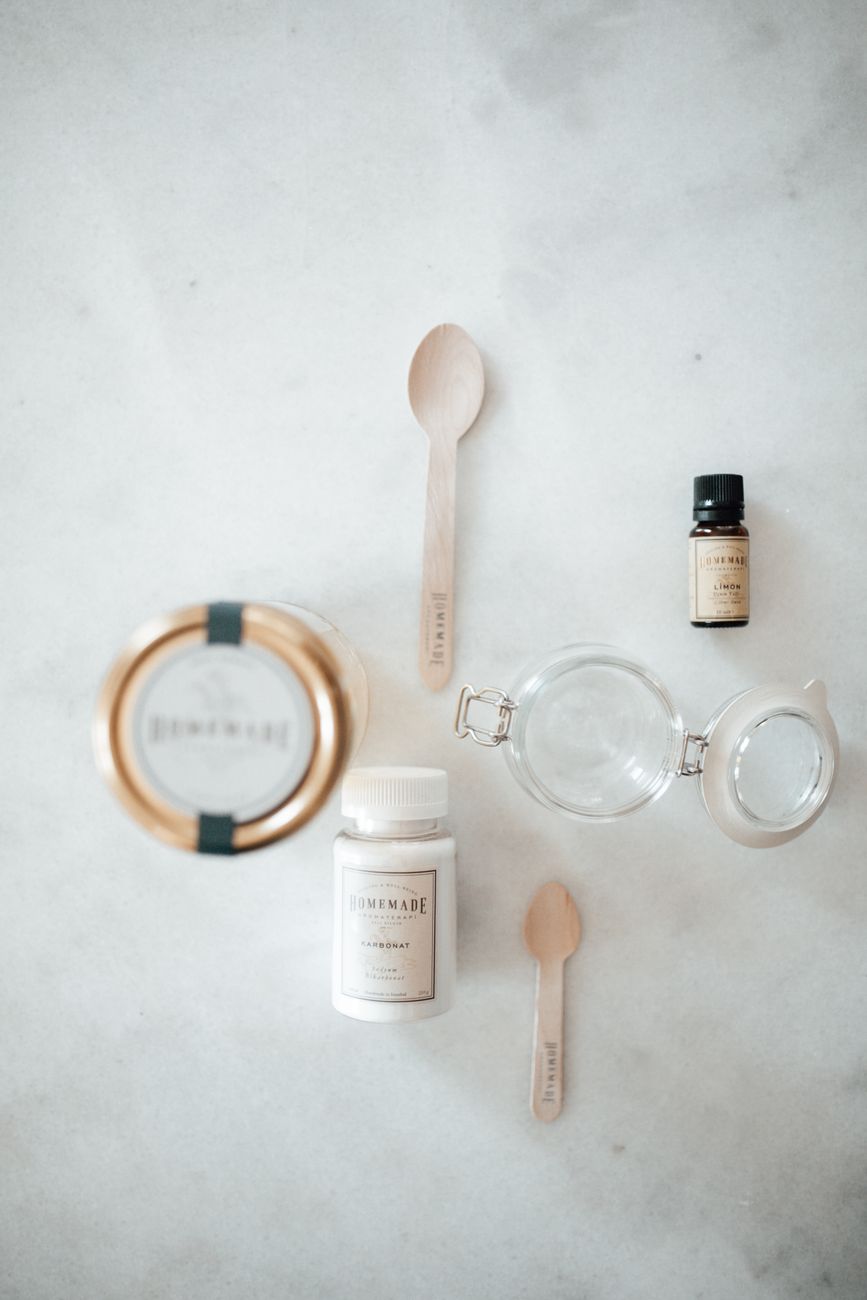
When DIY Became Too Accessible to Be Chic
You can make a makeup remover cloth from an old t-shirt. Mix your own face oil from three ingredients. Create reusable cotton rounds from fabric scraps. These solutions cost nearly nothing, which became their fatal flaw. True sustainability was too democratic, too unglamorous, too redolent of poverty aesthetics. So brands professionalized it, industrialized it, made it glossy and expensive and therefore desirable. The irony is complete: we're now paying luxury prices to approximate what our grandmothers did by default, back when frugality wasn't yet branded as consciousness.