Your grandmother kept lipstick in her handbag. Your mother stored moisturizer on the bathroom shelf. You? You've installed a dedicated refrigerator for serums, purchased a UV wand that promises to annihilate bacteria from your makeup brushes, and you're genuinely concerned about oxidation rates. When did beauty become a laboratory protocol?
The convergence of wellness culture's germophobia and beauty's endless product escalation has birthed a new aesthetic: clinical anxiety as lifestyle choice. It's not enough to own things anymore—you must preserve, sterilize, optimize. This isn't self-care. It's self-surveillance with a prettier package.
The Mini-Fridge Migration
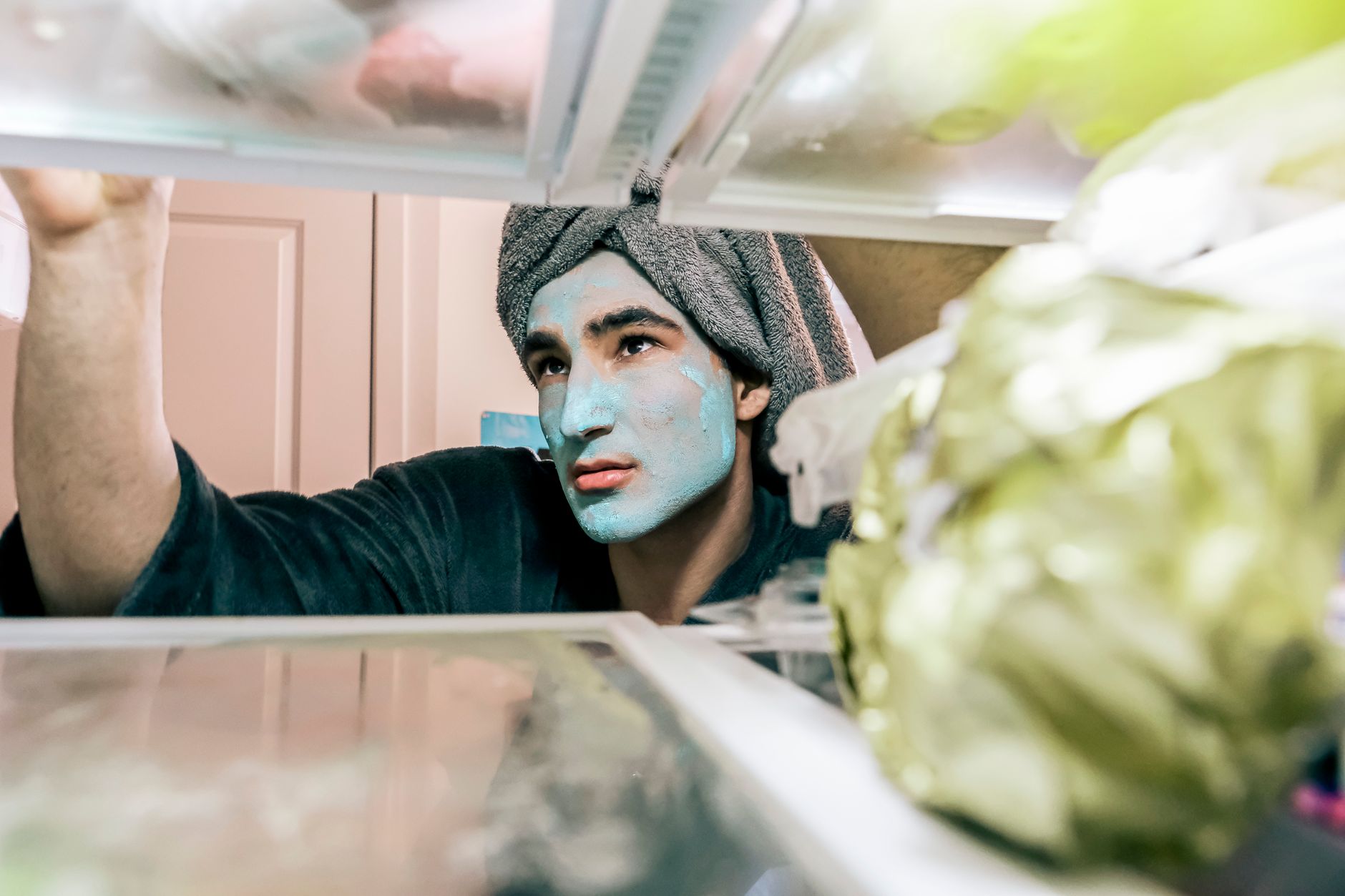
Skincare fridges—those pastel-colored countertop eyesores—have colonized bathrooms under the premise that cool storage extends product life and enhances efficacy. The reality? Most formulations are designed for room temperature, and refrigeration offers marginal benefits at best. What you've actually purchased is a $150 anxiety monument that signals you care enough to pathologize storage. The fridge doesn't preserve your retinol. It preserves your performance of meticulousness.
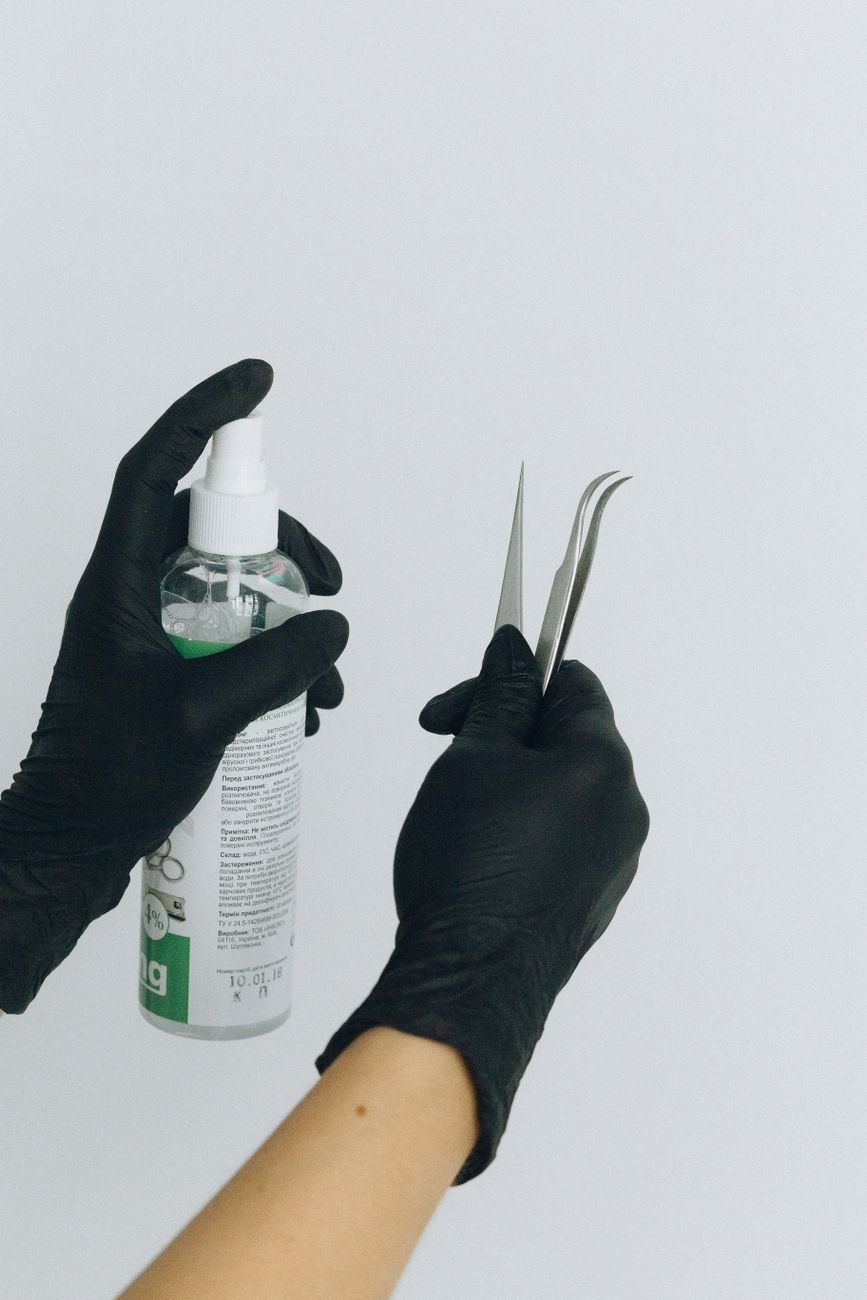
UV Sterilization Theater
UV sanitizing boxes for makeup brushes and tools promise hospital-grade bacteria elimination, feeding the fantasy that your blush brush harbors the same pathogenic threat as a surgical instrument. Dermatologists will tell you that regular washing suffices; the UV wand is security theater. Yet sales surge because visible technology soothes invisible fears. You're not killing germs—you're killing the cognitive dissonance between "self-care" and "self-destruction." The device offers ritual, not results.
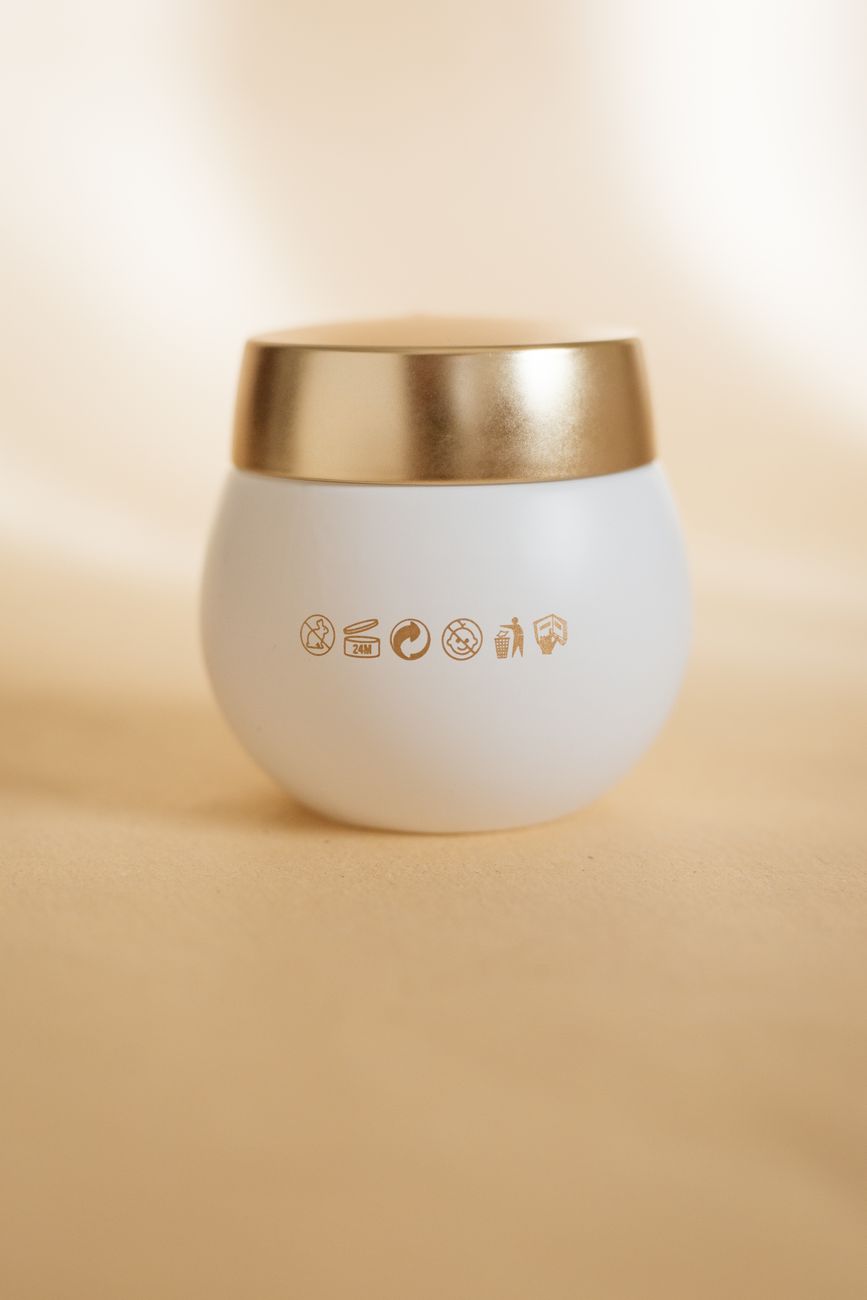
Expiration Date Hysteria
Beauty brands now spotlight PAO symbols and batch codes, transforming consumers into forensic accountants of their own vanities. Apps track purchase dates, send alerts, shame you for keeping mascara past its three-month death sentence. This manufactured urgency serves dual purposes: it pathologizes normal product use while accelerating repurchase cycles. Most products remain safe far beyond printed dates, but fear is more profitable than facts. You're not protecting your skin—you're subsidizing planned obsolescence with a wellness alibi.
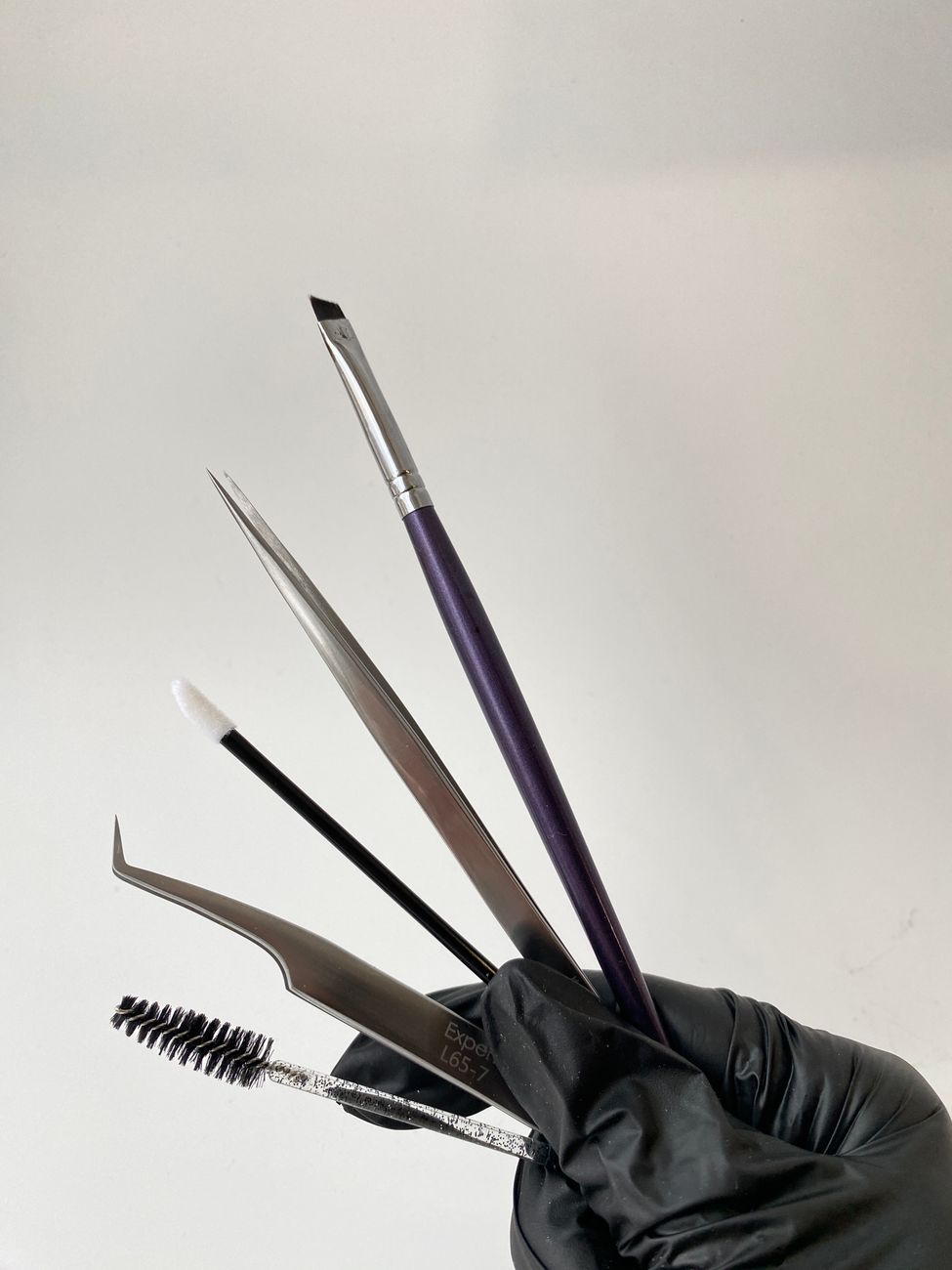
The Spatula Supremacy
Dipping fingers into jars is now framed as bacterial contamination rather than standard human behavior. Enter the specialized spatula—sold separately, naturally—to eliminate hand-to-product contact. This presumes your face cream requires operating room protocols and that human skin, which evolved to touch things, is suddenly a biohazard. It's purity culture repackaged as hygiene logic. The spatula doesn't protect your product. It protects brands from accountability by shifting contamination anxiety onto you.
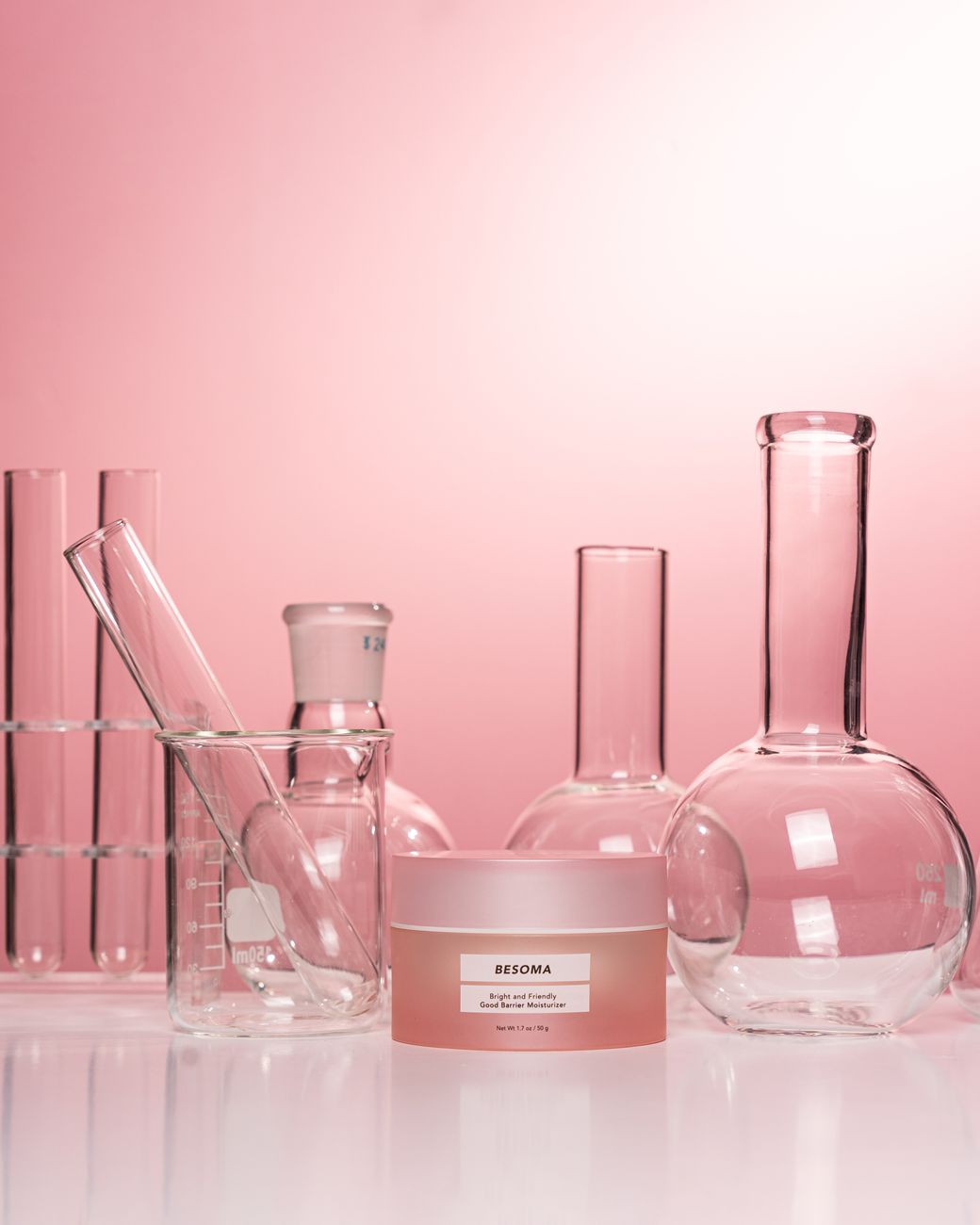
Clean Beauty's Clinical Cosplay
"Clean" beauty aesthetics have adopted medical semiotics—white packaging, sans-serif fonts, ingredient lists that read like pharmacy labels. The visual language promises sterility, efficacy, science. But it's borrowed authority without credentials, making consumers feel they're engaging in pharmaceutical-grade self-administration rather than simply moisturizing. This clinical drag transforms ordinary grooming into a medical procedure you perform on yourself daily. It's not sophistication. It's hypochondria as brand positioning, and you're both the patient and the practitioner.