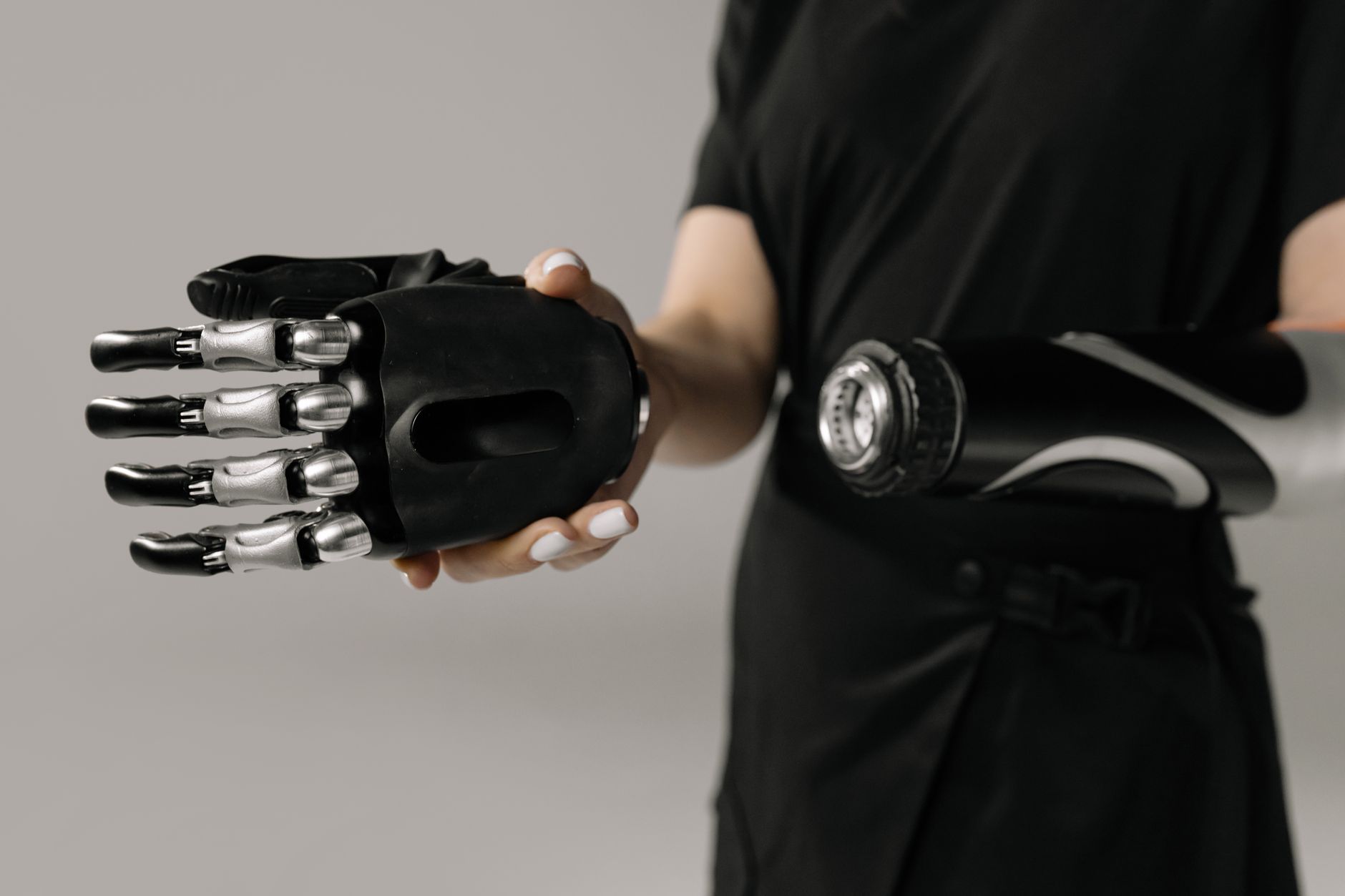
The borrowed-from-the-boys aesthetic started as a whisper—a rolled cuff here, an oversized blazer there. What began as playful gender-blurring in the early 2010s has calcified into something far more deliberate. Today's masculine silhouettes aren't about looking effortlessly undone; they're about occupying space with intention.
The proportions have shifted. Where boyfriend jeans once suggested a lazy Sunday morning, the new menswear-inspired pieces communicate something sharper: authority without apology, polish without prettiness. The aesthetic has hardened, and women are dressing accordingly.
The Blazer No Longer Apologizes
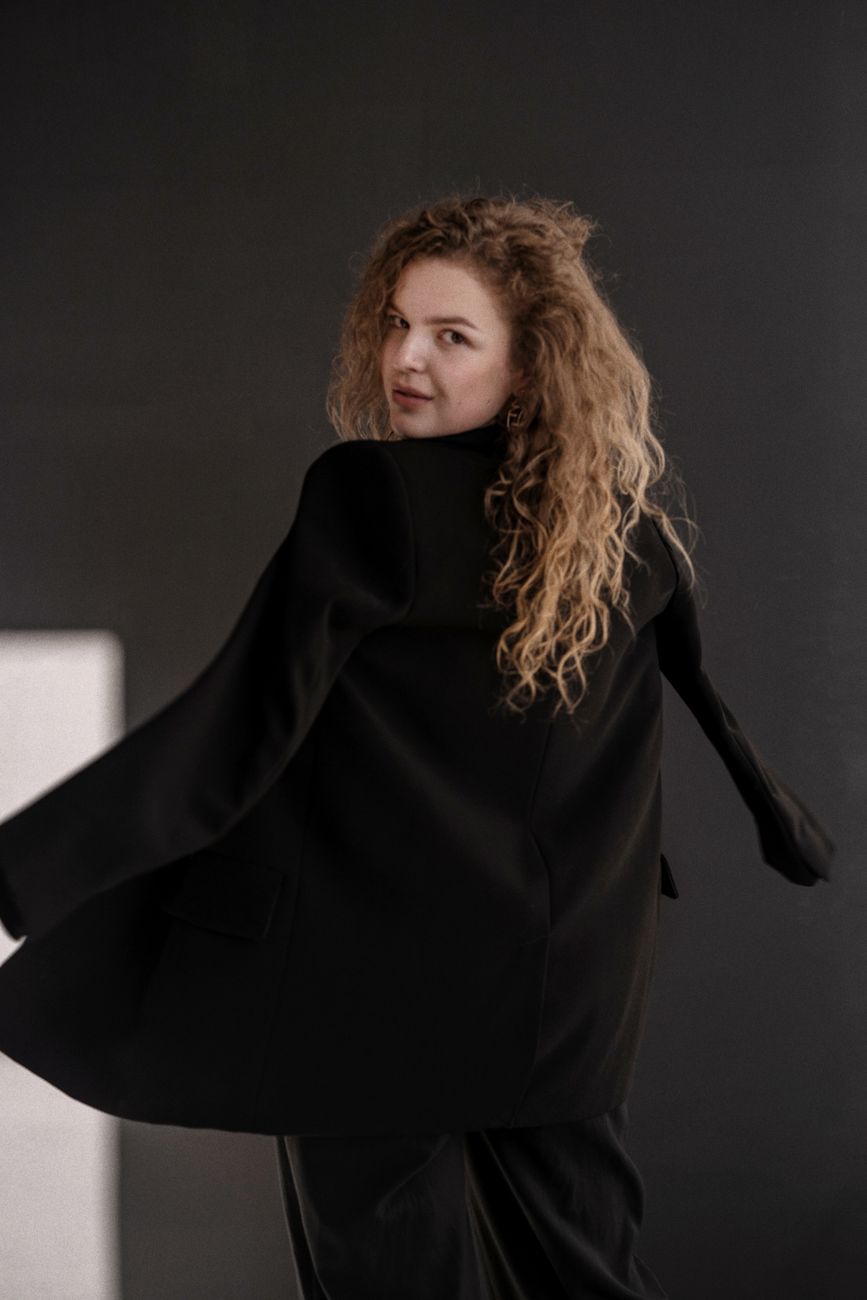
The soft, boyfriend blazer has been replaced by something with actual shoulders—sharp, structured, unapologetically broad. These aren't the rolled-sleeve, slouchy numbers from a decade ago. Current iterations feature precise tailoring, extended shoulder lines, and a cut that suggests you're heading to close a deal, not brunch. The modern blazer borrows menswear's architecture without any of its former gentleness.

Trousers Got Wider and More Confrontational
Forget the skinny jean's death—focus on what replaced it. Wide-leg trousers now dominate, but they're not the flowy palazzo pants of previous eras. These are menswear-cut, with proper pleats, crisp creases, and proportions that read as deliberately imposing. The width isn't romantic; it's territorial. They command floor space in a way that feels calculated rather than carefree.

Shirts Are Sized to Ignore the Waist Entirely
The button-down has abandoned any pretense of following the female form. Current versions hang straight from shoulder to hem, rejecting the tuck, the cinch, the belt. This isn't borrowing your boyfriend's shirt—it's commissioning your own in a men's cut and owning the box shape. The lack of waist definition reads as refusal rather than oversight, a choice to exist outside traditional feminine proportions.

Suiting Became the Uniform, Not the Exception
Full suits have migrated from special occasion territory into daily rotation. But these aren't softened with feminine details or worn ironically. They're cut like menswear, worn like armor, and styled without the softening accessories that once made them more palatable. The modern suit on a woman's body signals she's stopped negotiating with dress codes that weren't written for her.
Footwear Followed: Chunky, Heavy, Grounded
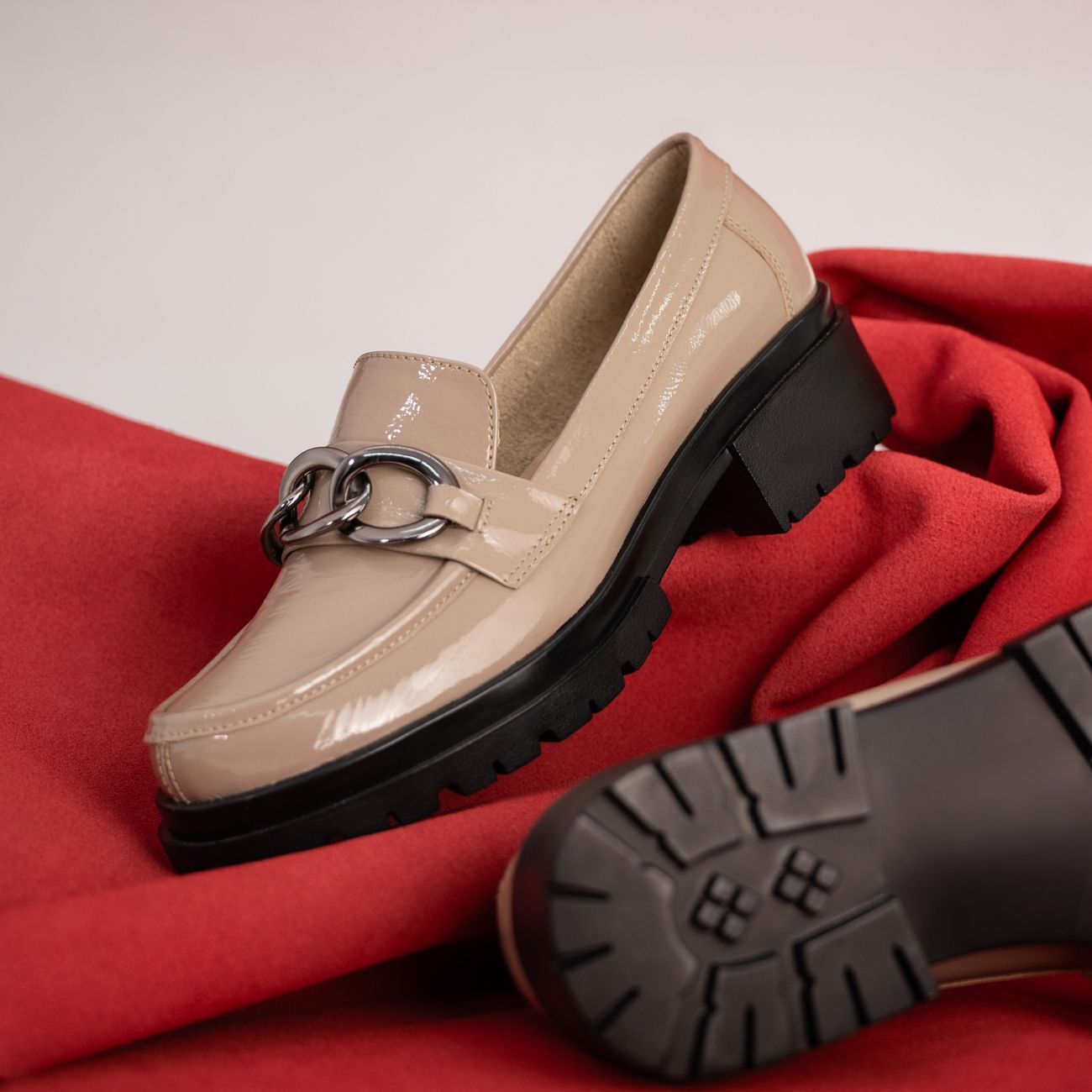
Delicate heels gave way to substantial footwear—loafers with actual heft, oxfords that look borrowed from menswear floors, boots with traction. The shift mirrors the proportions above: footwear that grounds rather than elevates, that adds weight instead of length. These shoes don't elongate the leg or add grace. They anchor you, visually and physically, in a way that feels purposefully immovable.

The Fit Got Precise While Looking Relaxed
Here's the paradox: these pieces look effortless but require exacting tailoring. The shoulder must hit exactly right, the trouser break needs precision, the blazer length is non-negotiable. What reads as 'borrowed' is actually meticulously constructed to appear unconstructed. This calculated looseness costs more and requires more thought than traditional fits, which is precisely the point.
Color Palettes Sharpened Into Neutrals and Contrast
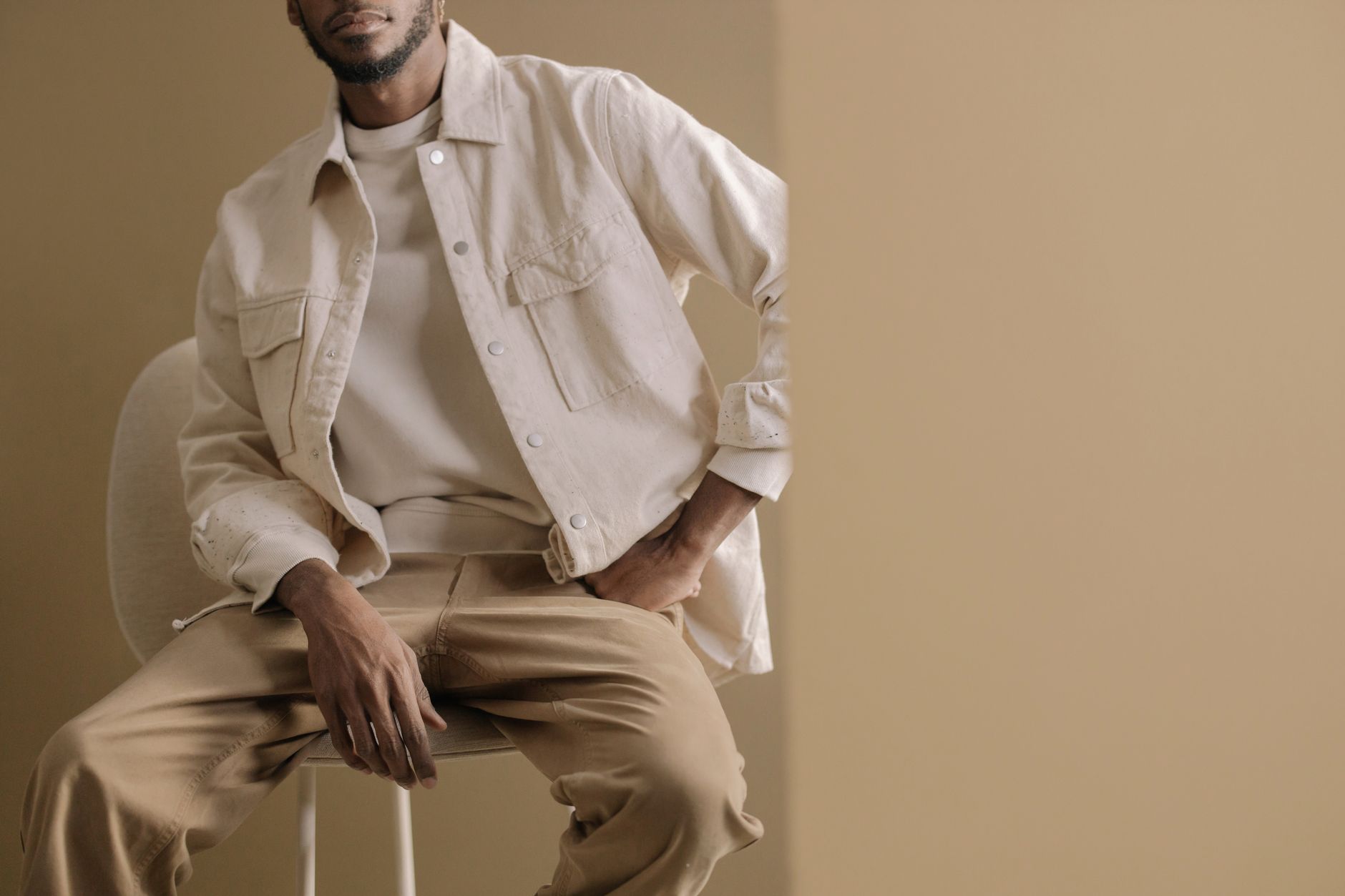
The color story shifted alongside the silhouette—away from soft pastels and into the menswear palette of navy, charcoal, black, white, camel. When color appears, it's used for stark contrast rather than blending. This isn't about looking 'natural' or 'flattering' in the traditional sense. It's about creating a visual statement that reads from across a room, architectural and deliberate.

Gender Blur Became the Default, Not the Statement
The most significant shift isn't that women wear menswear proportions—it's that doing so no longer registers as transgressive or even particularly interesting. What was once a statement about gender fluidity is now simply how a significant portion of contemporary women dress. The conversation has moved past whether it's appropriate and into how to execute it with precision. That normalization is the real cultural shift.
- The Blazer No Longer Apologizes
- Trousers Got Wider and More Confrontational
- Shirts Are Sized to Ignore the Waist Entirely
- Suiting Became the Uniform, Not the Exception
- Footwear Followed: Chunky, Heavy, Grounded
- The Fit Got Precise While Looking Relaxed
- Color Palettes Sharpened Into Neutrals and Contrast
- Gender Blur Became the Default, Not the Statement