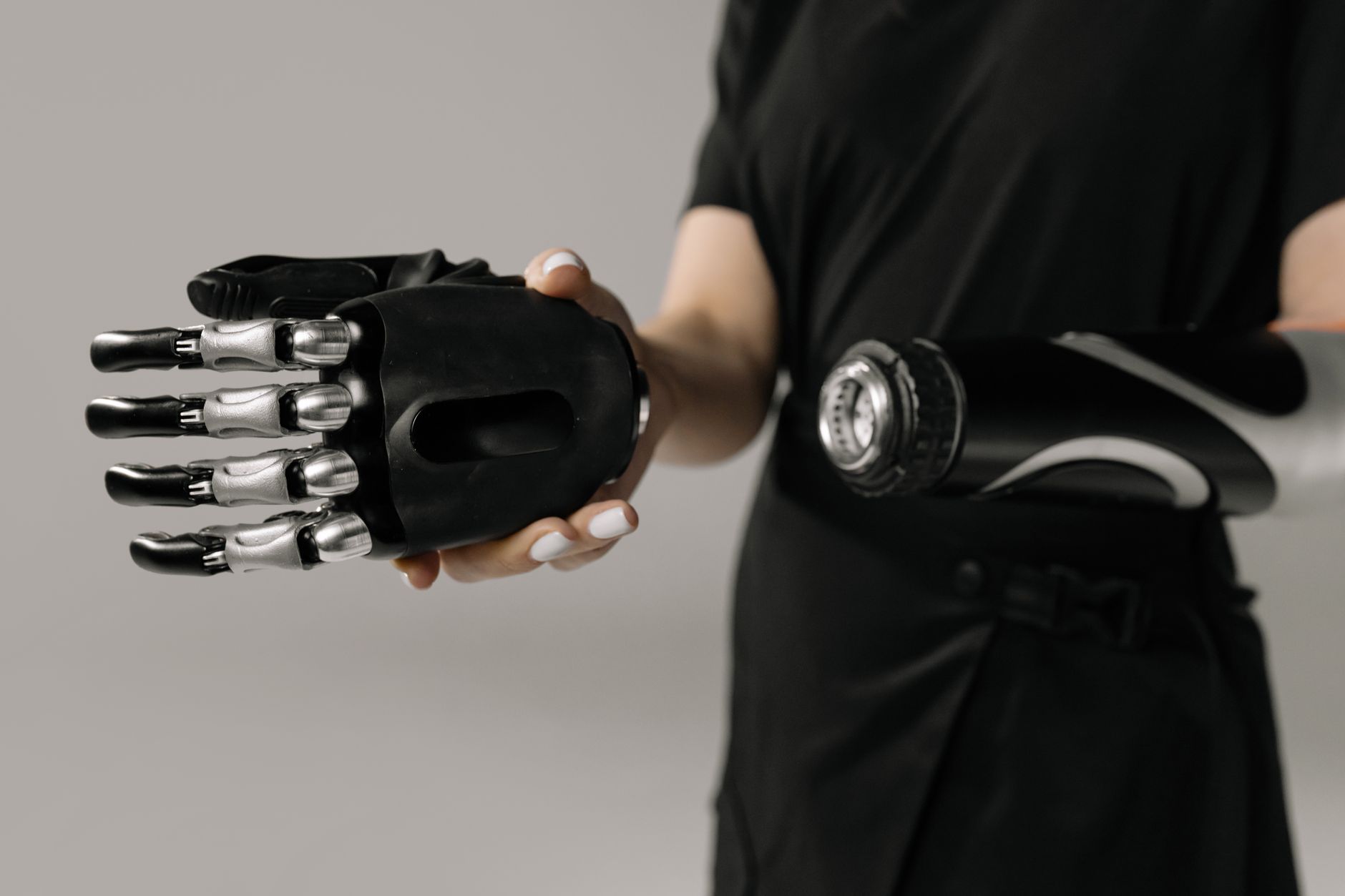
Sometime in the past eighteen months, mesh ballet flats stopped being the shoe you wore to barre class and became the shoe you wore to close deals. The see-through footwear that once signaled athleisure has quietly infiltrated offices, law firms, and corner suites without anyone officially declaring it appropriate.
This isn't about comfort winning over convention—it's about transparency itself acquiring gravitas. When Alaïa's resinated mesh flats started appearing in LinkedIn profile photos and The Row's sheer styles became investment pieces, something fundamental shifted in how we read formality through footwear.
The Alaïa Effect Made Sheer Serious
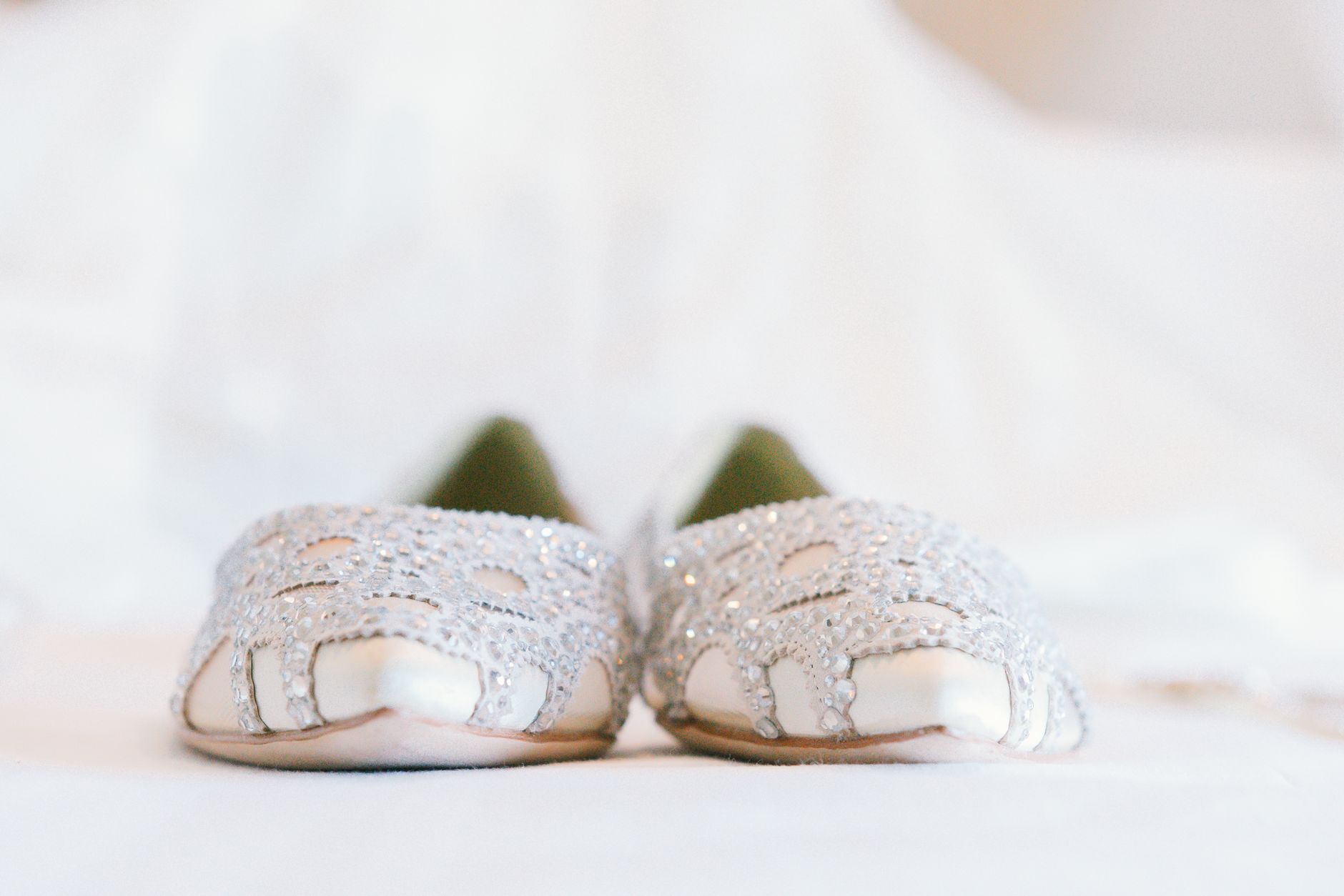
Alaïa's mesh ballerinas—retailing around $890 and perpetually sold out—recontextualized transparency as luxury rather than casualness. The waiting lists rivals those for Hermès bags, and the women buying them aren't wearing them to yoga. When a see-through shoe costs more than most people's monthly rent and requires a six-month wait, it stops reading as informal and starts functioning as a power signal that only insiders recognize.
Visible Pedicures Became Portfolio Pieces
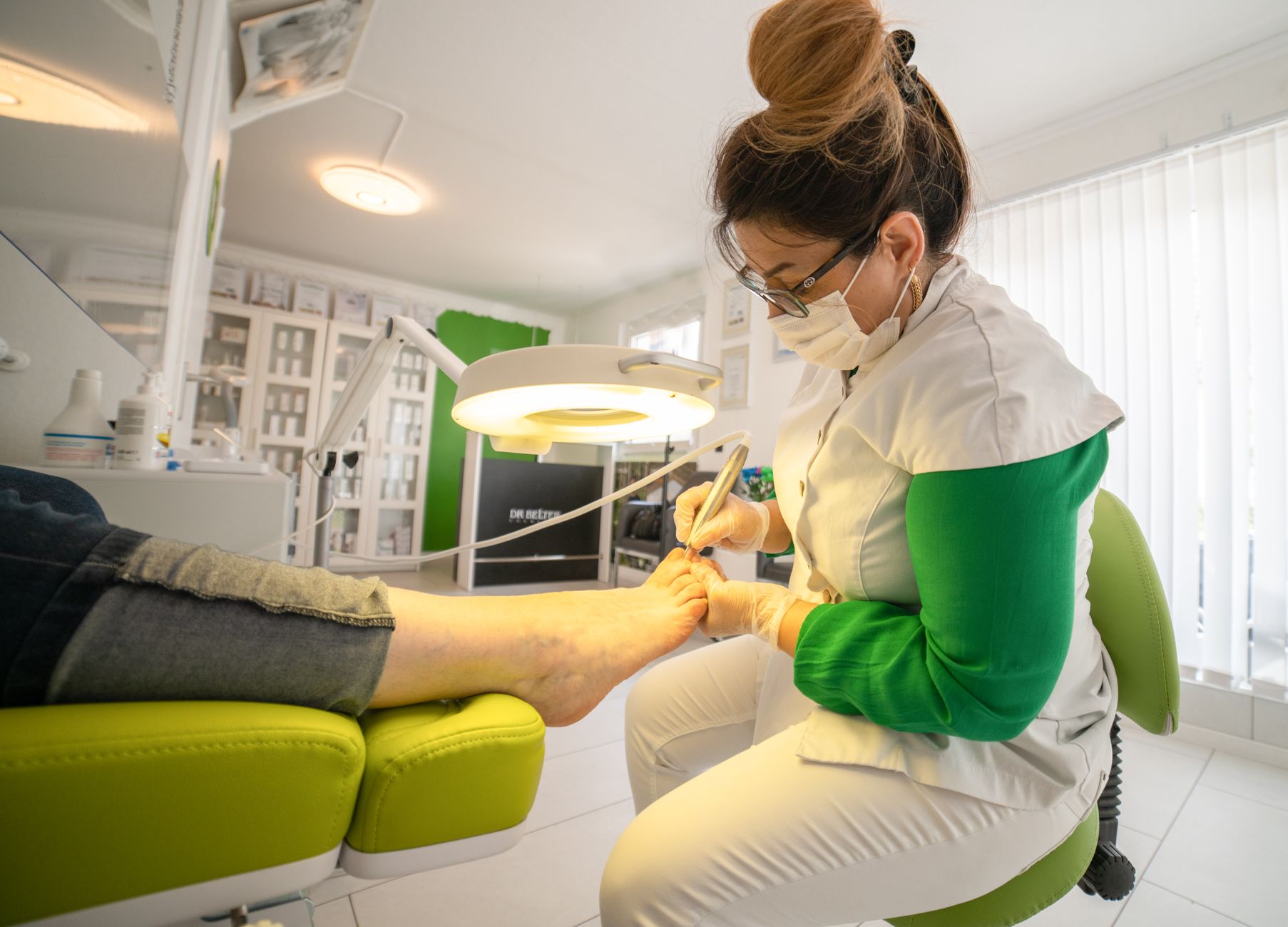
The mesh flat transformed grooming into a visible asset class. Women are now budgeting $400 monthly for podiatrist-grade pedicures because their toes are part of their professional presentation. It's created a peculiar arms race where the state of your feet communicates how much discretionary income and body-maintenance time you possess—information that closed-toe pumps used to conceal. The see-through shoe made self-care infrastructure legible as status.

Offices Stopped Policing, Started Noticing
HR departments never updated dress codes to permit transparent footwear—women just started wearing it and no one wrote them up. The lack of pushback revealed something: when expensive and austere in design, mesh reads as considered rather than careless. A $90 flip-flop gets flagged as unprofessional; an $800 mesh flat from Bottega Veneta somehow doesn't. Cost and design rigor are doing the work that coverage used to do.
The Collapse of the Pump-to-Sneaker Commute
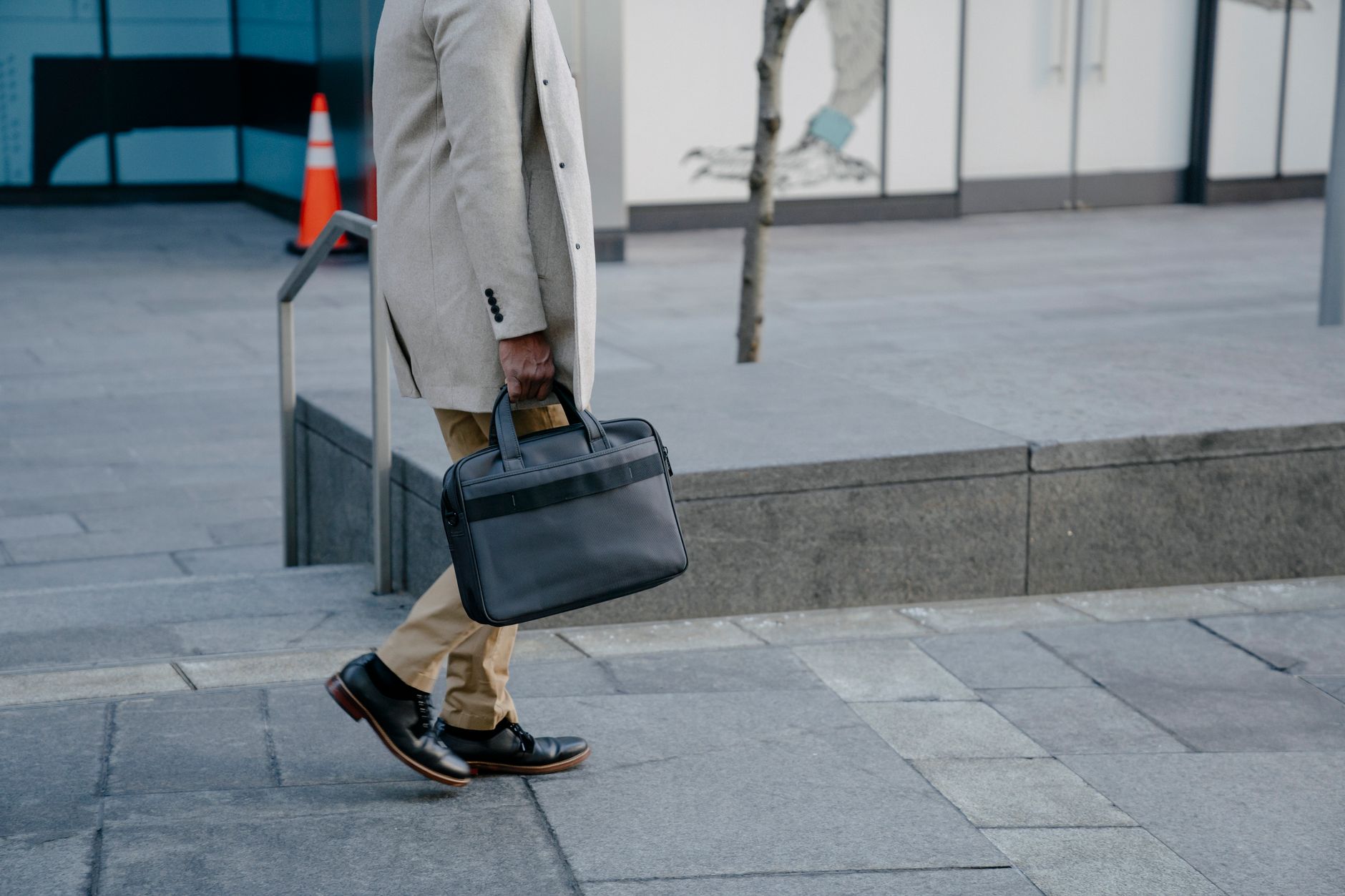
Mesh flats eliminated the schizophrenic footwear ritual where women commuted in athletic shoes and changed into heels at their desks. These shoes are technical enough to walk twenty blocks and formal enough to wear into client meetings, which makes them the first style to actually solve the mobility problem without aesthetic compromise. The see-through flat isn't casual—it's post-casual, a category that didn't exist until hybrid work made us rethink what professional durability looks like.

Transparent Became the New Neutral
Sheer mesh now functions like black or nude once did—as a non-color that recedes rather than announces. In an era when quiet luxury means eliminating logos and obvious branding, a see-through shoe feels more restrained than a solid one. It's negative space as sophistication, the visual equivalent of saying less. The formality comes from subtraction, not addition, which is precisely the aesthetic language that contemporary professional dress now speaks.