Something shifted when the people who actually influence what we wear stopped treating summer like an excuse to strip down. The turtleneck—once exclusively coded as winter workwear or beatnik costume—appeared on beaches, at rooftop bars, layered under slip dresses in 90-degree heat. Not as irony. As baseline.
This isn't about contrarianism or suffering for style. It's about coverage reading as ease. The girl in the ribbed mock neck and trousers looks less try-hard than her counterpart in the carefully distressed crop top. Skin, it turns out, requires curation. Fabric just exists. When exposure became its own kind of labor—optimized, filtered, commentary-ready—the people who move fastest moved toward discretion. Not modesty. Disinterest.
The Sleeveless Exit from Aspiration
Tank tops used to signal low maintenance. Now they signal the opposite: spray tans, strategic workouts, ring lights. The turtleneck doesn't demand that kind of prep. It shows up neutral, requires nothing, and that neutrality became the luxury. When Phoebe Philo wore long sleeves through every season at Céline, she wasn't making a statement about modesty—she was making one about not needing to perform availability. The audience caught up later, but they caught up.
Technical Fabrics Made It Possible, Boredom Made It Happen
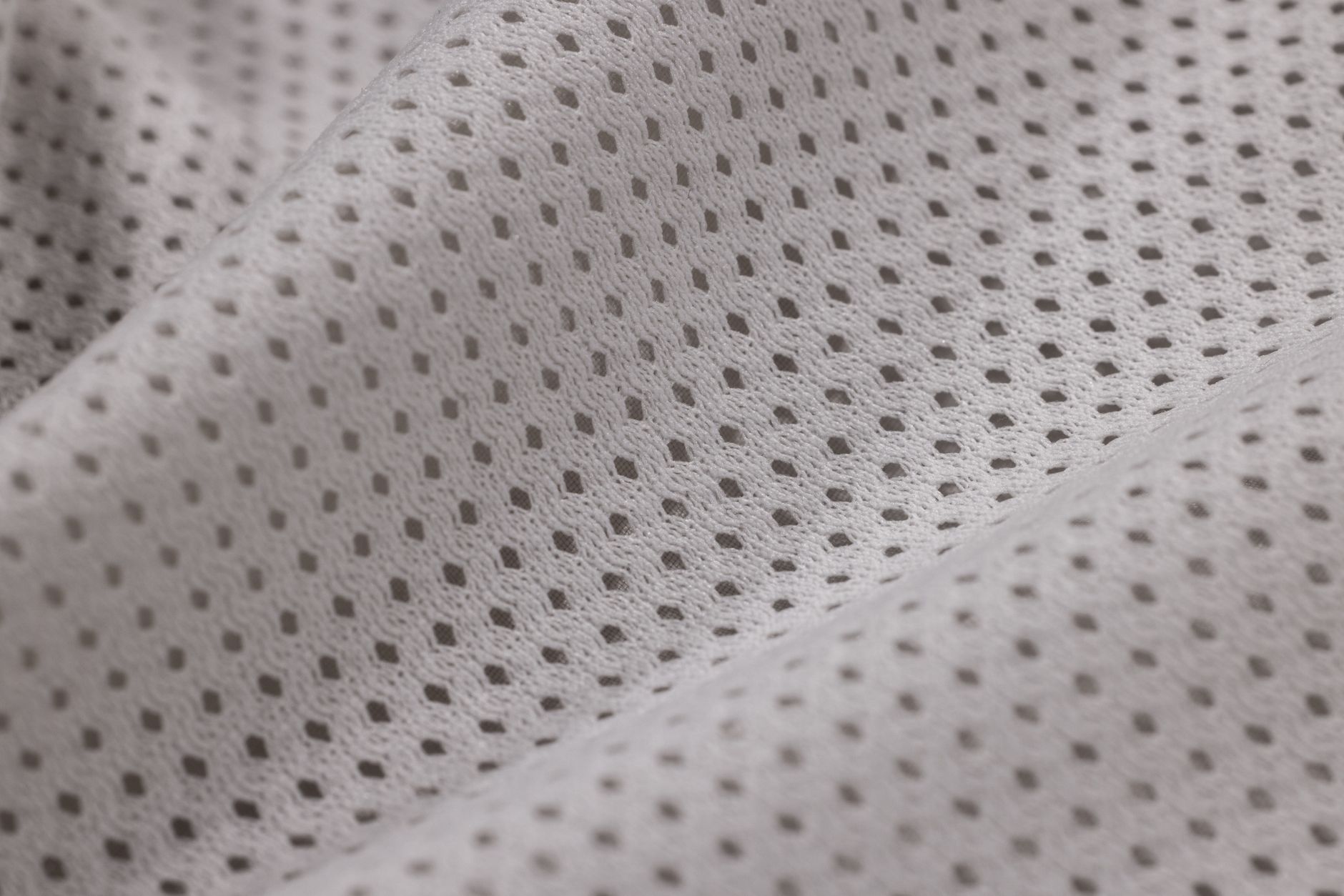
Merino blends and micromodal didn't create this shift, but they removed the excuse not to participate. You can wear a second skin in humidity now without dying—that's just material science. The actual propulsion came from exhaustion with the crop-top-and-bike-shorts formula that dominated 2019 through 2022. It wasn't wrong, it just got loud. The turtleneck offered a way to get dressed that didn't announce itself, which started to feel more modern than anything aggressively "on trend."

Coastal Grandmother Aesthetics Laid the Groundwork Without Meaning To
Nancy Meyers interiors taught a generation that understatement could be aspirational, and that translated directly to the wardrobe. The whole "quiet luxury" moment was just permission to dress like you had nothing to prove, and the summer turtleneck became the emblem of that. It's the sartorial equivalent of owning a house in Montauk but never posting about it. You're covered because you're simply not thinking about being looked at—or at least, that's the successful illusion.
Sunscreen Became a Status Symbol, Then a Uniform
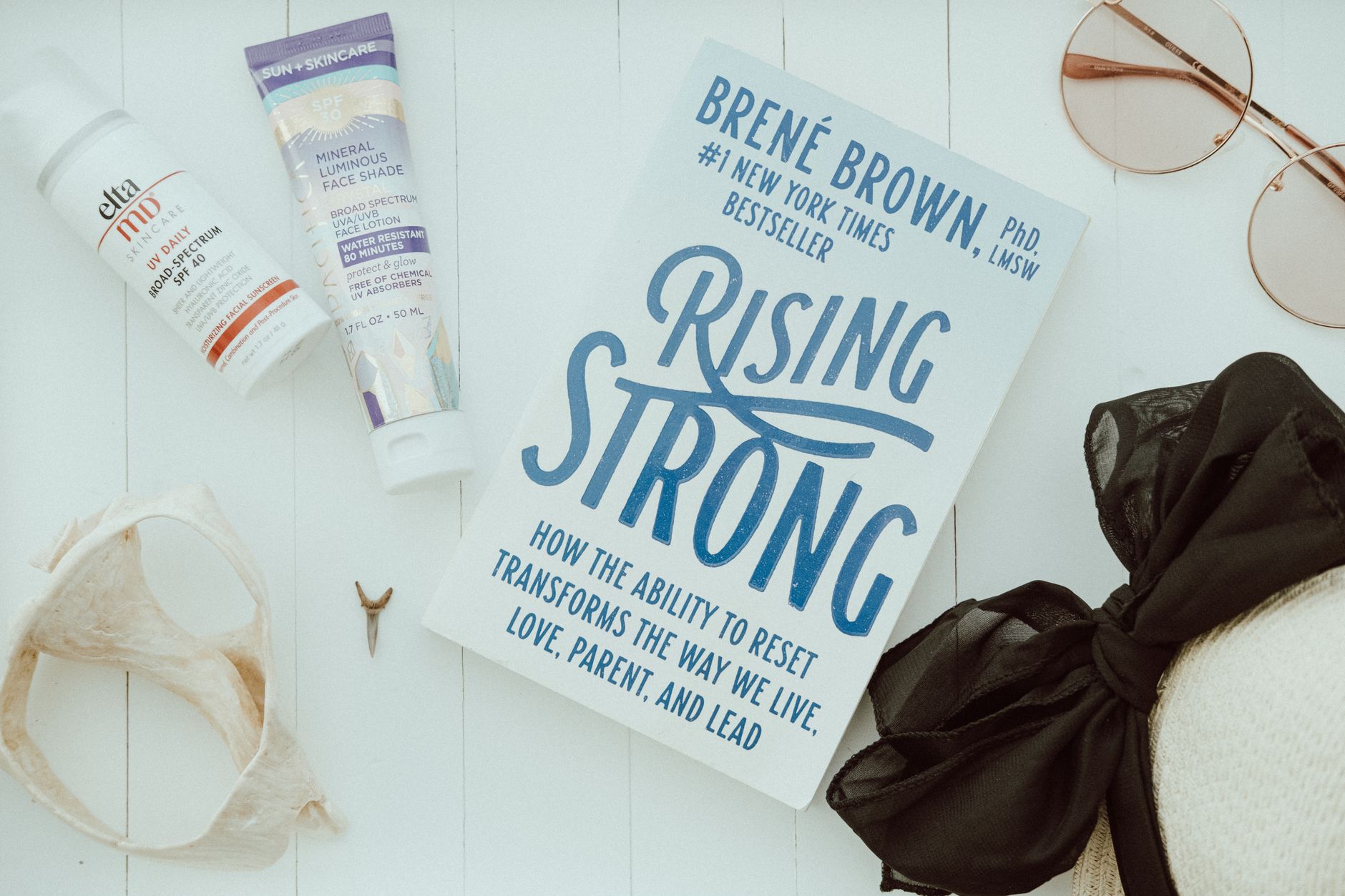
Once dermatologists convinced the internet that sun damage was unforgivable, covering up stopped being frumpy and started being informed. The turtleneck isn't just a garment—it's a statement about taking your skin seriously, about long-term thinking over instant gratification. It's why you'll see the same people in full-length sleeves applying $80 mineral sunscreen. They're not hiding from the sun; they're negotiating with it from a position of knowledge, and the coverage is both practical and a visible marker of being in the know.

The Uniform Flipped When Effort Became Suspect
Fashion moves fastest when it inverts what came before. The past decade worshipped the "effortless" crop top, which required increasing amounts of behind-the-scenes labor to pull off without looking like you were trying. The turtleneck simply opted out of that game. It's the clothing equivalent of the no-makeup makeup look, except it actually requires no makeup. Choosing coverage in summer is now the lower-effort move, and effort—visible, traceable, commentable effort—is what started to look stale. The turtleneck just stands there. That became enough.