The Michelin Guide used to make careers and destroy them with equal precision. A single star could fill a reservation book for months. Three stars meant culinary immortality. Now? Michelin announces new territories monthly like a streaming service desperate for subscriber growth, and the red book that once terrified chefs has become background noise in an already saturated dining landscape.
What happened is simple: authority doesn't scale. The Guide that once covered France with monastic focus now stretches across 40+ countries, awarding stars to hotel breakfast buffets and shopping mall food courts. When everything is special, nothing is. Fine dining's most powerful institution committed slow suicide by expansion, and we're watching the final act.
Geographic Desperation: From European Standard to Global Participation Trophy
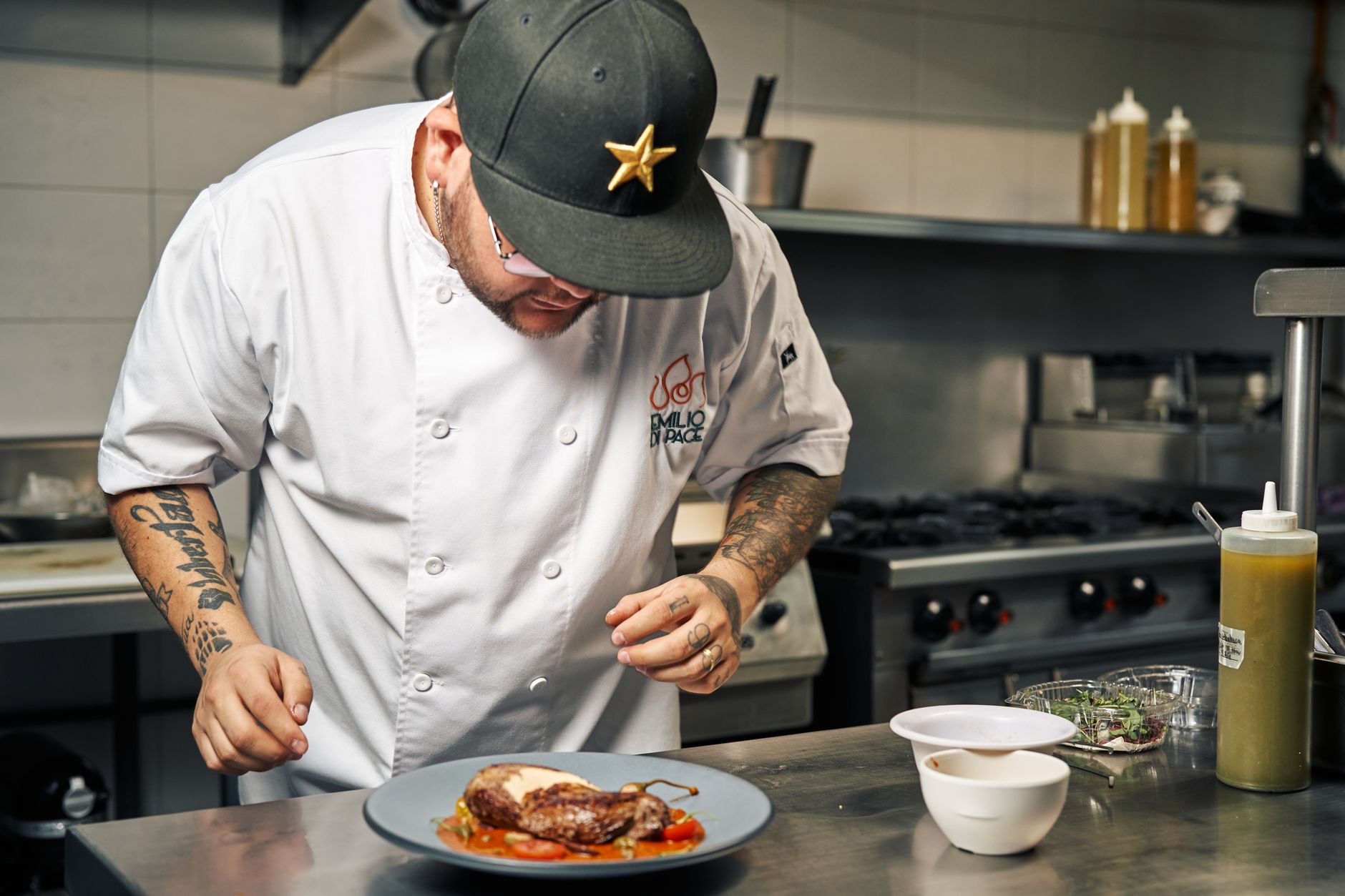
Michelin added 14 new territories in five years, including Dubai, Toronto, and—bafflingly—entire regions of the United States no one was asking about. Each expansion announcement reads like shareholders demanded growth metrics over culinary credibility. The inspectors who once spent decades mastering regional French technique now parachute into cities they don't understand, judging cuisines through a European lens that makes zero sense. A taco stand in Los Angeles and a sushi counter in Tokyo both get evaluated against criteria designed for Lyonnaise bistros, which is either cultural imperialism or profound incompetence, possibly both.

The Inspector Fantasy Collapsed: Anonymous Expertise Replaced by Paid Partnerships
The mystique of the anonymous inspector—dining alone, paying full price, visiting multiple times—turned out to be mostly mythology with excellent PR. Cities now pay Michelin directly to "launch" guides in their markets, which is a spectacular way to announce your editorial integrity is for sale. When a government tourism board funds your inspections, you're no longer a critic; you're a contractor. The Guide's expansion into Asia and the Middle East coincided perfectly with tourism authorities writing checks, and suddenly those regions developed suspiciously high star counts.

Star Inflation: When Street Food Gets Starred, Nothing Means Anything
Michelin started awarding stars to street food stalls and casual eateries, which sounds democratic until you realize it obliterates any meaningful distinction between a $8 noodle bowl and a $400 tasting menu. The criteria became so elastic that "Michelin-starred" now describes everything from Singapore hawker centers to Copenhagen molecular gastronomy temples. This isn't inclusivity; it's category collapse. The star system worked precisely because it was elitist and narrow. Democratizing excellence doesn't elevate street food—it just makes fine dining achievements meaningless.
The Relevance Panic: Chasing Influencers While Critics Stop Caring
Michelin launched Instagram accounts, TikTok channels, and "young chef" awards with the frantic energy of a legacy brand realizing no one under 40 cares what they think. The Guide that once shaped taste now chases it, desperately promoting "sustainable dining" and "diverse voices" years after those conversations started elsewhere. Actual food critics and chefs increasingly dismiss Michelin as irrelevant theater, while diners book reservations based on Instagram aesthetics and friend recommendations. When your authority requires constant self-promotion to prove it still exists, it doesn't.

The Death Spiral: What Happens When Your Only Product Is Credibility and You Sold It
Michelin's business model depends entirely on people believing its judgment matters, which makes credibility the only asset. They liquidated it for geographic expansion and corporate partnerships, and there's no way back. Some restaurants now decline stars or return them, which would have been unthinkable a decade ago. Others display their Michelin recognition with the enthusiasm of a participation certificate. The Guide will continue publishing because institutions rarely admit defeat, but it's already happened—fine dining's supreme authority became just another logo on a restaurant window, ignored by everyone who actually cares about where to eat.
- Geographic Desperation: From European Standard to Global Participation Trophy
- The Inspector Fantasy Collapsed: Anonymous Expertise Replaced by Paid Partnerships
- Star Inflation: When Street Food Gets Starred, Nothing Means Anything
- The Relevance Panic: Chasing Influencers While Critics Stop Caring
- The Death Spiral: What Happens When Your Only Product Is Credibility and You Sold It