The slip skirt was supposed to signal insouciance—that careless, just-rolled-out-of-bed elegance that requires actual wealth to pull off. For years, it clung to hips with delicate straps of silk charmeuse, whispering its proximity to underwear. Then something shifted. The garment gained a waistband, lost its tenuous relationship with gravity, and became something else entirely: structured, intentional, decidedly not slipping anywhere.
What happened wasn't capitulation but evolution. The codes of lingerie-dressing—exposure, fluidity, that calculated undone quality—remained intact. But the execution required architecture. Bias cuts gave way to A-lines with proper closures. Elasticized waists replaced spaghetti straps. The contemporary slip skirt still references the boudoir; it simply refuses to pretend it wandered there by accident.
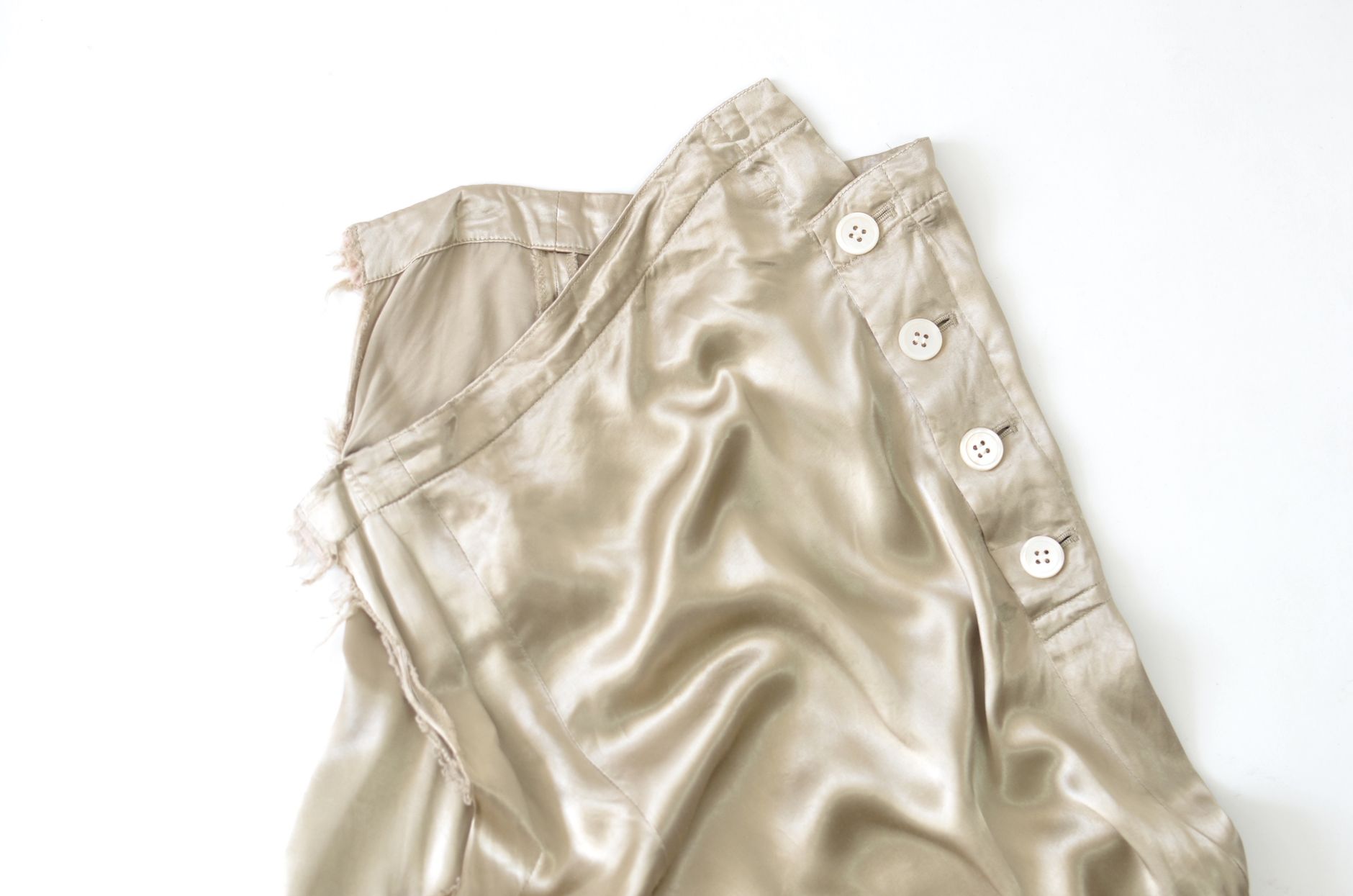
The Waistband Became the Point
Designers stopped hiding the waistband and started showcasing it—wide, contoured, occasionally embellished. What was once a utilitarian necessity became the focal point, a clear demarcation between foundation garment and intentional wardrobe. The result reads less "borrowed from the bedroom" and more "borrowed the bedroom's textiles for something built to last." It's structure masquerading as softness, which is infinitely more interesting than the reverse.
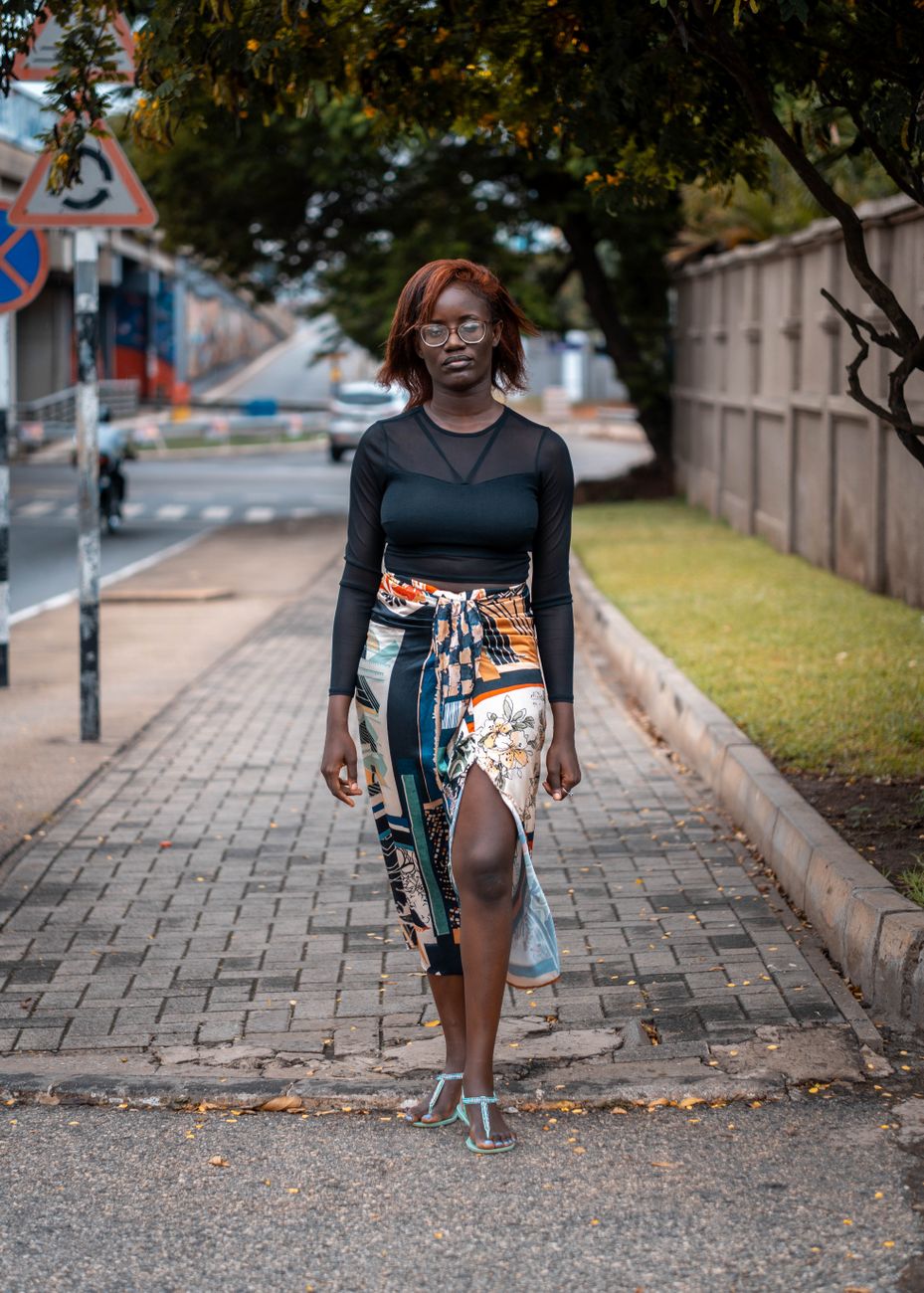
A-Line Cuts Replaced Bias Slither
The bias cut was beautiful and utterly impractical—it clung, it required strategic undergarments, it telegraphed every meal. The A-line silhouette in slip-skirt fabrications offered an exit strategy. Same satin, same sheen, but with a structure that doesn't broadcast your relationship with spanx. This isn't about modesty; it's about wearing lingerie codes without performing vulnerability every time you sit down.

Pockets Infiltrated the Boudoir
Nothing announces daytime legitimacy quite like functional pockets. When slip skirts gained proper waistbands, pockets followed—sometimes subtle side seams, occasionally brazen patch styles. The gesture is practical, but the subtext matters more: this garment doesn't expect you to carry a clutch to hold your lipstick. It's lingerie-dressing that acknowledges you have keys, a phone, a life that extends beyond looking decorative.
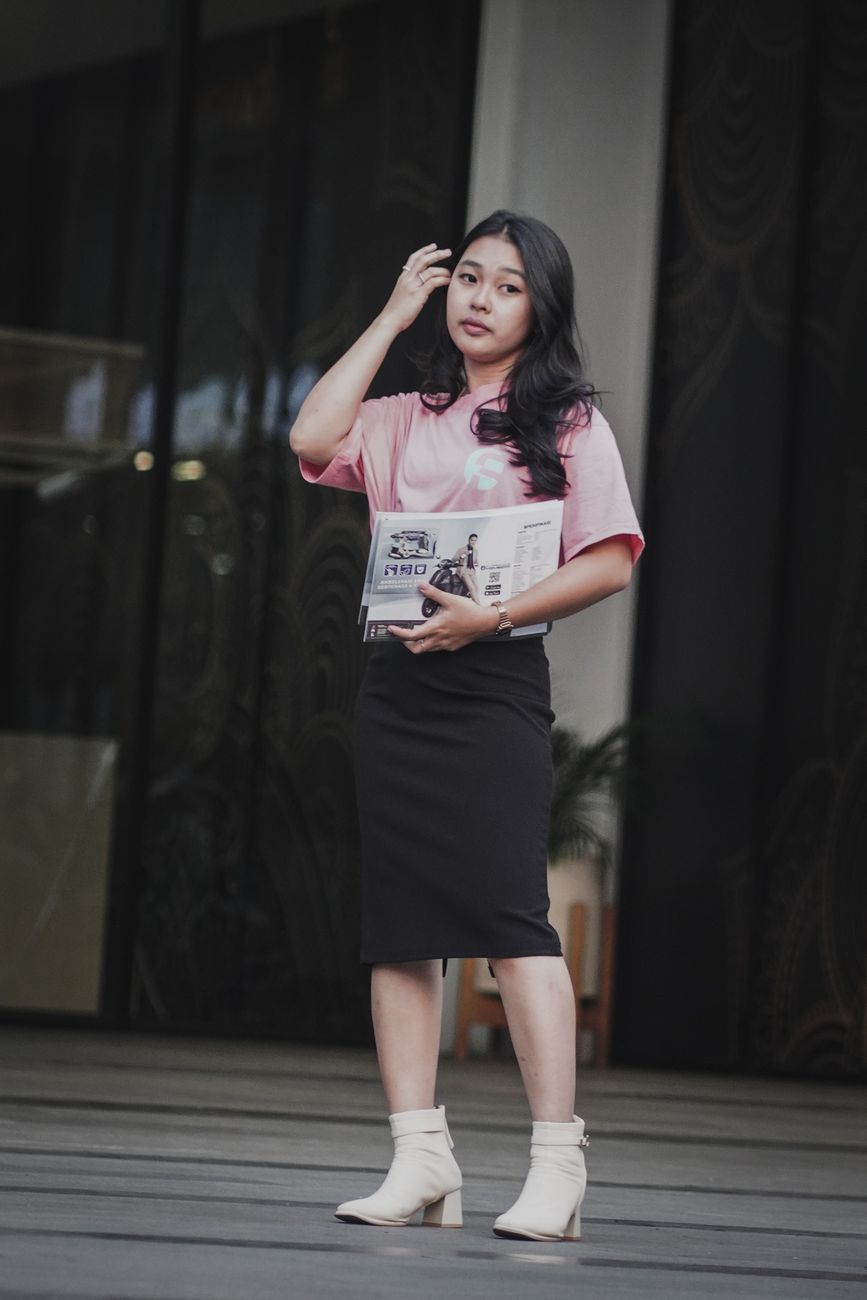
Midi Length Became the New Ankle
The original slip dress grazed ankles with studied nonchalance. The structured slip skirt stops at mid-calf, a length that borrowed authority from suiting and pencil skirts. This proportion change matters—it's the difference between channeling Kate Moss circa 1994 and presenting as someone who might actually make decisions in the garment. Midi implies intention; ankle-length can read costume if you're not careful.

Styling Swapped Strappy Heels for Loafers
The footwear completed the transformation. Delicate mules and barely-there sandals gave way to substantial loafers, chunky mary janes, even sneakers—shoes with opinions. This created cognitive dissonance in the best way: the textile language still whispers intimacy, but the styling vocabulary shouts competence. It's not trying to seduce anyone. It's simply wearing excellent fabric to a context that doesn't involve a bedroom, and refusing to apologize for the choice.