Perfume layering—once the domain of fragrance obsessives and niche boutique consultants—has gone mainstream. TikTok tutorials promise signature scents through complex combinations. Reddit threads dissect molecular interactions. Everyone, suddenly, is a nose.
But walk through any urban space and the evidence is undeniable: we've collectively forgotten that other people have to smell us. The line between intentional layering and simply wearing too much has blurred into an expensive, oversprayed fog. Here's what's actually happening.

The Four-Spray Minimum Has Become Normalized
Fragrance content creators routinely demonstrate routines involving four, five, six different products—oils, eau de parfums, hair mists, body lotions—all in one application. What was once considered excessive is now presented as baseline sophistication. The algorithm rewards maximalism, and our scent perception has recalibrated accordingly. Nobody's questioning whether this is actually wearable in an enclosed office or whether your colleagues are simply too polite to mention the headache.
Olfactory Fatigue Is Making Everyone Nose-Blind to Their Own Cloud
The more you layer, the faster you adapt—and the less you can smell yourself. This biological reality means committed layerers are adding more product to achieve the same sensory feedback, creating an escalating cycle. You think you're subtle. You're not. The person sitting next to you on the train can taste your fragrance pyramid, and they didn't consent to this immersive experience.
"Fragrance Wardrobes" Have Become Consumption Disguised as Curation
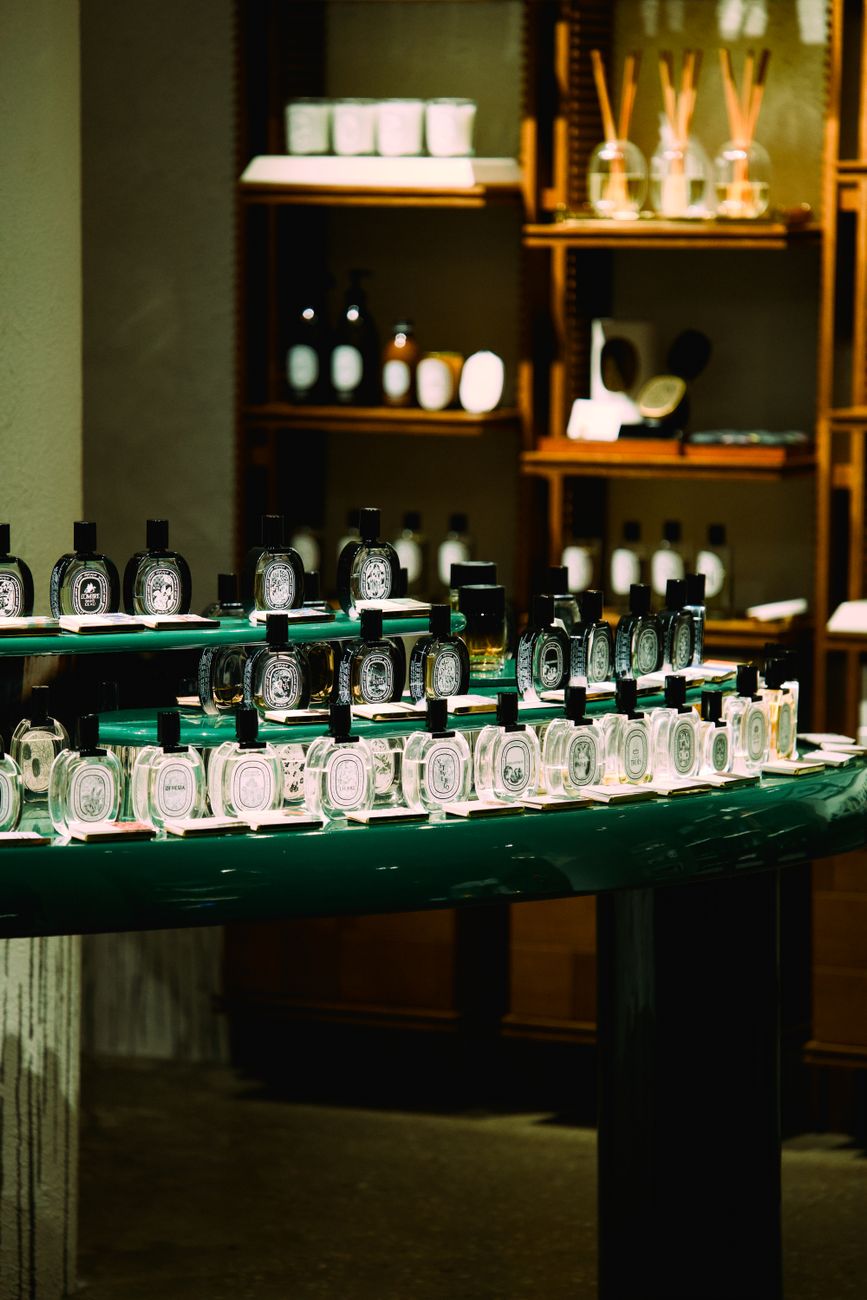
The layering trend conveniently requires owning multiple bottles—ideally from different price points and fragrance families. What's framed as artistic expression looks remarkably similar to standard acquisition behavior, just with better vocabulary. Brands are delighted. Your credit card statement reflects a hobby that's become indistinguishable from shopping with a thesaurus. The question nobody's asking: are you layering because it genuinely improves the result, or because you need to justify the collection?

The Sillage Competition Has Gotten Out of Hand
Projection and longevity have become metrics of success in fragrance communities, turning scent into a performance sport. The goal has shifted from personal enjoyment to maximum detectability—how long does it last, how far does it carry, can people smell you before you enter the room? This isn't sophistication; it's the olfactory equivalent of playing music through your phone speaker on public transport. Presence doesn't require announcement.

Nobody Wants to Be the Person Who Says Something
Fragrance sits in the same social dead zone as body odor and bad breath—too personal to address directly, too invasive to ignore completely. HR policies mention "strong scents," but enforcement is virtually nonexistent because the conversation is mortifying for everyone involved. So the heavily layered continue unbothered, while everyone else suffers in silence or develops strategic seating arrangements. We've created a fragrance culture with no feedback mechanism, which means no calibration. The result is predictable.