The vest spent decades as comedy fodder—either finance-guy costume or outdoorsy affectation. Then something shifted. Not gradually, but with the sudden clarity of watching everyone around you make the same unspoken decision. Sleeveless layers stopped registering as incomplete and started reading as intentional.
What changed wasn't the garment. It was how we started dressing around it. The vest became outerwear when we stopped treating it like something was missing and started building looks that privileged mobility, proportion, and that specific kind of utility that doesn't apologize for itself.
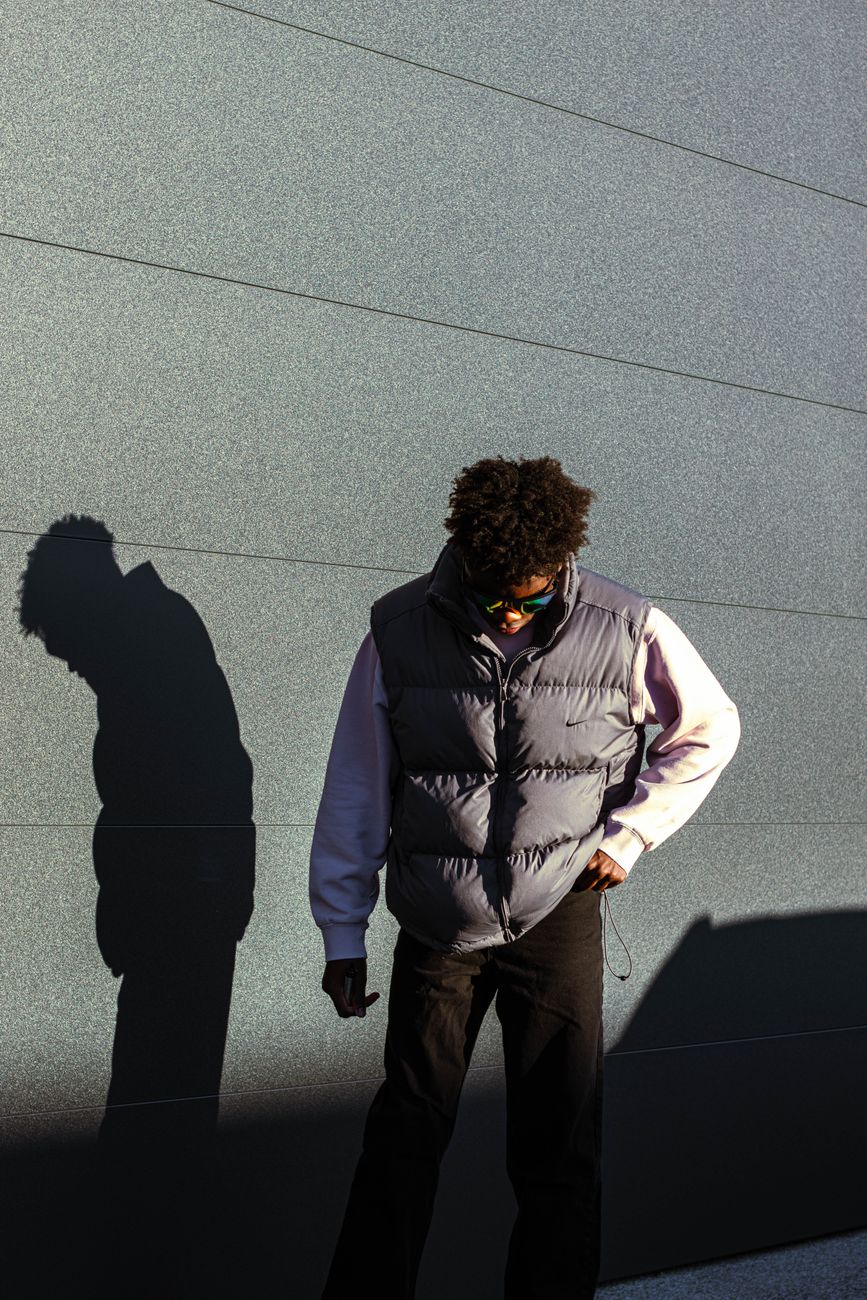
Puffer vests shed their tech-bro baggage and went high-low
The quilted vest—once shorthand for venture capital and fleece culture—detached from its Patagonia origins and entered general circulation. Oversized, cropped, belted, shrunken: the silhouette multiplied into versions that work over tailoring, under blazers, with slip dresses. What was once uniform became variable, and that's when it stopped being a joke. The puffer vest now operates as neutral infrastructure, the way a trench coat does—boring until it isn't.
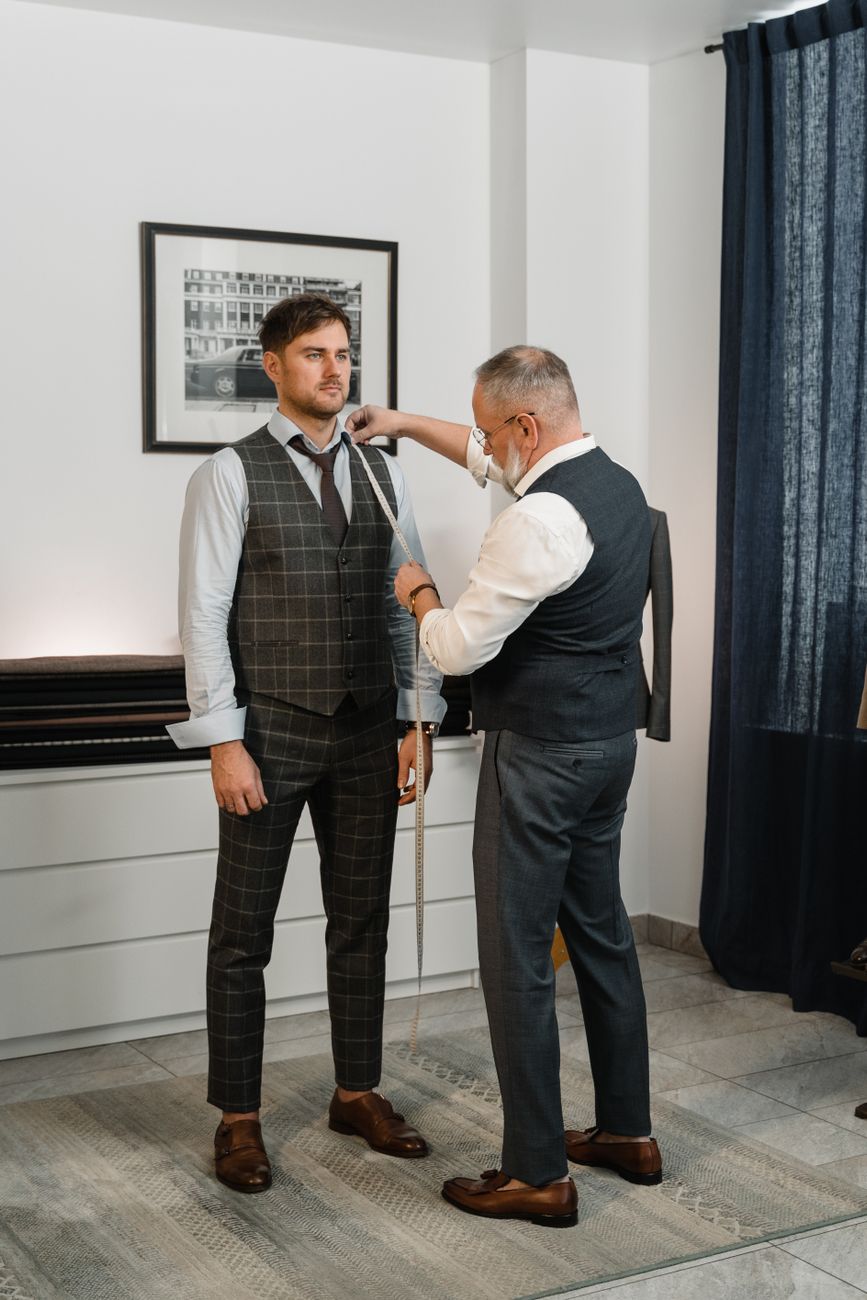
Tailored vests became standalone pieces, not orphaned suiting
The waistcoat left the three-piece suit and became outerwear by itself—worn over T-shirts, directly against skin, with denim and trousers that don't match. Menswear brands leaned into this, cutting vests longer and boxier so they'd read as jackets rather than formalwear fragments. Women adopted them faster, treating the shape as something closer to a sleeveless blazer than a borrowed menswear piece. It's structure without constriction, polish without the full commitment.

Workwear vests moved from jobsite to nightlife
Carpenter vests, tactical vests, fishing vests—the ones with pockets and loops and D-rings—migrated from functional contexts into deliberately styled looks. Carhartt and Dickies versions showed up on people who've never held a drill, styled with baggy jeans and minimal tops. The appeal isn't cosplay; it's the way these pieces add dimension and utility without bulk. You can carry your life in the pockets and still look like you're going somewhere that matters.
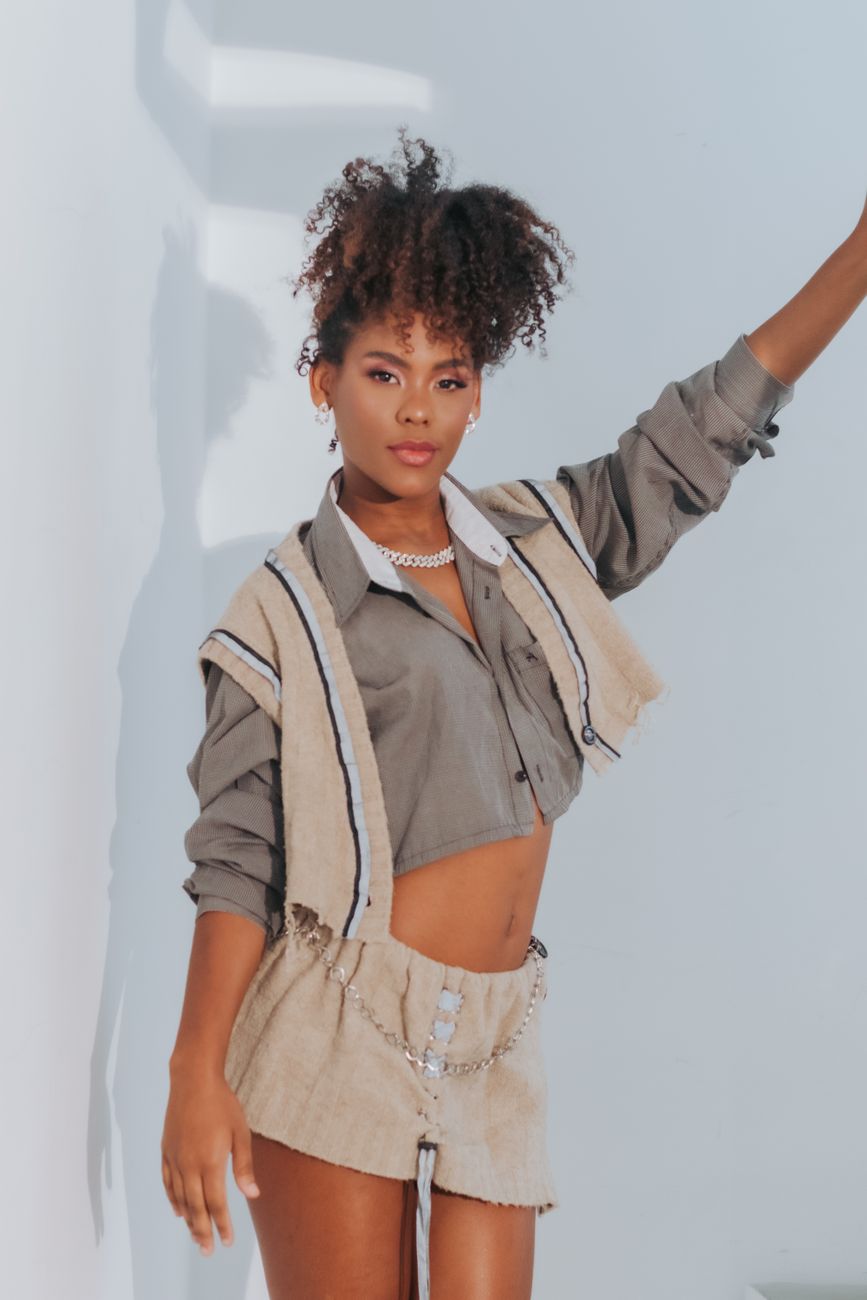
Designers made sleevelessness the point, not a compromise
Fall collections from The Row, Toteme, and Lemaire presented vests as primary outerwear, not transitional pieces. These weren't styled as incomplete—they were the finish line. Long, sleek, often in leather or heavyweight wool, they anchored looks rather than supplementing them. The runway message was clear: sleeveless isn't about missing something. It's about proportion, about what you choose to cover and what you leave exposed. That's a different philosophy entirely.
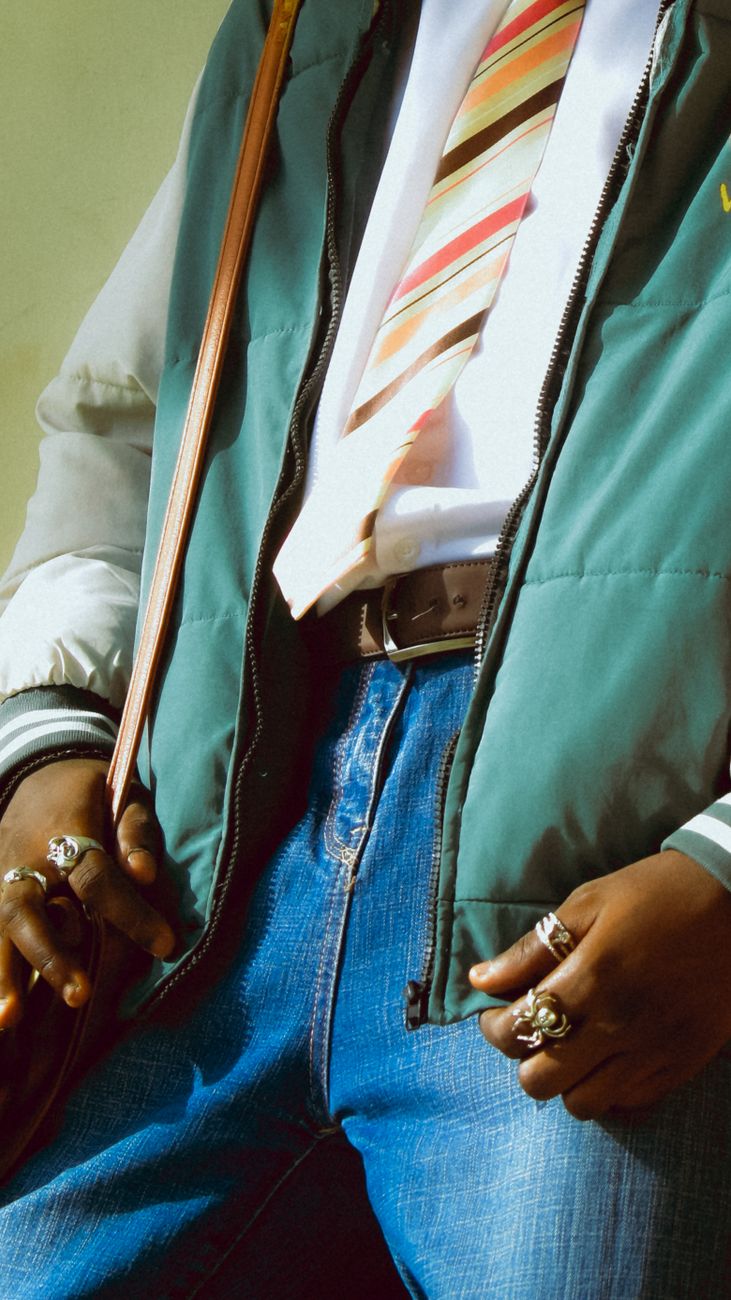
The vest solved the arms problem everyone was quietly having
Restrictive sleeves, bunched fabric, the eternal struggle of layering a coat over a sweater—vests bypass all of it. They provide core warmth and silhouette definition while leaving arms free to move, layer, or stay bare. As clothing became more about comfort and less about formality, that freedom started mattering more. The vest didn't become cool. It became logical. And in fashion, logic that looks good always wins eventually.