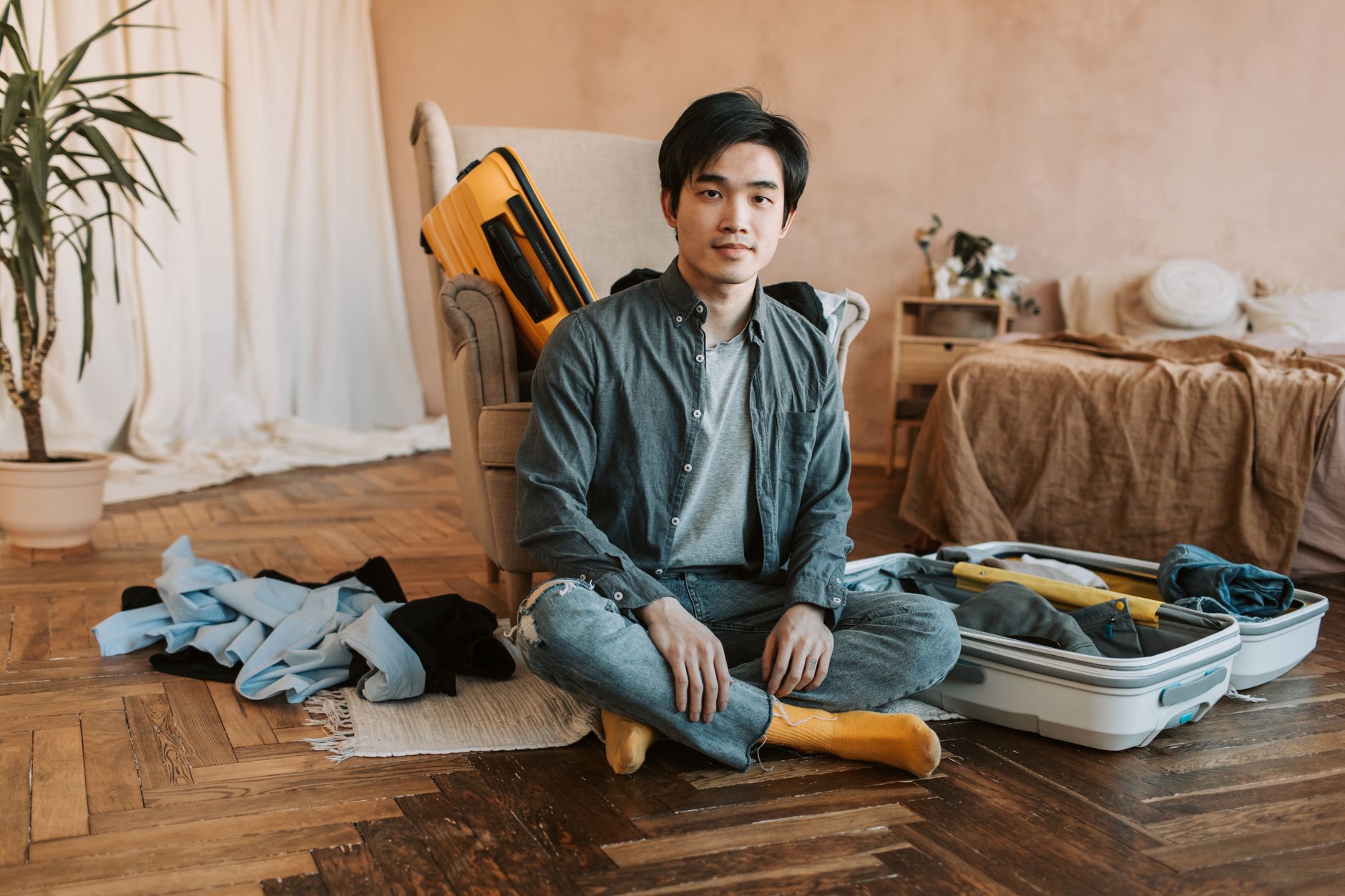
Hotels have stopped pretending they're selling locations. The new luxury product is sleep itself—quantified, optimized, and priced like a medical procedure. Properties are installing circadian lighting systems, hiring sleep concierges, and building entire revenue models around thread count and blackout architecture.
This isn't wellness theatre. It's a calculated response to a generation that tracks REM cycles and considers eight hours a status symbol. The hospitality industry has simply made rest transactional.
Sleep Concierges Are Now Standard at Five-Star Properties
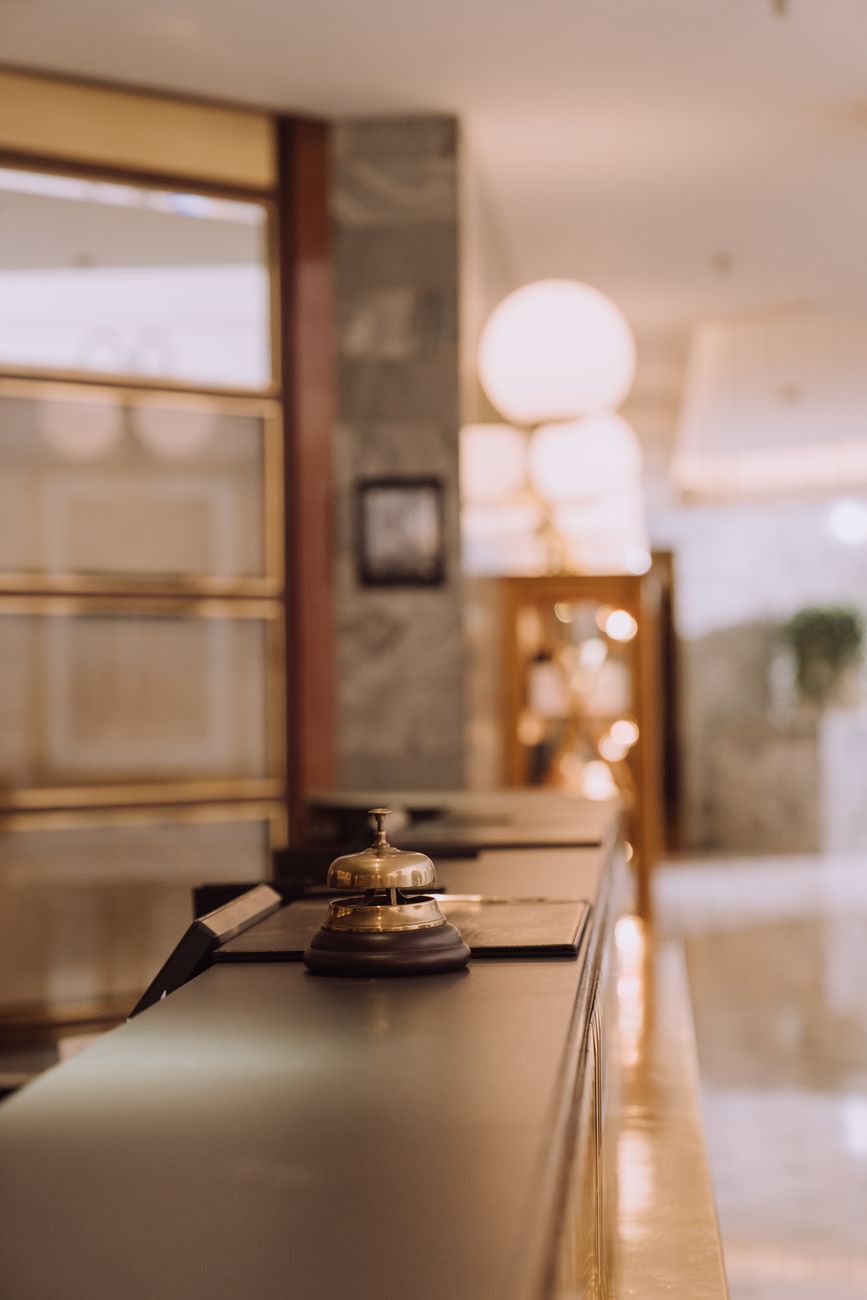
The Park Hyatt New York and Six Senses properties now employ dedicated sleep specialists who conduct pre-arrival consultations about pillow firmness and room temperature. These aren't spa attendants moonlighting—they're certified sleep coaches commanding salaries equivalent to sommeliers. The role exists because guests will pay $1,200 per night for someone to customize their melatonin levels. Hotels realized sleep expertise has the same margin potential as Michelin stars.
Blackout Technology Has Become an Architectural Flex
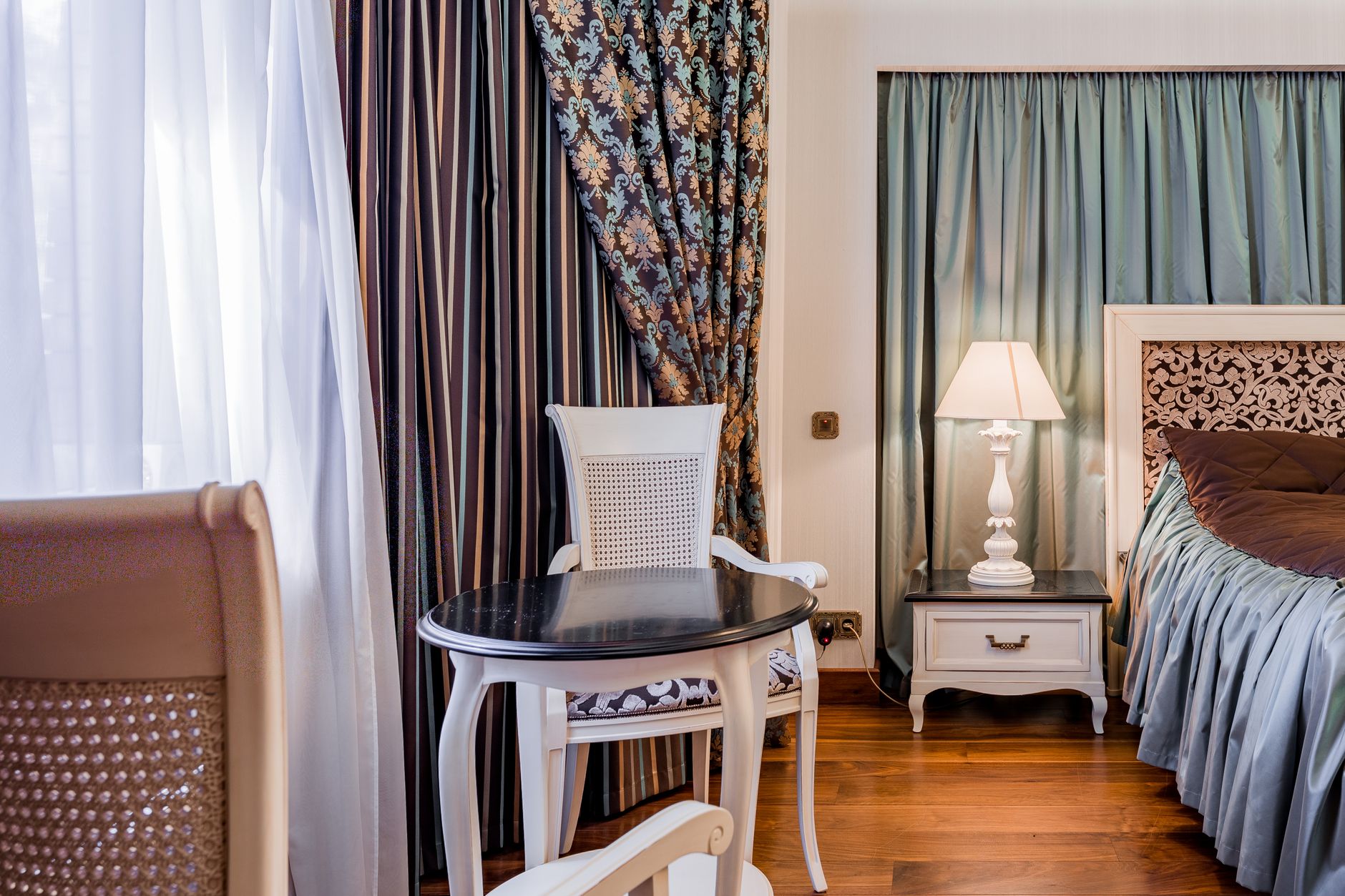
Properties are installing triple-layered blackout systems and sealing window frames like they're constructing panic rooms. The Zedwell in London removed windows entirely from some rooms, marketing total darkness as a feature rather than a liability. Bryte's $9,000 restorative beds—which adjust firmness in real-time based on body pressure—are now appearing in boutique hotels as standard equipment. Darkness and silence have become construction mandates, not afterthoughts.

Thread Count Is the New Michelin Star
Hotels are listing bedding specifications on booking sites the way restaurants list wine cellars. Egyptian cotton, 600-thread-count minimums, and eucalyptus-fiber duvets appear in property descriptions above pool access or room service menus. The Cadogan in London offers a "sleep menu" with seven pillow options and weighted blanket selections. Guests photograph bed tags and post them like trophies. Textile quality has become the visible marker of a property's seriousness about sleep.

Hotels Are Monetizing Sleep Data Like Tech Companies
Properties are partnering with Oura and Eight Sleep to offer in-room sleep tracking, then packaging the data into premium wellness packages. The results aren't just novelty—they're becoming loyalty tools. Hotels can now prove their rooms delivered better sleep than competitors, creating a quantifiable differentiation beyond location or amenities. Some properties offer discounts if your tracked sleep score falls below a certain threshold. Sleep has become both the product and the performance metric.
Sleep Retreats Are Replacing Spa Weekends
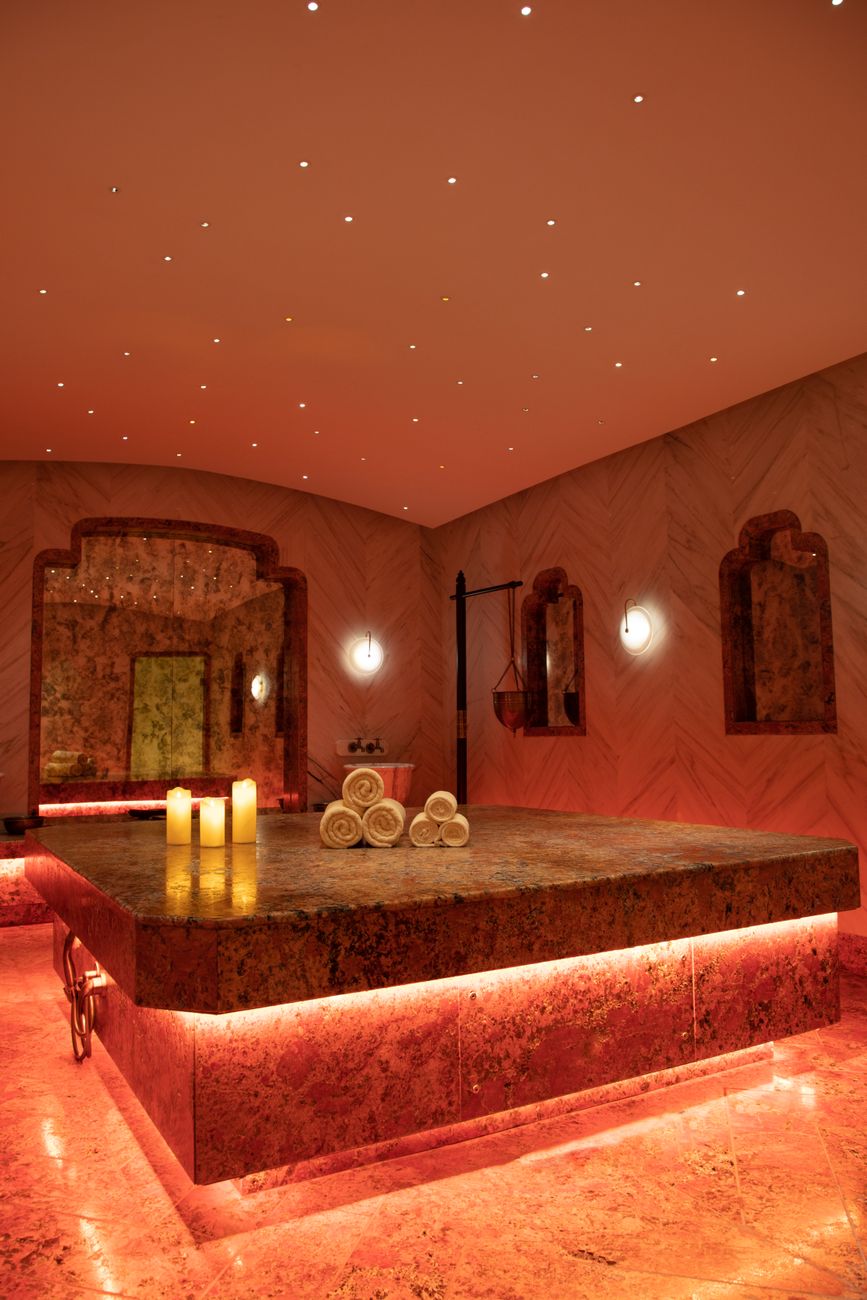
Multi-night sleep retreats at properties like Lanserhof and SHA Wellness Clinic cost upward of $5,000 and focus exclusively on circadian rhythm recalibration. No hiking, no juice cleanses—just controlled light exposure, scheduled naps, and monitored sleep cycles. These aren't vacations in the traditional sense; they're clinical interventions disguised as hospitality. The pitch is simple: you're not paying for relaxation, you're paying for measurable improvement in sleep architecture. And people are booking six months out.