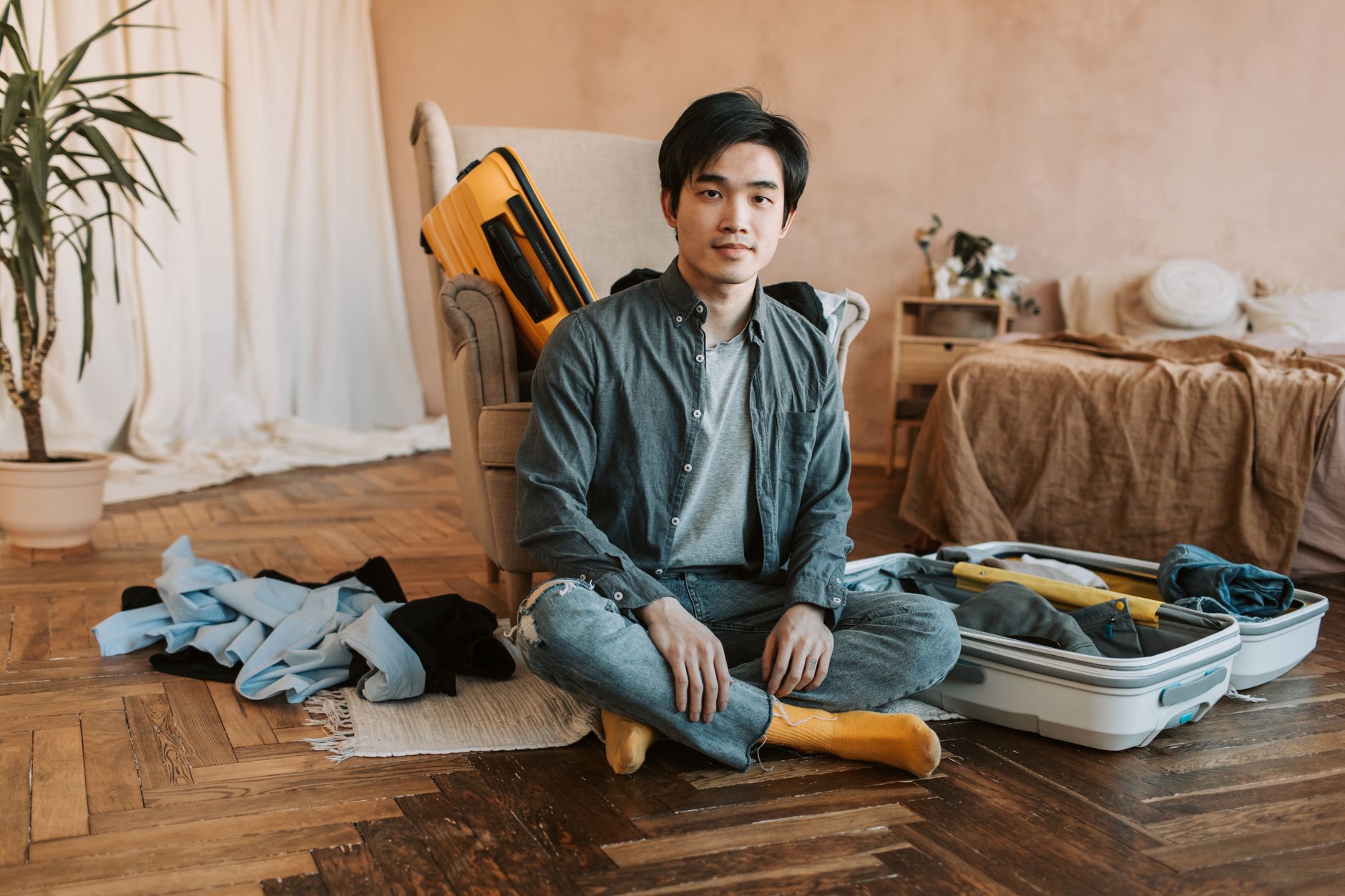
The hotel lobby has left the building. Not physically—it's just stopped being a holding pen for luggage and awkward check-in conversations. Somewhere between the death of WeWork and the Starbucks saturation point, travelers figured out that the marble floors and mid-century chairs they were speed-walking past were better than anywhere they were actually going.
Now people are booking rooms they'll never sleep in, buying day passes to properties they're not staying at, and turning the Ace Hotel lobby into their permanent office. The third place isn't dead. It just got a concierge.
Day passes are the new membership economy
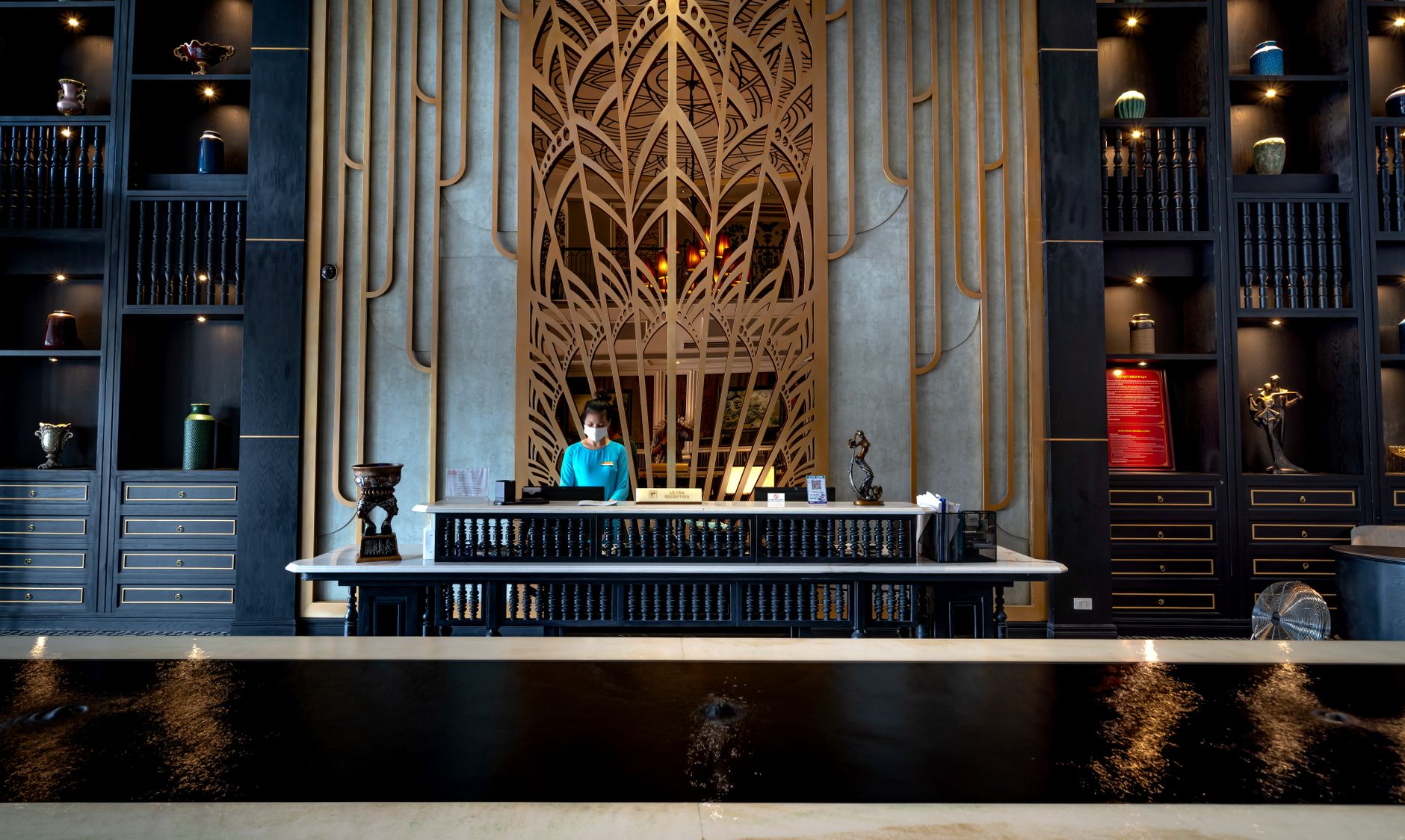
Hotels from Equinox to Soho House are selling lobby access like gym memberships, and people are buying. For $50 to $200, you get Wi-Fi, outlets, bathrooms that don't require a purchase, and the social camouflage of looking like you have somewhere important to be. It's coworking without the performance anxiety, and hotels are realizing their most valuable real estate isn't the penthouse—it's the ground floor.
The room is a decoy for the vibe
Travelers are booking stays at properties with lobbies designed by Rockwell Group or Roman and Williams, then spending their entire visit downstairs. The room becomes an expensive insurance policy—a place to nap if needed, but mostly a ticket to occupy prime seating near the fireplace for twelve hours straight. Hotels are catching on, designing ground floors with more square footage than some Manhattan apartments and stocking them with full menus, natural light, and corners that feel private without being isolating.
Loneliness looks like productivity in public
This isn't about networking or collaboration. It's about being alone together—the specific solitude that only happens when you're surrounded by strangers who will never ask what you're working on. Hotel lobbies offer something coffee shops lost when they became Instagram sets: anonymity with atmosphere. You're not a regular, you're not taking up space meant for paying customers, and no one's passive-aggressively wiping down the table next to you after hour three.

Hotels are designing for the non-guest guest
Properties are rethinking layouts entirely, adding more lobby seating than their occupancy rates technically require. Ennismore and Ace Hotel have built entire business models around this—lobbies with restaurants, record shops, coffee bars, and rental desks that blur the line between hotel and lifestyle hub. They're not fighting the squatters anymore. They're designing for them, then charging them, then calling them members.
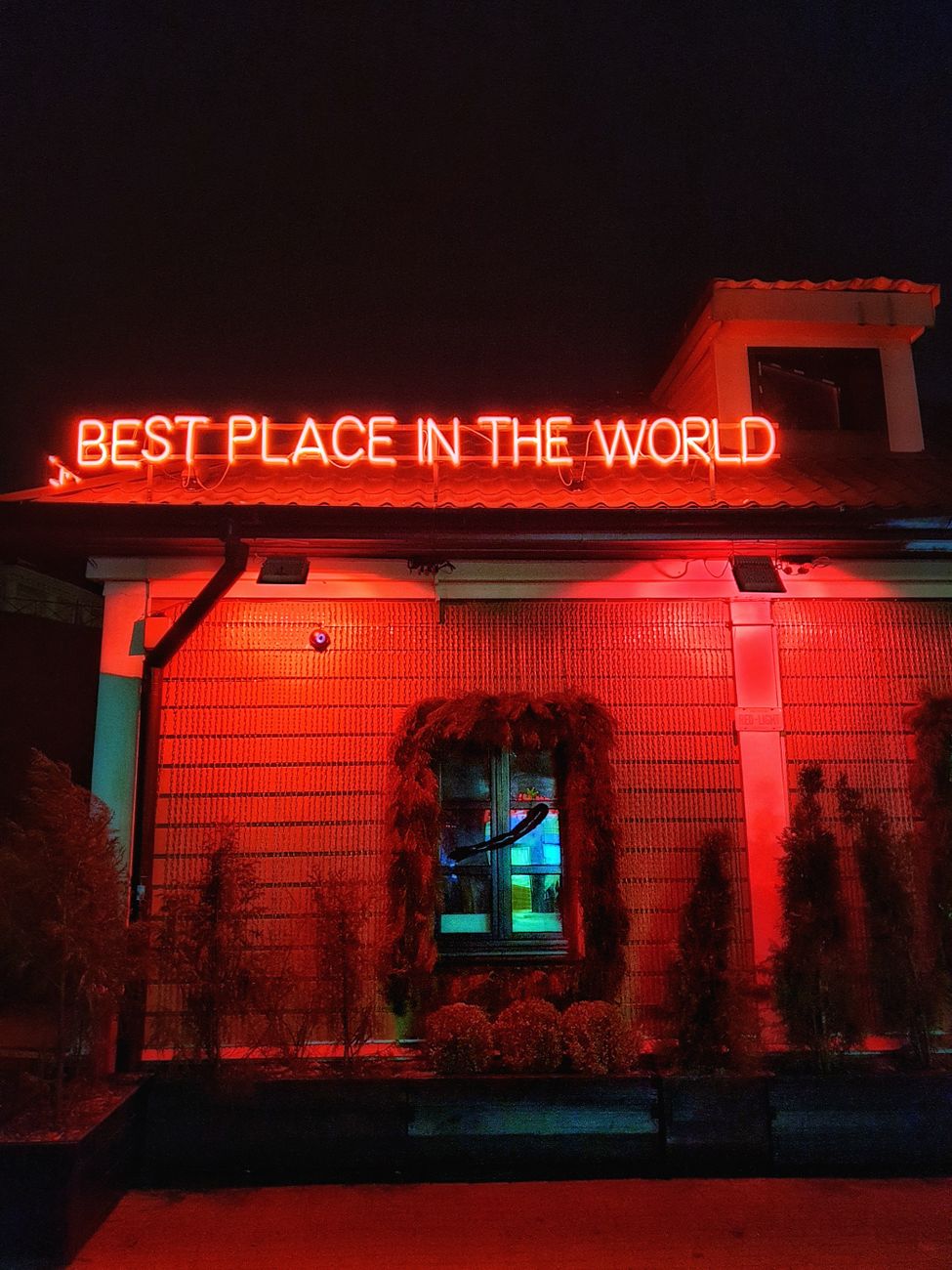
The third place is just the first place with better lighting
Calling this a travel trend misses the point. People aren't using hotel lobbies because they're traveling—they're using them because home feels claustrophobic, offices feel surveilled, and coffee shops feel over. The hotel lobby is the last semi-public space where you can sit for hours without justifying your presence. It's not a destination. It's a refuge that happens to have room service and a bathroom you'd actually use. The third place didn't die. It just checked into a better location.