Somewhere between the fall of Glossier and the rise of dermatologist reaction videos, skincare stopped being a routine and became a spectator sport. The algorithms have made experts of teenagers and turned clinical terms into content gold. Skin cycling—a methodical rotation of actives that any decent dermatologist has recommended for years—now has 3.5 billion views because someone gave it a name that sounded like SoulCycle for your face.
The question isn't whether TikTok has democratized dermatological knowledge. It has. The real question is whether we've confused virality with validity, entertainment with expertise. When slugging (the K-beauty practice of sealing your face in occlusive balm) becomes a trend rather than a technique, who benefits—and who's left with clogged pores and a Ring Light regret purchase?

The dermatologist-influencer is the new beauty authority
Board-certified dermatologists are clocking millions of views by stitching viral skincare disasters, and the power dynamic has flipped. They're not waiting for patients to book consultations—they're intercepting misinformation at scale, becoming both educators and entertainers. The trade-off? Clinical nuance gets compressed into 60-second takedowns, and the line between medical advice and content strategy blurs faster than a trending audio swap.
Skin cycling rebranded what derms already told you
Dermatologist Dr. Whitney Bowe didn't invent rotating actives to prevent irritation—she just named it something Instagram could memorize. Skin cycling (exfoliation one night, retinoid the next, recovery for two) is Derm 101 repackaged with the sleekness of a Goop protocol. It works because the framework is sound, but its explosion says more about our need for skincare to feel like a system we can hack than about any revolutionary science.

Slugging turned occlusive therapy into sleepover content
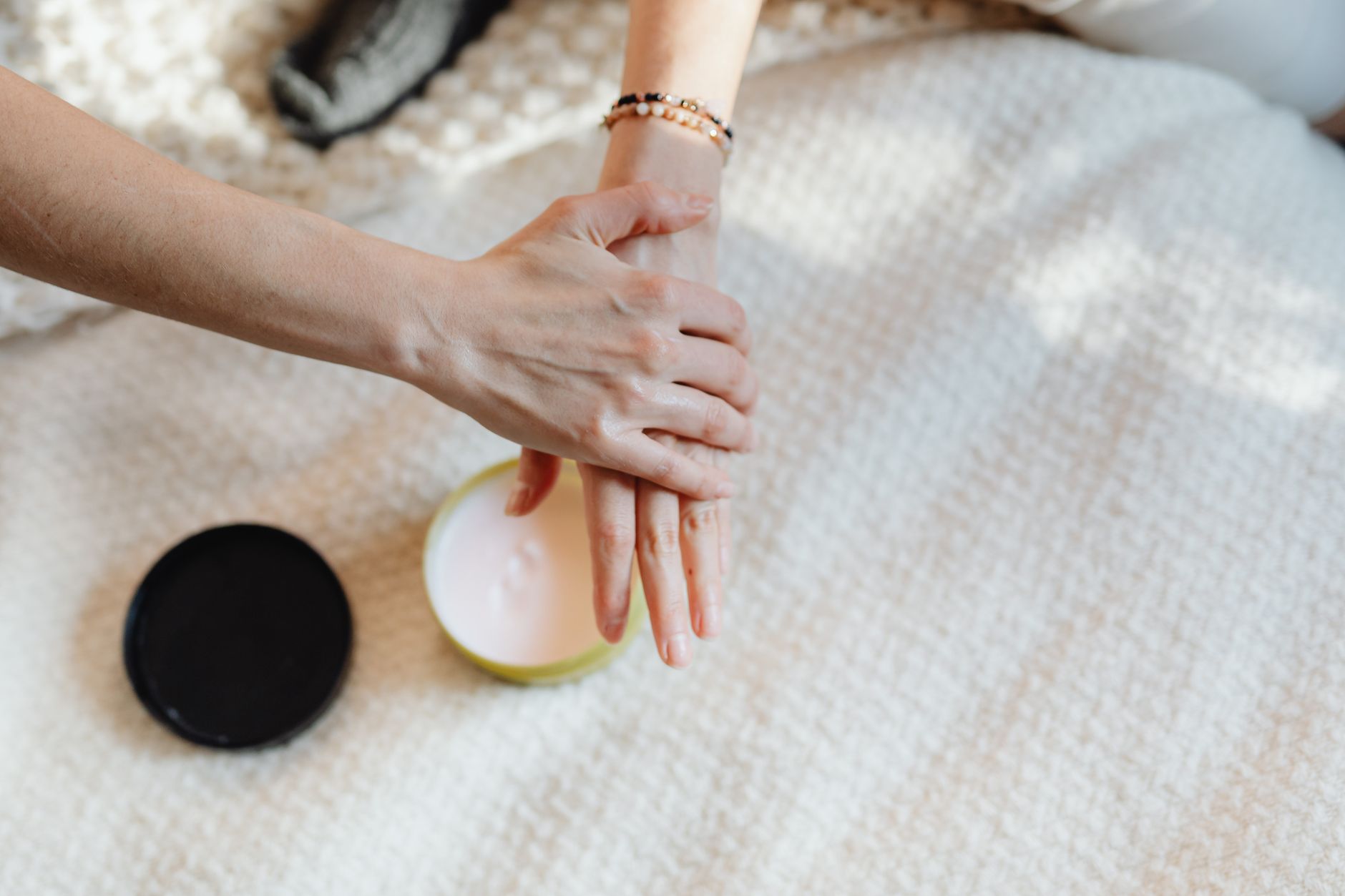
Korean skincare fans have been sealing in moisture with thick balms for decades, but TikTok turned slugging into a gross-out, glow-up narrative arc. Slathering Vaseline or Aquaphor over your entire face before bed photographs well and feels transgressive enough to go viral. What gets lost: this only works if your skin barrier is already compromised, and for anyone prone to congestion, it's a one-way ticket to textural chaos.

The comment section has become the waiting room
Users are bypassing dermatology offices entirely, crowdsourcing diagnoses in the replies of viral skincare videos. Someone posts a close-up of texture, and 4,000 strangers prescribe everything from azelaic acid to gut health protocols. It's free, it's immediate, and it's often dangerously wrong—but it reflects a healthcare access crisis as much as it does algorithmic addiction. When a derm visit costs $300 and a TikTok is free, the math writes itself.

Virality doesn't wait for peer review
The speed of trend cycles now outpaces the speed of clinical studies, and that's the entire problem. A single before-and-after video can move product faster than a double-blind trial ever will, and brands know it. We're watching real-time experiments on millions of faces with no control group, no long-term data, and no accountability when the next viral ingredient makes the last one obsolete. The scientific method has left the chat.