The full tuck disappeared sometime between 2019 and now, and if you're still doing it, you're essentially wearing a costume of someone who read the rules in a book. Front-tucking—that half-in, half-out gesture that looks like you just finished adjusting your waistband—became the quiet signifier of people who know things. It's the sartorial equivalent of the natural beauty movement: visible effort became embarrassing, and studied carelessness became currency.
This isn't about rebellion or rule-breaking. It's about the shift from aspiration to insiderness, from trying to look put-together to looking like you never had to try at all. The front tuck says you're in motion, mid-thought, not posing for an invisible camera. Seven ways this tiny gesture rewrote the dress code without announcing itself.

The Full Tuck Became Office Cosplay
Full tucks now read as corporate costume rather than actual office wear—the uniform of someone auditioning for the role of Professional Person rather than actually being one. The people who hold actual power dress like they might leave for a walk at any moment. When CEOs started wearing hoodies and fashion editors started front-tucking their Lemaires, the symmetrical tuck became the calling card of people still following instructions from 2012. You don't tuck in to look authoritative anymore; you front-tuck to signal you're past needing permission.
French Girl Mythology Finally Delivered a Useful Export
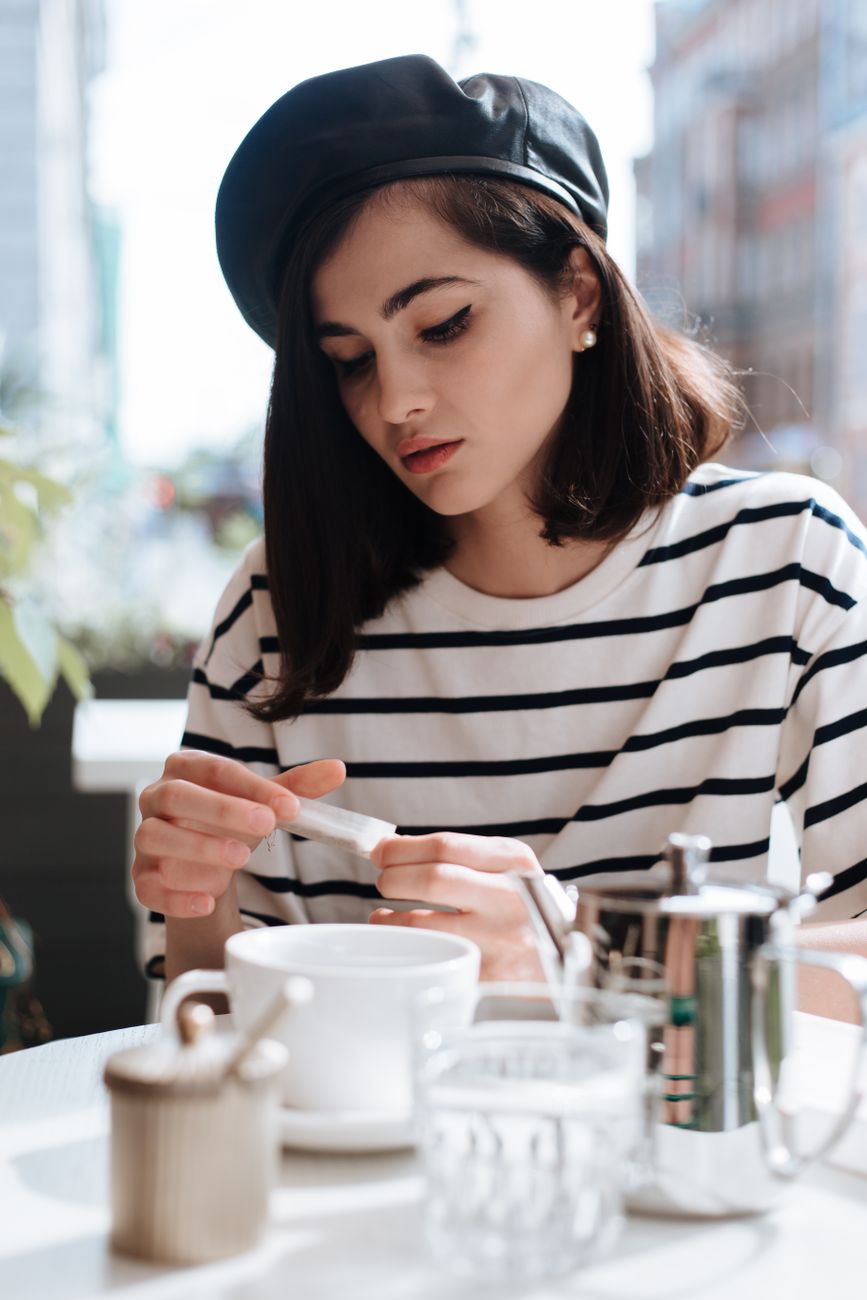
The front tuck is what survived when we extracted the single useful thing from decades of French-girl-style mythology: visible nonchalance. It's the sweet spot between tucked and untucked, the physical manifestation of je ne sais quoi that actually translates into something you can do with your hands. While we discarded the rest of the Parisian fantasy—the red lip, the neck scarf, the two-pieces-forever rule—this stayed because it required no budget, no technique, no consultation with your mirror. It just works because it looks like an accident.
Instagram Discovered Asymmetry Photographs Better Than Precision
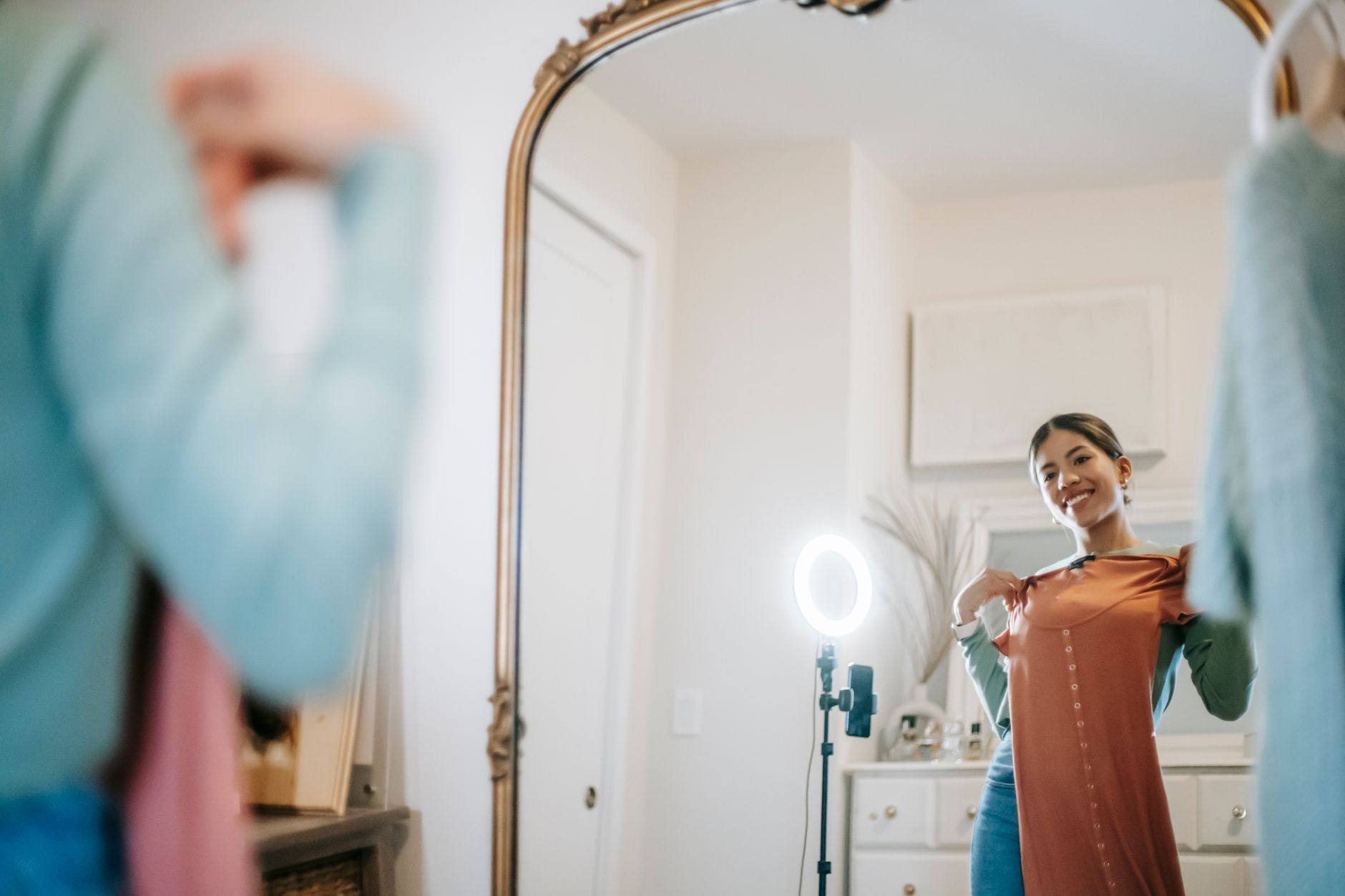
The algorithm didn't reward tidiness; it rewarded the appearance of motion, of catching someone mid-life rather than mid-pose. Front tucks created diagonal lines across the torso, breaking up the frame in a way that felt candid even when it was staged. Full tucks are too symmetrical, too final, too much like you're waiting for approval. The feed taught us that perfection is suspicious and asymmetry is proof of authenticity, so we adjusted our shirts accordingly and called it personal style.
Logomania Died and Took Precision Dressing With It
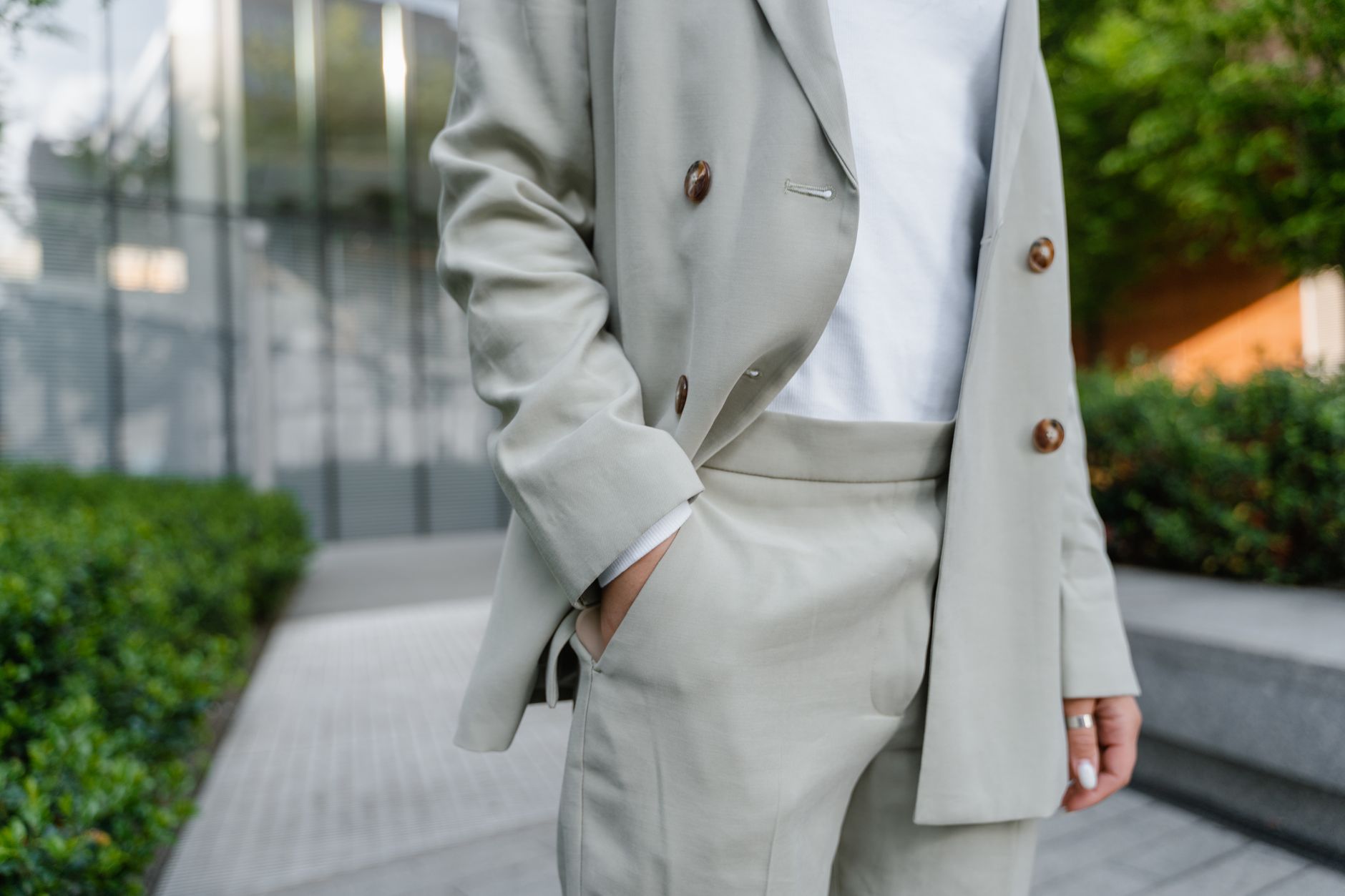
When fashion moved away from logo-first dressing and toward quiet luxury, the visual language shifted from announcement to implication. You can't front-tuck a shirt covered in monograms—it looks confused, like mixing formality levels. The front tuck only works in a world where your shirt isn't trying to say anything on its own, where the gesture matters more than the garment. Precision died the same death as logos: both required you to care too loudly, and the new currency became looking like you cared about something else entirely.
The Untucked Movement Overcorrected Into Sloppiness
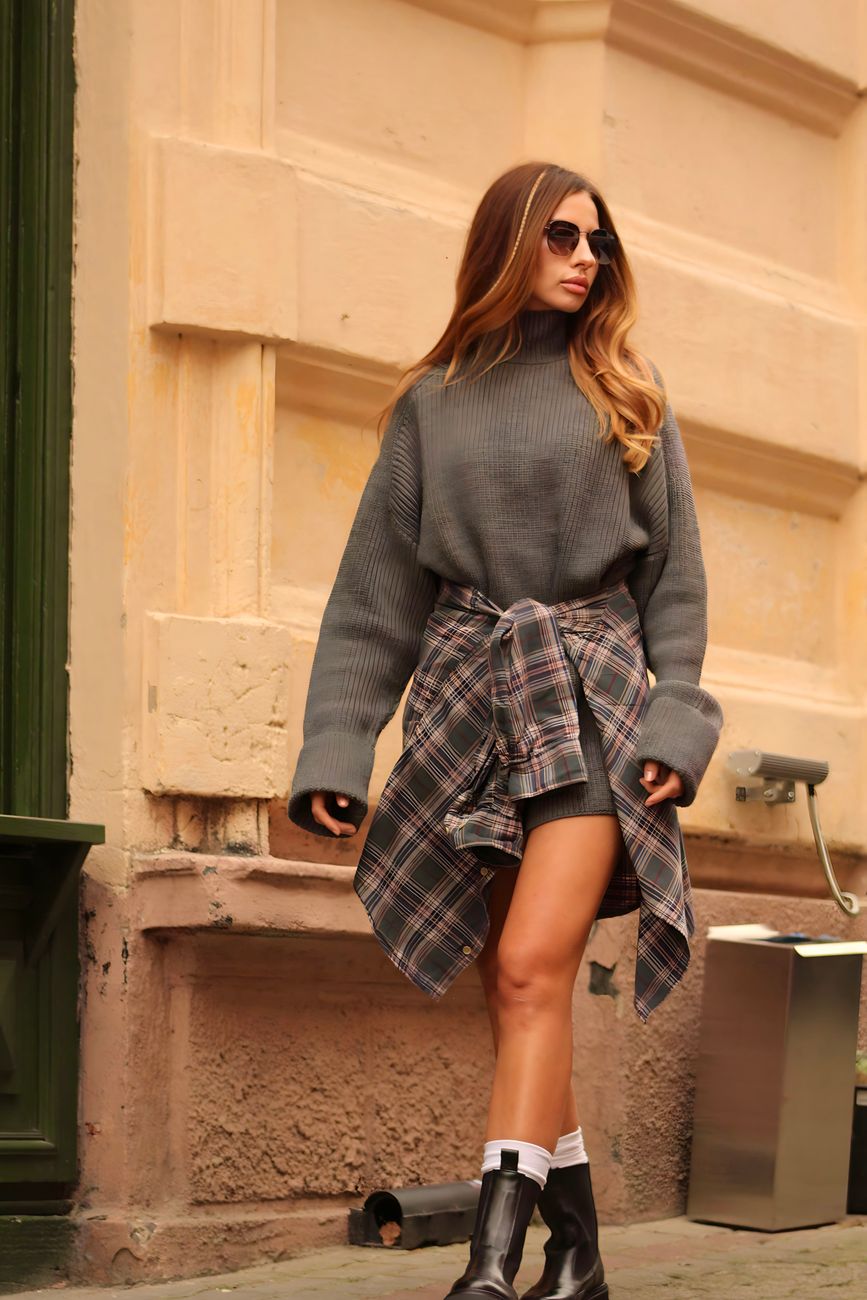
For a minute, everyone went full untucked as a reaction against formality, and it immediately became its own form of trying too hard—just in the opposite direction. Shirts billowing everywhere, no shape, no consideration, the sartorial equivalent of giving up. The front tuck arrived as the course correction: a way to acknowledge your waistline exists without making it a statement, a way to add structure without submitting to structure. It split the difference between the stiffness of a full tuck and the formlessness of letting everything hang, and it won by default.

Athleisure Taught Us to Value Movement Over Stillness
Once we normalized wearing clothes designed for motion in contexts that required none, static dressing started feeling wrong. The front tuck mimics the look of someone who just finished an activity or is about to start one—it has the energy of transition rather than arrival. Full tucks suggest you've settled in for a formal event; front tucks suggest you're passing through on your way to somewhere more important. Athleisure rewired our dress codes to prioritize looking capable over looking ceremonial, and the front tuck was a low-effort way to buy in.
Effort Visibility Became the Ultimate Faux Pas
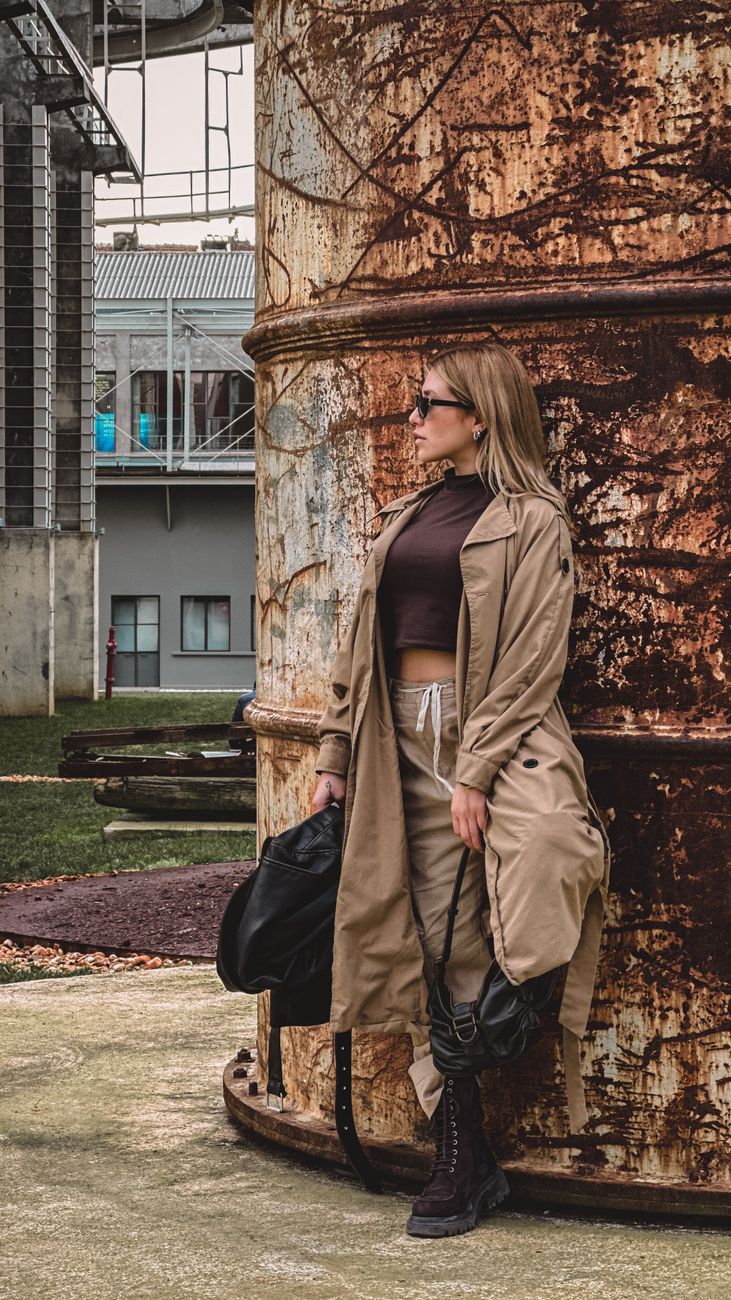
The full tuck's real crime isn't that it's formal—it's that it shows your hand. It proves you stood in front of a mirror and made a deliberate choice, tucked with intention, smoothed with care. The front tuck, by contrast, offers plausible deniability: maybe you meant it, maybe it just happened, maybe you're too busy thinking about other things to fuss over your hem. In an era where the worst thing you can be is try-hard, the front tuck became armor. It lets you look considered without looking like you considered anything at all.
- The Full Tuck Became Office Cosplay
- French Girl Mythology Finally Delivered a Useful Export
- Instagram Discovered Asymmetry Photographs Better Than Precision
- Logomania Died and Took Precision Dressing With It
- The Untucked Movement Overcorrected Into Sloppiness
- Athleisure Taught Us to Value Movement Over Stillness
- Effort Visibility Became the Ultimate Faux Pas