The beauty tutorial—once the internet's unassailable content monarch—is losing ground to its inverse. Makeup removal videos now command longer watch times, higher save rates, and more fervent comment sections than their instructional counterparts. What began as intimate nighttime vlogs has evolved into beauty's most compelling format: the deliberate erasure of artifice as performance art.
This isn't nostalgia for bare minimalism. It's a fundamental recalibration of what audiences find valuable. The process of undoing holds more currency than the reveal of achievement. Five forces explain why removal has become beauty content's most bankable act.

Double-cleansing content dominates watch time metrics
Videos documenting the full removal ritual—balm to oil to foam—retain viewers for an average of 3.2 minutes, compared to 47 seconds for application tutorials. The extended, methodical process functions as visual ASMR while demonstrating product efficacy in reverse. Brands are responding: Clinique's Take The Day Off campaign now centers removal testimonials rather than wear-test claims, while indie labels like Then I Met You position their cleansing balms as content-worthy hero products rather than utilitarian necessities.

Authenticity metrics spike when foundations come off
Engagement algorithms favor vulnerability over aspiration, and nothing signals unfiltered reality like visibly removing a full face. Creators who alternate between glam and bare-faced content report 40% higher follower retention on removal posts. The format offers parasocial intimacy—a bedroom ritual shared—that polished tutorials can't replicate. This isn't the 2016 no-makeup movement repackaged; it's structured content that makes the mundane feel like privileged access.

Skin texture revelation builds more trust than coverage claims
The removal video's greatest asset is its forensic honesty about skin reality. When a creator removes foundation to reveal texture, hyperpigmentation, or active breakouts, the comment section transforms into a conversion engine. Fenty's partnership with removal-focused creators drove 23% higher click-through rates than traditional ambassador content. Audiences are learning to distrust perfection and reward transparency, making the bare face a more effective sales tool than the made-up one.
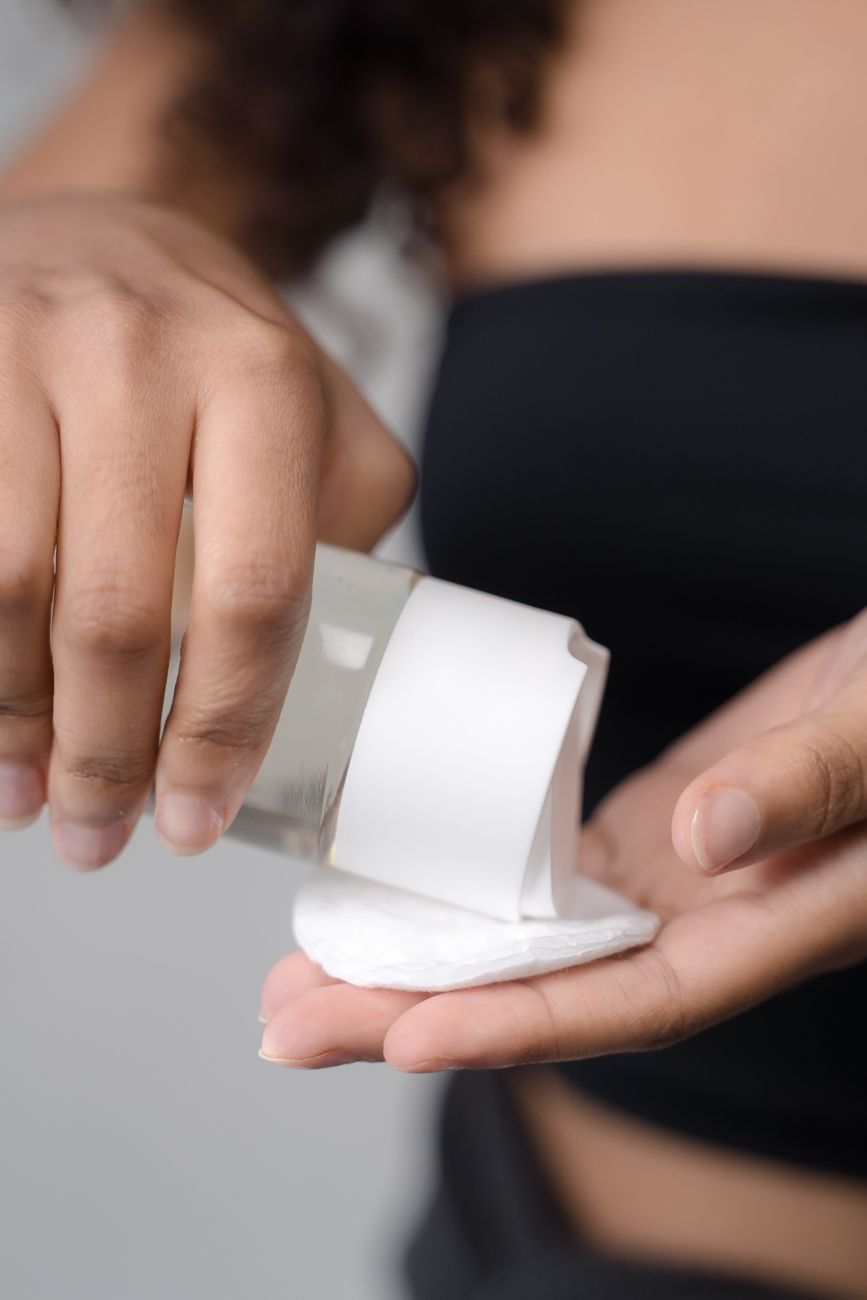
Micellar water and balm categories see triple-digit growth
The content shift is reshaping category economics. Micellar water sales climbed 140% year-over-year as removal videos canonized the multi-step takeoff. Cleansing balms—once a K-beauty curiosity—now occupy premium shelf space at Sephora, with Farmacy and Elemis reporting that video views directly correlate with purchase intent. The removal category is no longer ancillary; it's a primary revenue driver with its own aspirational tier and luxury positioning.
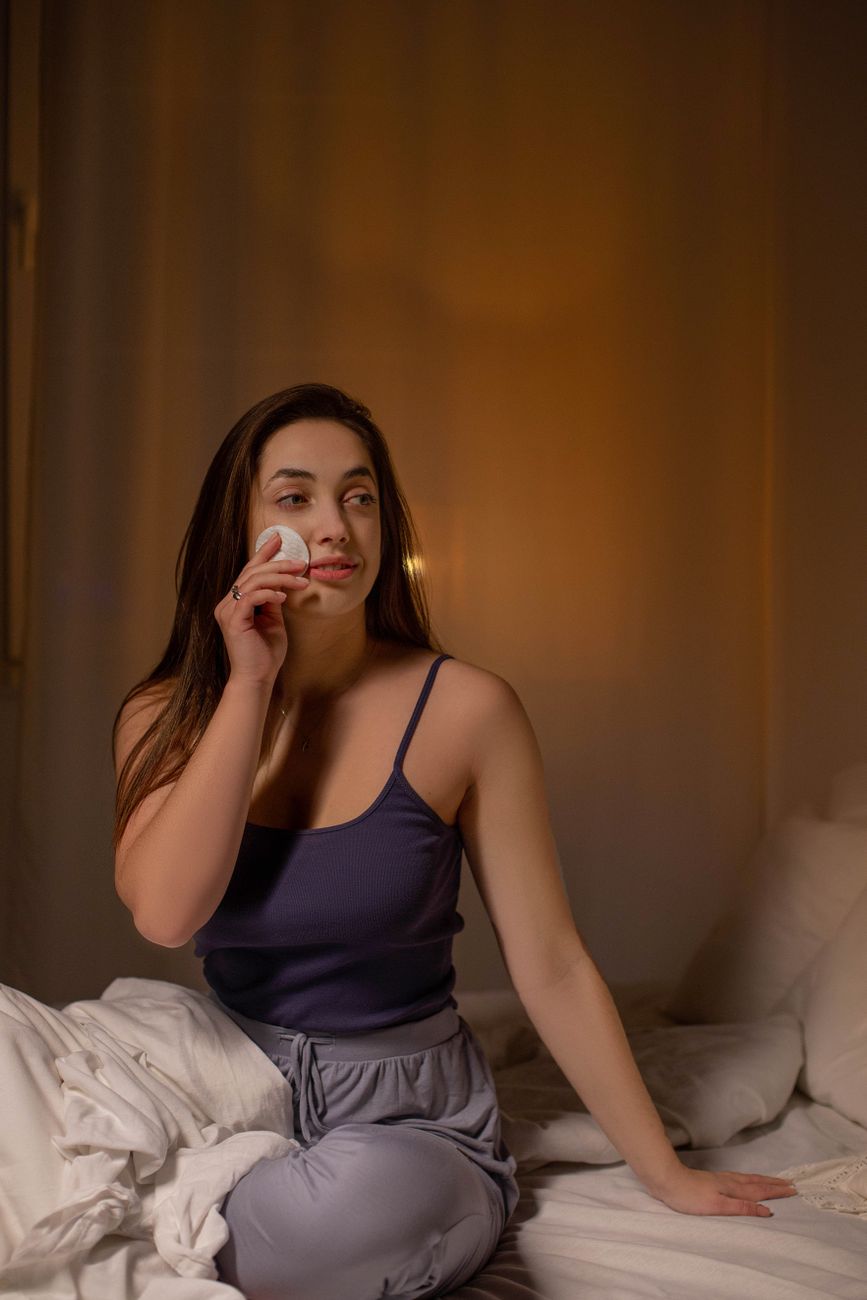
Nighttime routines eclipse morning content in algorithm favor
Platform data shows evening content receives 60% more saves than morning routines, signaling audiences are archiving removal videos as instructional references. The psychology is strategic: morning makeup feels performative and outward-facing, while nighttime removal reads as self-care and inward maintenance. Creators are restructuring upload schedules accordingly, timing removal content to coincide with their audiences' own wind-down hours. The result is a content ecosystem where taking things off has become more valuable than putting them on.