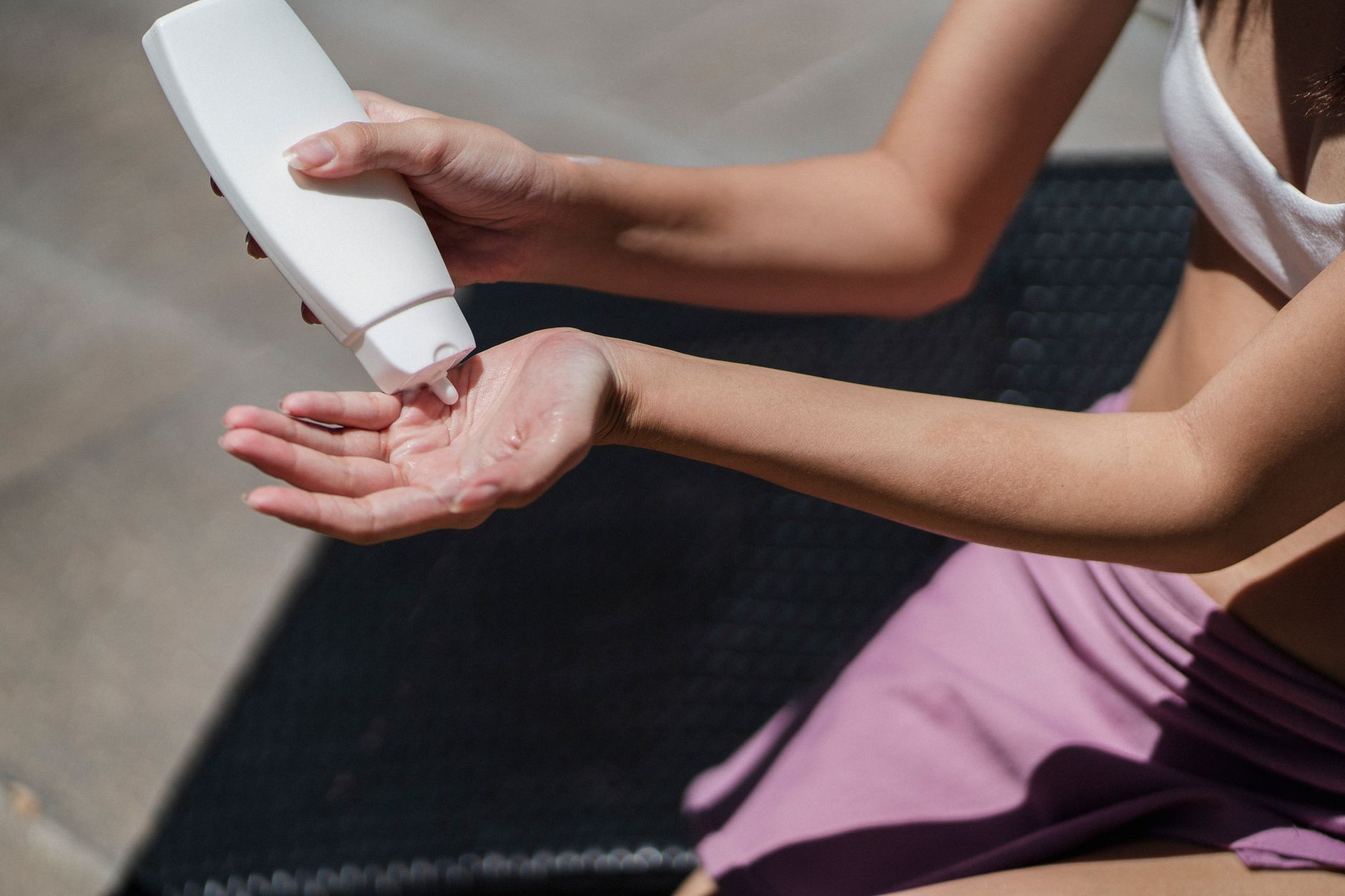
For years, vitamin C serum occupied the throne of non-negotiable skincare—the one step that separated the committed from the casual, the enlightened from the deluded. Dermatologists preached it. Reddit threads canonized it. Your most annoyingly glowing friend swore by it. But walk into any bathroom with sufficient product graveyard and you'll find the evidence: half-empty amber bottles turned rust-orange, abandoned after the third application because the tingle became a burn, or the glow never arrived, or frankly, the whole routine started feeling like a second job.
Something fundamental has shifted. It's not that vitamin C doesn't work—it's that the relationship has soured. The promise of brighter, firmer, more protected skin now competes with the reality of finicky formulations, sensitized barriers, and an exhausting optimization culture that's finally meeting its limit. What's replacing it isn't another silver bullet. It's something quieter, more forgiving, and infinitely less dogmatic.
The Barrier Backlash
A generation of over-exfoliated, acid-soaked skin is staging a revolt. Vitamin C, particularly in its most potent L-ascorbic acid form, demands a low pH that plays badly with compromised barriers—and after a decade of AHA/BHA/retinoid maximalism, barriers are struggling. The new status symbol isn't glow; it's skin that can tolerate weather, stress, and the occasional missed step without staging a rebellion. Ceramides and niacinamide are inheriting the earth.
Oxidation Theater
The ritual of checking whether your serum has turned the color of old pennies has become its own form of skincare anxiety. Vitamin C's notorious instability—requiring opaque packaging, refrigeration, rapid use—transformed a simple step into a chemistry experiment with a ticking clock. People are tired of being lab technicians in their own bathrooms. They want products that work when they remember them, not ones that punish a week-long vacation or a depressive episode.

Mono-Ingredient Disillusionment
The single-ingredient hero product model is collapsing under its own mythology. Vitamin C promised to be the one thing that could do everything—brighten, firm, protect, prevent—and that omnipotence was always a setup for disappointment. The smarter beauty conversation now embraces redundancy, synergy, and the idea that skin is a system, not a problem to be solved by one molecular savior. Antioxidant cocktails and polyglutamic acid blends signal a post-hero era.

The Gentleness Pivot
Efficacy without suffering is the new luxury. Where vitamin C often came with a side of stinging, redness, and purging justifications, emerging alternatives like tranexamic acid and alpha-arbutin deliver results without the hazing ritual. This isn't about less potency—it's about rejecting the puritanical idea that skincare should hurt to work. The beauty-literate have learned that inflammation isn't a necessary stop on the road to transformation.

Algorithm Fatigue and the Return to Intuition
The same internet that made vitamin C mandatory is now enabling its dethronement. Endless threads debating LAA versus SAP versus ethyl ascorbic acid, pH levels, percentages, and layering orders turned skincare into homework. There's a creeping exhaustion with optimization culture, a desire to trust your skin's feedback over a spreadsheet. The women abandoning their vitamin C aren't less informed—they're reclaiming authority from the algorithm and remembering that skin, like most things worth caring for, doesn't respond well to dogma.